We Do
We do what we want to do. We go where the day takes us. No schedule. No itinerary. No one telling us what comes next. Almost no one lives this way. We do.
We do what we want to do. We go where the day takes us. No schedule. No itinerary. No one telling us what comes next. Almost no one lives this way. We do.
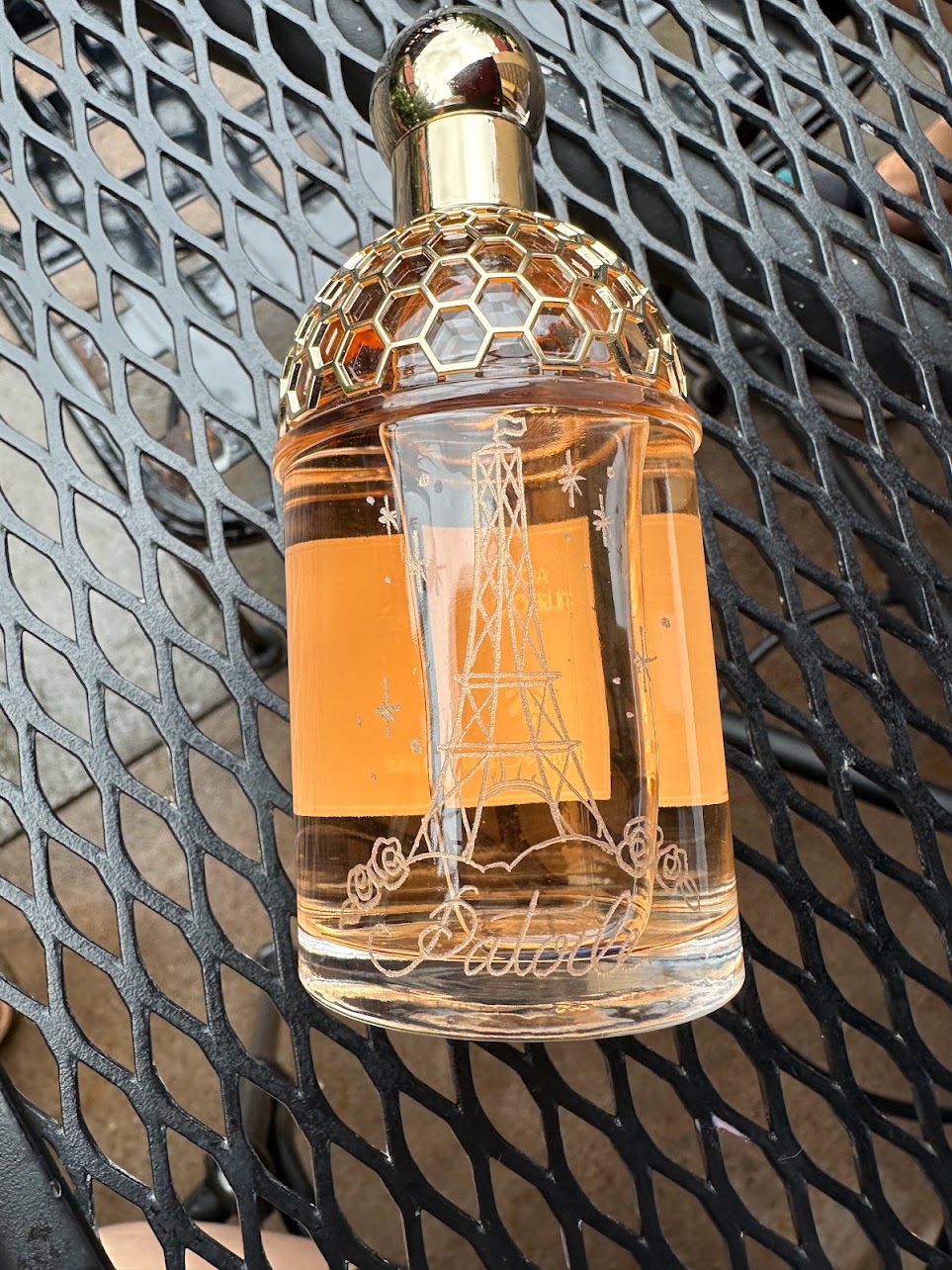
The history of the quintessential Parisian perfumer Guerlain both influenced and was shaped by Parisian life, savoir faire, and culture. The house of Guerlain is a Parisian institution. Guerlain aficionados—from royalty and empresses, to celebrities, writers, and artists—have been featured in novels, song lyrics, movies, and artistic creations, all while exemplifying Parisian savoir faire and luxury. The Guerlain headquarters and laboratory on the rue de Rivoli in the heart of Paris feature a new scent laboratory and a rose garden, intrinsically binding the famous house to the city of light, which it so perfectly captures in each bottle of perfume. Pierre-François-Pascal Guerlain opened his very first Guerlain boutique at 42, rue de Rivoli in Paris in 1828, marking the historic founding act of the luxury perfume and cosmetics house. Situated at 42 rue de Rivoli (located on the grounds of what is now the dining room of the Hotel Meurice), the initial shop served as a high-end apothecary and perfumery. The boutique sold imported soaps, custom vinegars, early cosmetic creams, and bespoke fragrances. It quickly grew into a fashionable meeting spot for the Parisian elite (beau monde) and wealthy travelers. Decades later, in 1914, the brand moved its flagship presence to the legendary 68 Avenue des Champs-Élysées. But wait, you don't have to make a trip to Paris to experience all of this. The history of the quintessential Parisian perfumer Guerlain both influenced and was shaped by Parisian life, savoir faire, and culture. The house of Guerlain is a Parisian institution. Guerlain aficionados—from royalty and empresses, to celebrities, writers, and artists—have been featured in novels, song lyrics, movies, and artistic creations, all while exemplifying Parisian savoir faire and luxury. The Guerlain headquarters and laboratory
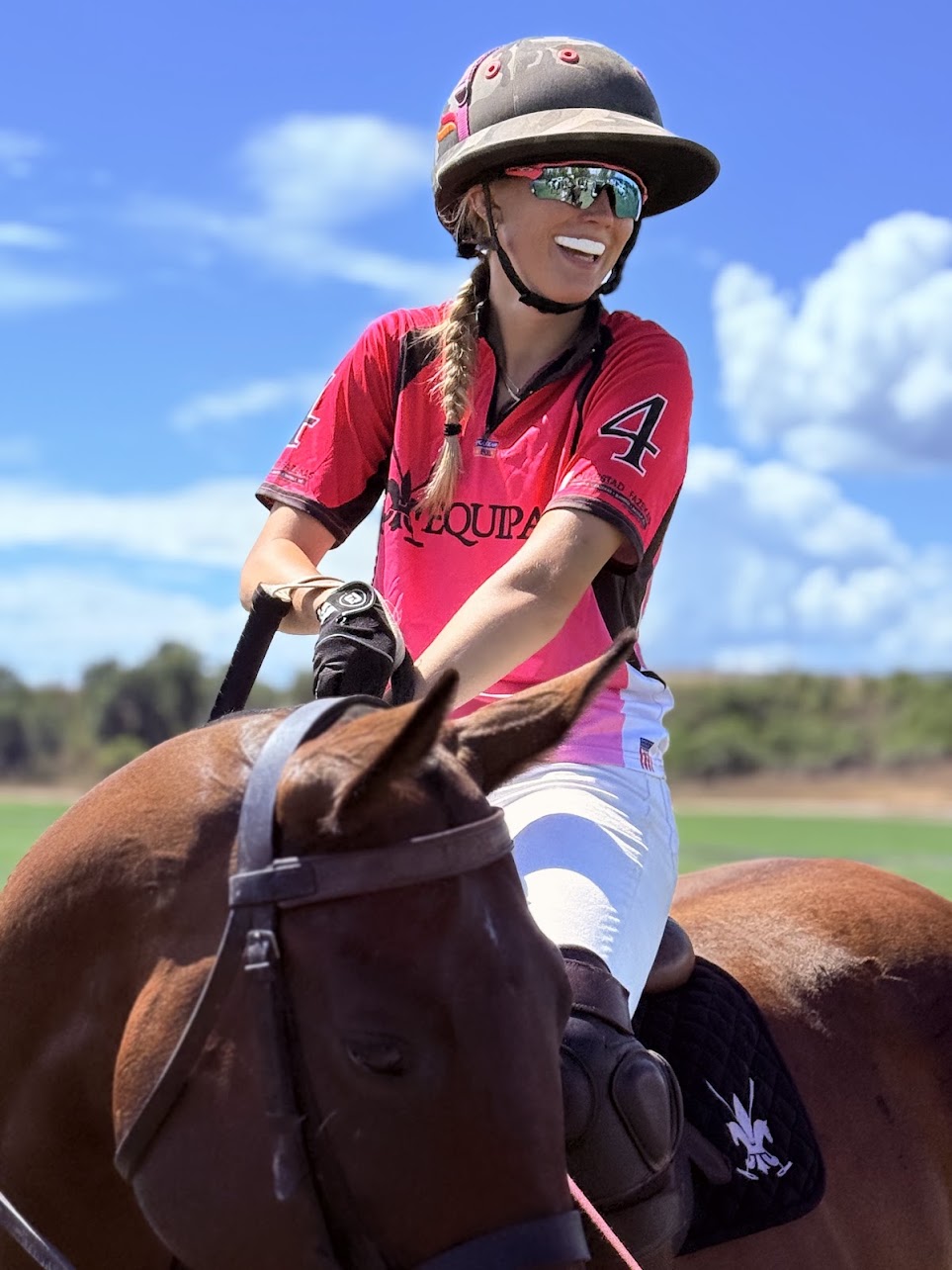
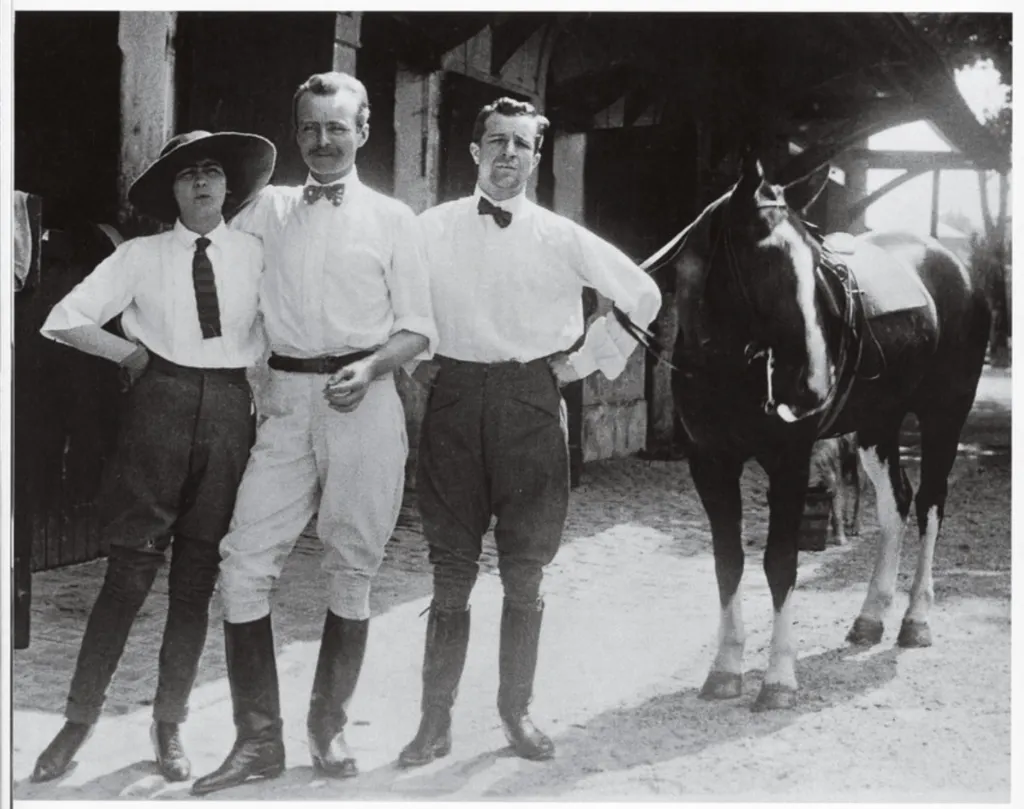
When we are in Paris, we often make a trip over to Hermès, which was founded in 1837 as a Paris harness workshop, and it quickly became synonymous with the equestrian world, producing saddles, harnesses, and other riding equipment. Horses have stayed central to the house ever since — for six generations, the horse has guided the company, and the saddle-making workshop at 24 Faubourg Saint-Honoré remains its reference profession. I picked up a bottle of it's first scent for men, Equipage, and we promptly named our polo team after the inspiration we felt by this word, meaning "team," back in 2004. And, in 2026, we don't have to make the trek to Paris anymore, as Hermès has a store in Denver now, with one saddle in the shop. Ok, well, it's not going to replace the flagship store in Paris anytime soon. But it is a local source now for my favorite scent, Equipage by Hermes. Too bad they don't have the saddle shop like they do in Paris. Oh well, at least they have Equipage, which is my favorite scent, so much so that we named our polo team after it. There are a few variations of the Equipage line, as the scent has been around since 1970, such as the square bottle with the black cap and white dot is the older version made between 2003 - 2013. The one on the right with the lantern cap is the newer version from 2013 onwards. There is an older bottle from 1970-2022 and it is said that this version of Hermes Equipage is the best. I have vintage bottles of Equipage, as well as a bottle with the white dot. Although the
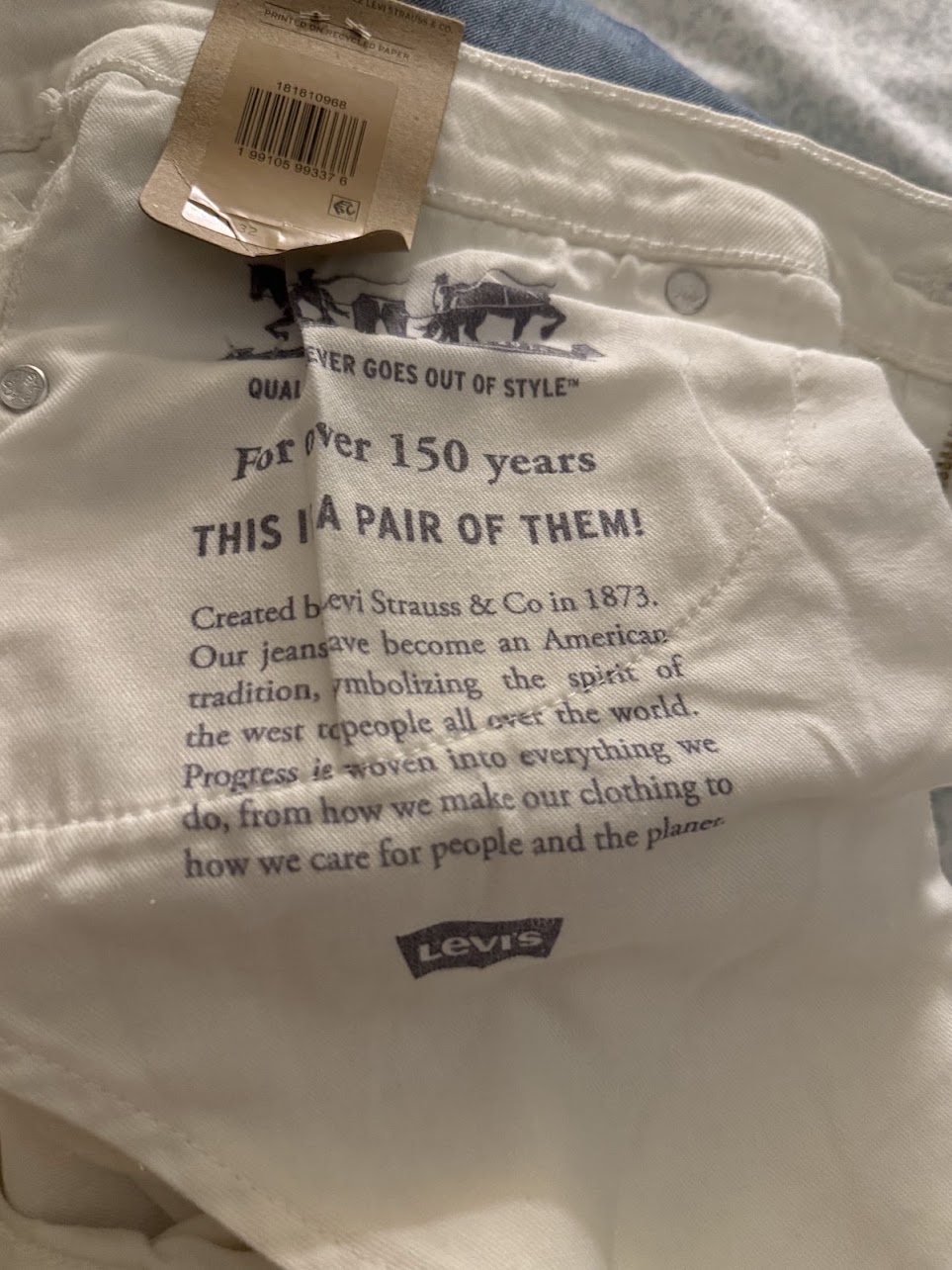
Levi Strauss & Co. doesn't have a specific tradition tied to polo, but there's a horse connection (Ride & Tie, plus the "Two Horse" trademark logo on their jeans, which is about two horses pulling on a pair of pants to show durability). Plus, a lot of guys wear polo jeans for playing polo, as before modern breeches and jods made specifically for polo, such as those by Ono Polo, there were elephant ear breeches in white, used for polo and hunting, and in between there were white Levi's.
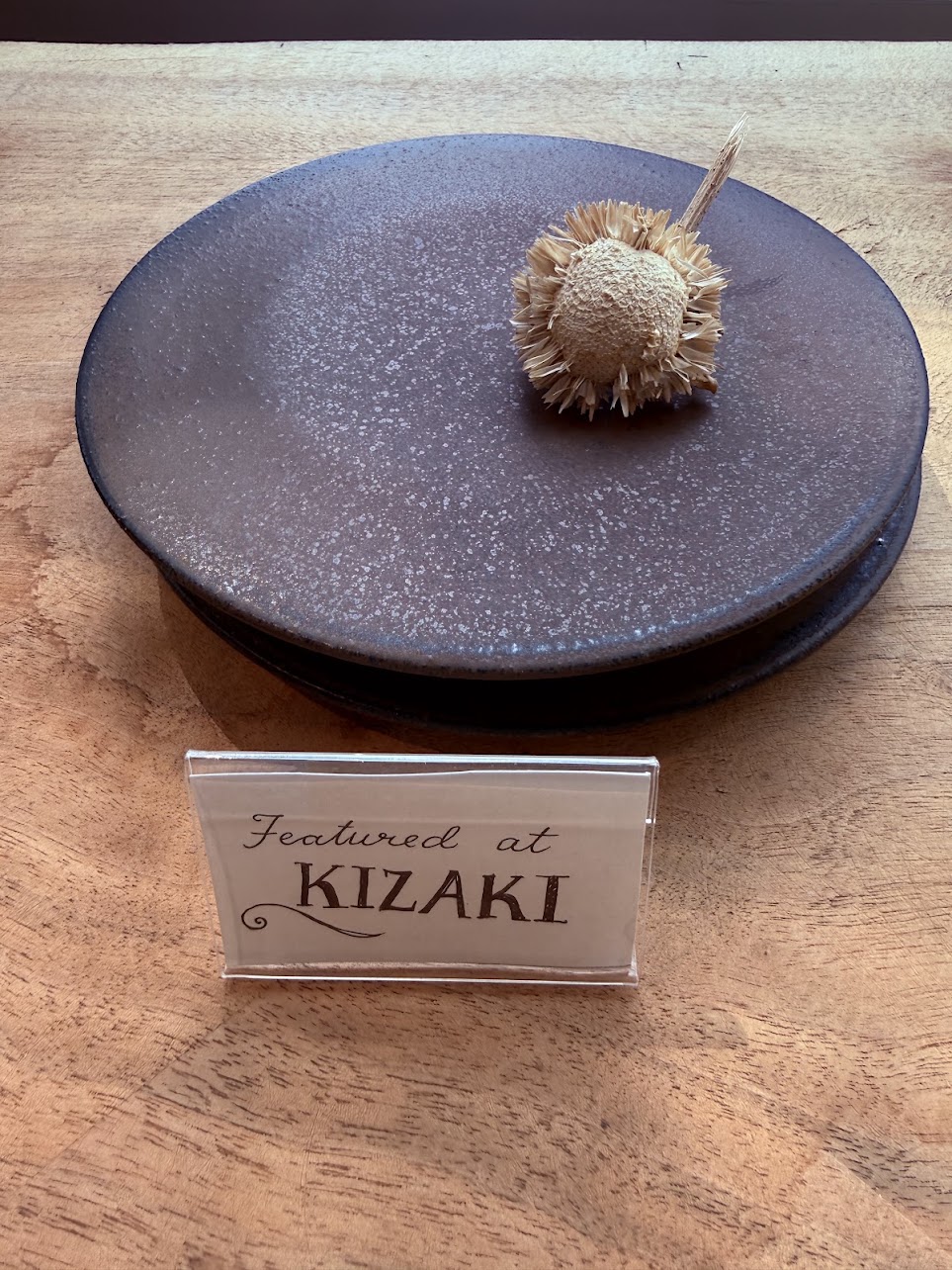
Kazu Oba Potter, Sculptor. Born in Kobe, Kazu Oba spent his early years in Japan. He moved to Colorado in the 90's and has called the Boulder area home ever since. He has continued to travel throughout the world for assistantships, workshops, and exhibitions. Kazu apprenticed under two masters, Jerry Wingren, a sculptor in stone and wood, then another master Takashi Nakazato, one of the world's most renowned potters from Karatsu, one of the ceramic centers of Japan. Kazu's pottery is dedicated to functional, everyday ware to be used in home. His background as a chef distinctly influences his work, as he maintains a constant focus on the relationship between his pots and the food that will occupy them. https://www.obaware.com/
My girls are all twitterpated by the upcoming release of Coco Mademoiselle Crush Absolu. Created by in-house perfumer Olivier Polge (son of Jacques Polge, who created the original 2001 Coco Mademoiselle), Crush Absolu keeps the DNA of the original – rose, jasmine, patchouli, vetiver – but pushes it in a juicier, more intense direction. The opening is what makes it interesting: a grapefruit-lychee accord gives it a bright, almost jammy sweetness before settling into a warm amber-vanilla base. CHANEL is describing it as an “affirmation of self” – bolder and more unapologetic than the original, while still unmistakably Coco Mademoiselle underneath. They are among the first to give in to the new Coco Mademoiselle Crush Absolu fragrance. A composition that is magnetic, just like Gabrielle Chanel herself. Long before Chanel No. 5 or the little black dress, there was a stable, a countryside château, and a young seamstress named Gabrielle Chanel who found her creative voice not in a Paris atelier, but on the sidelines of a polo match. In the early 1900s, polo was a man's world [and by the way, it still is in 2026, but for the first time more women are taking up polo this year than men] — tailored breeches, precise tack, and horses thundering across manicured fields. Women, when they appeared at all, stood at the edges in restrictive skirts. Chanel broke that mold almost by accident. As a young woman, she was photographed wearing polo pants as early as 1909, a small act of rebellion that quietly foreshadowed the revolution she'd later bring to women's fashion. That rebellion had a source: Étienne Balsan, a wealthy horseman and Chanel's companion at the time, who took her in at
Field Ethos magazine was co-founded and is co-owned by Donald Trump Jr. and outdoor media veteran Jason Vincent, who serves as the CEO. I just recently started subscribing and, wow, I love it. I have written and photographed for a number of sporting magazines, and I have a lot of friends who do so professionally or semi-professionally. Just when you thought that no one reads anymore, here's the magazine that will prove why it is still worth it. This month's featurs is on the Ta'sheer (also known as the "fire dance" or "gun-jumping") is a centuries-old traditional Bedouin war dance native to the Taif and Mecca regions of western Saudi Arabia. Historically performed by tribal warriors to build morale before battle and intimidate enemies, it is now a celebrated heritage ritual performed during major holidays like Eid al-Fitr, as well as at weddings and festivals. The dance is a highly synchronized feat of athleticism and precise timing. Performers use traditional muzzle-loading rifles called Al-Maqmanad are loaded with blank gunpowder—they contain no actual bullets or projectiles. Performers dance barefoot in traditional attire, executing a tight, vertical bounce with their knees held close together. As the rhythm of traditional war drums builds, the dancer leaps high into the air. At the absolute peak of the jump, the performer twists, aims the rifle straight down, and fires directly into the ground. This creates an instantaneous, gravity-defying explosion of sparks, flames, and thick white smoke directly beneath their feet. In case you were wondering like I was, yes it's the same Bedouin as in Star Wars. George Lucas designed the Tusken Raiders (or Sand People) in Star Wars based directly on the Bedouin, nomadic Arab peoples of the
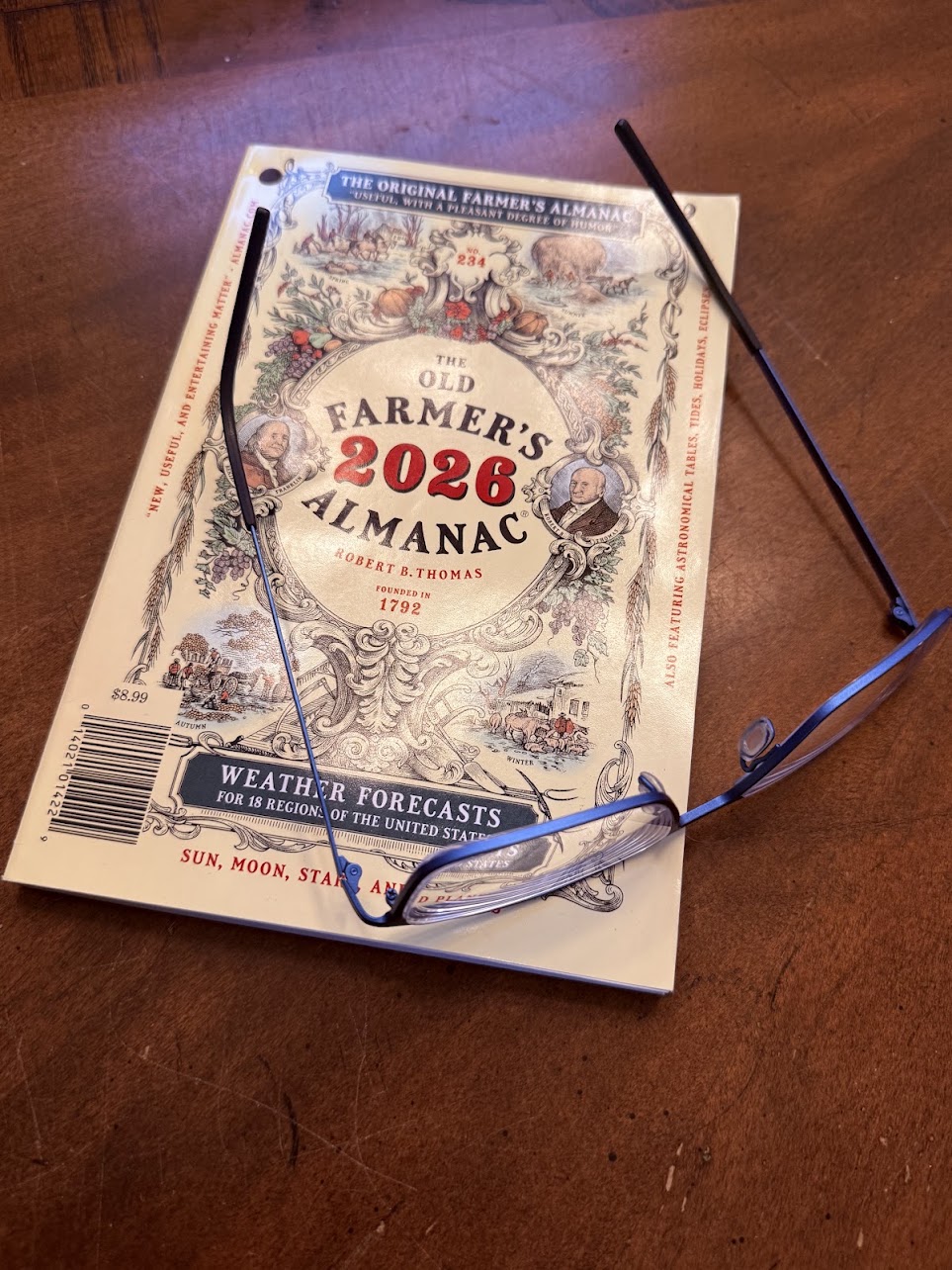
The 2026–2027 winter forecast for Colorado points to a highly variable season characterized by fast-moving storms, near-normal temperatures, and frequent mild spells rather than relentless, heavy snow [9News, Farmers' Almanac, FOX Weather]. According to the latest Farmers' Almanac and early meteorological outlooks, Denver and the central Rockies can expect a mix of brief, breezy snow events interrupted by dry breaks, largely driven by an El Niño pattern that favors the southern United States. Variable Snowfall: The Farmers' Almanac categorizes the region as "cold, snowy at times, and breezy," but weather experts anticipate quick bursts of precipitation over massive, prolonged blizzards [9News, Farmers' Almanac]. Frequent Milder Breaks: Snow accumulation will likely face frequent interruptions from mild, dry intervals, keeping overall seasonal temperatures close to historical averages [9News, Farmers' Almanac]. The El Niño Shift: A prevailing El Niño pattern is expected to guide the heaviest, most consistent winter systems across the southern tier of the U.S., steering the worst of the wet weather away from Colorado [FOX Weather]. The bird hunting forecasts for the West are looking mixed for 2026.
[French actress Brigitte Bardot was one of the best-known sex symbols of the 1950s and 1960s. PHOTO: Michel Bernanau (CC BY-SA 3.0) via Wikimedia Commons.] Sotogrande (Cádiz) is widely known as the capital of European polo. It features top-tier facilities like the Santa María Polo Club and private luxury estates like Polo Valley, drawing international elites, royals, and high-goal tournaments every August. If this is not your style, try the still chic but slightly shabby by comparison, the Deauville Polo Club in Normandy, France. In fairness, this historic seaside club hosts the famous Barrière Deauville Polo Cup and the prestigious Gold Cup (Coupe d’Or) every August, which draws everyone from the same crowds to play, spectate, or just be part of the lifestyle. Anyway, we were recently in Deauxville and couldn't help but think that Brigitte Bardot might have frequented the polo grounds there in her chic style, which if you look back on the photos of her, are all styles that have aged remarkably well and have spanned over 60 years. While she was not a polo player herself, Bardot was an avid equestrian and frequently mixed with high society during her peak fame in the 1960s and 1970s. She spent significant time in global jet-set hubs like Saint-Tropez and St. Moritz, both of which are deeply associated with elite polo culture. For instance, she attended high-profile social galas tied to the sport, such as a Polo Gala Dinner at Badrutt's Palace in St. Moritz. Additionally, the Polo Club Saint-Tropez regularly hosts major summer tournaments and parades in the very coastal town she famously transformed into a celebrity hotspot. Brigitte Bardot's deep, lifelong passion for horses evolved from a high-society equestrian hobby during
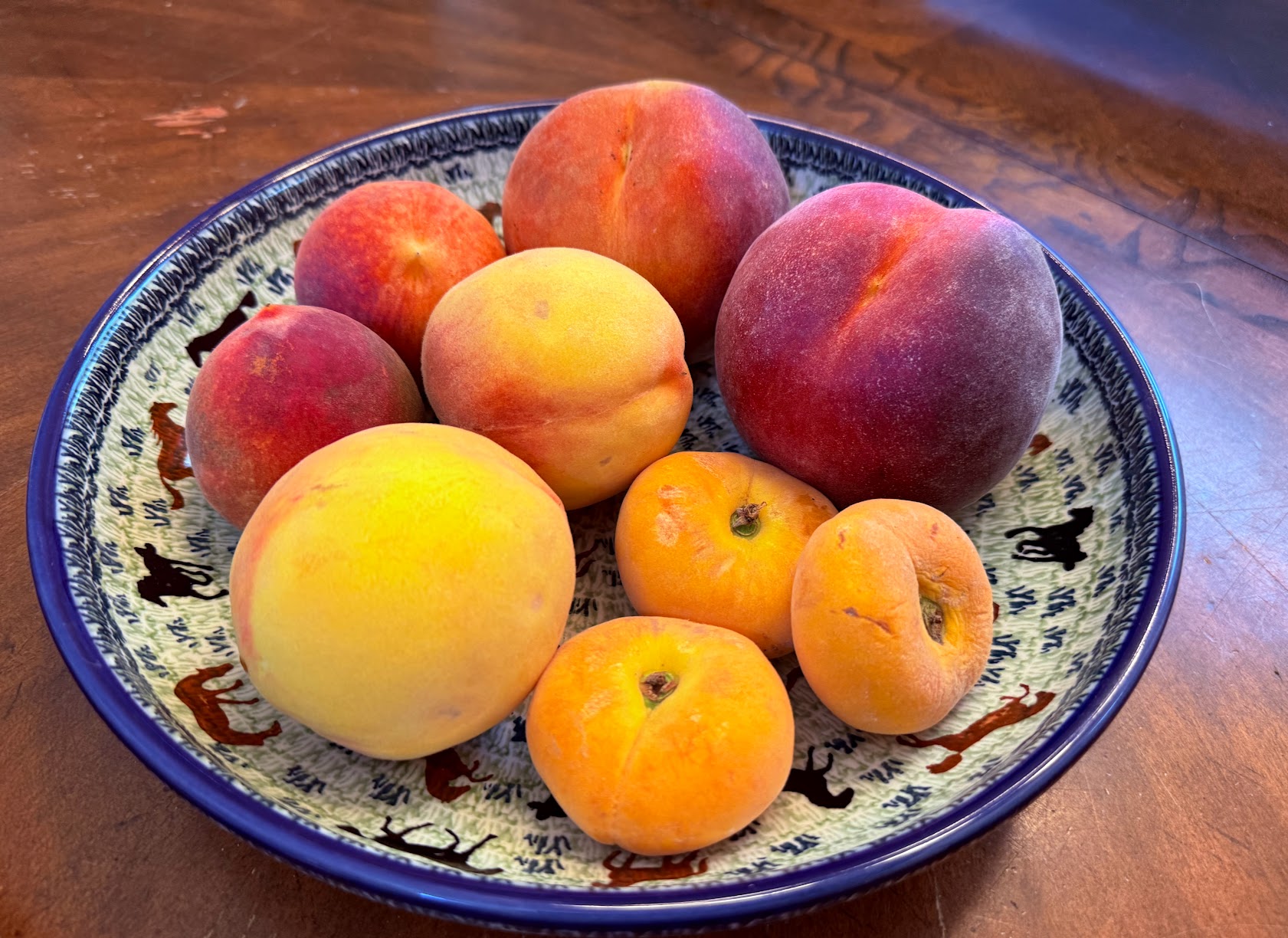
It's peach season here in Colorado and we found several varieties from Palisade, Colorado, this summer. And, we are lucky to have an outlet here in Denver where they have beautiful, hand-painted, heirloom Polish Pottery with horse scenes, direct from Poland.