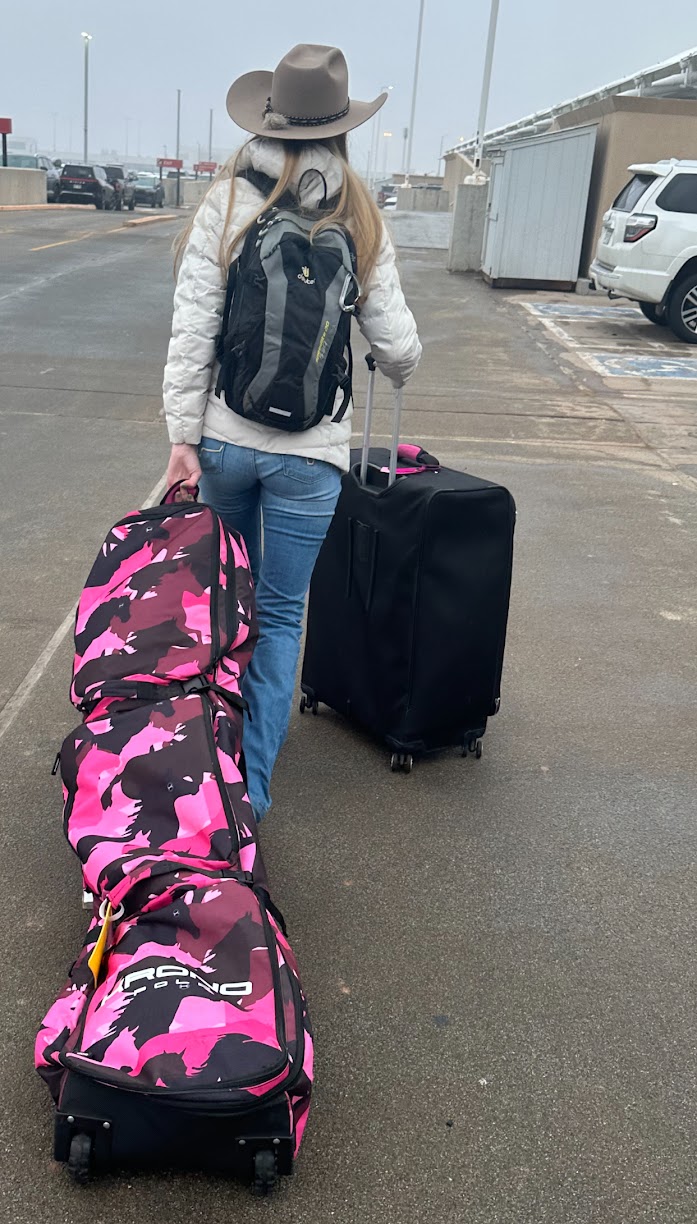
The Weight We Carry
My father-in-law once described life to me with a simple metaphor, “Life is like a backpack.”
You begin the journey with an empty pack. Then, little by little, you fill it. Some things are beautiful. Some are painful. Some carry more weight than others, the added cost of a new home, a family, the full catastrophe. There are memories, victories, disappointments, people you have loved, places you have been, mistakes you wish you could undo, and lessons you would never trade away. Over time, the backpack becomes a record of the life you have lived.
The problem is that we often forget we have a choice about what stays inside. We carry possessions we no longer need. We carry old grievances, limiting beliefs, expectations, fear, regret and, sometimes, relationships that have become more burden than blessing. We keep adding things to the pack without ever stopping to ask whether they are worth the weight.
Grief is different. Some things cannot simply be removed. Grief becomes part of the journey. Its weight may change, but the experience remains with us. Some days the backpack feels almost weightless. Other days, a familiar memory can make it feel impossibly heavy. Eventually, you learn that healing isn’t necessarily about putting the backpack down. It is learning how to carry it differently.
The same is true of life itself.
A seasoned traveler eventually learns that the freedom of a journey has less to do with what you can carry than with what you can leave behind. The less unnecessary weight you carry, the farther you can go. There is a certain wisdom in traveling light.
I’ve come to believe the same is true of getting older.
Life is never going to unfold exactly as we planned. Things fall apart. Plans change. Bodies change. People disappoint us. Sometimes the road takes a turn we never saw coming. The real work isn’t preventing those things from happening. We don’t get that luxury. The real work is learning how to remain steady when they do. I know something about that now too.
I came out of surgery physically diminished, weighing just 180 pounds. My body was weak, and for a while it felt as though much of what I had taken for granted had been taken away. But instead of accepting that as the beginning of decline, I decided it would be the beginning of reconstruction.
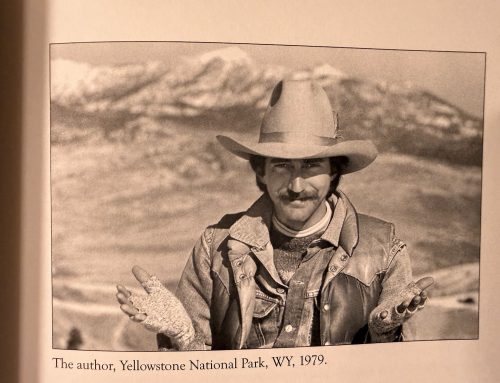
I wanted to rebuild my body. I wanted to rebuild my mind. And, perhaps most importantly, I wanted to see more of this enormous, beautiful world while I still had the opportunity. I set out with determination. Today, in my fifties, I am trying to get in the best physical condition of my life. Better, without question, than I was even as a young man climbing mountains for fun. I’m getting stronger, moving better, and I have a different appreciation for what the body is capable of when you treat it as something worth preserving.
Somewhere along the way, I began to suspect that I had stumbled onto something resembling the secret of longevity. It isn’t hidden in a miracle pill or waiting behind the door of a doctor’s office. It is much less glamorous than that. It is hidden in the ordinary decisions we make every day.
Your lifestyle changes everything.
I’ve learned to keep my distance from people who bring unnecessary negativity into my life. I’ve learned to recognize stress for what it is and eliminate it wherever I can. I’ve learned that movement isn’t something reserved for athletes or people trying to look good on a beach. Movement is one of the ways we remain alive.
Walk.
Lift something heavy.
Get your heart rate up.
Sweat.
Move with purpose.
Then recover.
There is something equally important about what happens inside the mind. Prayer. Meditation. Gratitude. Quiet. Time spent away from the endless noise that modern life seems determined to manufacture.
I’ve become more intentional about what I put into my body, too. Real food. Food that looks like it came from somewhere on this planet rather than from a laboratory designed by a committee. Fresh fruits and vegetables. Clean water. Less processed food. Little or no alcohol. Fresh watermelon, pomegranate and beetroot juice. A little pure cocoa. Local honey. Good espresso.
None of it is particularly exotic. That’s probably the point.
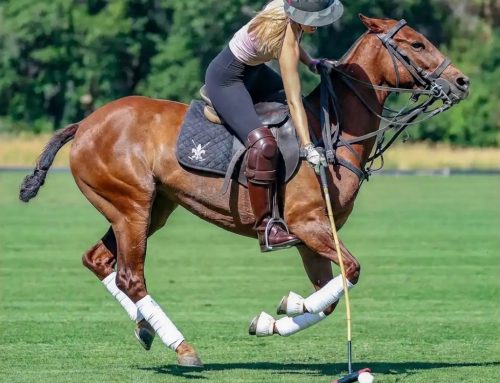
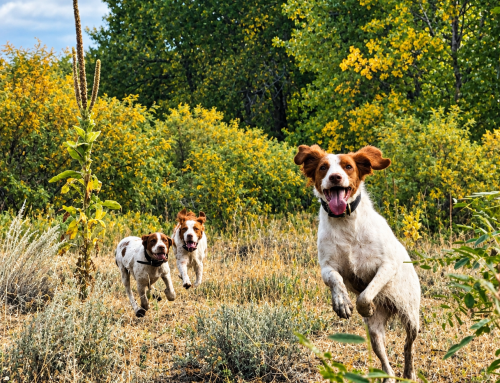
The same philosophy applies to how I spend my time. There are things that make life feel larger: adventures in travel and afield, training dogs and horses, climbing rocks, voraciously reading, photography, cooking, art, and learning something I’ve never learned before. Those are the things I want filling my days.
Not endless scrolling.
Not manufactured outrage.
Not television reruns of a life I’ve already lived.
The older I get, the more protective I become of my attention. Time is the one possession we cannot put back into the backpack once we’ve spent it.
So I’m trying to spend mine carefully.
I want to keep my mind alive. I want to learn something every day. I want to keep moving toward something rather than simply moving away from something. I want to experience the world instead of watching someone else’s version of it through a screen.
Perhaps that is what the backpack metaphor was really trying to teach me.
The goal isn’t to arrive at the end of life with the lightest backpack possible. A life without weight would probably be a life without much meaning. The goal is to know the difference between “weight worth carrying and weight worth releasing.”
Carry the memories.
Carry the lessons.
Carry the people you love.
Carry the scars, because they remind you that you survived.
But leave behind the resentment, the fear, the unnecessary possessions, the negative voices and the beliefs that tell you you’re too old, too tired or too late.
Make room for something new.
Because the journey isn’t over simply because you’ve been on the road for a long time.
In fact, some of the best parts may still be ahead.
Eventually you realize that peace has surprisingly little to do with the circumstances surrounding you. It comes from something much closer to home.
It comes from how you choose to carry your backpack.