
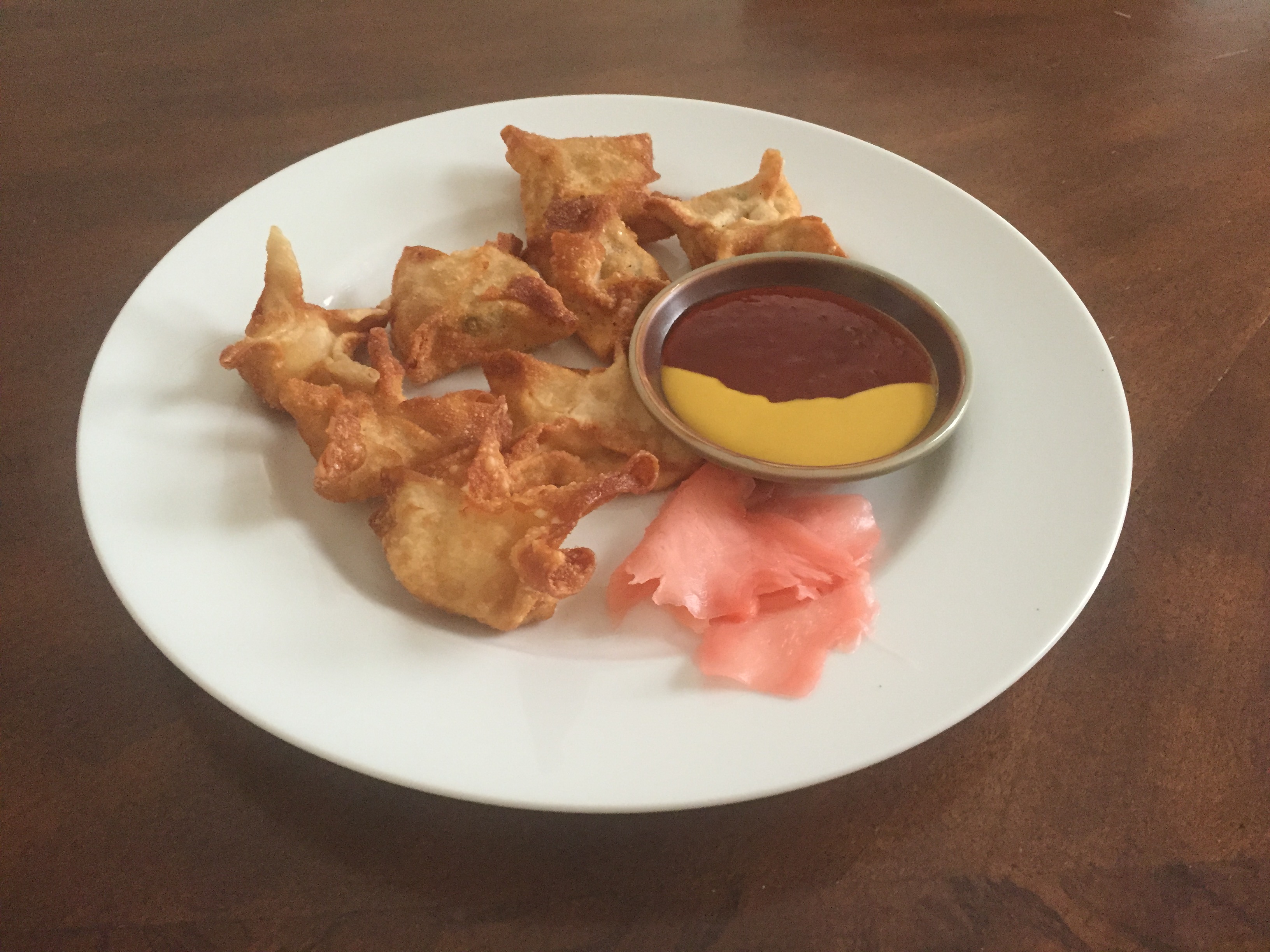
At the chateau, the kitchen speaks with a distinctly French accent—refined, seasonal, and rooted in tradition. Yet beyond that classical foundation lies a far more eclectic culinary identity, one shaped by travel, friendships, and a curiosity that rarely stays within borders for long. When the menu drifts from France, it doesn’t wander aimlessly; it moves with intention into a vibrant fusion of Asian, Caribbean, and Islander influences, creating a table that feels both worldly and deeply personal.
Asian cuisine, in particular, holds a place of honor. It is the natural counterpoint to French technique—bold where French is restrained, layered where French is precise. And here in Colorado, that global sensibility expands further, shaped by the region itself. New Mexican heat, Tex-Mex comfort, and even Argentine traditions—borrowed in part from polo-playing friends—find their way into the repertoire, each adding dimension to an already expansive culinary palette.
Sourcing ingredients becomes its own ritual. In Denver, three markets anchor this pursuit, each offering something distinct. The quietly curated aisles of Pacific Mercantile Company in Sakura Square provide a Japanese sensibility—precise, thoughtful, and steeped in tradition. Great Wall Supermarket offers the breadth and diversity of Chinese cooking, while H Mart, the largest of the three, delivers the robust, deeply flavored pantry of Korea.
Within these spaces, preferences are formed with the discernment of a sommelier. Soy sauce alone becomes a study in nuance. Among the many varieties, those crafted by Ohsawa—notably sourced from Yamaki Jozo—stand out for their depth and balance, rivaled only by long-aged artisanal brews. In more accessible settings, Kikkoman’s organic offering holds its own with quiet reliability. Miso follows a similar hierarchy, with Yamaki’s production again setting a high bar for complexity and authenticity.
Even salt carries a sense of place. A Japanese fleur de sel, harvested by a fisherman in Wajima, offers a delicate minerality that elevates the simplest preparations. True hon mirin—subtly sweet and fermented with care—becomes indispensable, as does the exceptional brown rice cultivated by Massa Organics. For rice itself, few names inspire as much loyalty or debate as Koda Farms, whose grains are prized for their texture and heritage.
Japanese cuisine, in this setting, often begins not with a main course but with tsumami—small, intentional bites designed to awaken the palate. These are paired, naturally, with umeshu, the delicate cordial often mislabeled as “plum wine,” though its origins lie in tart apricot-like fruit. It is a drink that captures the spirit of the cuisine itself: subtle, balanced, and quietly complex.
The Korean pantry, meanwhile, is always within reach, stocked with essentials that bring both heat and depth: gochugaru for its smoky spice, fermented soybean pastes like doenjang, the umami-rich intensity of saeujeot, and the unmistakable punch of gochujang. Together, they form a foundation for dishes that are bold, communal, and deeply satisfying.
And then there are the outliers—the dishes that resist refinement because they are already perfect in their original form. Hawaiian macaroni salad is one such example: humble, nostalgic, and complete. In a kitchen that so often seeks to elevate and reinterpret, it stands as a reminder that sometimes, the highest expression of a dish is simply to honor it as it is.
In the end, the cuisine of the chateau is less about geography and more about sensibility. It is a conversation between cultures, ingredients, and experiences—anchored in French discipline, yet enriched by a world of flavor that extends far beyond it.
Then there are some recipes like Hawaiian Mac Salad, that you can’t really do any better with any variations on, as they are already perfected.
- Anise Short Ribs
- Bammy
- Banh Mi Sandwich
- BBQ Sauce Kicked Up with Gochujang
- Beef or Chicken Satay
- Bento Boxes
- Bibimbap
- Black Bean Shrimp
- Bo Ssam from Momofuku
- Bulgogi
- Busan Beef Ribs
- Carla Hall’s Callaloo Collard Greens
- Chewing Betel Nut with Uncle Chris
- Chicken Lollipops with Jamaican Pepper Sauce
- Chicken Tatsuta Age
- Chicken Tikka Masala
- Chinese Hot Pot
- Classic Chicken Yakitori
- Coconut Curry Carmel Corn
- Coconut Rice Pudding
- Cowboy Caviar Island Style
- Crispy Fried Tofu
- Dashi stock
- Denver Mu Shu
- Duck Bulgogi
- Egg Rolls (Crab and Asparagus)
- Festival (Jamaican Fried Dough)
- Fiddlehead Ferns
- Filipino Pancit Noodles
- Fried Rattlesnake – Asian Style
- Galbi Jjim (Beef Short Ribs)
- Garlic Bok Choi
- Ginseng Chicken Soup
- Green Beans with Sesame Sauce
- Green Curry Pheasant
- Green Sriracha Sauce
- Grilled Lemongrass Beef Skewers
- Gyodon-Japanese Beef
- Hawaii Stuff to Try
- Hawaiian Baked Spare Ribs
- Hawaiian Chili Pepper Water
- Hawaiian Fish Tacos
- Honey Roasted Duck Legs
- Hong Kong Banana Bread
- Hong Kong Beef Jerky
- Hong Kong Noodles
- Ital Stew
- Jamaica-Colorado Green Chile Stew
- Jamaican Ginger Hot Sauce
- Jamaican Patty
- Jamaican Rice and Peas
- Japanese Ground Beef Curry
- Jerk Chicken
- Jjajangmyeon (Korean Black Bean Noodles)
- Jumbo Shrimp with Sugar Cane Logs and Mango Sauce
- Kalbi (Korean Short Ribs)
- Kalua Pork
- Karage Japanese Fried Chicken
- Kava
- Kimchis
- Kitsune Udon
- Kocheejung (Korean BBQ Sauce)
- Korean Bean Sprout Salad
- Korean Green Onion Salad
- Korean Hwe Bowls
- Korean Salad and Dressing
- Korean Seafood Hot Pot
- Korean-Style Braised-Short-Rib Stew
- Lamb Satay
- Loco Moco
- Lumpia with Thai Sweet Chile Sauce
- Midnight Diner Recipes
- Miso Soup
- Mochiko Chicken
- New Style Sashimi
- Oxtails Caribbean Style
- PF Chang’s Copy Cat Lettuce Wraps
- Pho for Dem Hos
- Pho Ga
- Purple Sweet Potato Wraps
- Ramen
- Real Ramen Soup
- Rice
- Seared and Peppered Tuna
- Singapore Street Noodles
- Smoked Pheasant and Black Truffle Wontons
- Soba Noodles
- Spam Musubi and Spam Fried Rice
- Spring Roll Super Bowl
- Sushi
- Sweet Potato Sheet Pan Dinner
- Tea and Pottery
- Tempura
- Thai Beef Salad
- Vietnamese Spring Rolls with Peanut Sauce
- Wontons
- Yakisoba
- Anise Short Ribs
- Bammy
- Banh Mi Sandwich
- BBQ Sauce Kicked Up with Gochujang
- Beef or Chicken Satay
- Bento Boxes
- Bibimbap
- Black Bean Shrimp
- Bo Ssam from Momofuku
- Bulgogi
- Busan Beef Ribs
- Carla Hall’s Callaloo Collard Greens
- Chewing Betel Nut with Uncle Chris
- Chicken Lollipops with Jamaican Pepper Sauce
- Chicken Tatsuta Age
- Chicken Tikka Masala
- Chinese Hot Pot
- Classic Chicken Yakitori
- Coconut Curry Carmel Corn
- Coconut Rice Pudding
- Cowboy Caviar Island Style
- Crispy Fried Tofu
- Dashi stock
- Denver Mu Shu
- Duck Bulgogi
- Egg Rolls (Crab and Asparagus)
- Festival (Jamaican Fried Dough)
- Fiddlehead Ferns
- Filipino Pancit Noodles
- Fried Rattlesnake – Asian Style
- Galbi Jjim (Beef Short Ribs)
- Garlic Bok Choi
- Ginseng Chicken Soup
- Green Beans with Sesame Sauce
- Green Curry Pheasant
- Green Sriracha Sauce
- Grilled Lemongrass Beef Skewers
- Gyodon-Japanese Beef
- Hawaii Stuff to Try
- Hawaiian Baked Spare Ribs
- Hawaiian Chili Pepper Water
- Hawaiian Fish Tacos
- Honey Roasted Duck Legs
- Hong Kong Banana Bread
- Hong Kong Beef Jerky
- Hong Kong Noodles
- Ital Stew
- Jamaica-Colorado Green Chile Stew
- Jamaican Ginger Hot Sauce
- Jamaican Patty
- Jamaican Rice and Peas
- Japanese Ground Beef Curry
- Jerk Chicken
- Jjajangmyeon (Korean Black Bean Noodles)
- Jumbo Shrimp with Sugar Cane Logs and Mango Sauce
- Kalbi (Korean Short Ribs)
- Kalua Pork
- Karage Japanese Fried Chicken
- Kava
- Kimchis
- Kitsune Udon
- Kocheejung (Korean BBQ Sauce)
- Korean Bean Sprout Salad
- Korean Green Onion Salad
- Korean Hwe Bowls
- Korean Salad and Dressing
- Korean Seafood Hot Pot
- Korean-Style Braised-Short-Rib Stew
- Lamb Satay
- Loco Moco
- Lumpia with Thai Sweet Chile Sauce
- Midnight Diner Recipes
- Miso Soup
- Mochiko Chicken
- New Style Sashimi
- Oxtails Caribbean Style
- PF Chang’s Copy Cat Lettuce Wraps
- Pho for Dem Hos
- Pho Ga
- Purple Sweet Potato Wraps
- Ramen
- Real Ramen Soup
- Rice
- Seared and Peppered Tuna
- Singapore Street Noodles
- Smoked Pheasant and Black Truffle Wontons
- Soba Noodles
- Spam Musubi and Spam Fried Rice
- Spring Roll Super Bowl
- Sushi
- Sweet Potato Sheet Pan Dinner
- Tea and Pottery
- Tempura
- Thai Beef Salad
- Vietnamese Spring Rolls with Peanut Sauce
- Wontons
- Yakisoba
Leave A Comment
You must be logged in to post a comment.