Swedish Death Cleaning-A New Way of Tidying Up
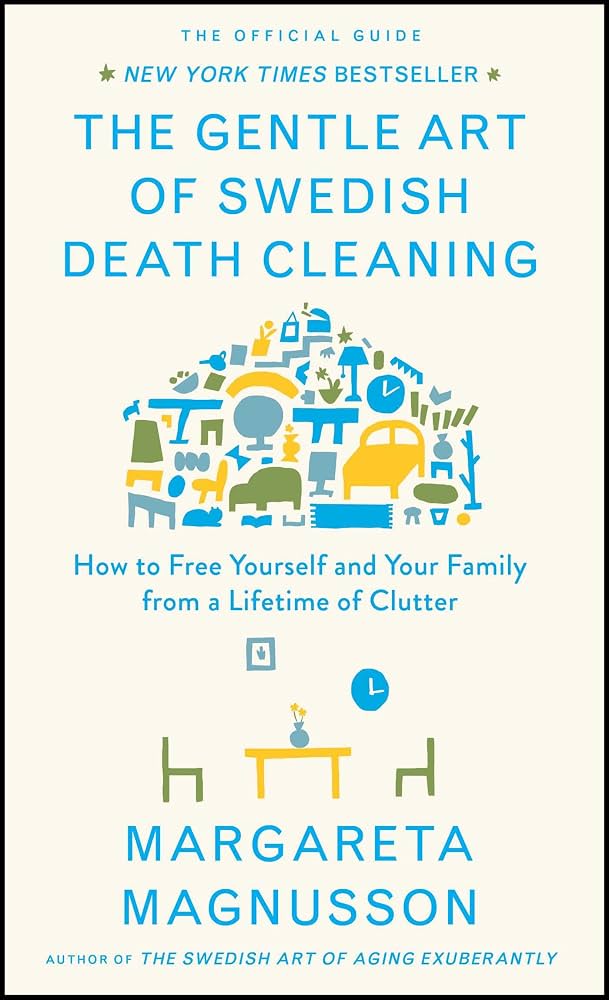
There's a moment in most people's lives when a parent, a grandparent, or a beloved aunt passes away, and the family is left standing in a house full of things. Decades of birthday cards. Mismatched china. A drawer of cables for devices no one remembers owning. Someone has to decide what happens to all of it, usually while still raw with grief, usually in a hurry, usually feeling like every choice is a small betrayal. The Swedes have a word for the practice designed to prevent exactly this: döstädning. Literally, "death cleaning." It sounds bleak. It isn't. It might be one of the warmest ideas to come out of minimalism culture in years. Not About Dying — About Living Well The catch phrase entered the global conversation in 2017 with Margareta Magnusson's slim, wise little book, The Gentle Art of Swedish Death Cleaning. Magnusson, who described herself as somewhere between 80 and 100, wrote with the dry humor of someone who has moved house many times and buried more than one spouse. Her thesis was simple: don't leave your mess for someone else to clean up. This came on the heels of Tidying Up, another minimalist concept. But peel back the memento-mori branding and what you find with Magnusson's book is really a philosophy about presence. Death cleaning isn't a morbid countdown. It's a way of asking, continuously: does this object still deserve a place in my life? Swedish death cleaning treats your belongings the way a good editor treats a manuscript — not everything that was once worth keeping is worth keeping forever. How It Actually Works Unlike the ruthless, weekend-blitz energy of some decluttering trends, döstädning is unhurried by design. Here's the