Kit Kat
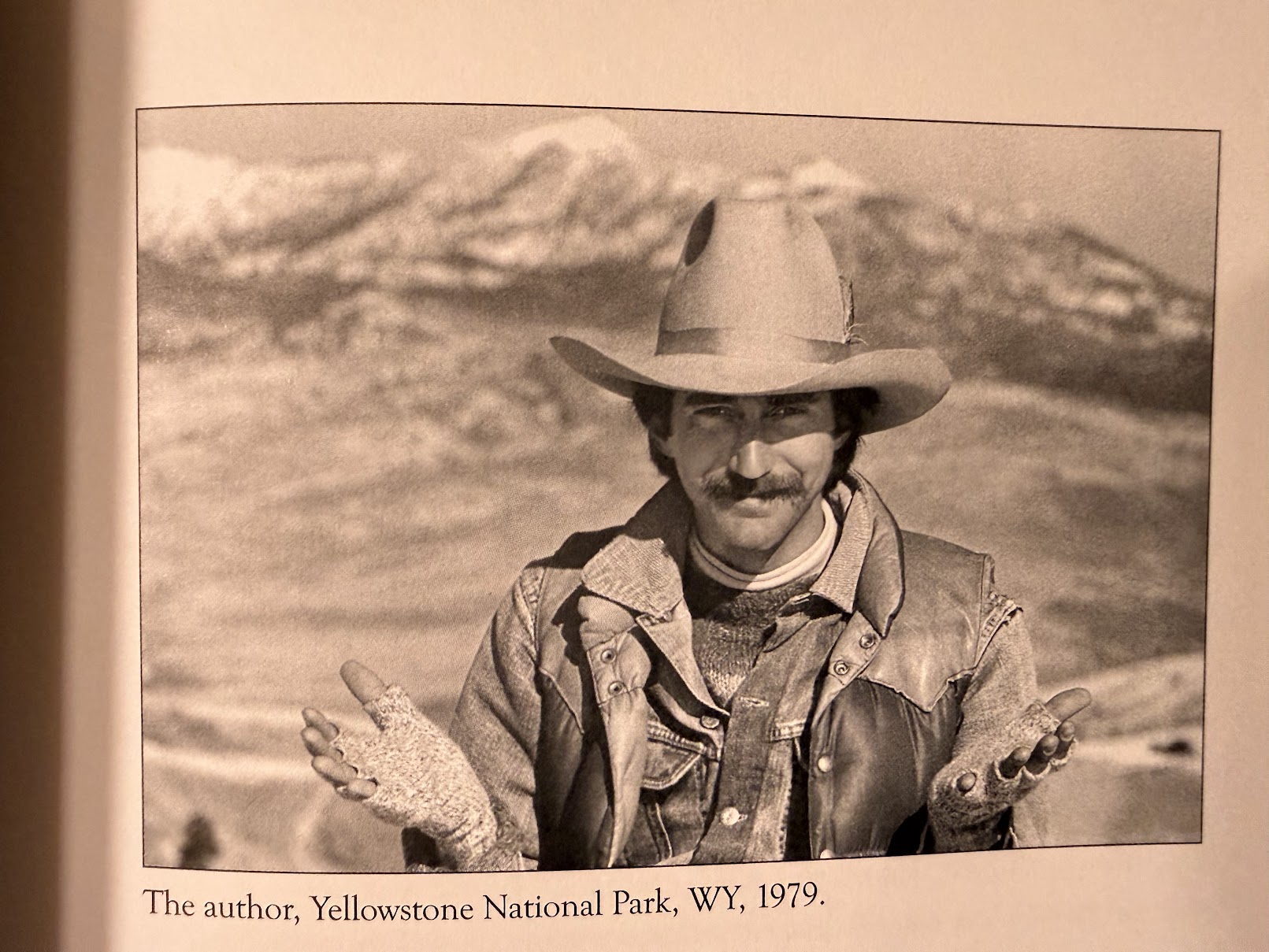
No Do-Overs in Paradise: Journeys Through Wild Places and Inner Landscapes is a book by photographer Stephen Collector, with an introduction by Terry McDonell, 2026. Here are some of my favorite lessons learned from the book and from Collector in general. Telling of an old fisherman taking his last trip to Alaska by himself, “I was stunned to see the gregarious mask he'd worn during dinner at the lodge the previous night fall from his face. I knew all too well how he felt. As he boarded the jon boat, he smiled weakly and reluctantly waved goodbye. If the reason for my lifelong obsession with fishing then so be it. If it was from a paternal void left by my father, I'd learned from my father's omission. It wasn't important anymore. My son's generous gift had gotten me to Alaska, and Pop, though he'd never know it, had picked up the tab.” The endless horizon of the prairie in winter furnishes a refuge for me. On the lonely dirt roads that stitch Colorado and Nebraska together, I have carried a camera and a shotgun, hunting something neither could recapture What was once a vast sea of grass, teaming with wildlife, is now a mono culture of agribusiness. Westward expansion and farm-filled livelihoods have reshaped the prairie. Derelict homesteads display the history of the family farm, etched on the land like a scene from The Grapes of Wrath. The fields were ablaze with orange. Dan Lahren, a former bird-hunting guide in Montana, firmly believed that upland birds differentiate color and that blaze orange alarmed them. It's widely known that bird hunting is a walking proposition. It's simple. The more weary miles you cover, the higher
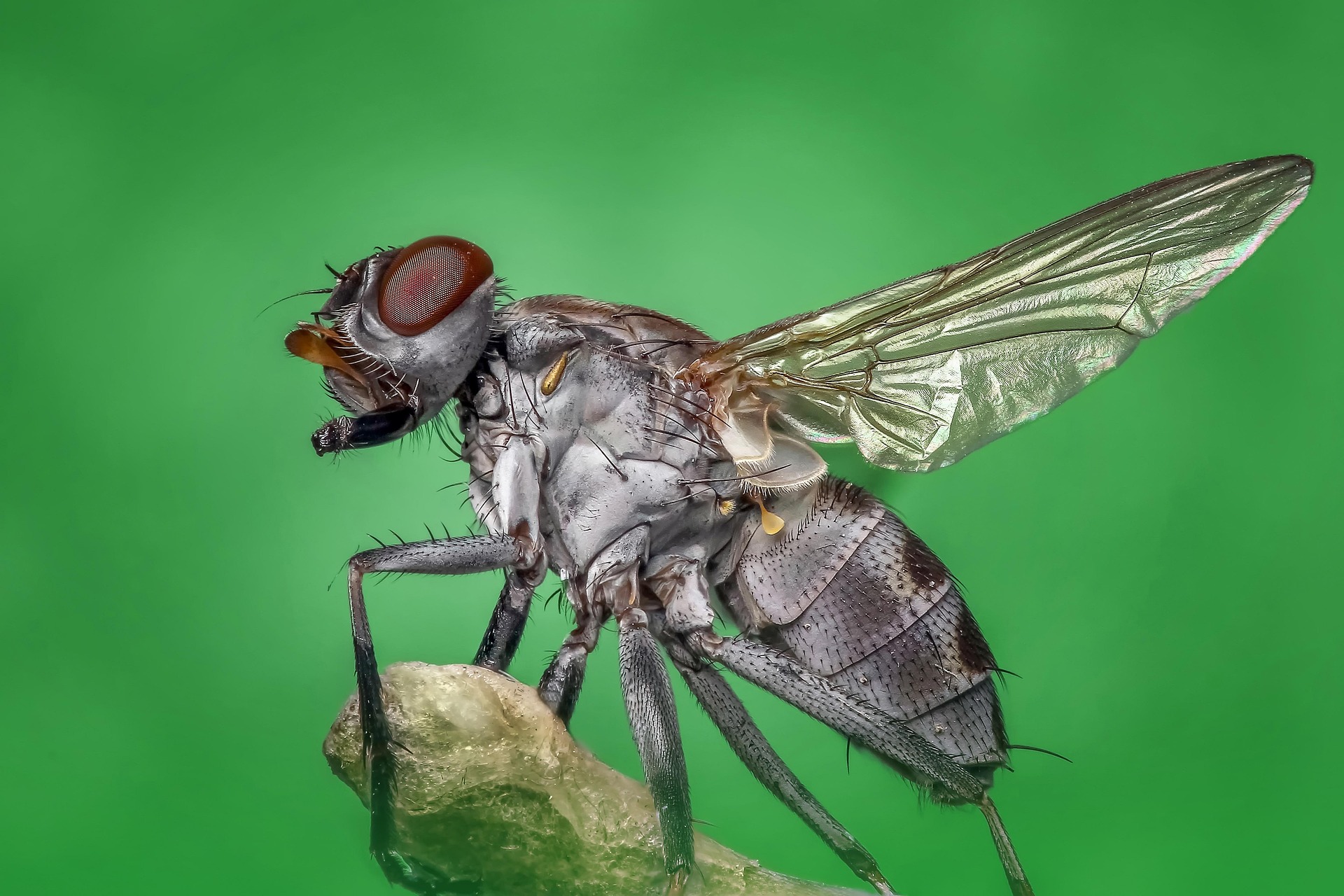
We love Pyranha fly spray. However a gallon jug is now almost $100 with tax. We recently got turned on to Pyranha Zero-Bite Active Formulation, which is a natural alternative. I was very skeptical, having tried every fly spray out there at one time or another. Yes, it works. No it doesn't last as long, probably because it doesn't have oil to bind as well to the horse's coat. However, it works well enough, it smells great, and it is non-toxic. A polo professional friend of ours uses homemade fly spray, and it's natural. While the exact commercial manufacturing process for Pyranha's natural formula is proprietary, you can easily replicate the active formula or use a popular equestrian "dupe" recipe. If you want to match the bottle's active ingredient ratios exactly for a 32 oz batch, the breakdowns based on the Pyranha Zero-Bite label are: Geraniol: 1.00% to 2.00% (Approx. 6 to 12 tsp) Sodium Lauryl Sulfate (SLS): 3.84% (Approx. 2.5 Tbsp — acts as the soap surfactant/emulsifier) OR SUBSTITUTE DAWN OR IVORY DISH SOAP LIQUID Clove Oil: 0.50% (Approx. 3 tsp) Peppermint Oil: 0.25% (Approx. 1.5 tsp) Water Base: >90% (Fill the rest of the bottle)
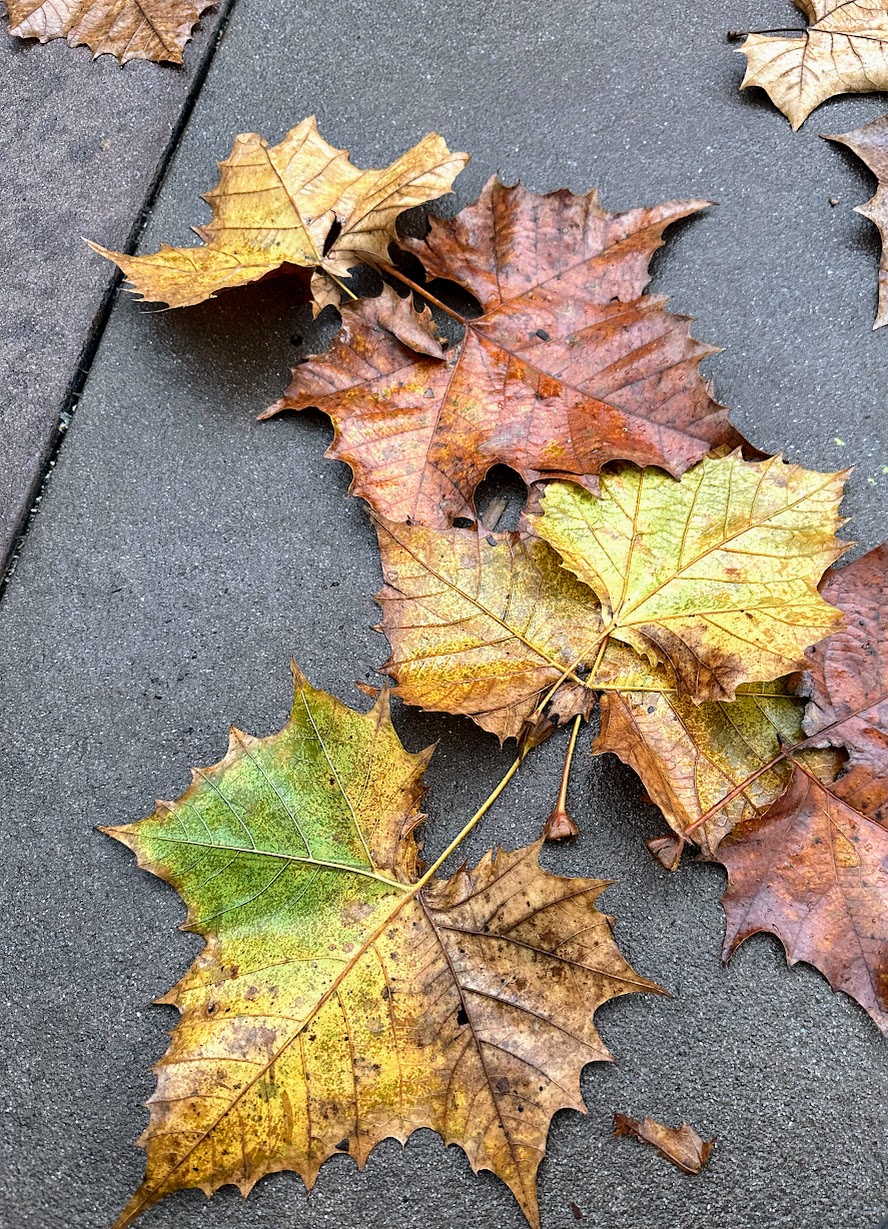
Fall is our favorite season with the crisp autumn air, the changing of leaves, and the days afield, which are all to be savored this time of year. Colorado and Montana have the perfect four seasons, the perfect combinations of terrain in which to enjoy it all, and fall is the best season in which to take it all in. John Muir said it best, "Climb the mountains and get their good tidings. Nature's peace will flow into you as sunshine flows into trees. The winds will blow their own freshness into you, and the storms their energy, while cares will drop off like autumn leaves." As fall fully sets in and winter approaches, we head further east to the plains, where whitetailed deer, pheasants and turkeys are plentiful. But for now, we savor the height of fall in the Rocky Mountains, as we bask in the warm autumn glows and turn our attention to cold mountain streams, the grouse of the high country, and Opening Day of the foxhunt.
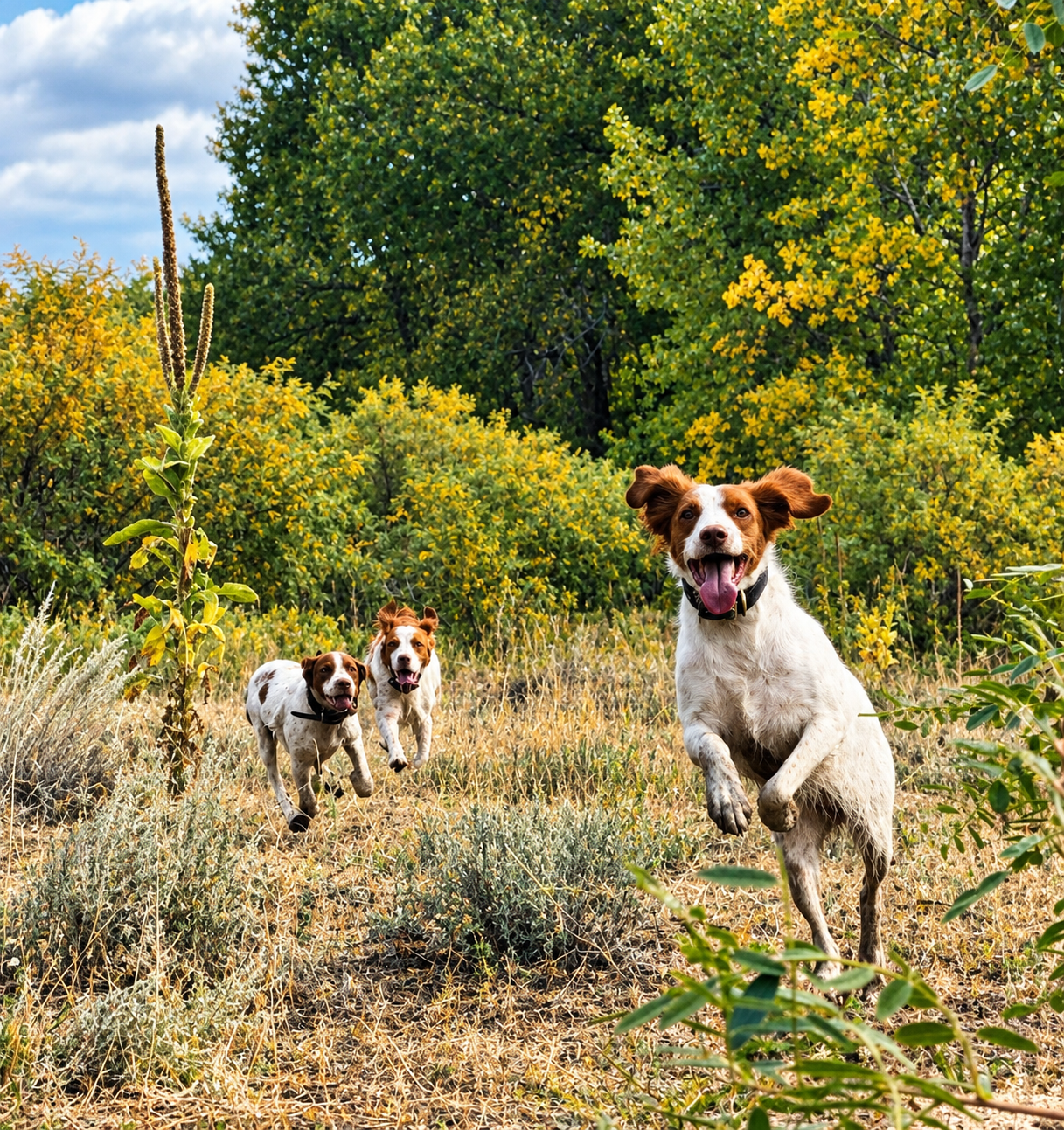
Not AI. Here is the sharpened and retouched photo of Bounce, with Deuce and Zoe in hot pursuit. And here is the original. It was a great shot, but I wish I had been closer to the dogs, as the image became a bit grainy when I cropped in a lot to better showcase the dogs in flight.
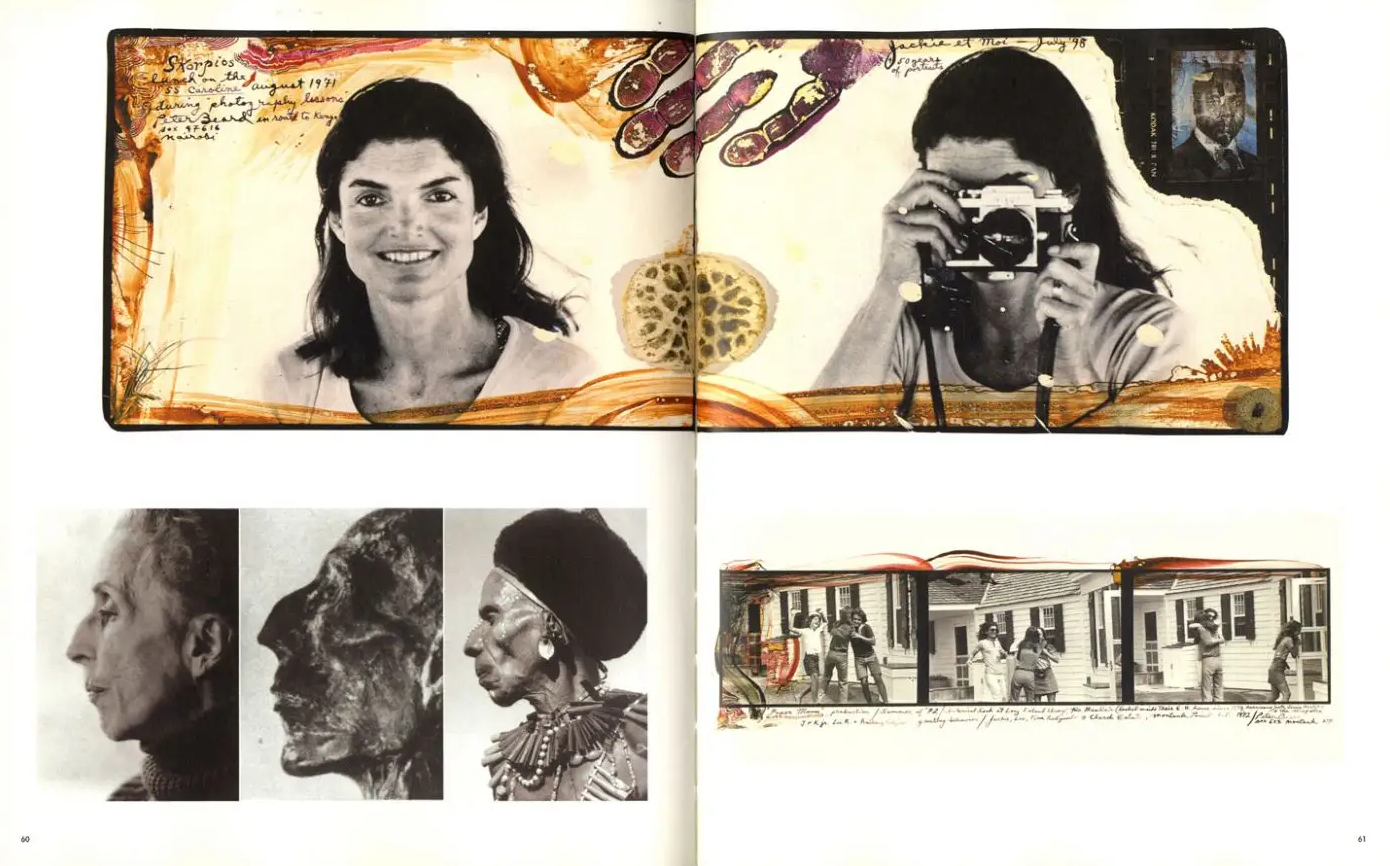
An artist who goes around proclaiming that the art he's making is art is probably making a serious mistake. And that's one mistake I try not to make. — Peter Beard I recently got a copy of Peter Beard : fifty years of portraits / curated by Peter T. Tunney by Beard, Peter H. (Peter Hill), 1938-2020. The whole feeling of his work—photography, handwritten journals, wildlife, travel, found objects, stains, torn paper, memory, sex, danger, and a slightly decadent African-adventurer sensibility---is stirring, an awakening you might say. Trippy is another word that comes to mind. This inspired me to read everything I can find about Beard and to study his photographs more closely. Peter Beard (1938–2020) was a legendary American photographer, artist, and diarist known for his visceral, mixed-media approach to photography. Blending the lines between documentary journalism, fine art, and personal scrapbooking, Beard became famous for chronicling a vanishing Africa, bridging the gap between high-fashion New York culture and the raw realities of environmental collapse. Beard rarely presented a photograph as just a standalone print. He heavily embellished his images with handwritten text, intricate ink drawings of insects or animals, newspaper clippings, and physical artifacts. Something we would probably generalize as "collage" nowadays, but it is much deeper than that. For instance, to emphasize the primal nature of life, death, and survival, he frequently used animal blood (and occasionally his own) to paint directly onto the borders and surfaces of his photographs. Beard viewed his entire life as a singular, continuous artwork. His massive personal journals combined daily travel itineraries with contacts, photos of famous figures, dried leaves, and footprints. Beard's lifelong romance with Africa began after traveling to Kenya in the early 1960s. He
Let me start with a confession: I’m not a “tactard.” No, that word has nothing to do with tack for your horse, it's an abbreviation of tactical and, well, you can guess the rest. I shoot a lot, our friends often teach (or have written the books on) cool-guy firearms training classes, and we can run black guns with the best of them. But you won’t find me wandering around in a plate carrier vest or whatever the current equivalent of 5.11 pants happens to be. At this point in my life I’m simply too old to play dress-up, like the bougie hipsters at the range or in the uplands who are taking selfies before they even finish slamming the truck door. Both have a way of pissing you off before you even get started. That doesn’t mean I dismiss tactical gear. In fact, some of it is remarkably well suited to the way that I spend my time outdoors. I just have little interest in wearing something that makes me look like I’ve been issued a radio and a mission. I spend a lot of time in the field, although I’m usually not talking about packing into the true backcountry for days at a time, at least not anymore. When I’m moving through the woods on foot, for a day trip, I want to carry the essentials without turning myself into a walking gear closet: your favorite piece of iron to spray some lead or a stick to waive in the river, a few basic tools like a leatherman, a decent light, maybe some boots for the dogs, some water, and, preferably, something to eat. I like snacks. What constitutes “essential” changes considerably
Leave your ghosts in the dust and they will only learn to chase you. True freedom isn't found in the distance you run, but in the peace you make when you finally turn around. We can be our own worst enemies sometimes when we dwell in the past about people in our lives that we wish were different, things we wish hadn’t happened, things we regret, or wish we had done differently. But nothing in your past dictates what can happen next in your life - unless you allow it to with your thoughts about the past. What happens next in your life depends on what you are thinking right now. Your tomorrow, your week ahead, this month, and this year, is all in your hands right now. Isn’t that a relief? No matter what has happened before now, this moment you have the power to make every day of your life from here better! Make your amazingly powerful thoughts positive, make your thoughts about what you want your life to be - and that’s all you have to do.
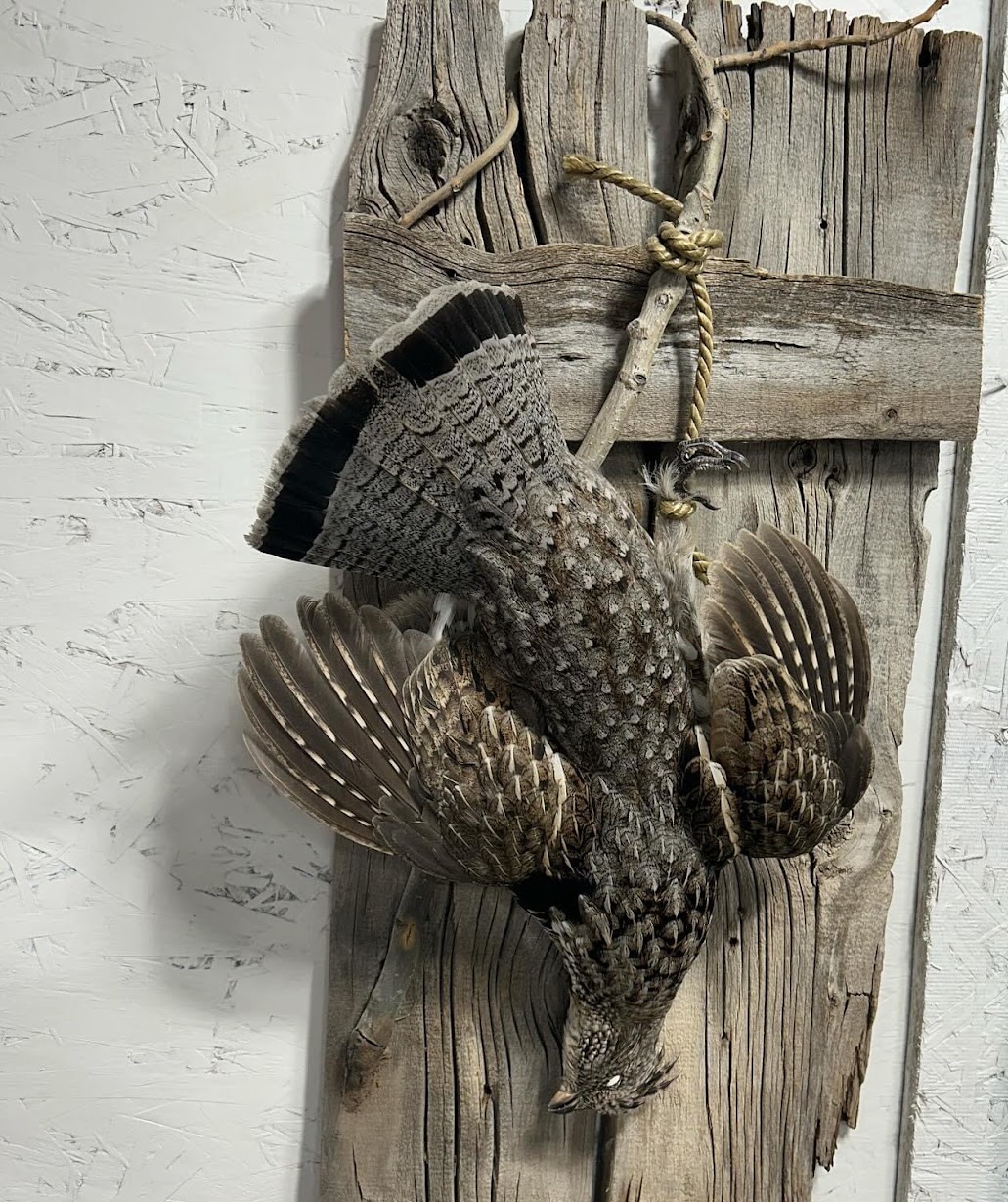
My buddy Andy recently had a blue grouse mounted by Rocky Mountain Bird Works (Formally Fin 'n' Feather Taxidermy), which is a full time bird taxidermy studio. It’s one of the best designs I have seen. Next time I have a bird mounted, I’ll be calling them. 3530 W 3800 S, Rexburg, ID, 83440 (208) 270-2990 I used to use Don Bowman for birds, who did many of the taxidermy at the Denver Museum of Natural History and the like. He is widely regarded as one of the top taxidermists in North America, but has since retired. He was also a huge collector of insect mounts and had nearly everything imaginable in his collection. I have always wanted to have a mount done like this one below as well, but I don't really have room anywhere to display it.
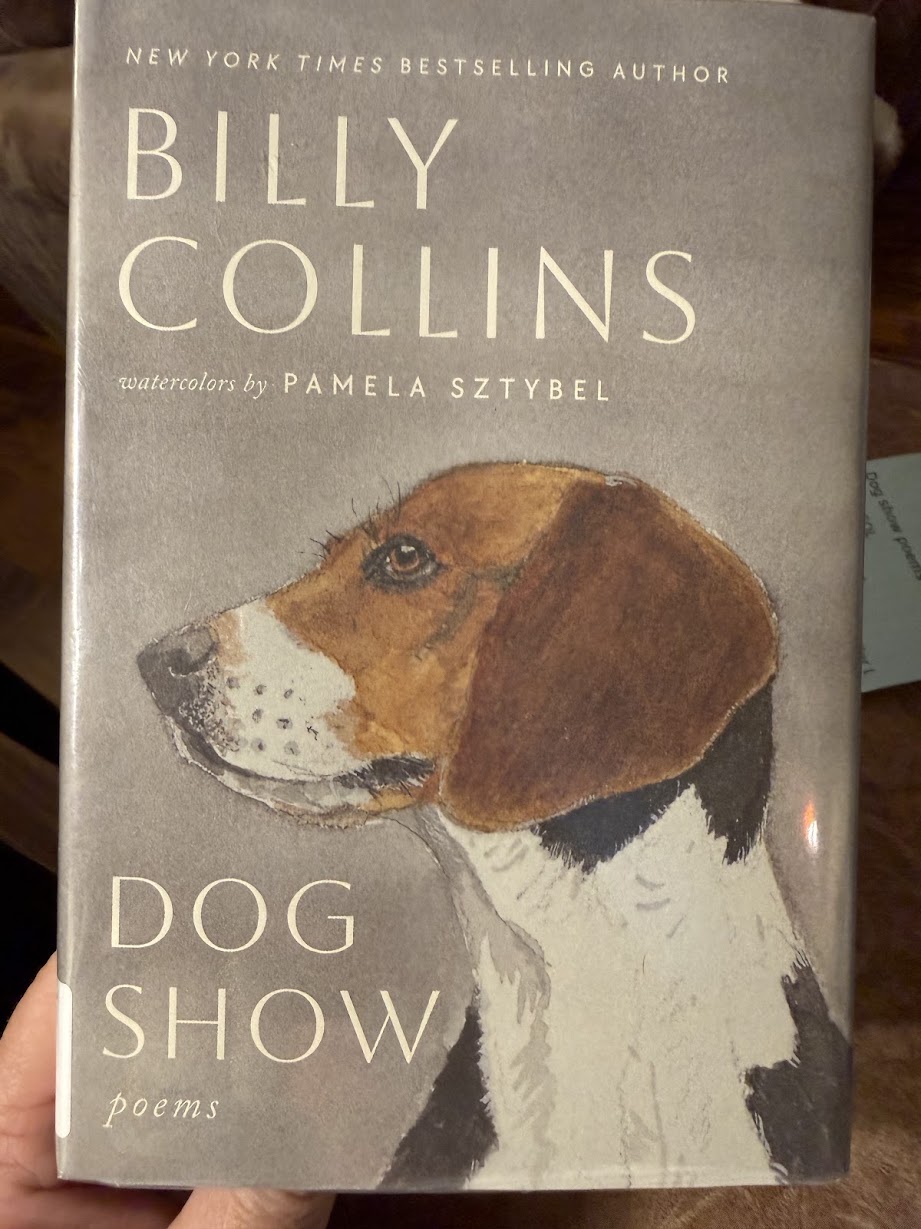
DHARMA The way the dog trots out the front door every morning without a hat or an umbrella, without any money or the keys to her dog house never fails to fill the saucer of my heart with milky admiration. Who provides a finer example of a life without encumbrance- Thoreau in his curtainless hut with a single plate, a single spoon? Gandhi with his staff and his wire spectacles? Off she goes into the material world with nothing but her brown coat and her modest blue collar, following only her wet nose, the twin portals of her steady breathing, followed only by the plume of her tail. If only she did not shove the cat aside every morning and eat all his food what a model of self-containment she would be, what a paragon of earthly detachment. If only she were not so eager for a rub behind the ears, so acrobatic in her welcomes, if only I were not her god.