Hemingway On Writing, the Viability of Surviving as a Novelist and Style
As a lawyer, I have often admired and tried to replicate Ernest Hemingway’s minimalist, “Iceberg Theory” style of prose. In fact, as a law clerk, I was asked by a senior partner who was reading a brief I drafted, “So what do you read for fun?” I said something along the lines of my usual plethora of nonfiction, get rich quick, self help, religion, philosophy, etc., as I read several books a week voraciously. I was told, “read Hemingway, you could learn to write from him,” as the senior partner was alluding to his flat, sparse prose style, and comparing it to my new-found willingness to wield words after graduating law school. Sports-writing in the tradition of Ernest Hemingway favors stoicism, outdoor pursuits like fishing and hunting, and themes of man confronting nature. What is more interesting is the books that Papa recommended himself to young writers.
Notable literary successors who mastered this craft include Norman Maclean, Hunter S. Thompson, and George Plimpton. Norman Maclean, Author of A River Runs Through It, a masterpiece that elevates fly-fishing into a profound meditation on grace, family, and the natural world. His sparse, lyrical style is frequently compared to Hemingway’s. Hunter S. Thompson: Known for his Gonzo journalism, Thompson actually began and ended his career as a sportswriter. He covered everything from the Kentucky Derby to the Super Bowl for ESPN, utilizing sports to critique American culture and famously typing Hemingway’s prose as a tribute.
In today’s day and age of AI writing everything for people and soon about to “do everything for people” such as tasks from babysitting to dishes, having creativity, originality and something unique to say is becoming increasingly uncommon. “AI is a good summer intern, not a good author,” as I have come to say around the law firm.
Perhaps this is why I have also developed a fondness for these authors as well. But in this century, novel authors—on average—make significantly less today from book sales alone than they did in the 1950s and 1980s. When adjusted for inflation, traditional publishing advances, mid-list book sales, and overall median author incomes have experienced drastic declines over the decades. In the 1950s, publishing relied heavily on hardcover sales and magazine syndication. There were far fewer entertainment options, and dedicated readers primarily purchased new copies, so authors were treated to advances, significant royalties, and longer shelf lives.
Speaking of waning, Hunter Thompson is an interesting character that I met in my Denver University days. No, he and Hemingway were not friends. In fact, they never met. Yes, Hunter Thompson had a whiskey in his hand the entire time I was with him for some two hours and his cigarettes rarely went out. This was quit the thing, as the building had a no alcohol and no smoking policy. The chancellor at the time, Dan Richie, gave a personal exemption to those rules to Hunter Thompson, who it turns out was never invited back again, as he was lewd, drunk and not very entertaining. But, Hunter S. Thompson was a massive Hemingway fan who modeled his early writing after Hemingway. In 1964—three years after Hemingway died—a young Thompson traveled to Hemingway’s home in Ketchum, Idaho, on a reporting assignment for the National Observer to investigate the writer’s suicide. While there, Thompson ended up swiping a pair of trophy elk antlers from Hemingway’s front porch. He kept the stolen antlers in his Woody Creek, Colorado, garage for more than 50 years before his widow returned them to the Hemingway family in 2016.
The American literary and sporting tradition has been richly shaped by a cadre of acclaimed writers who celebrate the rugged intersection of the natural world and human experience. Our personal all-time favorite, Jim Fergus (who wrote the namesake of this site, The Sporting Road, reminds me of a few other legendary sporting writers: Thomas McGuane is highly celebrated for his outdoor non-fiction and literary fiction, with fans widely considering works like The Longest Silence and Gallatin Canyon to be masterpieces of the genre. Preeminent Western nature writer Rick Bass, who penned the introduction to The Sporting Road, perfectly captures the relationship between man, wildlife, and the wilderness in books like The Book of Yaak and In the Loyal Mountains. Similarly, the legendary Legends of the Fall author Jim Harrison brought his signature rugged, outdoor-centric lifestyle to beautiful essays on upland bird hunting and fishing. For readers particularly drawn to fly-fishing anecdotes, Colorado-based freelance writer John Gierach offers essential reading through books like Trout Bum. Finally, Desert Solitaire author Edward Abbey stands as a legendary voice of the American Southwest, whose work remains required reading for anyone deeply passionate about the natural landscapes of the West.
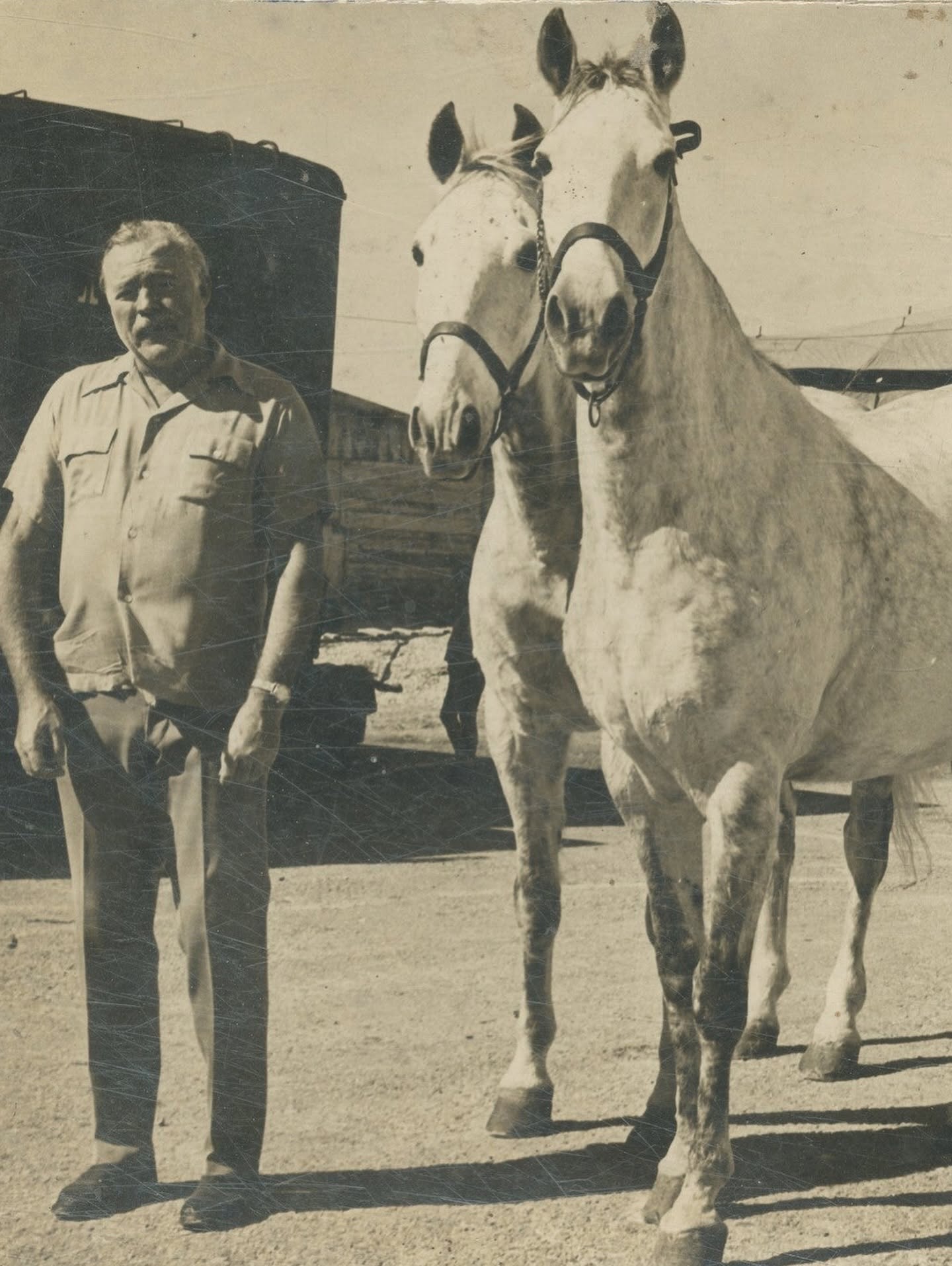
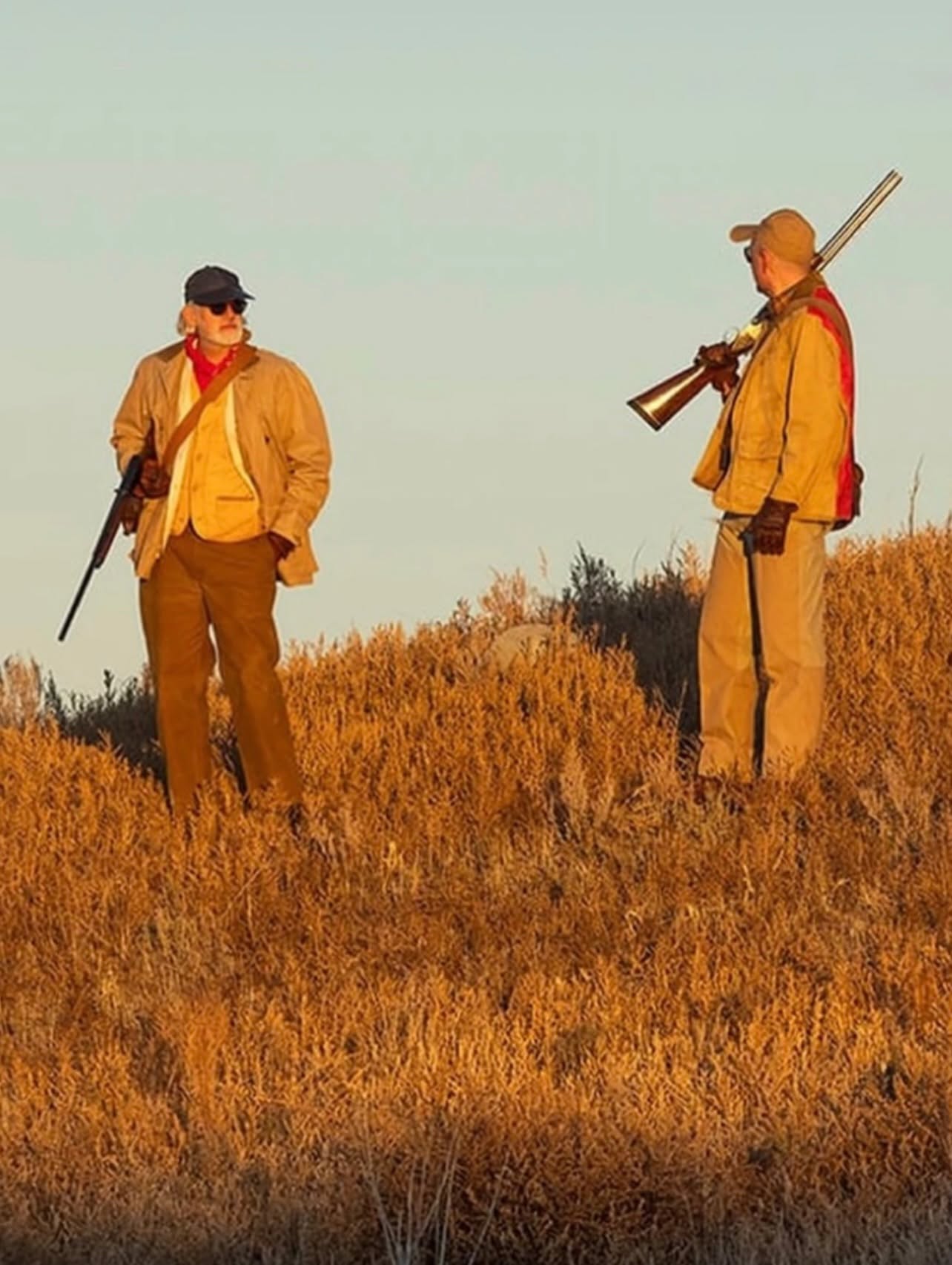
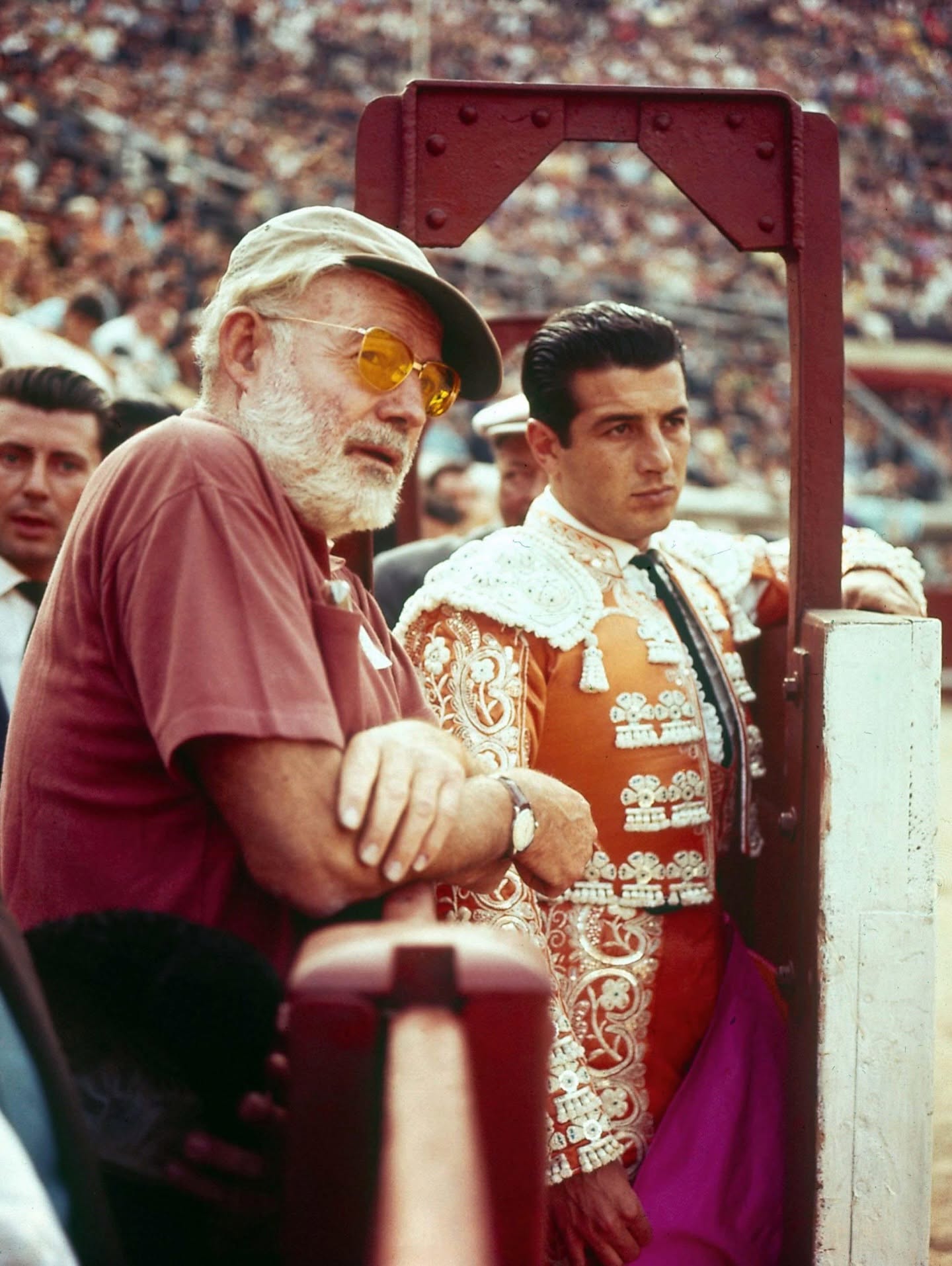
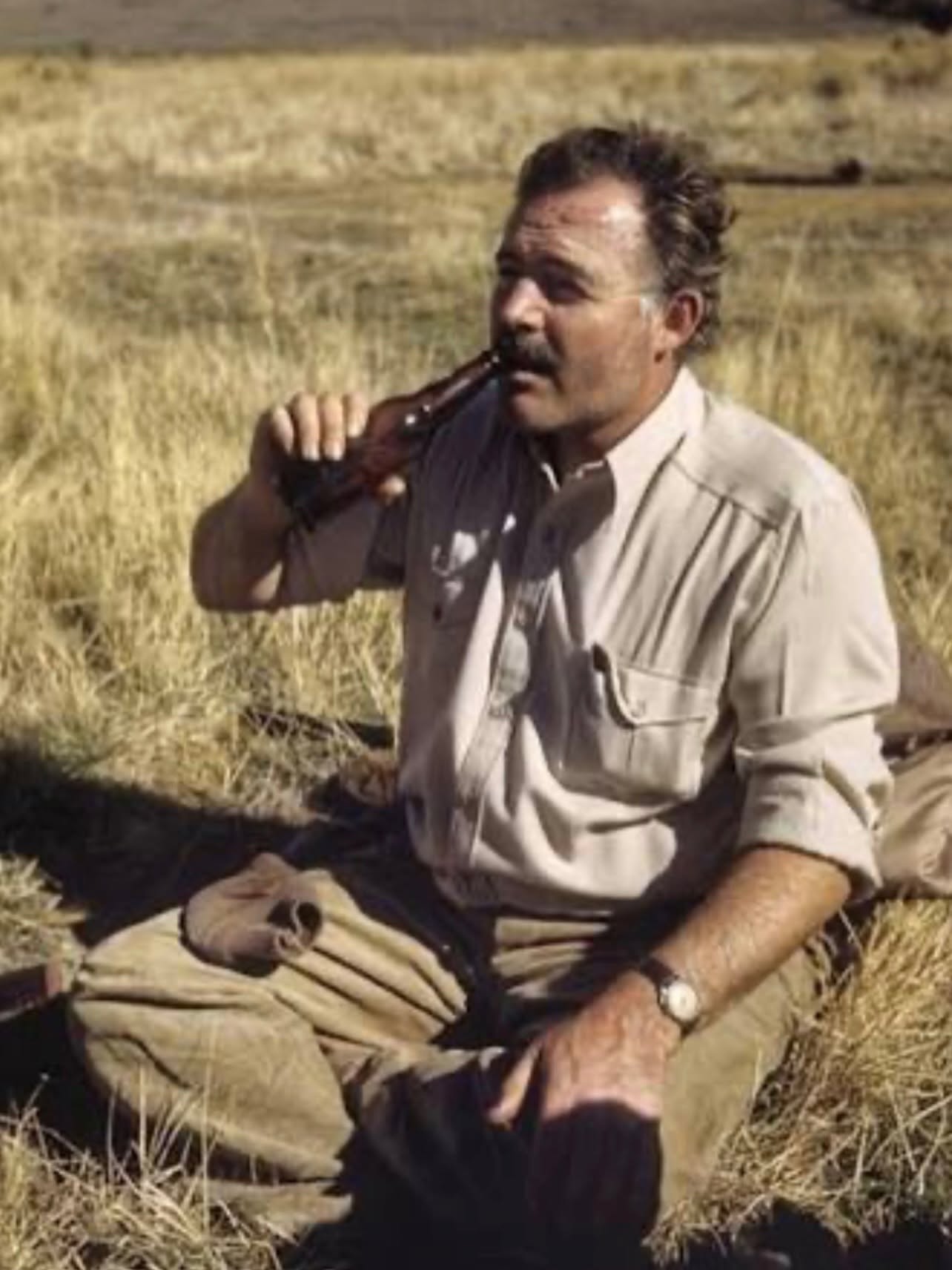
However, Hemingway’s clothing style is also worth taking a serious look into replicating, not just his writing style. Ernest Hemingway built his literary reputation on restraint. His prose is famously lean, direct, and free of unnecessary ornamentation. Every sentence serves a purpose, proving that simplicity can possess extraordinary power. He applied much the same philosophy to his personal style. Choose pieces with clean lines and timeless design rather than excessive embellishment. As Hemingway understood, what you leave out can be just as important as what you include. His closest friends and companions included F. Scott Fitzgerald, his most famous literary friendship. Though they had a famously competitive and complex dynamic, Hemingway frequently critiqued Fitzgerald’s work and chronicled their wild Paris years together in A Moveable Feast and James Joyce, as the two were prominent drinking buddies in 1920s Paris. The soft-spoken Joyce frequently relied on Hemingway’s physical prowess to deal with barroom brawls. Joyce and Fitzgerald are among my favorite authors.
Classics endure because they transcend fashion, and few American writers have proven more enduring than Ernest Hemingway. His novels continue to be read, studied, and rediscovered by each new generation, earning him a permanent place in literary history. Hemingway was rough, rugged and adventurous, same as his writing style. Compare this to the fashion forward preppy trends of the time, such as those sported by JFK, Jr. Or the seaside favorite fashions of the Hamptons which became fashionable off the island and across the nation. Polo Ralph Lauren is capitalizing on all of these trends with Double RL and Vintage RL.
The same can be said for truly exceptional jewelry, understated and classic never goes out of style. While trends come and go, diamonds, pearls, and finely crafted precious metals never lose their appeal. These are the foundation pieces of a well-curated collection—versatile enough for everyday elegance and refined enough for life’s most memorable occasions. Like Hemingway’s greatest works, they remain relevant because true style is never dictated by the season.
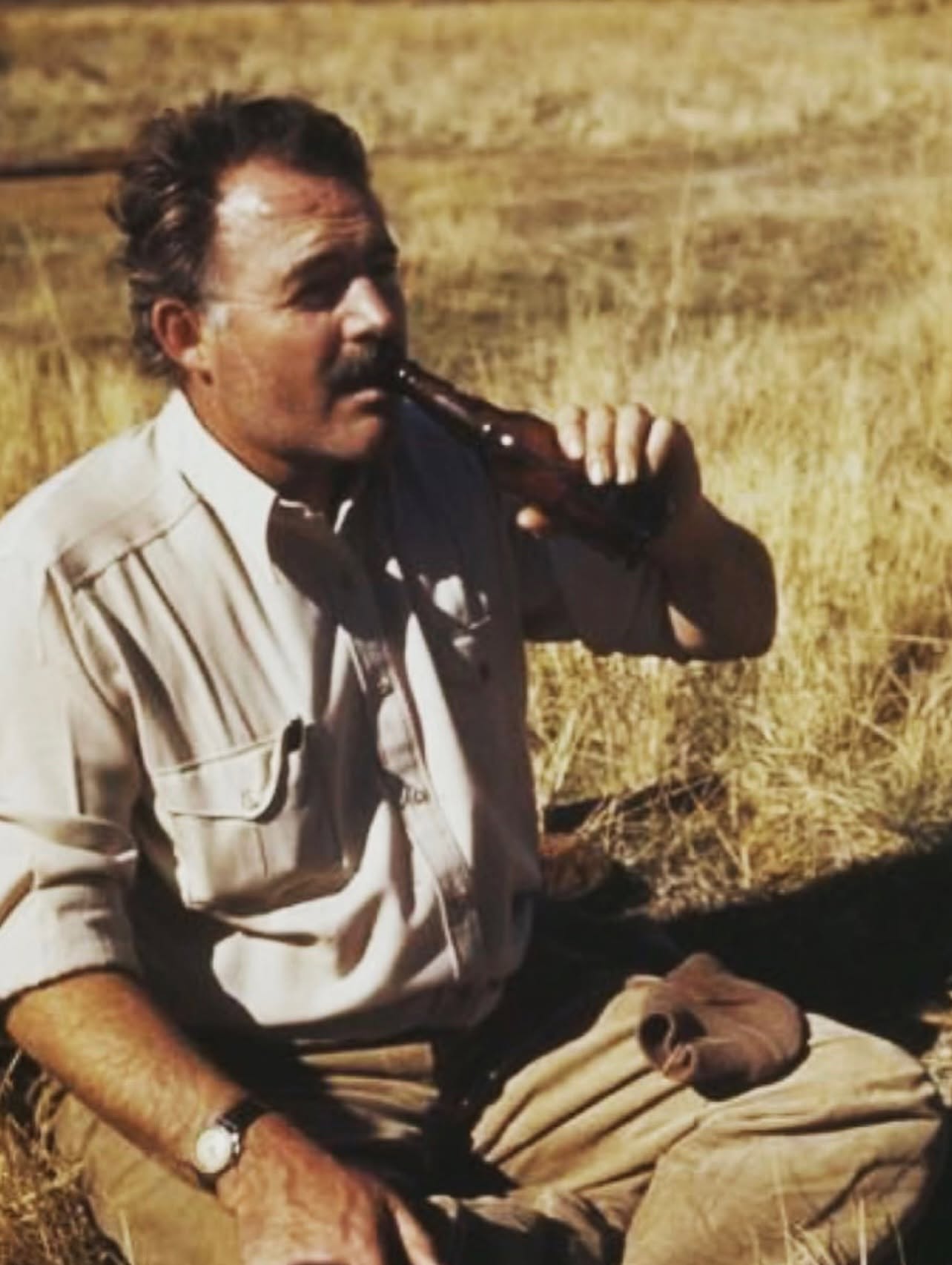
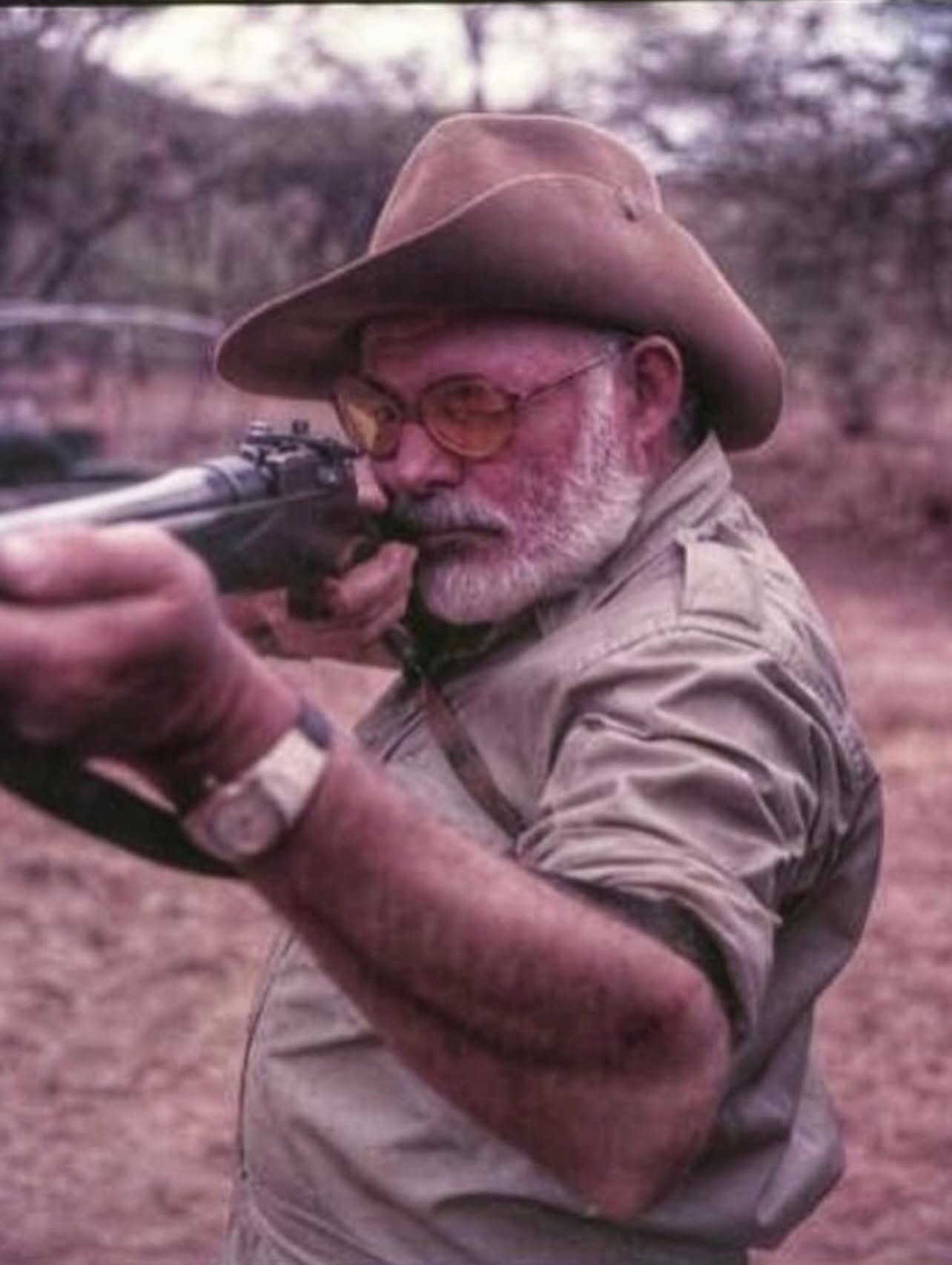
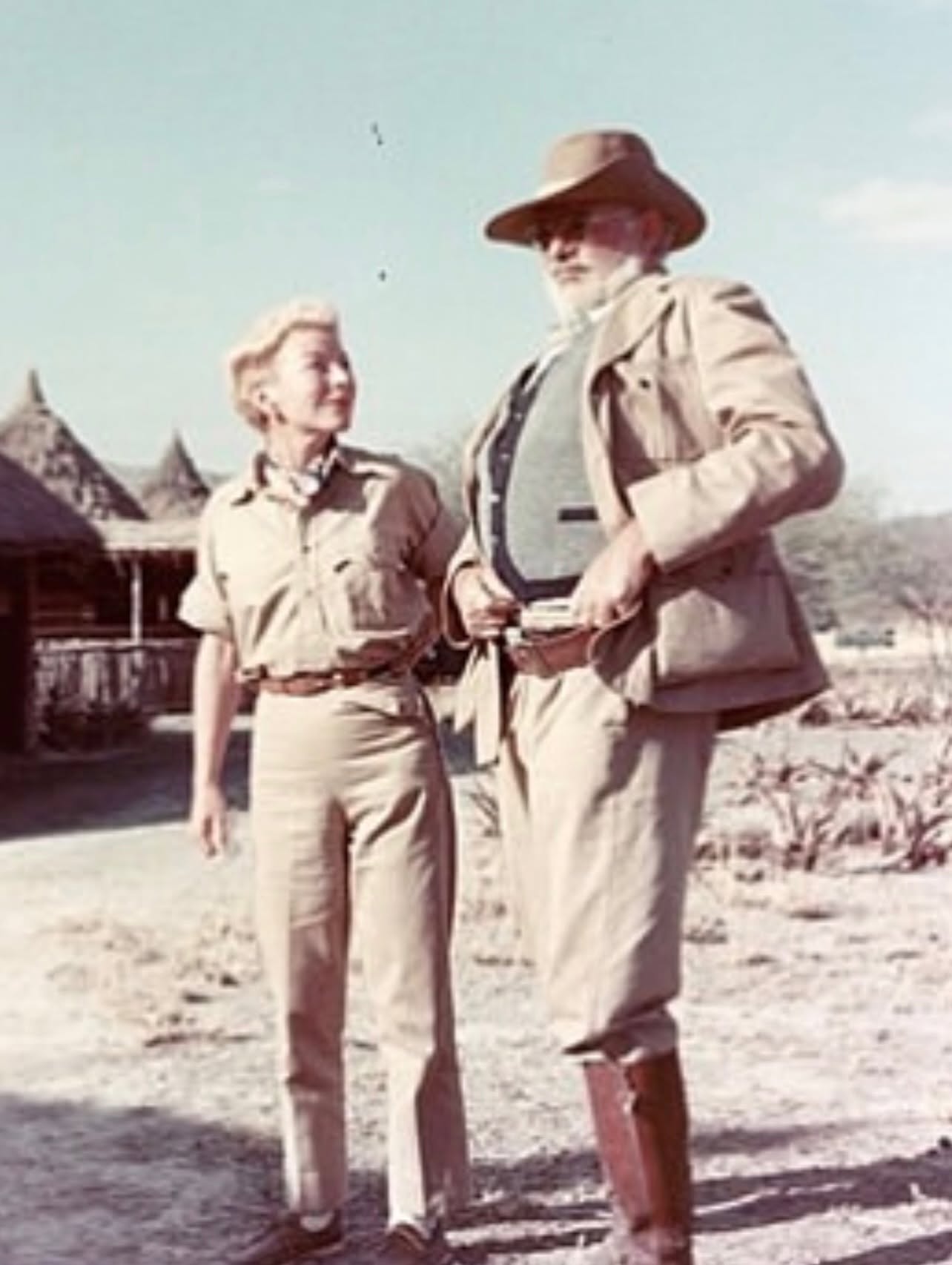
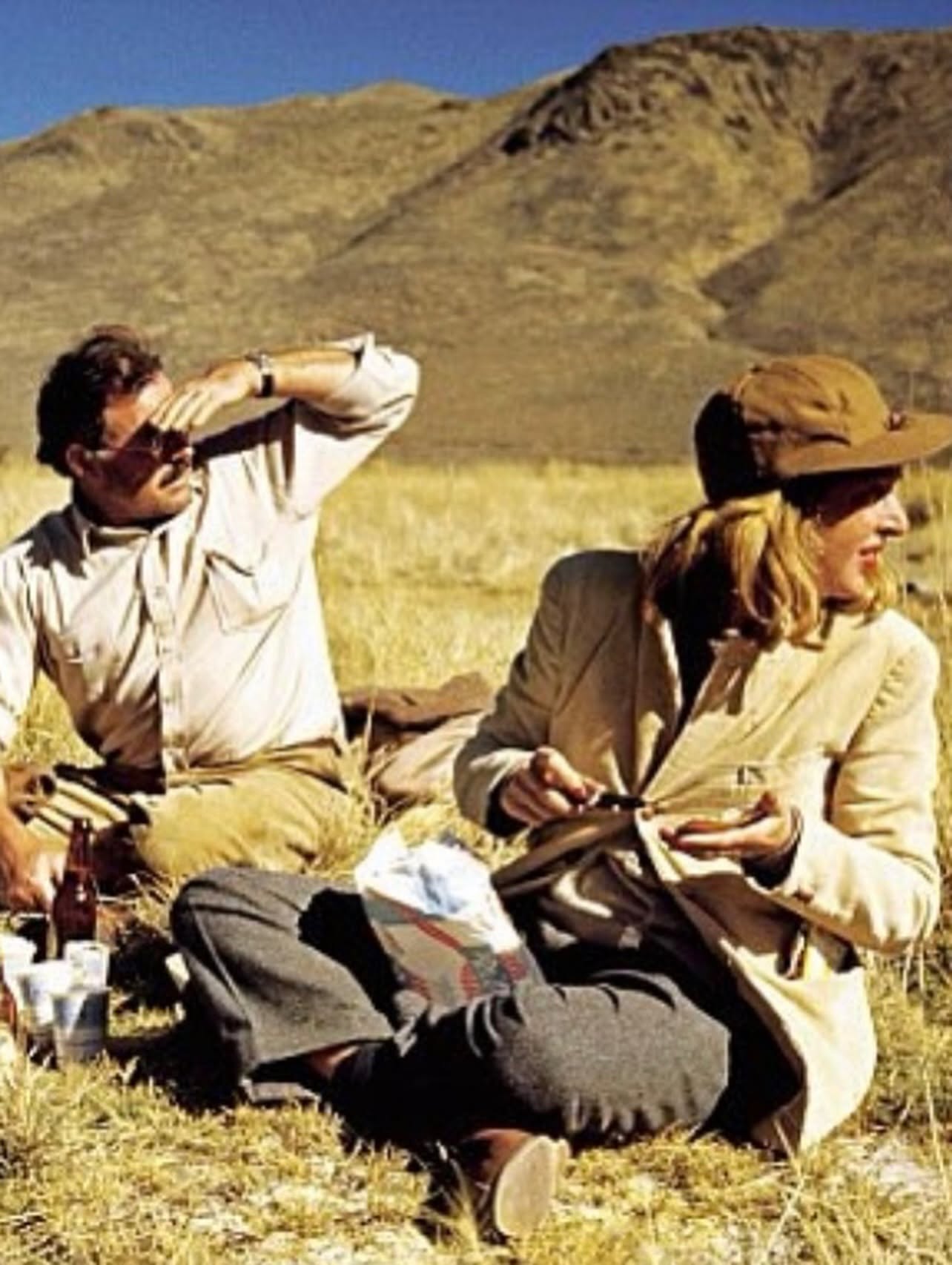
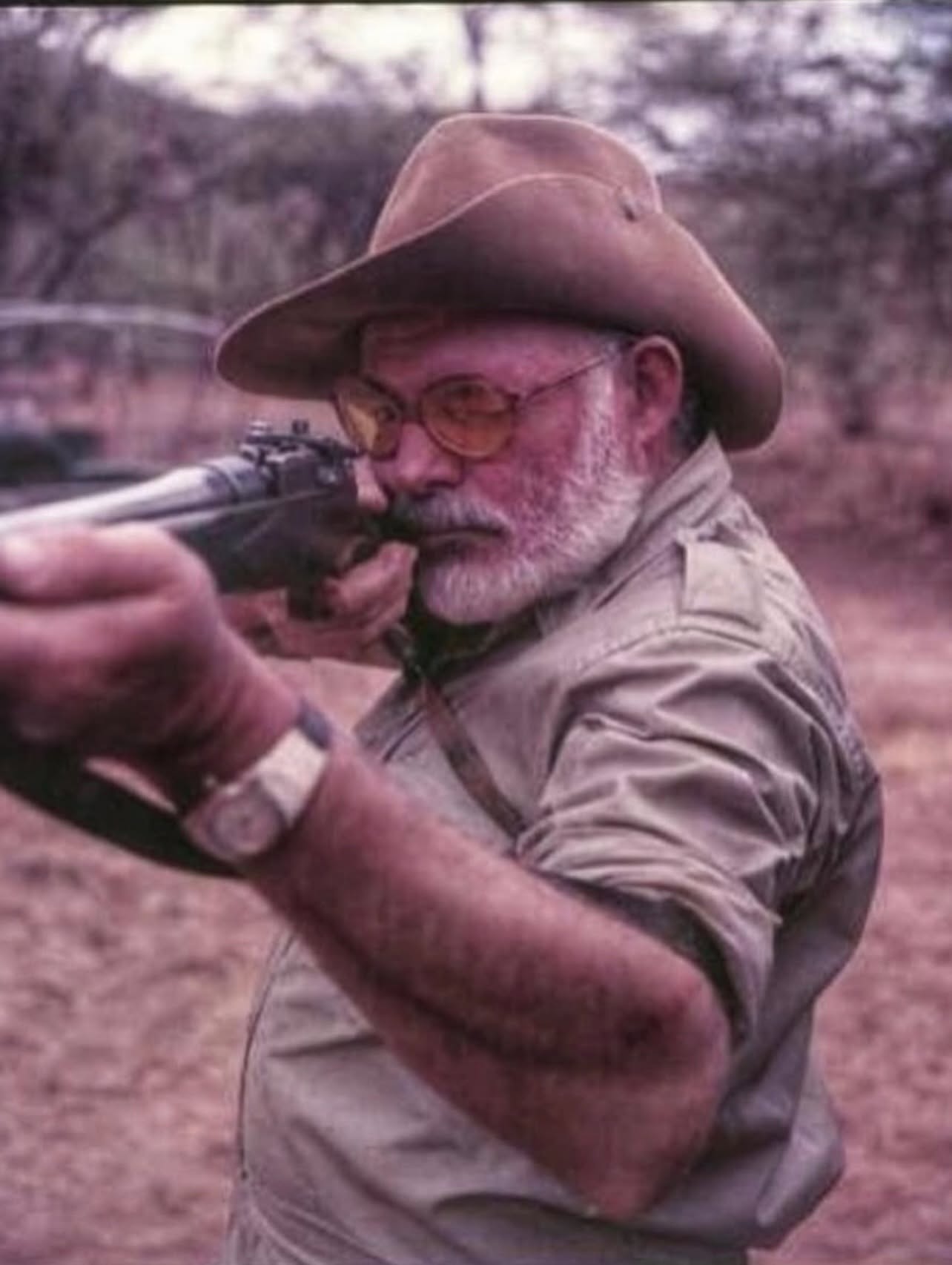
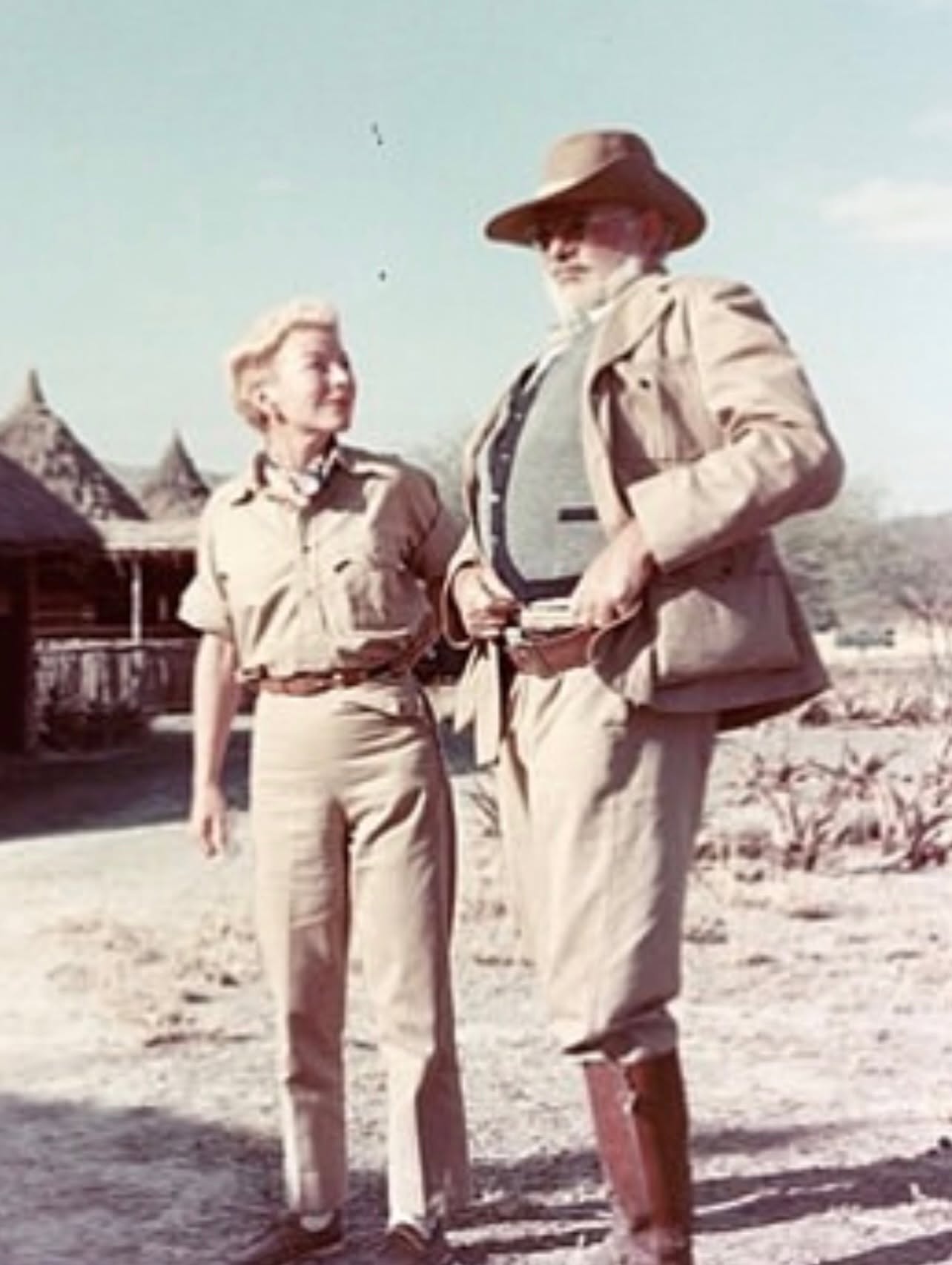
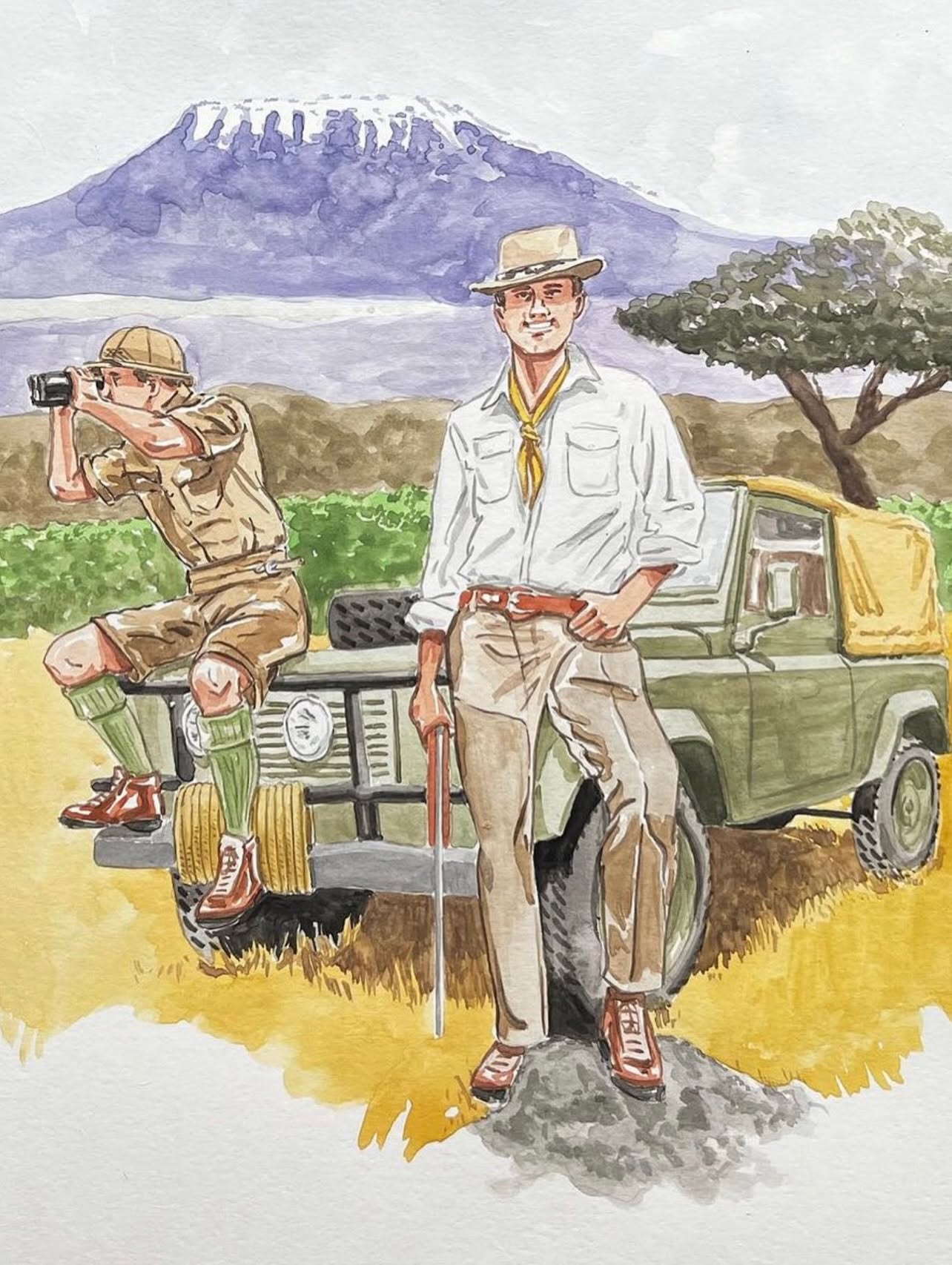
Hemingway lived as boldly as he wrote. Whether serving in World War I, fishing the Keys, or hunting on safari in East Africa, he cultivated a life defined by adventure, resilience, and quiet confidence. Those experiences shaped not only his writing but also his unmistakable sense of personal style.
Hemingway as a rugged, utilitarian man who rarely wore traditional jewelry but possessed notable timepieces and cherished personal talismans. His personal collection and notable items include: Rolex Oyster Perpetual: Hemingway famously owned and wore a Rolex, and he even wrote about the brand in his 1950 novel Across the River and into the Trees. L. Leroy & Cie. Pocket Watch: On his wedding day in 1946, Hemingway received an 18k gold open face pocket watch from his friend Charles C. Ritz (owner of the Ritz Hotel in Paris). He used this watch heavily to time horse races. Lucky Chestnut: Beyond metal accessories, Hemingway reportedly carried a “lucky chestnut” in his pocket for 11 years, which later became an item of great personal provenance kept by his friends. Personal Effects at Finca Vigía: Closets at his former home in Cuba (the Finca Vigía) famously contain additional clothing and personal memorabilia. That spirit translates beautifully to jewelry. Don’t be confined by traditional ideas of masculine or feminine design. Bold signet rings, substantial cuffs, leather accents, and architectural metalwork all carry a sense of strength that complements both men’s and women’s wardrobes. The most compelling jewelry reflects character rather than convention. Hemingway reminds us that authentic style is built on confidence, and confidence never goes out of fashion.
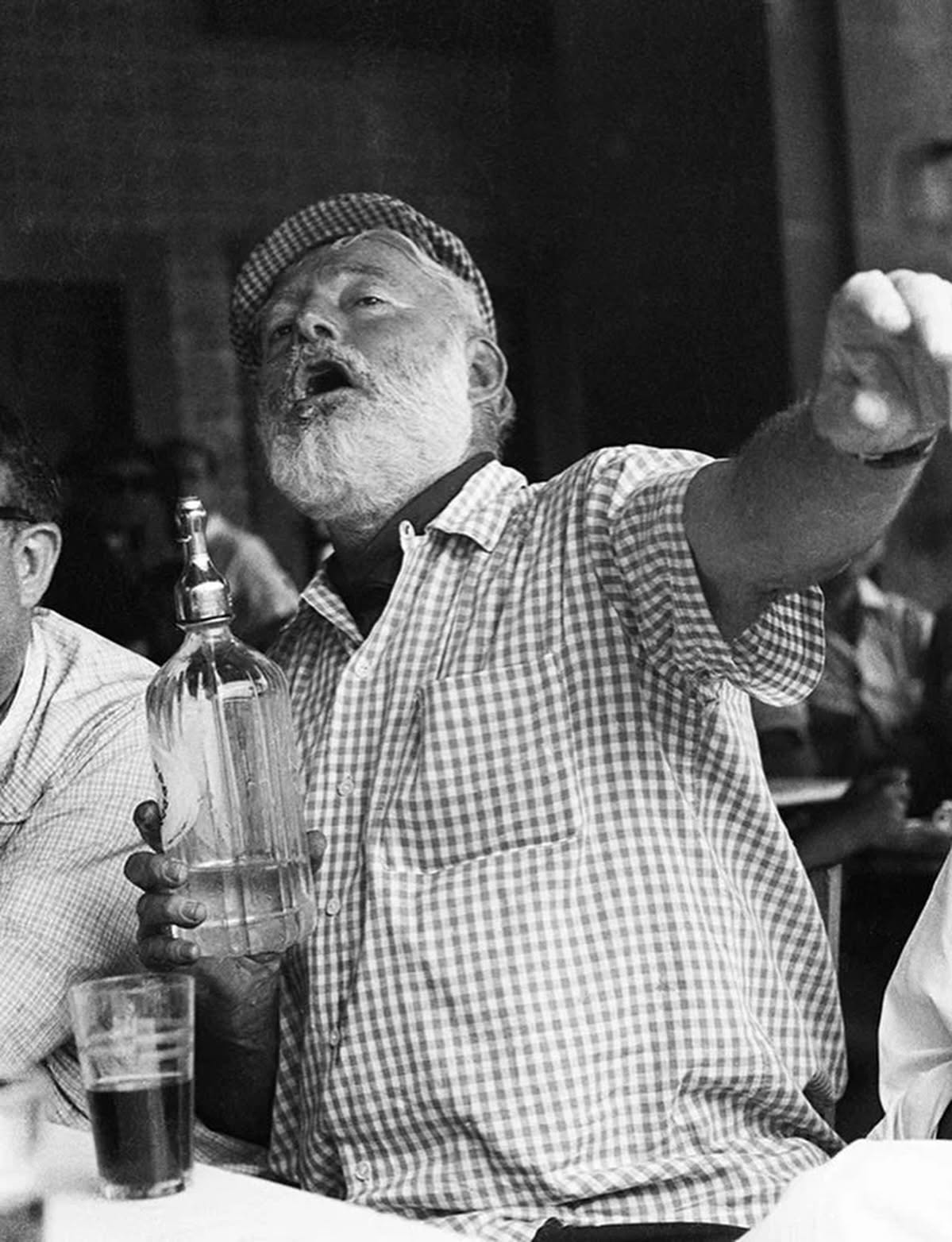
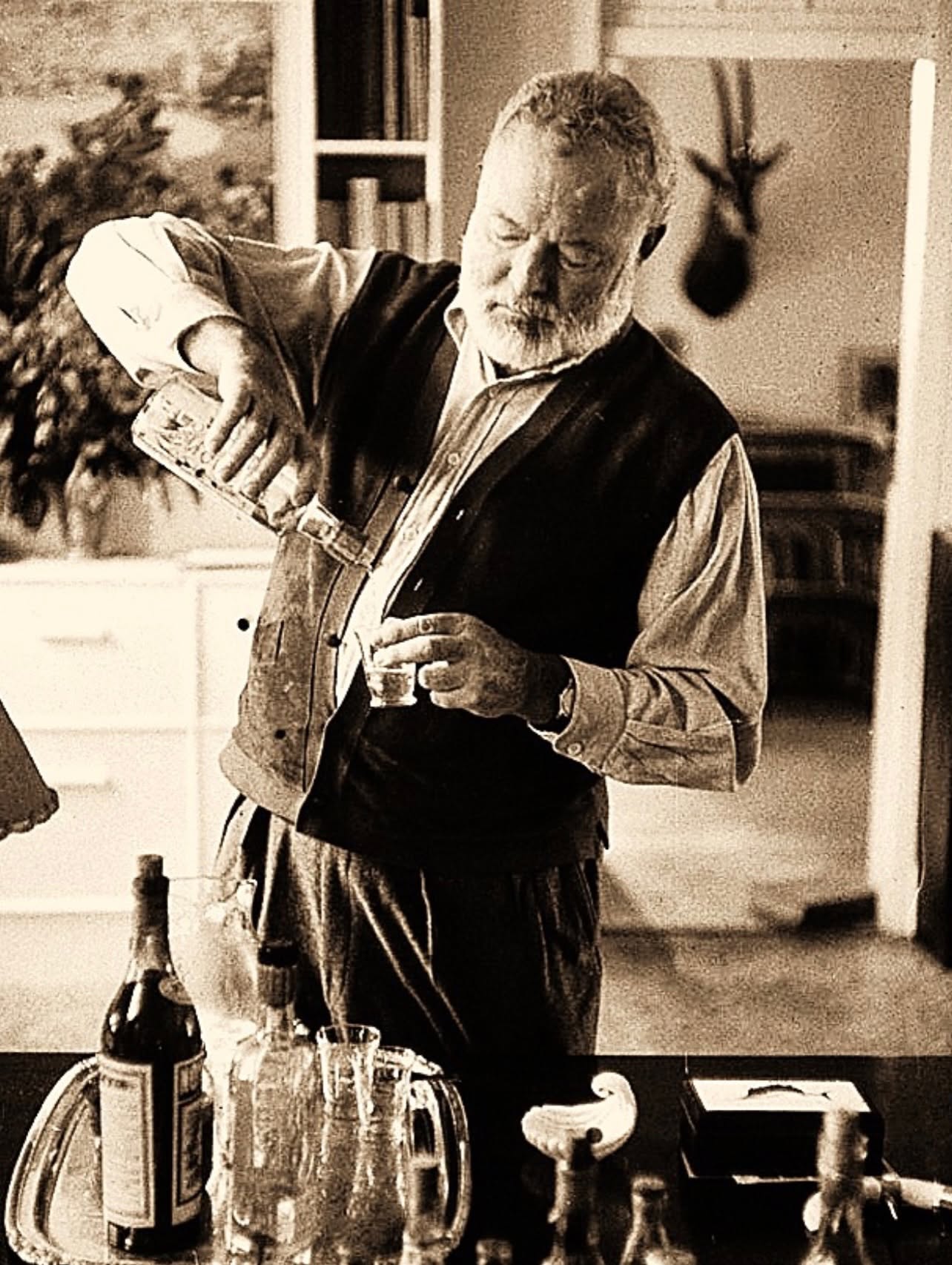
Hemingway treated fishing much like his writing schedule. He strictly wrote in the early hours (usually from 7 AM until noon) and spent his afternoons on the water, viewing fishing not as a hobby, but as a major passion. Some say drinking was his other major passion and that it was the bars that he spent his afternoons in drinking. Hemingway spent his afternoons at El Floridita Bar, drinking custom double-rum daiquiris (the “Papa Doble.”)
When was the last time you came up with an idea that was truly your own? Not something borrowed from a book, social media post, or podcast, but a fresh solution or unexpected connection that solved a problem in a new way. For many people, that moment is harder to remember than they’d like to admit.
For decades, success often depended on knowing more than the next person. Education rewarded memorization, workplaces rewarded expertise, and information itself was valuable. Today, that equation has changed. Nearly every fact is available in seconds, and artificial intelligence can organize data, analyze trends, and complete routine tasks with remarkable speed.
What remains uniquely human is the ability to imagine what doesn’t yet exist.
Creativity isn’t simply painting a picture or writing a novel. It’s recognizing patterns others overlook, combining familiar ideas into something original, asking better questions, and discovering solutions that no algorithm has been programmed to find. Perhaps the biggest misconception about creativity is that it’s reserved for artists, inventors, or the occasional genius. Modern research suggests otherwise. Creative thinking is a skill that can be strengthened through practice, much like learning a language, playing an instrument, or developing athletic ability.
Drawing on years of research in language learning and cognitive science, linguist Viktoria Verde argues that creativity is a trainable mental capacity rather than an innate gift. Her work explores how people can deliberately develop the habits and thinking patterns that lead to more original ideas. The takeaway is encouraging: you don’t have to be born creative to become more creative. By challenging assumptions, exposing yourself to new experiences, making unexpected connections, and regularly exercising your imagination, you can improve your ability to generate innovative ideas. In a world where technology can increasingly replicate knowledge and routine work, creativity may become one of the most valuable skills any person can develop.
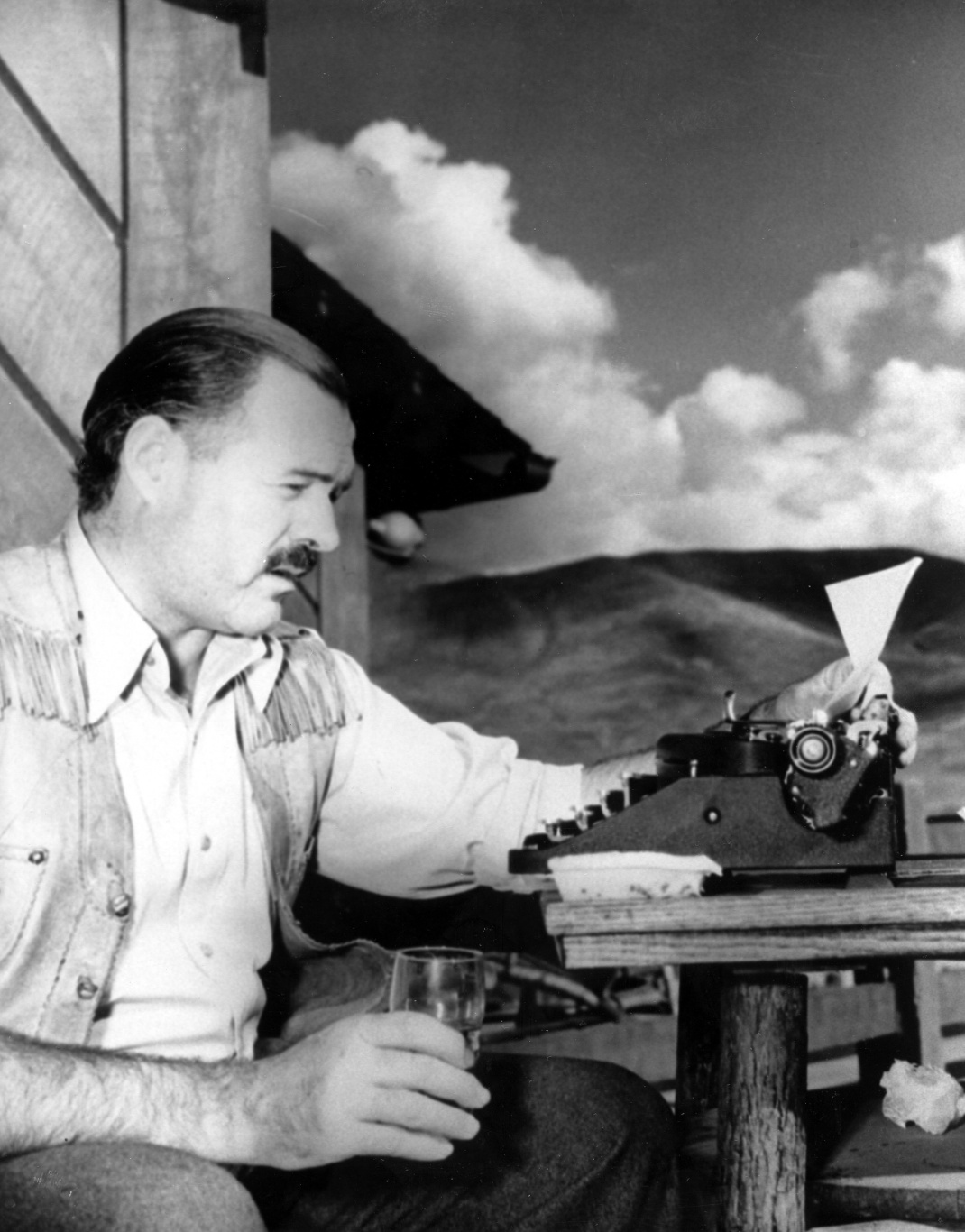
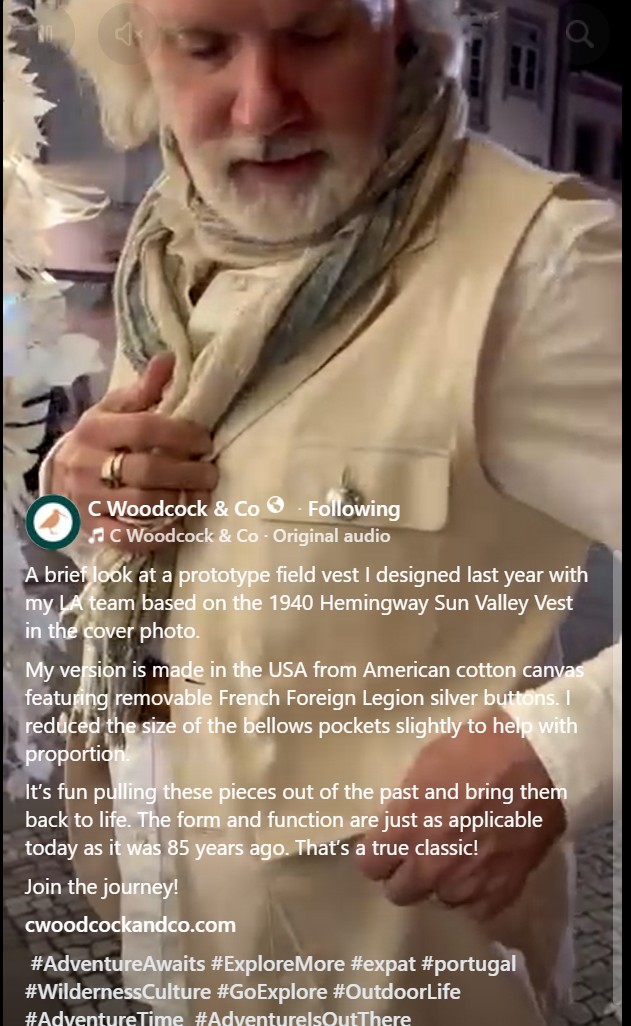
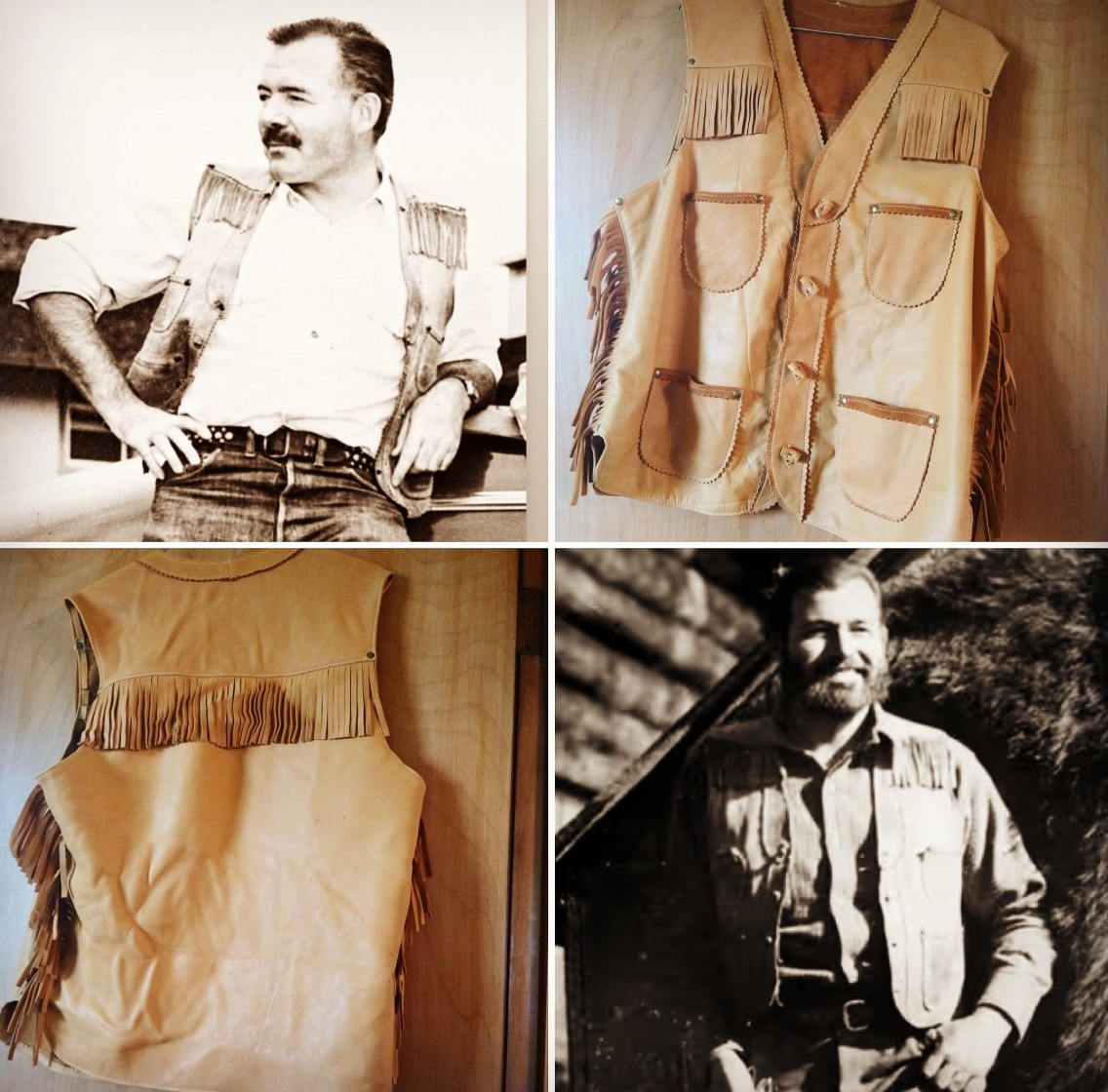
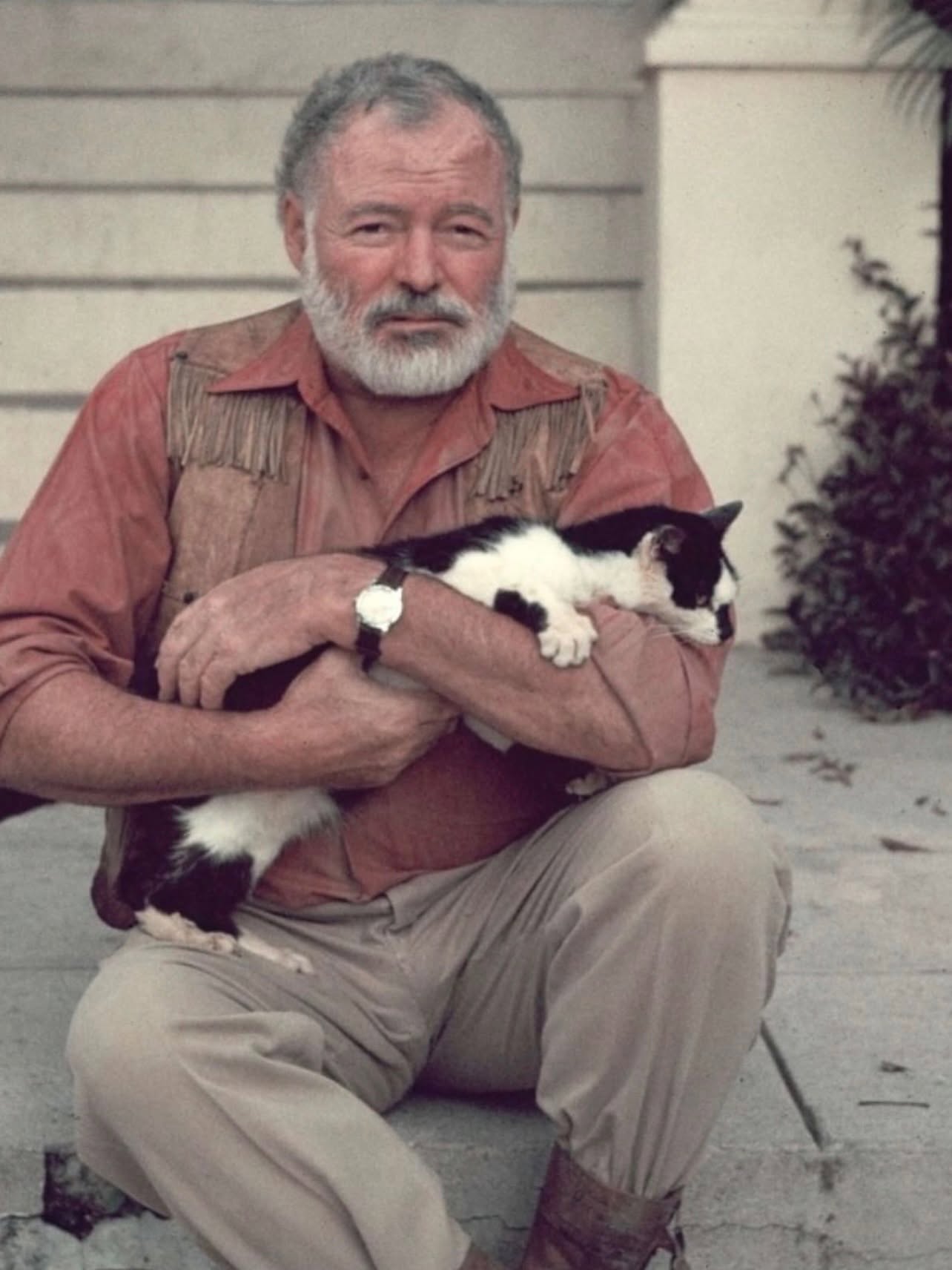
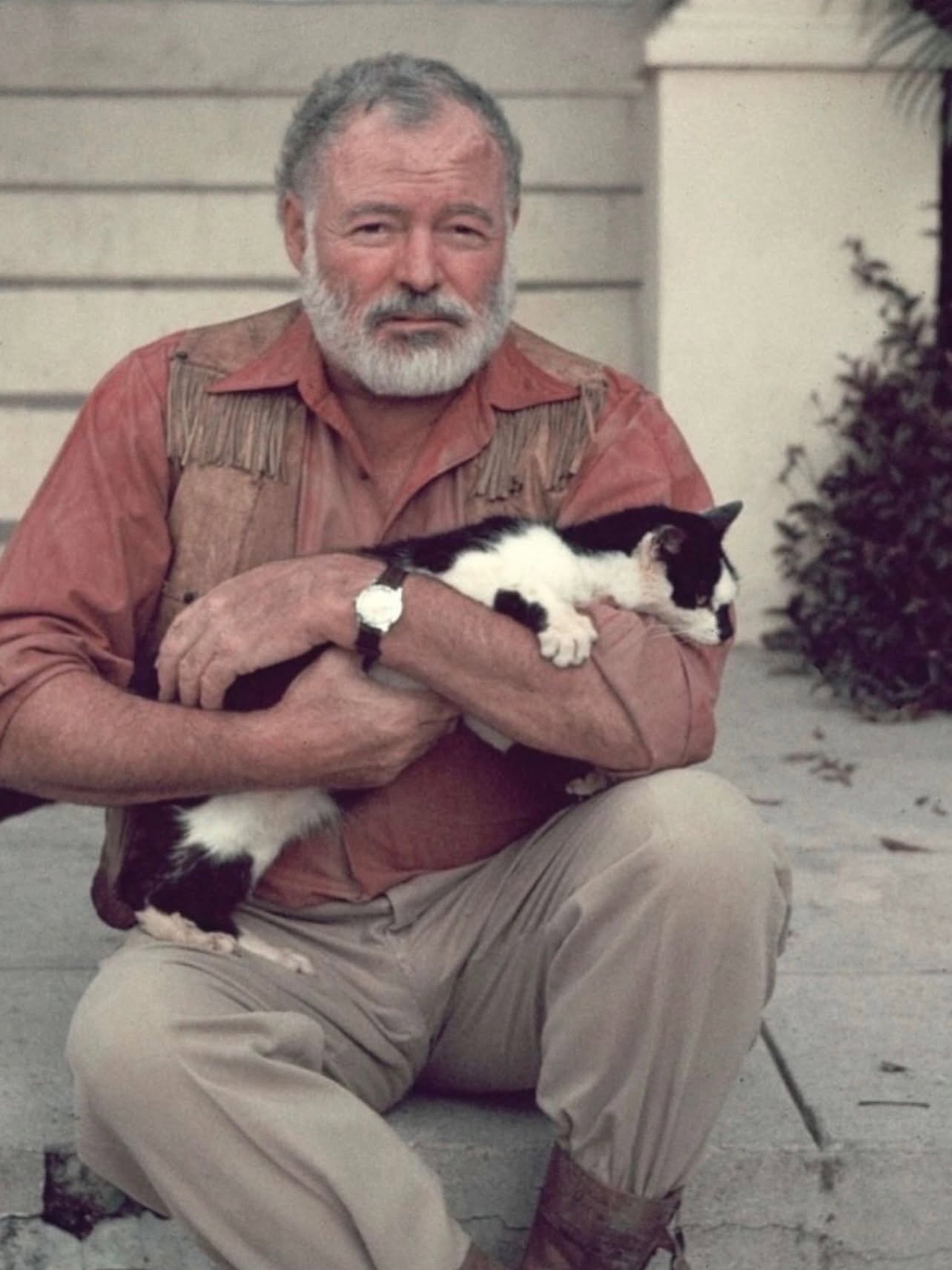
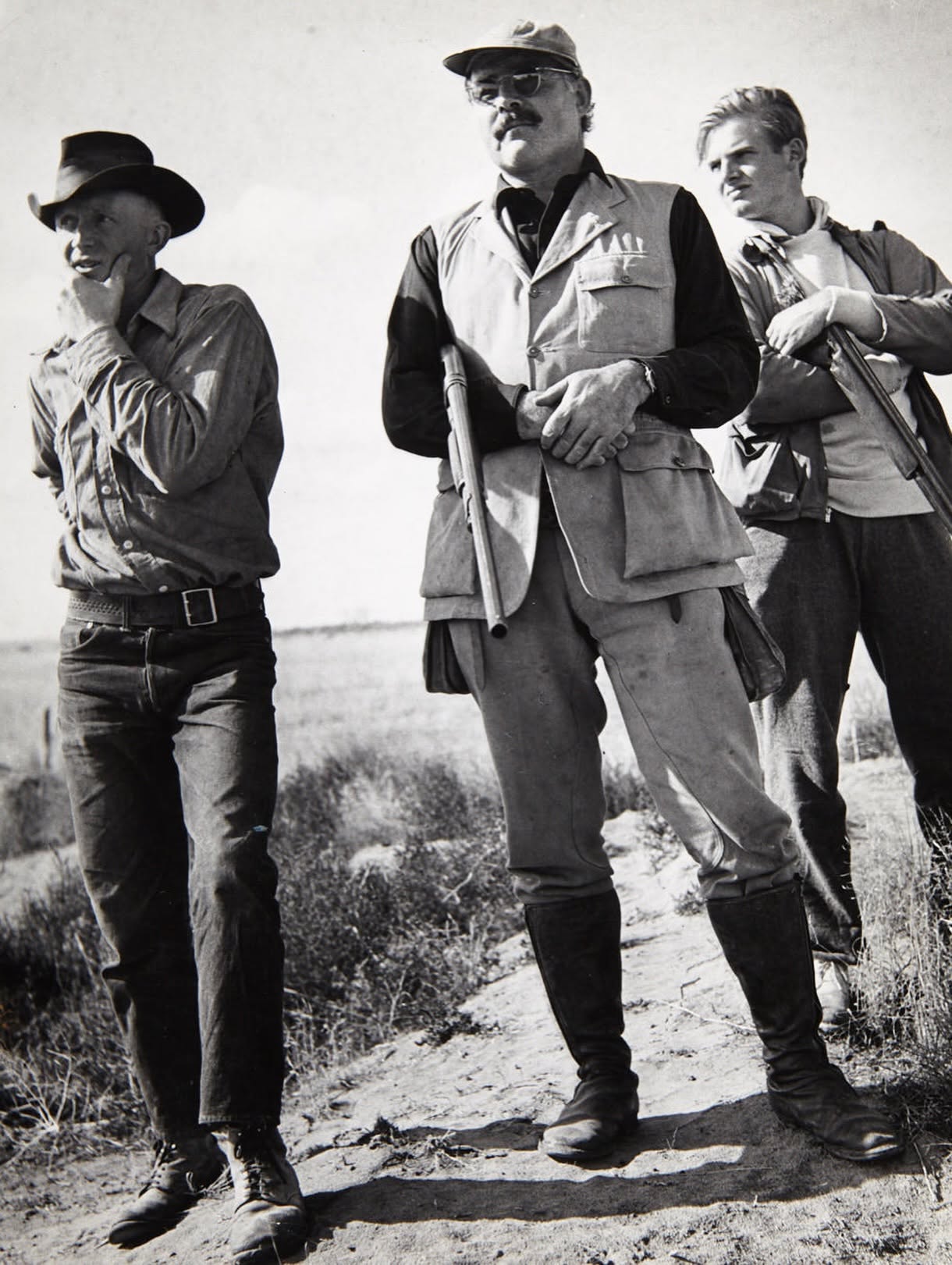
My friend Brian over at Woodcock & Co., is a creative guy. He is also a Hemingway style aficionado and he is working on an upcoming book about the same. We struck a common interest over Russell moccasins and Willis & Geiger clothing. He is world-traveled, had a shop devoted to the outdoor lifestyle, and even went so far as to re-create Hemingway’s famous leather vest, among some other signature Ernesto items. The vest represents far more than a piece of clothing. It embodies the spirit of early twentieth-century American Western style—a time when garments were built for a life of hard travel, hunting, and adventure. Just as important is the personal connection. Brian describes Hemingway’s obvious affection for this vest made recreating it feel less like manufacturing a garment and more like paying tribute to a piece of his legacy. As he continues writing my book, Hemingway Style, there seemed to be no better way to understand the foundations of his enduring aesthetic, Brian says, than by recreating the very garments that defined his wardrobe. By the late 1950s, Hemingway’s original had taken on the deep patina that only decades of wear can produce and had been thoughtfully modified with ammunition loops, transforming it from stylish frontier attire into a well-used hunting companion. Pauline also had a matching one. The vest seems to have stuck with Hemingway through most of his life, as it appears in photos from his trips to the L-T Ranch in Wyoming from 1931-1936, through the end of his life. At least the late 1950’s or possibly 1960. Needless to say, the vest must have meant something to him, as it stuck with him for at least 20 years. I’ve also found some pictures of what I think is the Ralph Lauren vest inspired by Hemingway’s. It’s not exact, but it’s really similar, but Brian’s version is exact.
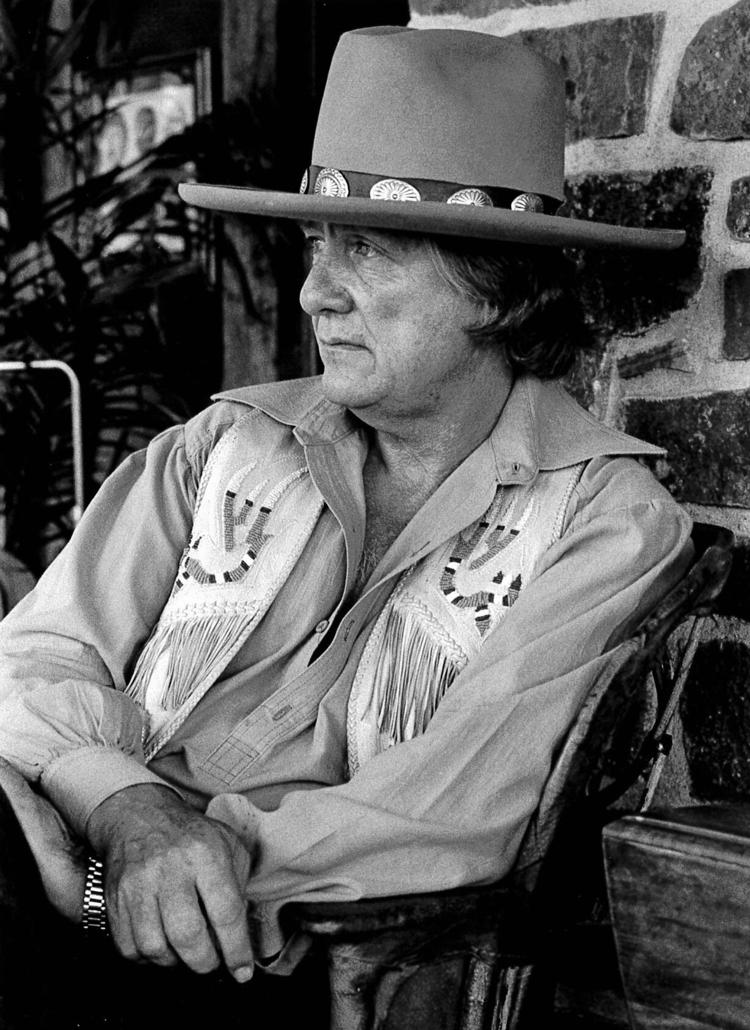
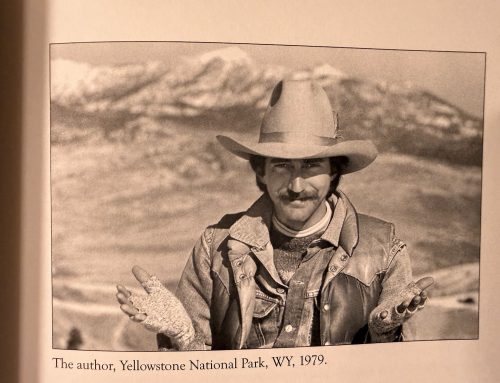
I love all of the photos he curated on style from this period, and I’ll add one of my own curated photos of Gerry Spence, famous trial lawyer from Wyoming, with his version of a similar vest, which is also of great style: