Offseason Checklist for Bird Hunters
Prepare Now for a Better Fall Hunting Season.
I’ve reached a point where I need to do less, do it smarter, and take recovery seriously. In other words, I need to be highly intentional. Preparing for the upcoming season is one important, and often overlooked step, for upland wing shooters. First, is getting fit and making sure my canine team members are also in tip top shape.
My purpose for fitness is simple: to keep my body in the best shape possible so I can continue doing the things I love for as long as I can. What that looks like will be different for every person, and it will change at every stage of life. As one wise man said, “If you have a body, you are an athlete.” Watch a professional athlete and you’ll see how intentional they are about everything they do. That idea has stayed with me. Each morning, when I get up and brush my teeth, I look in the mirror and ask myself, “You are an athlete. What would an athlete do today?” Some days the answer is rest. Other days, it’s moving my body with purpose.
When you start being intentional about prioritizing your pursuits in the outdoors, you have probably noticed the same quiet pattern underneath everything: deeper sleep, steadier moods, more energy in the afternoons, mornings that feel clearer, and days that begin to belong to you again. None of it arrives with a dramatic moment. Real change rarely does. It just happens.
There is no single morning when you wake up as a completely different person. What happens instead is a shift in direction. A new baseline that slowly moves, week by week, toward being more rested, more present, more capable, and more engaged with the life in front of you. It is the kind of transformation you often recognize only in hindsight, when you look back a few months and realize how much changed while you were simply showing up each day.
And the science behind that change is worth remembering. The brain is designed to adapt throughout your entire life. Every habit you build — drinking, exercising, sleeping well, or avoiding the things that hold you back — is reinforced through the connections between neurons. The same systems that learned an old pattern are the systems capable of learning a new one.
When you stop reinforcing a habit that no longer serves you, the brain begins to recalibrate. The pathways that once demanded your attention gradually lose strength, while new pathways — built around movement, recovery, discipline, and purpose — become stronger through repetition. Your brain does not change overnight, but it does change. It adjusts, it learns, and it responds to the direction you consistently choose.
The most important part is this: you do not have to have everything figured out before you begin. Whether you have already made major changes, taken only a few small steps, or are still standing at the starting line, the opportunity is still there. Change is not reserved for the people who got it right the first time. It belongs to anyone willing to choose a different direction.
The person on the other side of this is not someone else. It is you — with more energy, more confidence, more strength., more organized, and more time available for the things that matter. More mornings you remember. More adventures you say yes to. More moments where you are fully present instead of simply getting through the day.
This is the slow work of rebuilding yourself. It is not about becoming perfect. It is about becoming more intentional. Choosing the habits that give you back your life: moving your body, training your strength, protecting your sleep, and leaving behind the things that take more than they give.
The change was always going to be yours. Every step forward, every better choice is a vote for the person you are becoming. The path does not require a perfect beginning. It only requires the next step — and it starts whenever you are ready.
Next, I go through the following checklists to start getting everything restocked, reorganized, and prepared for the fall days ahead.
☐ Gear & Equipment
Footwear
- ☐ Inspect hunting boots for wear.
- ☐ Replace worn boots early enough to fully break them in before opening day.
- ☐ Test boots on long hikes over uneven terrain.
Safety & First Aid
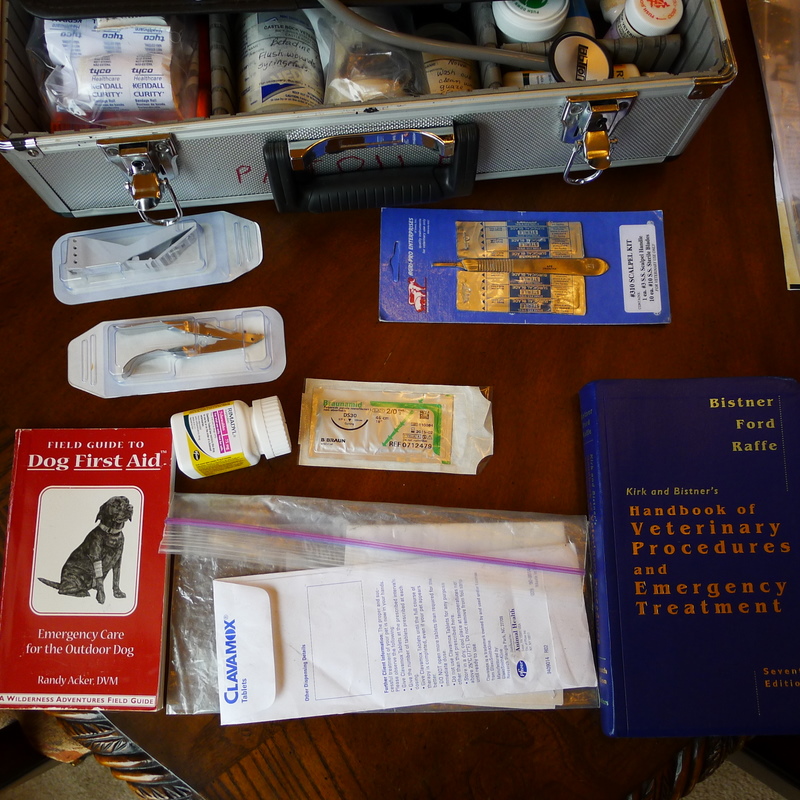
- ☐ Inspect first-aid kit.
- ☐ Replace expired or used medical supplies.
- ☐ Verify both hunter and canine first-aid kits are complete.
Electronics & Navigation
- ☐ Test GPS units.
- ☐ Update mapping apps.
- ☐ Download offline maps.
- ☐ Replace batteries as needed.
- ☐ Troubleshoot any equipment issues before the season.
Dog Equipment
- ☐ Test GPS/tracking collars.
- ☐ Replace collar batteries.
- ☐ Inspect collars for wear or damage.
- ☐ Check leashes, leads, and other dog gear.
Clothing
- ☐ Inspect hunting vest.
- ☐ Repair or replace worn jackets.
- ☐ Replace damaged hunting pants.
- ☐ Check gloves, hats, gaiters, and rain gear.
Firearms & Ammunition
- ☐ Pattern new shotguns.
- ☐ Pattern new choke combinations.
- ☐ Test new ammunition.
- ☐ Become familiar with any new shotgun before opening day.
- ☐ Purchase ammunition before seasonal shortages.
General Gear
- ☐ Make a list of needed gear at the end of each season.
- ☐ Purchase replacements well before fall.
- ☐ Avoid last-minute shopping.
☐ Secure Hunting Access
Private Landowners
- ☐ Identify new properties to hunt.
- ☐ Ask permission months before opening day.
- ☐ Visit landowners during appropriate hours.
- ☐ Introduce yourself professionally.
- ☐ Build relationships with landowners.
- ☐ Offer assistance with farm projects when appropriate.
- ☐ Discuss:
- ☐ Gate etiquette
- ☐ Livestock concerns
- ☐ Hunting dog expectations
- ☐ Parking locations
- ☐ Property boundaries
- ☐ Understand and respect all landowner requests.
☐ Scout Hunting Areas
Existing Hunting Spots
- ☐ Visit favorite hunting locations before the season.
- ☐ Look for habitat changes.
- ☐ Check for:
- ☐ Logging activity
- ☐ Prescribed burns
- ☐ New cover
- ☐ Agricultural changes
- ☐ Water availability
- ☐ Food sources
New Hunting Properties
- ☐ Walk unfamiliar properties.
- ☐ Learn property boundaries.
- ☐ Identify likely bird habitat.
- ☐ Locate food sources.
- ☐ Locate water.
- ☐ Plan hunting routes.
- ☐ Learn how landowners use the property.
Small Game Scouting
- ☐ Deploy trail cameras.
- ☐ Monitor rabbit activity.
- ☐ Monitor hare activity.
- ☐ Monitor squirrel activity.
- ☐ Scout backwaters for ducks and teal.
Wildlife Considerations
- ☐ Avoid disturbing nesting birds during spring scouting.
- ☐ Leave hunting dogs at home during nesting season when appropriate.
☐ Physical Conditioning
Hunter Fitness
- ☐ Walk regularly throughout the offseason.
- ☐ Train on uneven terrain.
- ☐ Wear your hunting vest during conditioning hikes.
- ☐ Carry a weighted pack.
- ☐ Improve endurance with cardio.
- ☐ Address nagging aches and pains.
- ☐ Stretch regularly.
- ☐ Consider yoga or mobility exercises.
☐ Prepare Your Dog
- ☐ Begin conditioning before the season.
- ☐ Increase exercise gradually.
- ☐ Build endurance for long hunting days.
- ☐ Inspect all dog equipment.
- ☐ Verify tracking collars function properly.
☐ Practice Shooting
Shotgun Preparation
- ☐ Practice gun mount.
- ☐ Pattern every new load.
- ☐ Pattern every new choke.
- ☐ Practice with your hunting shotgun—not just target guns.
Clay Target Practice
- ☐ Shoot trap.
- ☐ Shoot skeet.
- ☐ Join a local gun club if possible.
- ☐ Practice throughout the offseason.
- ☐ Shoot targets from multiple angles.
- ☐ Practice crossing shots.
- ☐ Practice quartering shots.
- ☐ Practice rising birds.
- ☐ Practice low, fast targets to simulate rabbits and hares.
☐ Before Opening Day
- ☐ Boots are broken in.
- ☐ First-aid kits are stocked.
- ☐ GPS units are functioning.
- ☐ Mapping apps are updated.
- ☐ Dog collars are working.
- ☐ Firearms are patterned.
- ☐ Ammunition is purchased.
- ☐ Hunting clothing is ready.
- ☐ Hunting access is secured.
- ☐ Scouting is complete.
- ☐ Hunting dog is conditioned.
- ☐ Hunter is physically prepared.
- ☐ Shooting skills are sharp.
Opening Day Goal
☐ Spend opening day hunting—not solving problems. With your gear tested, permissions secured, scouting complete, and both you and your dog prepared, you’ll be free to enjoy the season you’ve spent the offseason getting ready for.