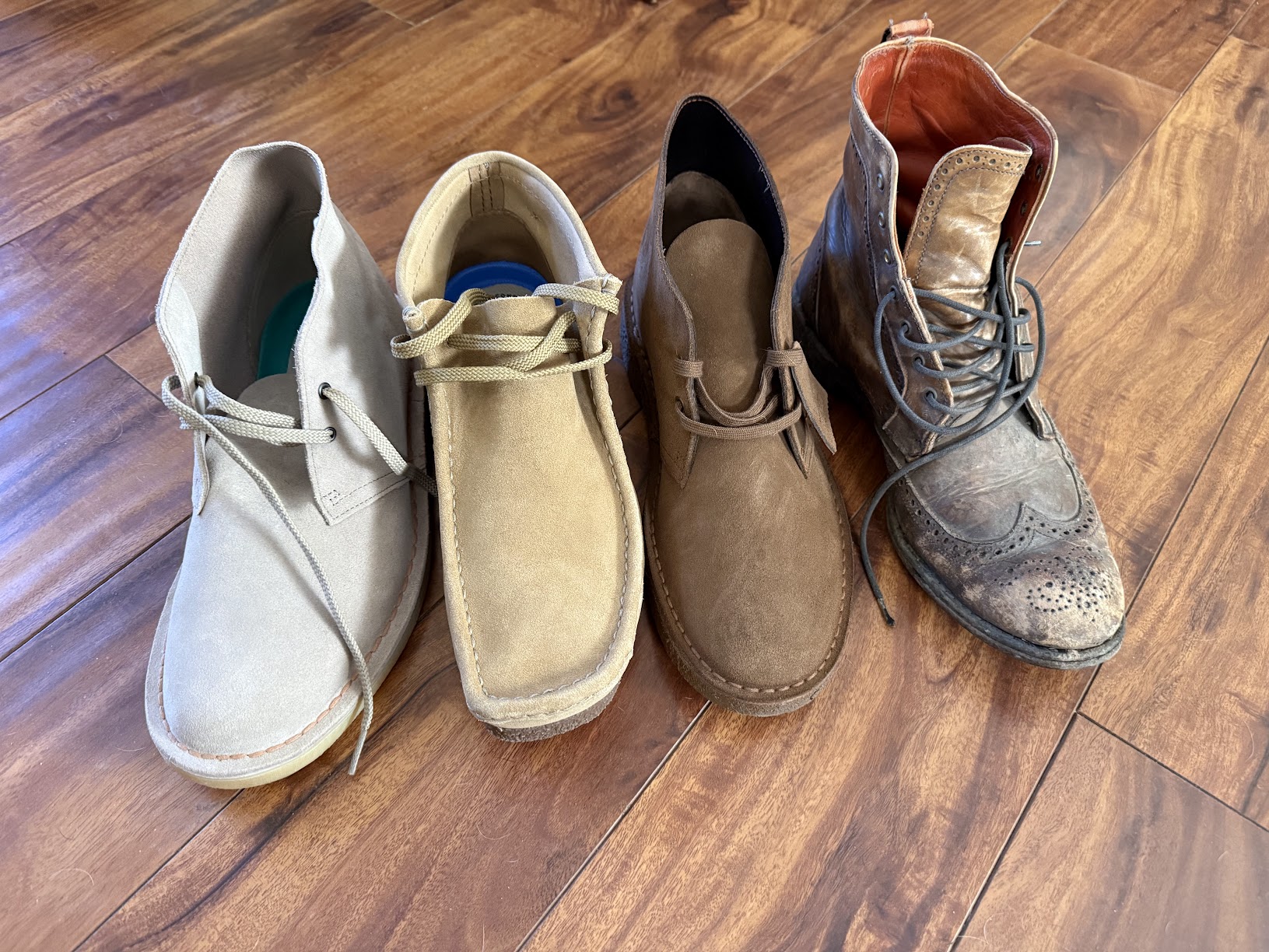
The Ankle Boot Masterclass: The Essential Guide to Chukkas, Jodhpurs, Paddocks, and Vellies Ankle-high boots are the ultimate foundation of a refined, versatile footwear wardrobe. Born from the fields of equestrian sport, military utility, and rugged wilderness exploration, four iconic short styles have stood the test of time: the Chukka boot, the Jodhpur boot, the Paddock boot (and it's sister boot the slip-on Chelsea), and the Veldskoen (Vellies). While they share a similar ankle-high silhouette, their distinct fastening methods, leather paneled construction, and structural personalities yield entirely different styling outcomes for differing conditions. The Shared History: From Polo Fields and Stables to Global Fashion All four styles trace their core lineages directly to equestrian activities, historical migrations, or the military, showcasing how functional utility transitions into everyday menswear. The Chukka's Evolution: Borrowing its name from a period of play in a polo match, Western travelers took this lightweight, open-laced design back to Europe. During WWII, it famously evolved into the "desert boot" utilizing pliable crepe rubber soles. The Clarks Desert Boot was created in 1949 by Nathan Clark, a descendant of the Clarks shoe dynasty, while serving in the British Army in Burma. He was inspired by off-duty officers wearing rough suede, crepe-soled boots purchased from the Khan el-Khalili bazaar in Cairo, Egypt. Nathan Clark took the design—which was originally derived from South African veldskoen ("vellies")—and made prototypes using newsprint. He brought the design back to England in 1946, but his family's board initially rejected the idea, claiming it would never sell. Undeterred, Clark presented the boots at the 1949 Chicago Shoe Fair, where an Esquire editor featured the lightweight, durable footwear. The boot officially launched in 1950. It quickly transcended its military roots, becoming