Hunting

Wild Game is Anti-Inflammatory

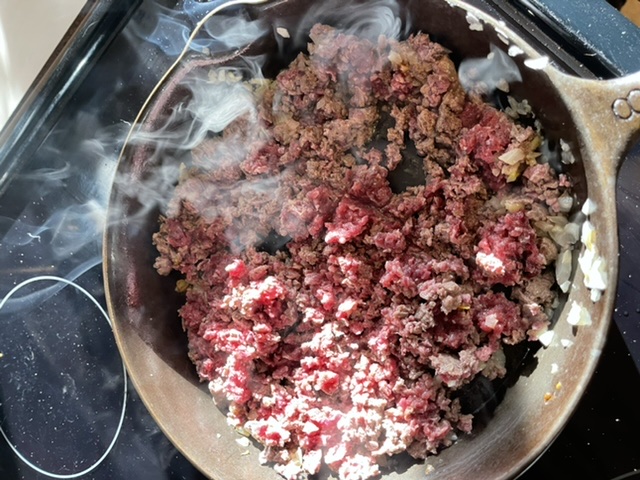
I just had a really interesting conversation with one of the most respected cardiologists in the nation.  He was saying that recent studies have shown that feed-lot raised beef is inflammatory and high in fat.  Whereas pasture beef is not high in fat and not inflammatory.  And wild game meats have even more health benefits when compared to meats from domesticated or farm-raised animals. Examples of wild game include venison, bison, rabbit and elk. The fact that wild game animals eat their natural diet and are very active in the wild contributes to the lower fat content of the meat. Additionally, eating greens in the wild contributes to a lower content of pro-inflammatory omega-6 fatty acids and a higher content of anti-inflammatory omega-3 fatty acids. Furthermore, wild game meat is a good source of protein and minerals such as iron and zinc.  So, in fact, wild game has good fat and is anti-inflammatory. A recent article over at https://www.livestrong.com/article/349448-what-are-the-health-benefits-of-wild-game/ also echoed the same: Low Fat Content Wild game meats tend to have a lower fat content, as animals tend to be more active in the wild. Additionally, wild game eat a natural diet as opposed to grain or corn, which is often fed to domesticated animals, contributing to an increased fat content of non-game meat. Lower Omega-6 Fatty Acids The feeding of corn and grain to farm animals not only increases the total fat content but also the omega-6 fatty acid content. According to the Linus Pauling Institute, omega-6 fatty acids increase markers of inflammation in the body. Chronic inflammation is associated with health conditions including obesity, diabetes, cancer and rheumatoid arthritis. Wild animals eat more grass, green leaves and plants than their domesticated counterparts, which
By |December 6th, 2022|Categories: Cuisine, Hunting, Wingshooting|Comments Off on Wild Game is Anti-Inflammatory

The Elusive Snipe

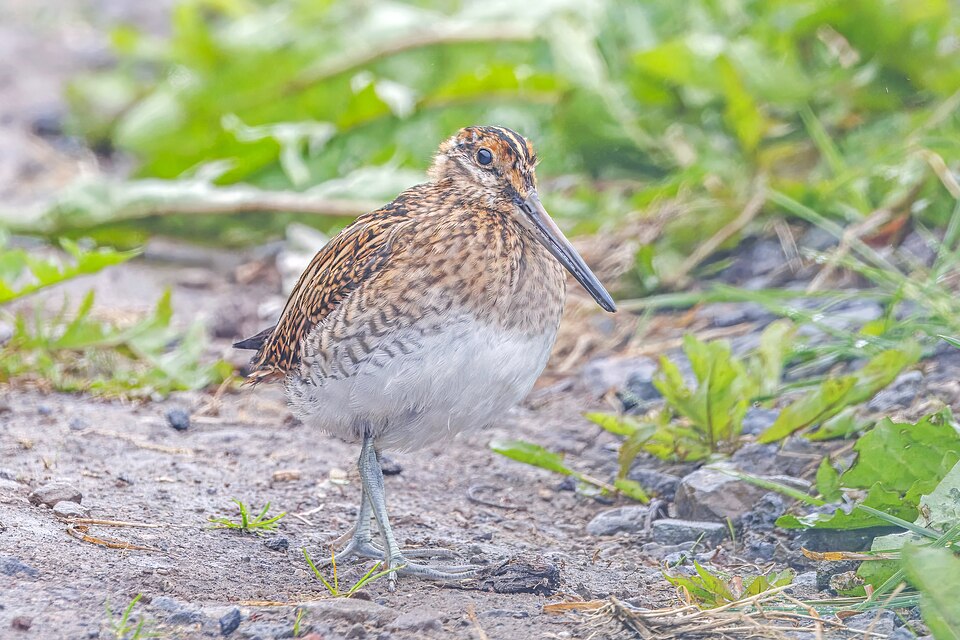
snipe-the-best-kept-secret-in-the-uplandsDownload The Latin name for the snipe found in Colorado is Gallinago delicata, known as the Wilson's Snipe. There is no "greater" or "lesser" snipe species in Colorado, although the Wilson's Snipe was once considered a subspecies of the Common Snipe (Gallinago gallinago).Here is a breakdown of the names and the differences between the species:Wilson's Snipe: This is the species found in North America and Colorado. Its Latin name is Gallinago delicata. It was formerly considered a subspecies (Gallinago gallinago delicata) of the Common Snipe.Common Snipe: This Old World species (Gallinago gallinago) is native to Europe and Asia.Greater Snipe: This species (Gallinago media) is not found in North America. It is a larger species of snipe native to the Old World, and is referred to as the Great Snipe. The Latin name for the snipe found in Colorado is Gallinago delicata, known as the Wilson's Snipe. There is no "greater" or "lesser" snipe species in Colorado, although the Wilson's Snipe was once considered a subspecies of the Common Snipe (Gallinago gallinago). Here is a breakdown of the names and the differences between the species:Wilson's Snipe: This is the species found in North America and Colorado. Its Latin name is Gallinago delicata. It was formerly considered a subspecies (Gallinago gallinago delicata) of the Common Snipe.Common Snipe: This Old World species (Gallinago gallinago) is native to Europe and Asia.Greater Snipe: This species (Gallinago media) is not found in North America. It is a larger species of snipe native to the Old World, and is referred to as the Great Snipe. Once the punchline of a childhood campfire prank, Wilson’s snipe has emerged as one of the uplands' most overlooked yet rewarding game birds. Blending the wetland settings

By |August 18th, 2022|Categories: Hunting, Wingshooting|Comments Off on The Elusive Snipe

Tanning a Deer Hide

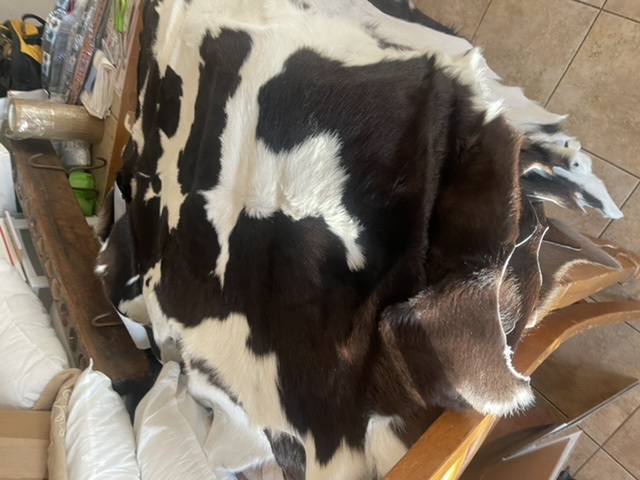
In this manner, how do you prepare a deer hide for tanning? Scrape every particle of fat and flesh from the hide with a knife. Begin the tanning process or preserve it with a generous layer of non-iodized salt. Salted hides can be air dried until the onset of warm weather, or frozen. Soak the skin in water in a plastic garbage can until it softens, changing the water often. How do I tan a hide with the hair on? Salting is what sets the hair and keeps the hide from decaying. Lay the hide out flat, flesh side up. Rub the salt into the hide. If the cape has been tube skinned, turn it over and salt the other side of the cape. Applying salt on the hair side is not necessary.

By |December 9th, 2021|Categories: Hunting|Comments Off on Tanning a Deer Hide

A Day at the Races, Behind the Scenes

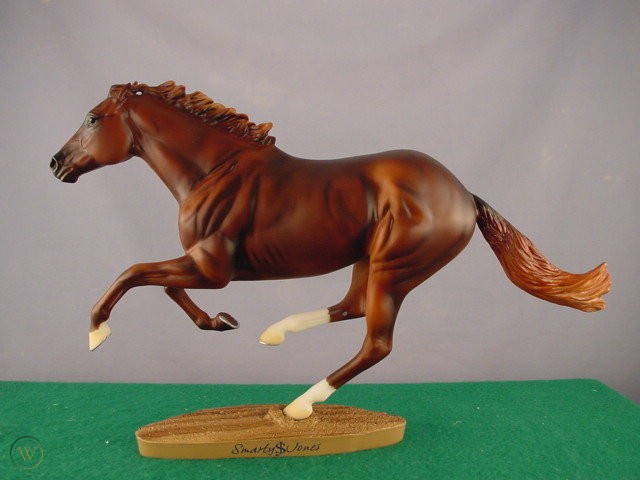
Shesasmartypants by Smarty Jones gets a bucket of oats Racehorses Get A Lot of Exercise They get turned out walking on a hot walker for 20-45 minutes once or twice a day. They get galloped, breezed or worked (each is progressively faster and the work is a timed workout reported to the track which must be completed twice in 60 days if the horse hasn't been raced in 6 months, and every 6 months thereafter for horses actively racing). And they share a lot of useful remedies with other disciplines to keep horses sound, but they have some of their own. Their Bits are All Snaffles Racehorses Eat A Lot Fiber is an energy source that is often overlooked in horse nutrition. Horses have a highly developed hindgut that houses billions of bacteria and protozoa capable of fermenting large quantities of fiber. The end products of fiber fermentation can be used as energy sources throughout the day because fermentation continues long after a meal has been eaten. Racehorses are generally fed unlimited hay, which amounts to a staggering 15-20 lb (a whole small bale) per day of clean grass hay such as timothy or oaten hay. Smaller quantities of alfalfa hay (2-4 lb or 0.9 to 1.8 kg per day) may also be offered. This level of hay intake will meet the racehorse’s maintenance DE requirement and help protect against gastric ulcers and colic. Feeding hay alone would leave the racehorse with an energy deficit of around 15-20 Mcal DE, and this must be supplied from other energy sources. Traditionally, these extra calories needed to fuel the racehorse were supplied by straight cereal grains such as oats, corn, and barley. The main fuel source in

By |October 6th, 2021|Categories: Hunting, polo|Comments Off on A Day at the Races, Behind the Scenes

Why We Hose Off Polo Ponies After Playing

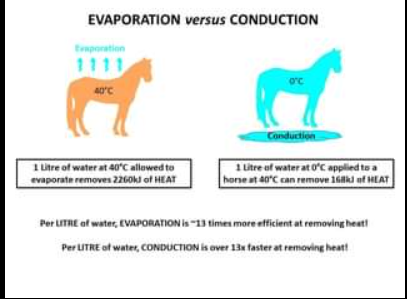
    From Dr. David Marlin HORSES, HEAT, SWEATING, COLD-WATER, COOLING, SCRAPING At the risk of preaching to the converted, as a few people are still sending me articles, often written by lay people, sometimes from vets, and telling me how wrong I am, I thought I'd try a pictorial approach 🙂 Per litre, Ice-Cold water (0-5°C) removes heat faster than evaporation of 1 litre of water or sweat. Per litre, the complete evaporation of 1 litre of sweat or water removes 13x more heat than 1 litre of ice-water BUT evaporation takes 10-15x longer to remove the heat. COLD WATER = QUICK COOLING, BUT WASTEFUL OF WATER (INEFFICIENT) - USE FOR RAPID COOLING EVAPORATION OF WATER OR SWEAT = SLOW, BUT DOESNT WASTE WATER (EFFICIENT) - USE FOR KEEPING HORSES COOL MYTHS Myth 1 - “You should never put cold water on a hot horse"Explanation - Ice-cold water(0-5°C) on hot horses does not cause shock, laminitis, kidney damage, muscle damage, tying-up or heart attacks! Myth 2 - “Water left on a horse will heat up and insulate and make the horse hotter."Explanation - Flawed physics! Water is a better conductor of heat than air. A wet horse will actually cool faster than a dry one, even if humidity is 100%. Myth 3 - “Scraping is essential." Explanation - Scraping just wastes time that could be better used putting more water on to cool by conduction. Scraping also wastes water when water is in short supply. Water which could evaporate on the horse. Water evaporating on the ground doesn't cool horses down. Myth 4 “Concentrate on large veins, arteries inside the back legs, large muscle groups"Explanation - NO. Cooling by evaporation or conduction works by cooling

By |August 17th, 2021|Categories: Hunting, polo|Comments Off on Why We Hose Off Polo Ponies After Playing

Game Calls

Lauren picked up some turkey and elk calls at the Colorado Sportsman's Show from these guys who hand make the calls in Colorado. Now, we just have to practice a bit more them them.  Here is what turkeys sound like in the wild.   https://youtu.be/MOcwkrl_pbI https://www.milehighnotegamecalls.com/ And, our daughter needs to find the turkey roost by the road next time we hunt our friend's property, so that we know where they go before they roost. This article may help which was recently posted over at Project Upland by AJ DeRosa.   New post on Project Upland   A How-to Guide to Roosting Turkeys by A.J. DeRosa ...Every night as the sun sets turkeys will go to roost. Those locations can reveal patterns and provide indications about where we should be hunting no matter what our method or tactics. Why Do Turkeys Sleep in Trees? Turkeys sleep in trees for one basic reason: safety (which comes from evolution). Trees provide the protection they need to avoid being eaten by predators in the darkness as well as offering safety from weather. Unlike other quarry we hunt (e.g., whitetail deer), turkeys never move during the night unless absolutely necessary. This is not unique to turkeys; other game birds like the ruffed grouse also roost in trees during most of the year. Turkeys predictably fly up in a tree at dusk and come down in the morning to begin their day. This fact is a building block for successfully scouting and hunting turkeys. Where do you Find Turkey Roosts? Roosting trees are often located immediately next to an area where they can fly down with a clear landing. This can be as predictable as a farm field or as surprising as

By |January 13th, 2020|Categories: Archery, Hunting|Comments Off on Game Calls

Ticks, Bears, Coyotes, Bobcats and Cougars

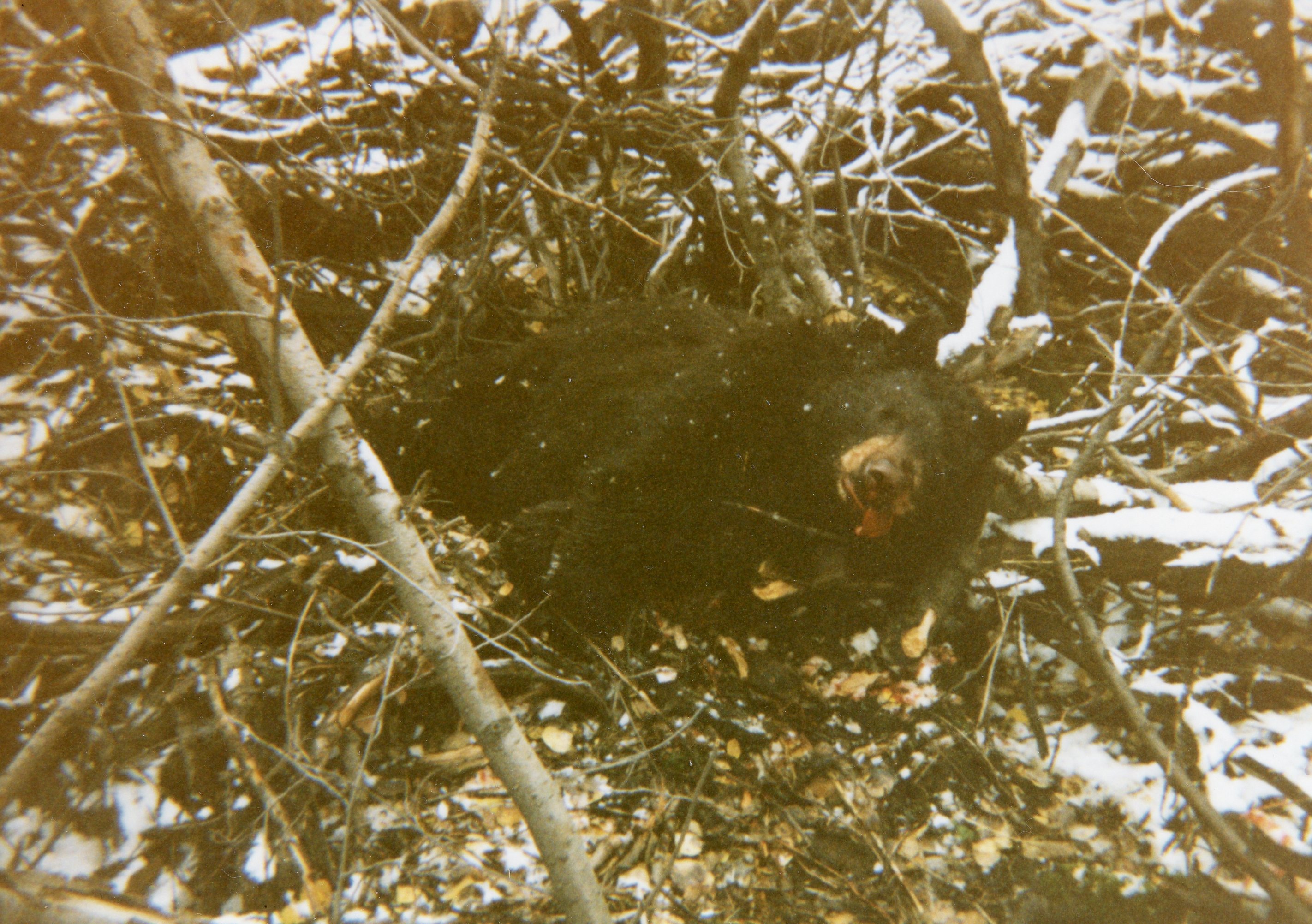
We are the world's first indoor species. Humans living in this generation now spend more time indoors than outside. And it's becoming very apparent when talking to children these days. I frequently get asked about spending a lot of time hunting and fishing in the mountains and about ticks, bears, coyotes, bobcats and cougars. The question usually has something to do with getting attacked by one or getting bitten by a tick or mosquito with malaria, West Nile Virus or the plaque. The chances of getting attacked by a bear are 1 in 2.1 million. So I like to tell people, "No, I'm not afraid of any of those things, as I already got my turn at that and survived a bear coming in our tent, so I really doubt that something like that would happen again to me, as the odds would be astronomical." I have also walked into a sleeping moose in thick willows nearly hitting him with the end of my fly fishing rod. Countless matches burned removing ticks, the odd encounter with a running bobcat and cougar, and watching hundreds of coyotes leave the scene with a human arrives. Bear hunting is facing a resurgence, spurred by an unlikely coincidence, as the Chinese are even paying $4000 for a wild bear gallbladder.  It's illegal to sell bear parts in the US, but in case you are wondering why this would fetch such a high price in China, it’s been a component of Traditional Chinese Medicine (TCM) for thousands of years. The gallbladder has a high concentration of ursodeoxycholic acid, and even modern scientists can’t deny its medical properties from non-surgical gallstone treatment to preventing tumor growth. Commonly sold as “bear

By |August 26th, 2019|Categories: Hunting, Uncategorized|Comments Off on Ticks, Bears, Coyotes, Bobcats and Cougars

Fitness and Stretching for Polo

https://gallery.mailchimp.com/2714deba6dbbe9a4b11e052d6/files/ec1556e8-956f-46de-8f5d-bdd1ffc4c58f/30_Day_Core_Training_Challenge_HDb.pdf?mc_cid=e4be164d75&mc_eid=9500f108f7     Martin Perez has a new website with a lot of information on fitness for polo. I used to do a fair amount of yoga before and after polo, but this guy is a professional trainer for polo athletes at the highest level and he's onto an even better stretching regime. He has nuitrition, conditioning, and loads of other information on his site. Check it out. https://www.fitnessforpolo.com   I used to be a sun salute stretcher, incorporating some running and hockey stretches, but I am taking a closer look at Perez's program because he has a lot of great information on his site. Whatever you do, do some stretching before and after polo and it will help your game and your recovery times.   I like to combine that with some of the things I learned from Tell Me Where It Hurts: The New Science of Pain and How to Heal by Dr. Rachel Zoffness, a pain psychologist, published in 2026.   This is particularly relevant to polo and all riding disciplines, as stress, thoughts, and inflammation all go together.   Dr. Zoffness lays out some frameworks towards understanding how they all go together: Biopsychosocial Venn diagram (“Pain is biopsychosocial, always”)Pain comes from three overlapping domains: Bio: genes, tissue damage, system dysfunction, inflammation, diet, sleep, exercise Psych: emotions, thoughts, predictions, memories, attention, coping behaviors Sociological: race/ethnicity, socioeconomic status, access to care, social support, trauma, environment The overlap shows that these factors interact rather than acting separately. Pain Menu This is the same three-category framework laid out as a list of “ingredients” in a high-pain recipe. It adds items such as age and sex, muscle tension, meaning assigned to sensations, mental health, beliefs, culture, gender, and

By |June 24th, 2019|Categories: Hunting, polo, Uncategorized|Comments Off on Fitness and Stretching for Polo

The 6 Guns Every Girl Should Learn to Shoot

These are what every sporting son or daughter should be taught in terms of firearms training, not necessarily in this order.   Proper teaching should also include a hunter's safety course as well.  A .22 LR rifle upon which to learn to shoot such as a lightweight AR style  S&W M&P 15-22  or a lever action Golden Boy. A beginner's rifle AR Rifle in such as the S&W M&P .300 whisper or the Colt .223.  For white-tailed deer hunting, zombies, and to learn to shoot a real rifle, some also like a bolt action .243 in a junior model for this purpose of teaching beginner's to shoot and hunt.  An AR is a better option in my experience, for kids, due to the collapsible stock and light weight. A .22 LR handgun for small game and plinking, which is where the Ruger stands out as a good and fairly inexpensive choice. A shotgun, preferably graduating to a proper side by side shotgun in 20 or 12 gauge. A 9 mm handgun for self defense.  In a significant shift in law enforcement armament, the Federal Bureau of Investigation (FBI) has selected the Gen4 Glock 17 and Glock 19 as its new service pistols. This decision marks a return to 9mm handguns for the agency and reflects a broader trend within law enforcement entities in the United States. .40 S&W has 387 ft lbs of energy at 50 yards, and has a velocity of 1,060 feet-per-second with a 155 grain bullet. You aren't likely to find many newer handguns chambered in .40 S&W. While it was a popular round in the 1990s, it has fallen out of favor for the less punishing 9mm Parabellum in recent times. 

By |October 26th, 2018|Categories: Hunting, Uncategorized|Comments Off on The 6 Guns Every Girl Should Learn to Shoot

Navajo Story of First Horse

This is the Navajo story of First Horse “When the Holy People first made the horse, it was a complete thing, but it would not come to life. They tried to get it to rise up on its strong legs, but it would not rise. Caterpillar was asked to help. ‘How can I help?’ he asked. “’You know,’ one of the Holy People said, ‘where the sacred flints are kept.’” “’Yes, this is true. But I am pretty slow getting around.’” “Then the Holy People prayed over Caterpillar and he became Butterfly. Swiftly he flew to the Mountain Where Flint Is Kept. After gathering four flints, he returned to the Holy People and put the flints into the hooves of the horse. The great horse stirred, quivered, and came to life. Then it surged, leaped fully into life, struck the air with its hooves, and galloped off into the clouds. “’Look,” a Holy Person said. ‘The horse makes the marks of Butterfly when it dances on its hooves!’ And it has been that way ever since.” Navajo people believe that there are Five Horses of the Sun Father. And, they believe that they are a way of telling time, Navajo-style. White shell and pearl horses represent dawn, turquoise is noon, red shell is sunset, and jet or coal is night. (Adapted from An Ethnologic Dictionary of the Navajo Language, 1929; The Franciscan Fathers.) It’s only fitting that the old Indians used to tie a tree branch to a horses’s tail to cover up their tracks as they rode off to make a new camp.

By |October 26th, 2018|Categories: Hunting, Uncategorized|Comments Off on Navajo Story of First Horse