Fly Tying

Tying Flies Like a Pro by Marty Bartholomew

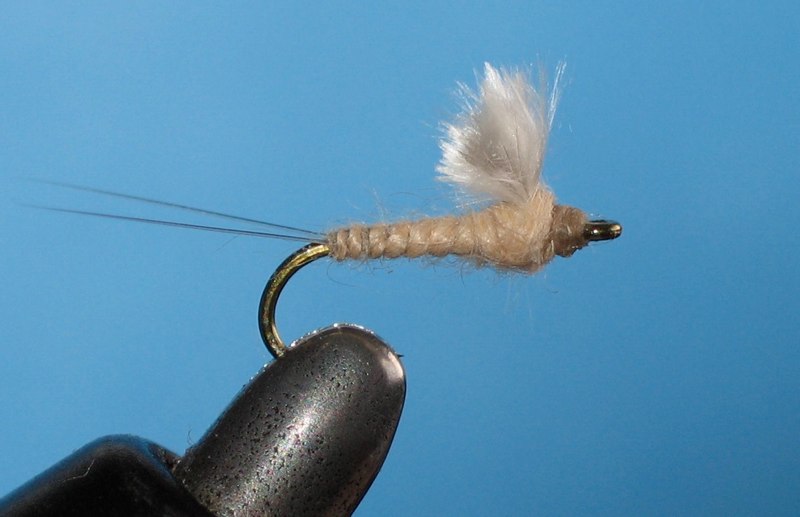
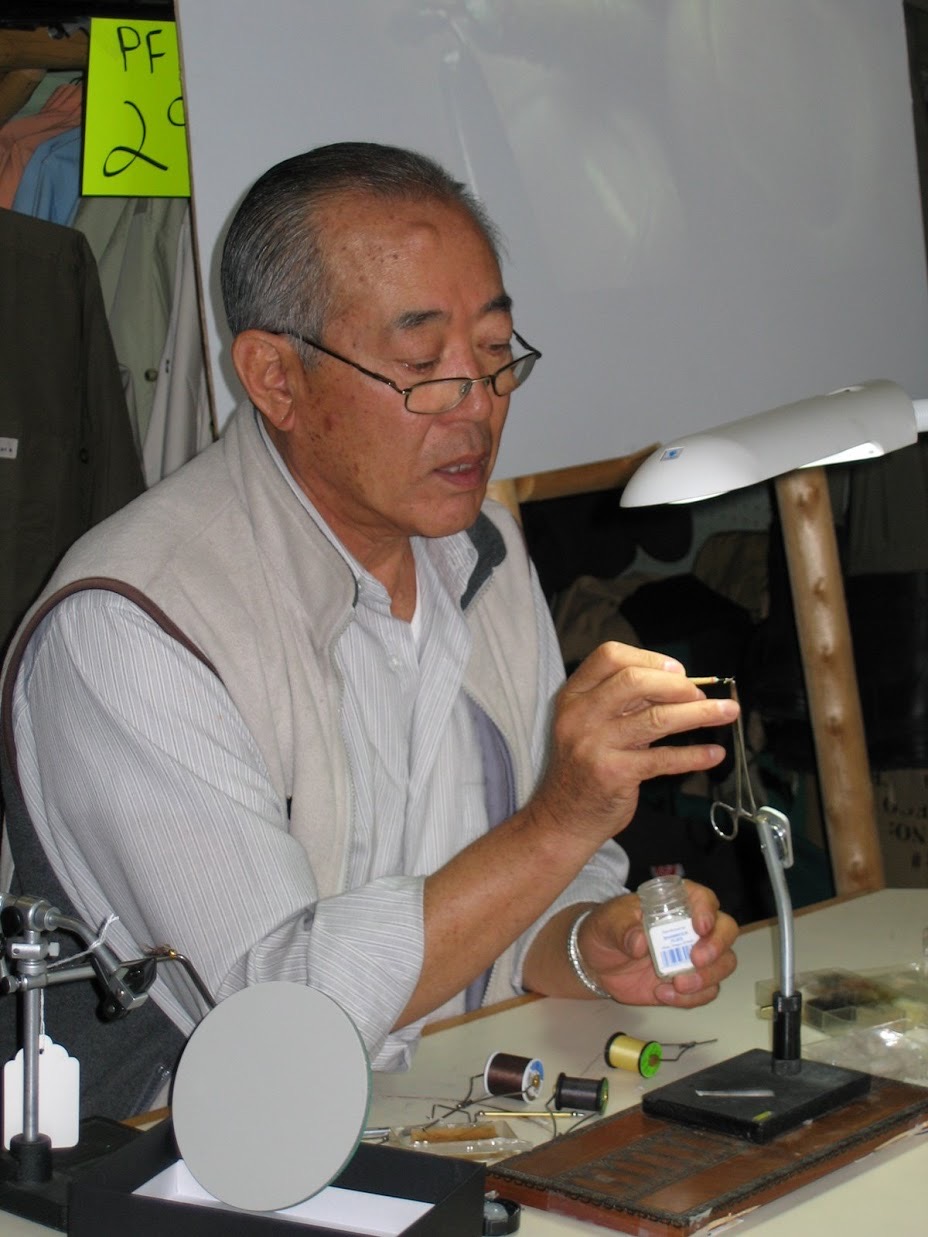
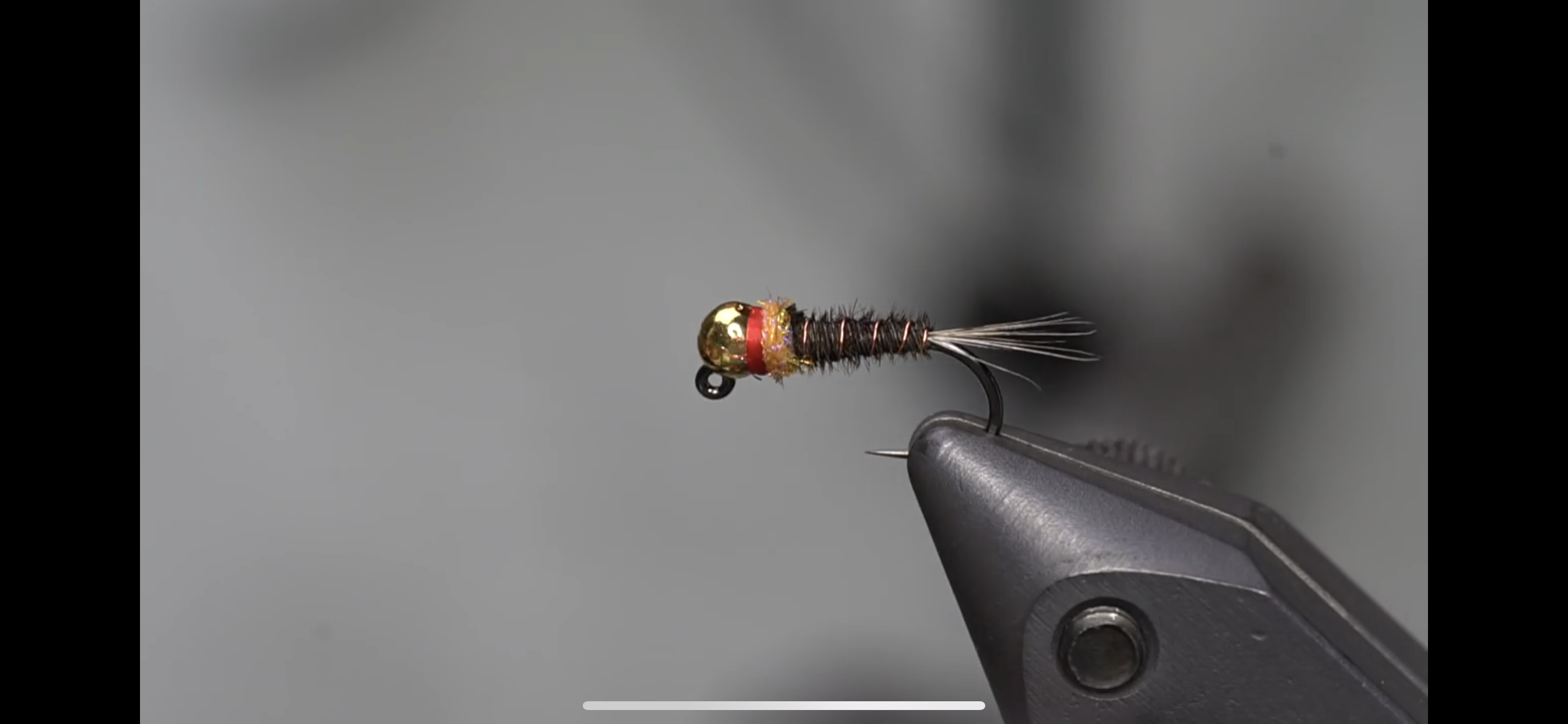
This book features many tiers, including my friends, John Hagen and Rim Chung.  John is a native of South Dakota and is professional duck and goose hunting guide, as well as fly fishing guide and professional fly tier.  John's passion is in dry flies, while Rim Chung's passion is in nymphs, specifically the RS2 and his Avatar fly. The book features John's Exploding Caddis and Prince Nymph, together with Pat Dorsey's version of the RS2, which he calls the PMD RS2, where it is written that "His fly boxes are loaded with tiny patterns on these streams (in the Denver area), and just about every other row is some type of RS2. "My clients bring a lot of flies to net using this fly, so I maintain an ample supply of them."  The RS-2 is a very simple fly to put together and I recommend that you tie a few for yourself, writes the author.  He says, "Take them to your local water and see for yourself how productive this pattern can be."   The RS-2 is also featured starting on page 104.

By |February 3rd, 2026|Categories: Fishing, Fly Tying, Rim Chung, RS2, Uncategorized|Comments Off on Tying Flies Like a Pro by Marty Bartholomew

Nymph Fishing with the Master Rim Chung – An Interview

I have fished with Rim Chung more weekends than not for the past twenty years and I a self-confessed student of his method, so you may find this article a bit biased towards his method.  For this method has been my only one for nearly that entire span of time, feeling it is the most effective manner of catching trout, salmon and grayling in streams.  Knowing that Rim has only fished one fly in about six sizes and six colors for the past thirty years, I asked him a question a couple of years ago, “If you only had one RS2s to choose from which would you choose?” He shot back, “The question should become on which river?  If it were for use on a freestone river, I would choose size 16.  Any color would do the job.  But for a tailwater, such as the Deckers area of the South Platte, you would have to have various sizes and colors.” Rim continued, “From nearly thirty years of fishing that river, you see, I have assembled a so-called hatch chart in my own mind.  From that length of experience, I can reasonably predict the predominantly available insect life for a particular time of year.  In the winter, my favorite for that river would be size 24 black.  I am sure that I can get by with that particular size and color all winter long, because of the predomination of small midges that time of season for that particular river.” I continued to push for a hint of limitations or at least where to start among the thirty six RS2s in his box, “Could you use that same fly for a season, such as the summer, maybe

By |February 3rd, 2026|Categories: Fishing, Fly Tying, Rim Chung, RS2, Uncategorized|Comments Off on Nymph Fishing with the Master Rim Chung – An Interview

Frank Sawyer’s Bow Tie Buzzard

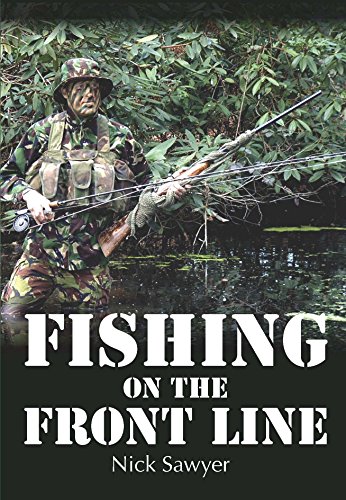
One of Sawyer’s favorite flies is described in Fly Fishing With a Buzzer Nymph, as described by my old pen pal. By Nick Sawyer  |   Submitted On May 03, 2010 There are a great many representations of buzzer nymphs available on the market. Some of them are very good and no doubt most of them will have caught fish at some time. As far as I know, there is only one bow-tie buzzer and that is the pattern designed by Frank Sawyer. Any others are simply copies of the original in just the same way as all weighted nymphs are developments of the Sawyer Pheasant Tail Nymph. Frank Sawyer spent a lot of his life teaching others how to use his original nymphs, the Pheasant Tail, the Killer Bug, the Sawyer Swedish and the Grey Goose. All require much the same technique and are used the world over with varying levels of skill. The Frank Sawyer Bow-Tie Buzzer (BTB) is completely different. It is true that a few fish will be caught whilst using it as a conventional weighted nymph but as such it is far from deadly. When fished as Frank intended, it really comes into its own. The natural buzzer nymph hangs in still water, just a few centimetres below the surface. In its struggle to transform itself from nymph to fly, the buzzer seems to rotate in the water. All buzzers appear to have a kind of frill around the head. As with all things to do with fish and flies, Frank Sawyer spent years observing what happened underwater. He knew that if fish were to take a representation of a buzzer with any sort of frequency, something unique was required. He tried all sorts

By |April 29th, 2020|Categories: Fishing, Fly Tying, Uncategorized|Comments Off on Frank Sawyer’s Bow Tie Buzzard

Fly Tying Head Cement for Small Flies

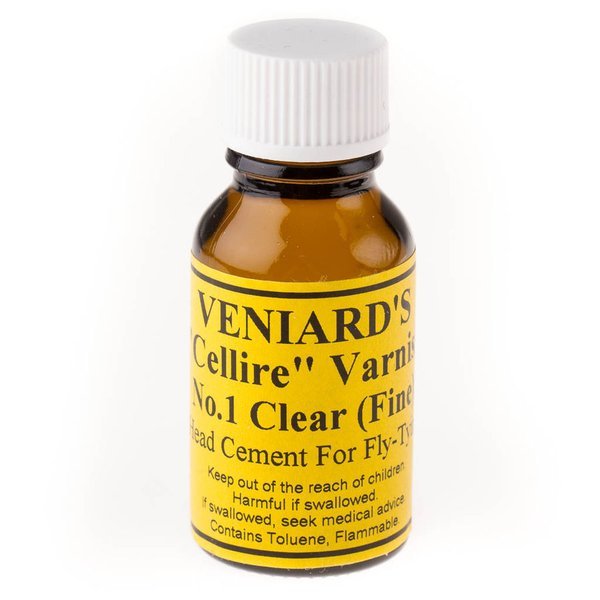
Griff's head cement is gone, and a part of me has died. I'm in search of a replacement for the best head cement currently available for tying small trout flies. Griff's head cement has been discontinued, which was the best head cement commercially available for tying of small flies. Rim Chung is now using laquer and laquer thinner. I've gone to Veniards No. 1. Lacquer-based Head Cements Many other modern Catskill masters also use spar varnish as well as lacquers in their various forms. The well known Western fly tyer A.K. Best, in his book, "Production Fly Tying", advocates the use of common hardware store lacquer for its economy and fast drying qualities. Many of the "lacquer" head cements you purchase appear to be a very small bottle of nitrocellulose lacquer that you can get at the hardware store for a whole lot less money…(like A.K. Best says). If the head cement is a pale yellow color (or clear) and smells like lacquer thinner, it is a good bet it is lacquer. Griff’s Head cement - Griffin makes two versions, thick and thin. This is a very common product found in the US. A lot of my friends used this stuff because it was so readily available in our area. But it’s not thin like Griff’s. TroutHunter Harrop Superior Head Cement is the next on my favorite list, but the cloudy color is less than desirable to look at in the bottle anyway, though the application of it seems fine. I am also trying Homemade Thin Nail Polish Head Cement Recipe which is the 2/3 Sally Hansen's Hard as Nails, Clear Topcoat, with 1/3 straight acetone. Veniard’s No. 1 is the closest I have found and my favorite so far. Rim

By |April 29th, 2020|Categories: Fishing, Fly Tying, Rim Chung, RS2, Uncategorized|Comments Off on Fly Tying Head Cement for Small Flies

What Happened to Mark Roth?

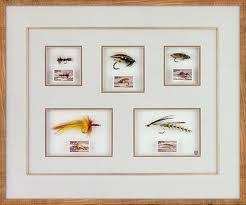
What ever happened to my fly tying picture framer friend, Mark Roth? If anyone knows how I can reach him, please let me know, as the mail I sent to his house/garage workshop in Woodland Park seems to have been returned. You can drop me a line at sportingroad@gmail.com. The following used to appear on his site about his hand rubbed wooden fly frames, which are unparalleled: Roth AnglingAll items are hand made one at a time...nothing here is mass-produced or farmed out. I started fly-fishing at age 11, and then filled my first professional fly order at age 12 in 1973, after being taught by Andy Puyans while working in his shop in Pacheco, Calif. I took up framing in 1988 following a number of customer requests. Some fishermen may have seen my small magazine ads in the late '80s and early '90s in 'Fly Rod & Reel' and 'Fly Fisherman' magazines, at which time I put out a small mail order catalog...this web site now functions as the catalog.A fly plate presentation consists of assorted flies mounted in a recessed shadowbox-depth frame, either with or without angling art or a photograph to correspond with the chosen flies. Each finished fly plate on this page is signed and dated, flies tied by Mark Roth. If you would like your own flies mounted in a fly plate, see: Custom Fly Framing page. Or if you see a design below you'd like to add your own flies to, inquire for a quote for a 'kit-only' on these without the flies.Each fly plate includes archival mats with gold & black French mat lines, acid-free backing, and each fly carefully mounted in a cherry frame. The depth of

By |April 29th, 2020|Categories: Fishing, Fly Tying, Uncategorized|Comments Off on What Happened to Mark Roth?

Semblance Minimalists, Impressionists and Exact Imitationalists

The essence of zen is the beauty of simple things. Fly or Nymph Fishermen tend to fall into one of the above three categories. I am a semblance minimalist fly fisher and only carry 5 or 6 different patterns. I used to carry around 3000 patterns, I was an exact imitationalist, as I was a commercial tyer in my youth. But nowadays it’s just Rim Chhng’s RS2, the Improved Yong Special, the YKnot, the Calgon Fly, Andy Kim’s micro egg and a pheasant tail variant. If I found my former methodology more effective, I'd return to it. But minimalism suits me, and the fish as well. My old pen pal Nick Sawyer explains the minimalist set up well: http://EzineArticles.com/4255534

By |April 29th, 2020|Categories: Fishing, Fly Tying, Rim Chung, RS2, Uncategorized|Comments Off on Semblance Minimalists, Impressionists and Exact Imitationalists

RS3 Fly-Imitation is the Best Form of Flattery

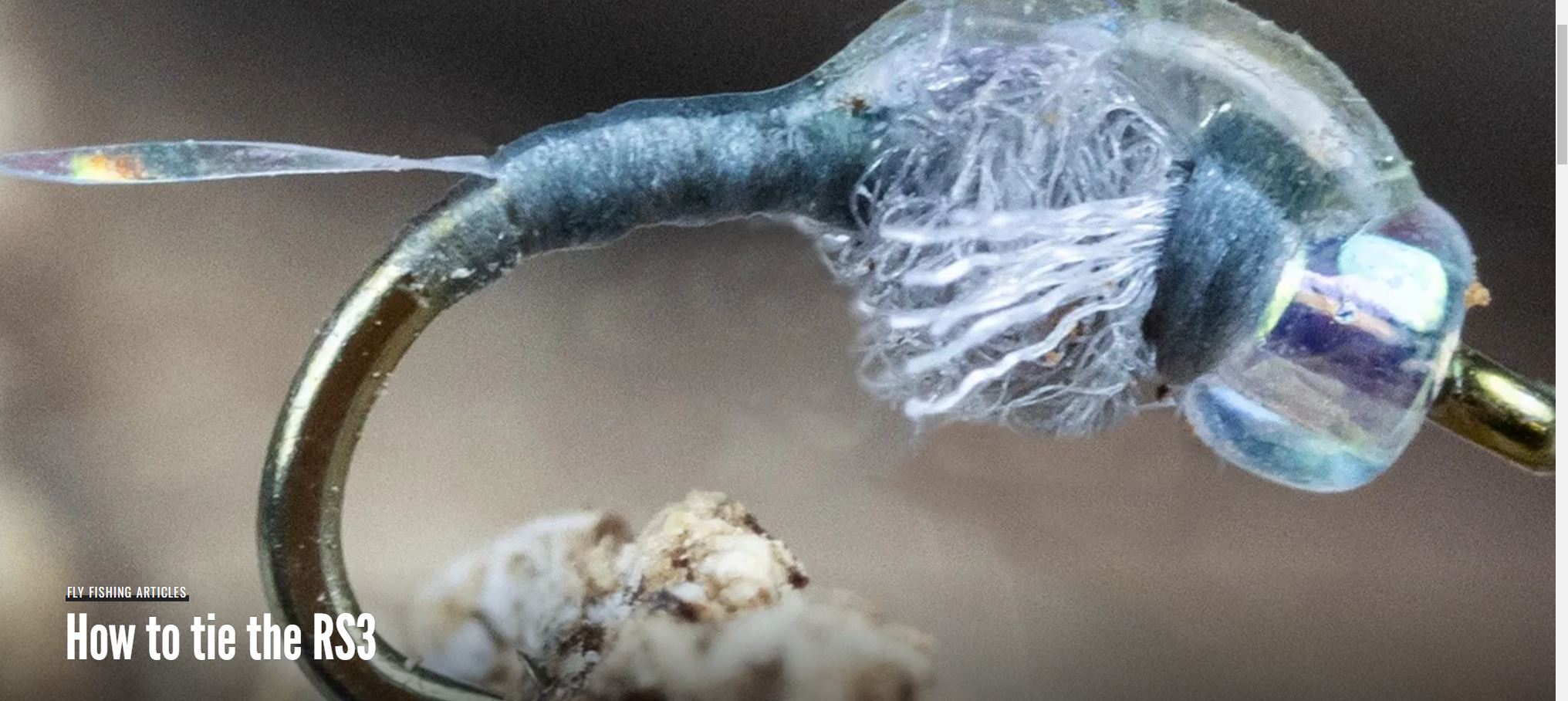
Over on avidmax.com, they just recently posted the following article about the RS3 fly, which is a supposed adaption to create a bulkier nymph than the RS2 fly which was devised by my very good friend, Rim Chung, some 30 years ago. Not sure why you would want "a bulkier nymph" but perhaps he's on to something, I don't know. To me, it looks more like the emerging Alien out of the movie by that title than an improvised RS2 to me, but everyone is entitled to their own tyings and who knows what works until you experiement with it, which Rim would approve of doing as many experiments as possible on the stream to find what works best for you and the trout in your area. There have been many commercial attempts to duplicate and/or improve the RS2 since Rim invented it, as he has never sold it commercially or attempted to keep the pattern to himself in anyway, including Rim's own Avatar fly. So as Rim always says, imitation is best form of flattery. Here's the article by Max Pavel on his RS3: How to tie the RS3 Max writes: The RS2 is a classic pattern that was created by Rim Chung. RS stands for “Rim’s Semblance”. The fly pattern was designed to imitate an emerging mayfly. If you have fished in Colorado the chances are you have heard about the RS2. The RS3 is a spin on Rims pattern that I developed because I wanted something that was tied on a heavy wire hook with a slim profile to be fished on bigger CO rivers where the average mayfly is a bit bigger then on the tailwaters. This fly has been very

By |January 15th, 2020|Categories: Fishing, Fly Tying, Rim Chung, RS2, Uncategorized|Comments Off on RS3 Fly-Imitation is the Best Form of Flattery

Lance Egan’s Team USA Competitive Angling Flies

Euro nymphing is all the rage among marketing and fly shops these days as they tought their wares of "tactical angling" and "competitive angling." This is nothing really new compared to the methods that Rim Chung has employed for the last 30 years with his light-line nymphing methods here in Colorado, but the European methods seem to have evolved along similar paths. Fly shops have jumped on board, in an effort to sell more rods and a whole new line of leaders and flies, in an industry that has been largely stagnant for the last ten years. I have to admit that the premier guru of this euronymphing method is Lance Egan who has now produced probably the two best fly fishing videos/movies that have ever been produced to date, and the links to these movies are below. So being curious about his flies, I decided to order a few of his flies from his www.flyfishfood.com site. The ones we have found most useful in Colorado and Montana, we have posted tying directions here. Gut Sack Sow Bug Gray - 18 Stonefly Chenille - Coffee/Black Egan's Rainbow Warrior - Red - 18 Egan's Rainbow Warrior - Pearl - 20 Egan's Tungsten Surveyor - 18 Egan's GTI Caddis - Amber - 14 Egan's Frenchie - 18 Egan's Jig Frenchie - 12 Egan's Jig Rainbow Warrior - 16 Transfoamer Pink - 10 Pat's Black and Tan Rubber Leg - 8 The Thread Frenchie, a take on the classic Frenchie a very well-known Euro style fly is a great way to get a super slim bodied Euro style fly. This fly has evolved thanks to Lance Egan of Fly Fish Food and for good reason. Not only is

By |August 26th, 2019|Categories: Fishing, Fly Tying, Uncategorized|Comments Off on Lance Egan’s Team USA Competitive Angling Flies

Turck’s Tarantula

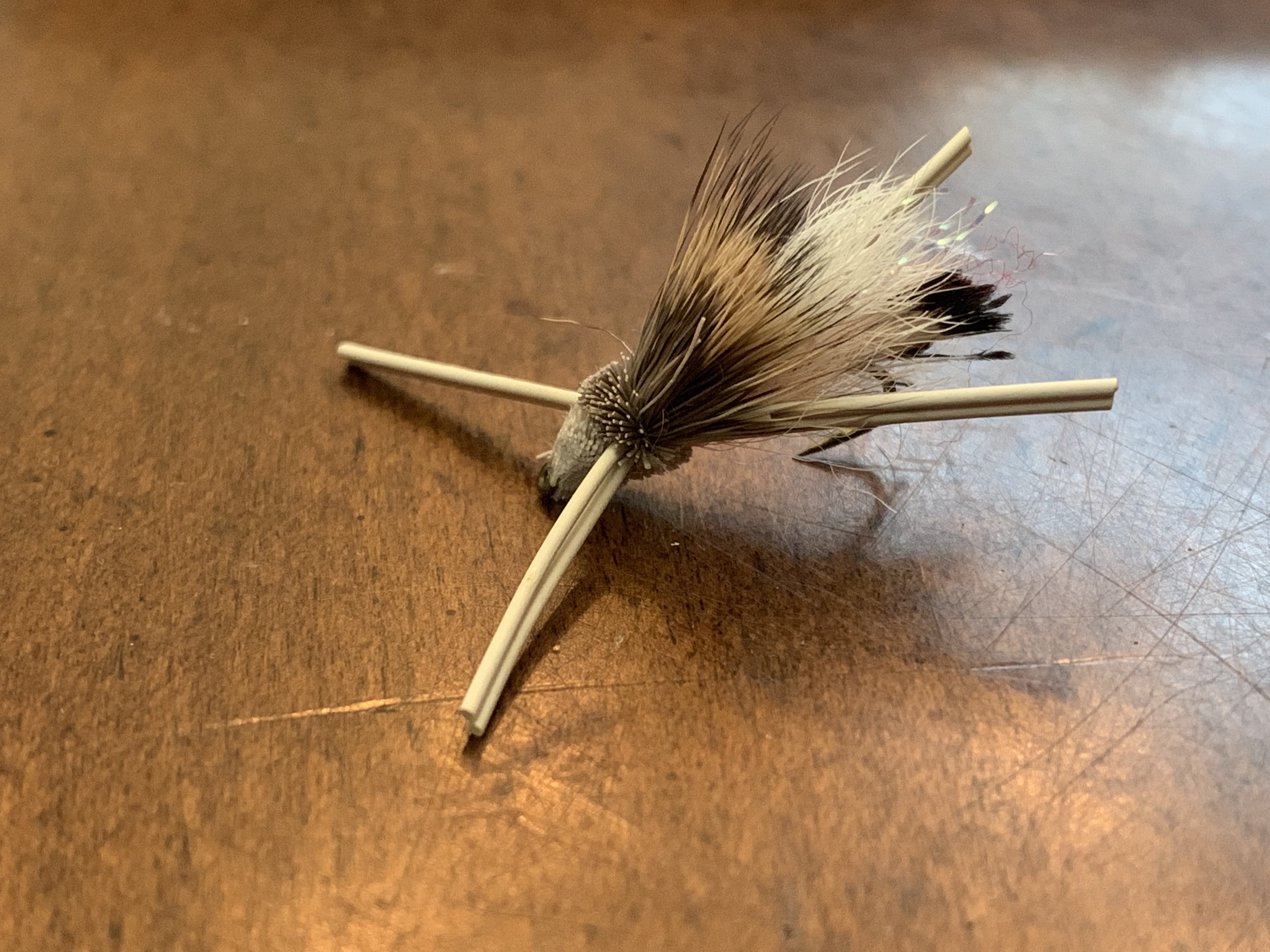
It's funny how time flies and how over time, some flies disappear while others just get repackaged with easier to tie foams, etc. One day, the Madam X is a popular pattern, and then you wake up and it's two decades of Turck's Tarantulas, and now there are dozens of knock-offs including the The Chubby Chernobyl, the Rubber Legged Stimulator, or the Stoneflopper. Thirty years has gone by since the Madam X. Sounds like a country song doesn't it? But, so is life, time passes, things change, some get easier, some just get uglier. And the flies are in essence the same, but have gotten easier to tie with foam replacing spun hair, etc., which not only makes the flies uglier, but much easier to tie. I have to say I am glad I stocked up, back when flies were good looking. One of my favoite flies is Guy Turck's Tarantula. I was one of the first to order it from him from his site back in 1995. In 1990, Guy began guiding float fishermen for Jim Jones’ High Country Flies in Jackson.  In August of 1990, while searching for a pattern that improved the durability and visibility of the increasingly popular Madam X fly, Guy developed his clipped deer hair head, rubber leg hopper/stonefly imitation.  During a slow afternoon Guy handed his creation to a client, World Bank head Jim Wolfensohn.  Noting the fly’s bulky, leggy appearance, Wolfensohn quipped, “What is this thing, a tarantula?” This wonderfully creative fly name stuck like head cement.  By September when the Snake’s hefty Classenia Sabulousa stoneflies become active, another guide pal, Shannon McCormick, introduced Guy to master fishing entrepreneur George Anderson of Livingston.  Turck gave the “Montana

By |August 3rd, 2019|Categories: Fishing, Fly Tying, Uncategorized|Comments Off on Turck’s Tarantula

Silk Fly Tying Dubbing

Often times I am asked where do you get the natural beaver fur dubbing dyed in various colors for tying Rim Chung's original RS2? I was surprised the other day when Rim suggested to a guy that he buy silk dubbing. I didn't even know it existed. The problem with commerical beaver dubbing is that the fibers are cut and blended in a blender type machine. This results in a lot of short, coarse pieces that go onto the thread in a big clump. The natural fibers off the pelt, can be 1/2" to even 1" long and they can be aligned vertically with the thread, a few fibers at a time, to form a dubbing rope which is then twisted finely onto the thread. The problem nowadays is there are not many commercial companies offering beaver fur on the pelt, and if it is offered, it is usually only in the natural gray, brown and sometimes black, not the olive, yellow, and tan that Rim also uses. So to check it out, I ordered some Kreinik silk dubbing in the following colors:Adam's Grey Black Cinnamon BrownDark DunLight CahillOlive Hare's Ear Pale Yellow They are nice and fine fibers, with longer strands, perfect for substituting for natural beaver. So if you can't find natural beaver dubbing on the fur, and/or don't have time to dye your own then try some silk dubbing. Kreinik Manufacturing Phone: 1-800-624-1928 Fax: 304-428-4326 URL: www.kreinik.com

By |August 3rd, 2019|Categories: Fishing, Fly Tying, Rim Chung, RS2, Uncategorized|Comments Off on Silk Fly Tying Dubbing