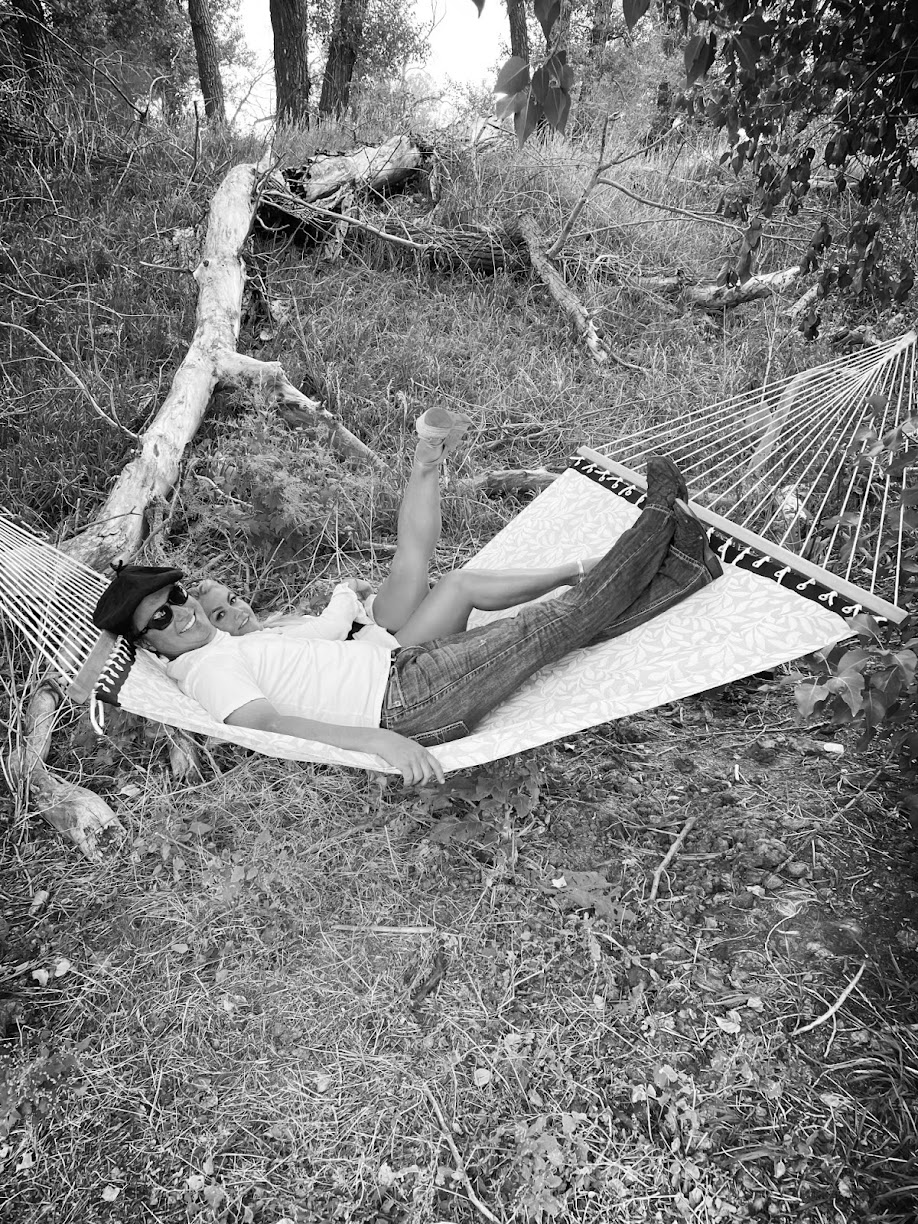
Camping Hammocks and Tents
https://youtu.be/R-A265qrsuA
https://youtu.be/R-A265qrsuA
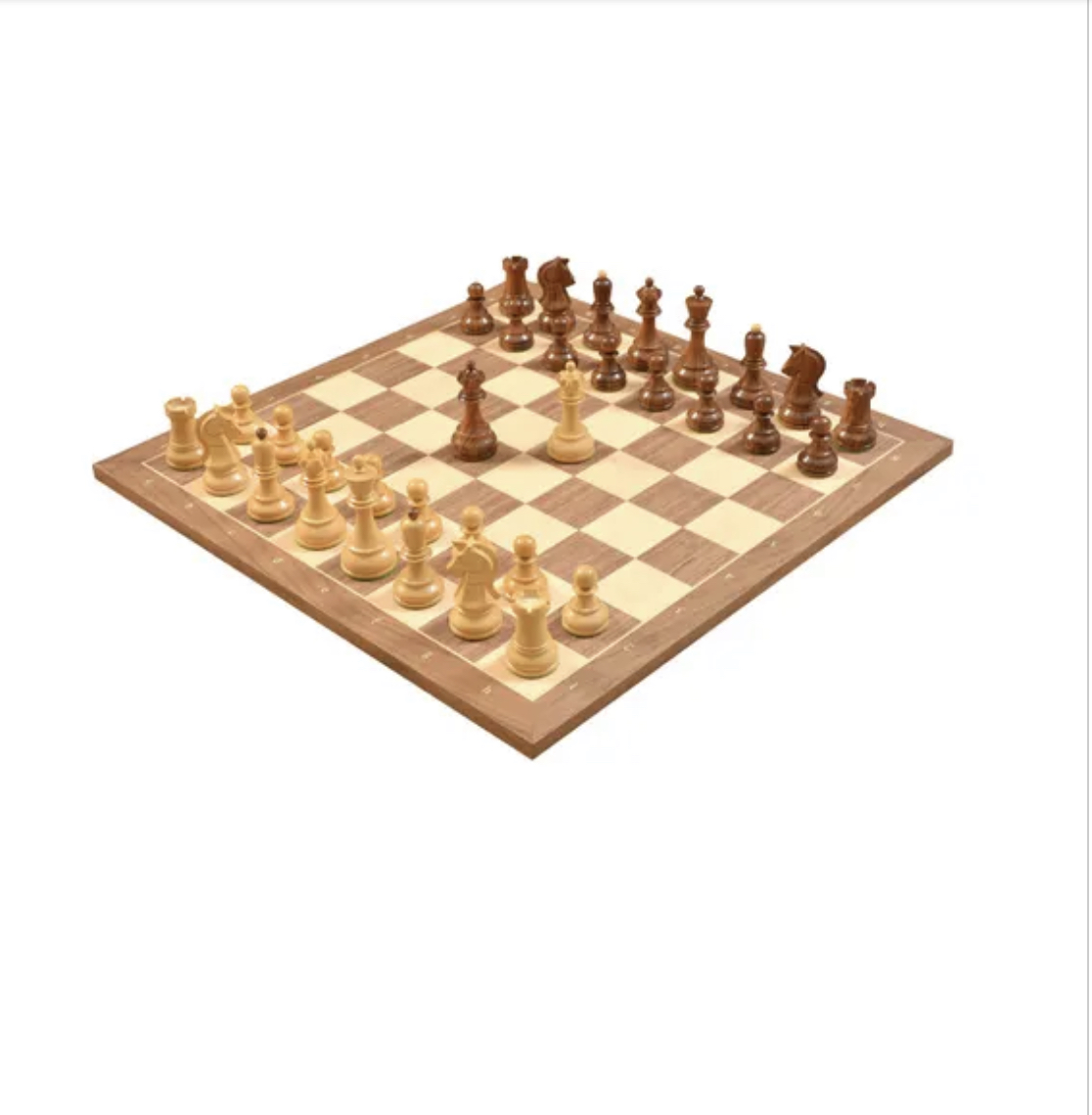
As COVID-19 spreads around the world, confining millions of people indoors, online chess has exploded in popularity and provided much-needed social connections for longtime players and newcomers alike. Chess.com, the most-visited global website for online chess play, expects 10 years worth of site growth to occur within the next few months. It has gained more than 700,000 members over the past three weeks, according to figures provided to Sporting News, and last weekend elevated to 9.1 million games played per day. The company is asking its engineering team to work overtime to keep its servers stable. Bernard Shaw despised it. "Chess," he said, "is a foolish expedient for making idle people believe they are doing something very clever when they are only wasting their time." HG Wells took a similar line. "The passion for playing chess is one of the most unaccountable in the world," he wrote in an essay. "It annihilates a man." Raymond Chandler was just as rude, calling it "as elaborate a waste of human intelligence as you could find anywhere outside an advertising agency". I prefer the view of the German-born Siegbert Tarrasch, the best player in the world in the 1890s, though never world champion (the official title had only been instituted in 1886). "Chess, like love, like music, has the power to make men happy," he wrote in the preface to The Game of Chess, which was published in 1931, three years before his death. The more you know about the game, the more limitless it seems. Thirty-two pieces and pawns on a 64-square board, yet more possible game variants than there are atoms in the universe. We all differ in our abilities to solve problems, learn, think rationally, acquire new knowledge and integrate existing and new ideas.
Reflections on COVID, Culture, and Technology A Different Kind of Thanksgiving Be thankful that a new day has arrived. No matter how difficult things may seem, the sun will rise again tomorrow. During the COVID shutdowns, many stores closed on Thanksgiving so people wouldn’t gather in large crowds. In some ways, that encouraged a return to simpler traditions. Instead of spending the entire holiday shopping or glued to devices, families spent more time hunting, reading books, playing games, cooking meals together, and reconnecting at home. Returning to the Outdoors Local parks saw record numbers of visitors, and more people began spending time outdoors. Even kids developed a renewed interest in hunting, fishing, and other outdoor activities. People also started cooking at home far more often, while restaurant visits declined and grocery bills increased. These shifts reminded many people of a slower and more grounded way of living that had been fading for years. The Downside of Constant Screens At the same time, many people became consumed by nonstop news cycles, social media, and fear-driven conversations surrounding the virus and politics. Endless time spent staring at screens and worrying about government failures created another cultural problem of its own. According to Verizon, U.S. video game usage during peak hours surged after quarantines began, and television viewing also increased dramatically. While some positive lifestyle changes emerged during shutdowns, excessive media consumption and digital dependence became major downsides. Cancel Culture and Political Division Over the last several years, the idea of “cancel culture” has expanded dramatically. Public figures, celebrities, and even political leaders can now lose platforms, careers, or public support almost overnight because of controversial opinions or statements. Social media companies such as Twitter and Facebook
I have been spending sometime in Bozeman, Montana the last several years and was surprised to find so many galleries and museums exhibiting Russell Chathams works. I guess it was not all that surprising, he was a prolific artist, but his work is in the Museum of the Rockies and Bozeman Art Museum, as well as a couple of galleries along Main Street. I first met Chatham at a showing called "Russell Chatham in Person,” new oils and lithographs by Chatham in Cherry Creek North in Denver in 2005. A fly fishing group that I belonged to at the time was advertising the showing. Seeing all of his work in one small gallery, kind of gave you an eerie dream like feeling, especially with the dramatic lighting which allowed otherwise subdued paintings to have portions of the scene glow in pinks and yellows as the light hit the canvas. My favorite Chatham painting But he was also known for his lithographs, this one being my favorite Stephen Collector, a good friend of Chatham's before he passed, loves photographing in the fog, which was also coincidentally prevalent in a lot of Chatham images Russell Chatham and the Art of the Sporting Life Russell Chatham lived the sort of life that is difficult to separate into neat categories. He was a painter, a printmaker, a writer, a hunter and a fisherman, but none of those descriptions quite explains him. The real subject of Chatham’s life was the sporting life itself—the way hunting, fishing, food, friendship, travel and art can become less a collection of hobbies than a way of seeing the world. For much of his career, Chatham lived in Livingston,
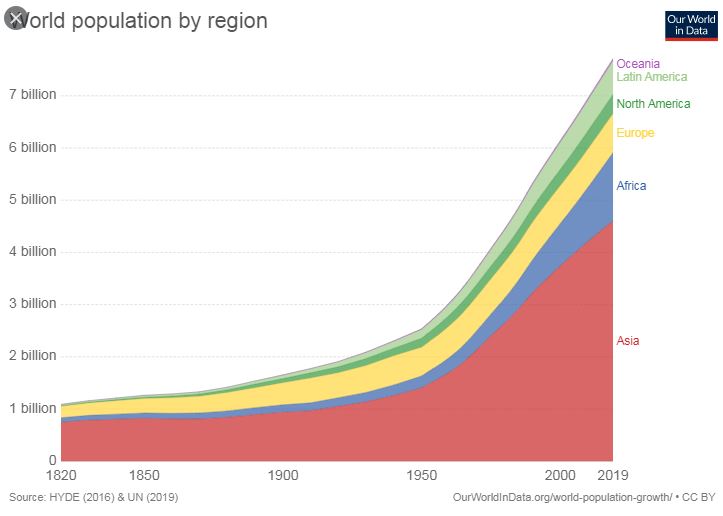
Our daughter likes to say that Boomers ruined planet earth, but the attached chart should convince you of the truth of why the planet is different now than it was when our grandparents grew up. There are nearly 8 billion people now on planet earth, with over 3800 customs, and 7100 languages. Humans have been on the planet for really only 200,000 years, whereas other species such as horses for some 3,000,000 years. Over 90% of the creatures that have inhabited the earth are now extinct. There have been five ice ages in the earth’s history. We like to talk about change, let’s not be too short sighted on what it is exactly that we are concerned about with change. ---------- And it's not really about drilling either, writes Right vs Left News: "The idea that we are going to eliminate fossil fuels is a pipe dream," Moore said Sunday during an appearance on "The Cats Roundtable" on WABC 770 AM-N.Y. "We're not going to go from 80% fossil fuels down to zero in the next 15 years, or else we will bankrupt our country." Democrats are fighting for renewable energy, but Moore said America can provide the technology to develop and become better and more affordable as we use the resources that have made America energy independent under former President Donald Trump. "We need to use the energy that we have," Moore told host John Catsimatidis. "We have more oil, more gas, and more coal than any other country. We've got 500 years' worth of coal. We have at least 200 years of natural gas. We’re not running out of this stuff." Moore said Biden needs to get with the "program." "Trump used to
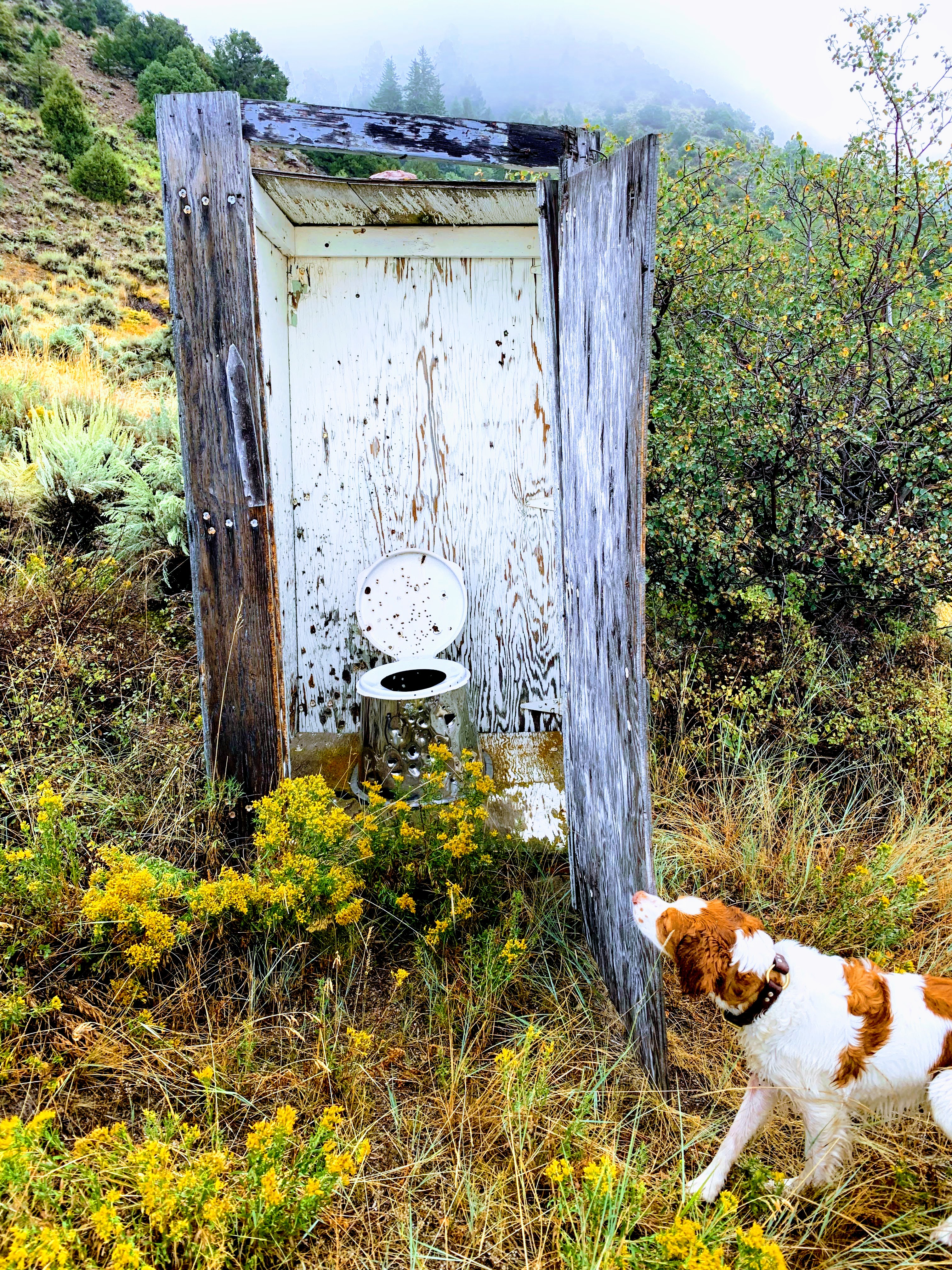
The Sears Catalog Method My mom grew up on a farm and at the outhouse that they had was a copy of the 2" thick Sears and Roebuck catalog. Self-explanatory. The Leaf Method My dad was a big outdoorsman and was a fan of the leaf method. This guy explains how on his site and he even grows a specific plan for doing the deed. https://robgreenfield.tv/toiletpaper/ The Bidet Method The Backcountry Bidet is pretty simple– it’s a 4 fluid ounce squeeze bottle with a flip-top, which I found in the miscellaneous water bottles section at REI many years ago. You could use any kind of squeeze bottle that can produce a high-powered jet with a one-handed squeeze. For reference, I can get a good 20-foot jet out of my bottle (not that I test that every chance I get…). https://smile.amazon.com/gp/product/B0108GMCWY/ref=ppx_yo_dt_b_asin_title_o06_s00?ie=UTF8&psc=1 https://smile.amazon.com/gp/product/B016EN1GMM/ref=ppx_yo_dt_b_asin_title_o05_s00?ie=UTF8&psc=1 https://smile.amazon.com/gp/product/B07L448T4K/ref=ppx_yo_dt_b_asin_title_o07_s00?ie=UTF8&psc=1 The Paper or Cloth Method
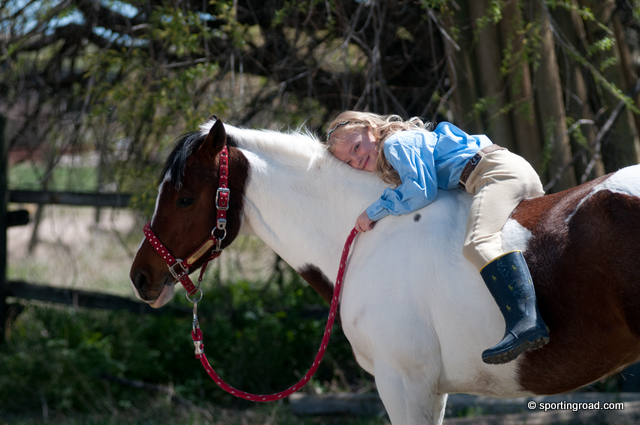
She Had Some Horses BY JOY HARJOI. She Had Some Horses She had some horses.She had horses who were bodies of sand.She had horses who were maps drawn of blood.She had horses who were skins of ocean water.She had horses who were the blue air of sky.She had horses who were fur and teeth.She had horses who were clay and would break.She had horses who were splintered red cliff. She had some horses. She had horses with eyes of trains.She had horses with full, brown thighs.She had horses who laughed too much.She had horses who threw rocks at glass houses.She had horses who licked razor blades. She had some horses. She had horses who danced in their mothers' arms.She had horses who thought they were the sun and theirbodies shone and burned like stars.She had horses who waltzed nightly on the moon.She had horses who were much too shy, and kept quietin stalls of their own making. She had some horses. She had horses who liked Creek Stomp Dance songs.She had horses who cried in their beer.She had horses who spit at male queens who madethem afraid of themselves.She had horses who said they weren't afraid.She had horses who lied.She had horses who told the truth, who were strippedbare of their tongues. She had some horses. She had horses who called themselves, "horse."She had horses who called themselves, "spirit," and kepttheir voices secret and to themselves.She had horses who had no names.She had horses who had books of names. She had some horses. She had horses who whispered in the dark, who were afraid to speak.She had horses who screamed out of fear of the silence, whocarried knives to protect themselves from ghosts.She had horses who
Get outside and discover it. While the white man did a great injustice to the native peoples of North America, in changing the lay of the land, the one redeeming thing about the current status of land ownership in the US, is the amount of public lands, particularly in western states. Get outside and discover it. Beeches, boats and fancy dinners or what most people think about when they think about a date. In our family, it’s more about prairies, ponies, and sporting adventures down two track roads that lead us back to old friends and the chance to make even more memories. Life is not measured by the breathes we take, but the moments that take our breath away.
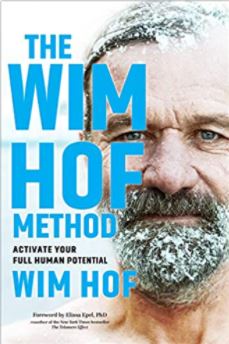
https://explore.wimhofmethod.com/mini-class-class1-breathing/ You need oppositions; you need negative in life’s movement; you need the whole force. -- Navajo philosophy. The cold is a teacher. It’s merciless. You don’t picnic when you go into the cold. You don’t think about your mortgage or your kid’s braces or your divorce; 𝘆𝗼𝘂 𝗷𝘂𝘀𝘁 𝘀𝘂𝗿𝘃𝗶𝘃𝗲. You reactivate the deepest part of your brain. Just keep on breathing! ---Wim Hof https://www.youtube.com/embed/RpUkR47dmjU https://youtu.be/2i3gzXKD00I https://youtu.be/akLkcmskdsA https://youtu.be/fLIoSNKaruA Unrelated but interesting story on the benefits of hot springs in reducing blood pressure.
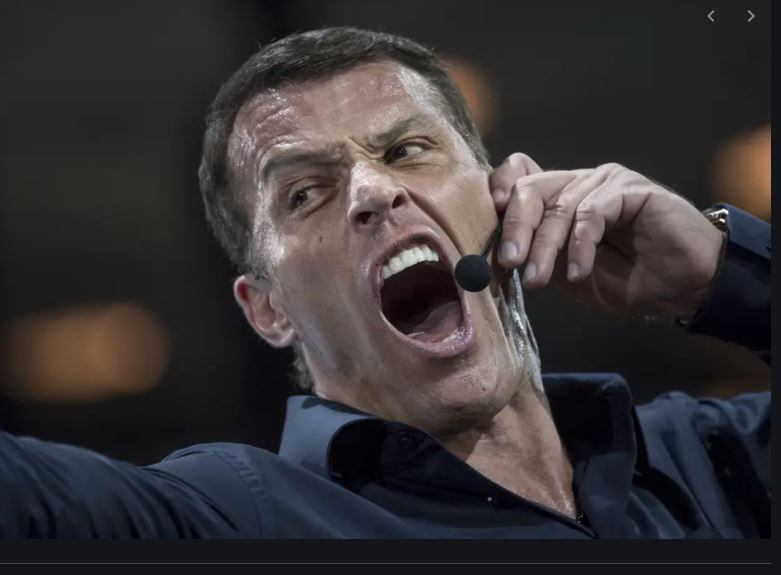
I have been fascinated by cults. The idea that one man knows all of the answers is appealing to me. Our world is a mess. Old paradigms are breaking down, creating space for new visions. We can let corporations fill those voids, or people can take action. In the early seventies, it was a similar situation. Hundreds of thousands of young people rejected mainstream culture and formed communities to try to create a world they would want to live in. Whether they could sustain themselves or had flawed aspects is not important. The groups' radical idealism and actions to find a better way of living and a deeper understanding of what it means to be human transformed everyone who participated, including communal hippies like Steve Jobs and Stewart Brand. For me, a cult has a charismatic leader who is the point of focus and from whom all relevant ideas, decisions, and rules generate. A community by its nature requires contributions from multiple people and is about strong relationships and a type of egalitarianism. The cult/cult leader mentality (including the cult of personality) feels archaic to me now. But community is everything, and it is stillvvery much alive. Gurus are a funny thing. Any relationship with a teacher should be temporary, as we are each responsible for our own evolution. Seemingly recognizing this, Tony Robbins doesn't want to be anyone's guru, in fact, his whole approach is to demolish the "guru game." His insight is that deep down we all tend to want someone to tell us what to do -- the "sheep and shepherd" approach. But rather than waiting for someone else to save us, waiting for some Mr. Fix-it, something divine, to put things