
Sacred Mountains
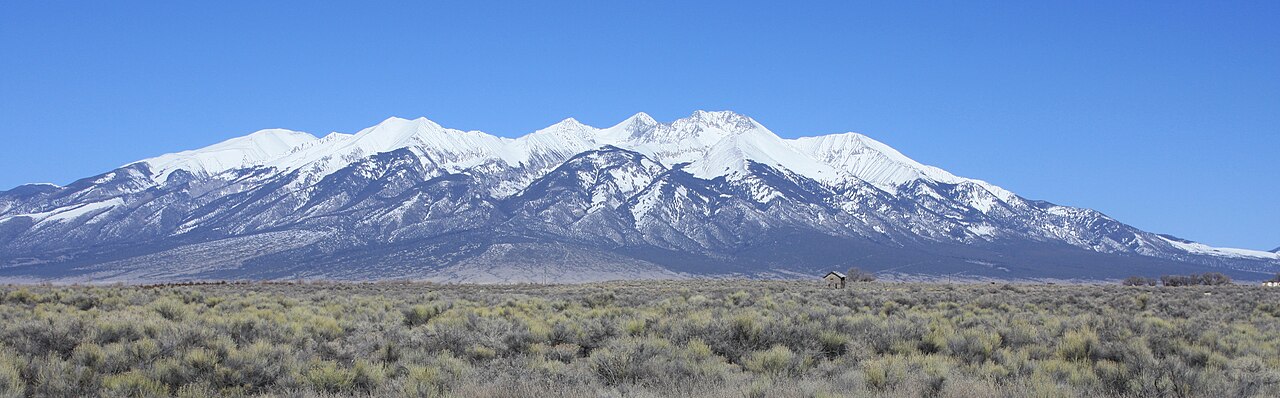
Both the Crow and Navajo Nations hold deep spiritual connections to specific mountains. The Crow consider the Crazy Mountains sacred, using them for vision quests and ceremony. The Navajo organize their entire cosmology around the Four Sacred Mountains, which define the boundaries of their world. The Four Sacred Navajo Mountains The Four Sacred Mountains mark the boundaries of the Navajo Nation and lie at the heart of Navajo spiritual life. In Navajo belief, each mountain is a living deity — assigned a color and a cardinal direction — and serves as a vital source of sustenance for the Navajo people. For decades, however, uranium mining and other extractive industries have degraded these sacred landscapes, causing lasting harm to Navajo communities. Geographical Location The Navajo hold mountains in especially high reverence, viewing prominent geographic features as bearers of supernatural power. The four sacred mountains define the corners of Navajo Country and are named in sunwise order, each paired with a directional color: Sisnaajiní (Blanca Peak) — white, east; Tsoodził (Mt. Taylor) — blue, south; Doko'oosłííd (San Francisco Peaks) — yellow, west; and Dibéntsaa (Hesperus Peak) — black, north. Within U.S. boundaries, these peaks fall across south-central Colorado, Grants, New Mexico, Flagstaff, Arizona, and the La Plata Mountains of Colorado. Blanca Peak Sisnaajiní — known in English as Blanca Peak and called Pintsae'i'i by the Ute and Peeroradarath by the Tewa — stands as the eastern boundary of the Navajo world. Its Navajo name means "black belted mountain." At 14,351 feet, it is the fourth highest summit in the Rocky Mountains and the tallest peak in both the Sangre de Cristo Range and the broader Sangre de Cristo Mountains. It sits roughly 9.6 miles north-northeast