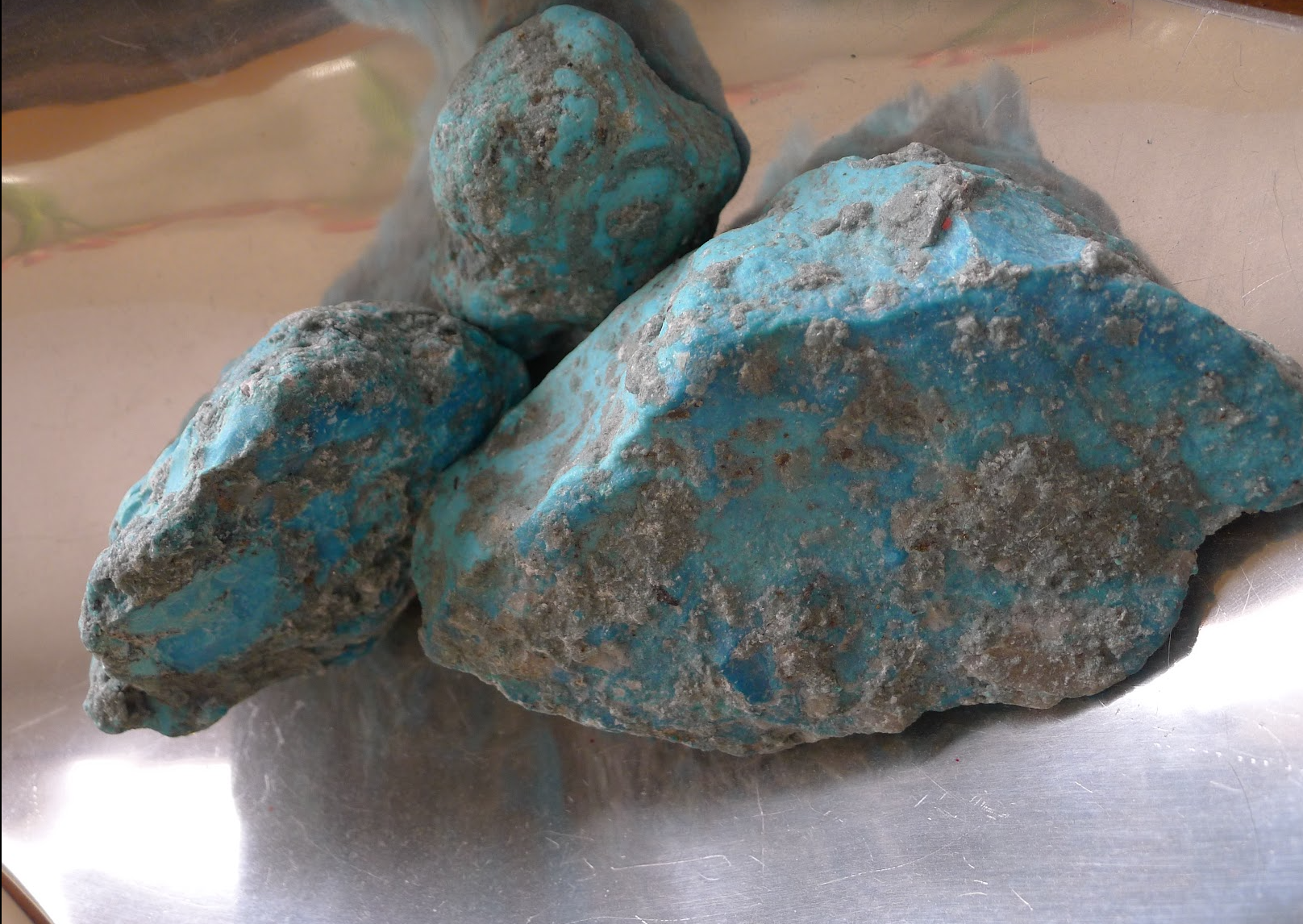
Turquoise is the People's Gemstone While popular culture often paints the Wild West in dusty shades of brown and gray, turquoise provided its defining splash of color. Each person is drawn to a particular piece of turquoise for their own reasons, be it color, story, history, or use and that creates the subjective beauty of it. Its significance wasn't just aesthetic; it sat at the exact intersection of ancient Indigenous spirituality, a rapidly changing frontier economy, and the birth of American Southwest mythology, long before it was a beloved accessory among free-spirited fashionistas. It's a rare, natural stone and it's connected to the land, the outdoors, and the wild. It offers protection, water, life, healing, good fortune and a connection to the creator. The Sacred Root: Indigenous Connection Long before Spanish explorers or American pioneers headed west, turquoise was deeply sacred to the Native nations of the Southwest—particularly the Navajo (Diné), Zuni, Hopi, and Pueblo peoples. For these cultures, turquoise was not a commercial gemstone; it was a living piece of the sky and a symbol of water, creation, health, and protection. The Navajo associated it with the Changing Woman (a principal deity) and believed wearing it offered protection from evil and ensured good health. The Zuni prized it as a ceremonial stone, often carving it into intricate fetishes (small animal carvings) to channel spiritual power and safe passage. The Apache believed that attaching turquoise to a bow or firearm guaranteed dead-eye accuracy. The Frontier Cross-Cultural Boom (Late 1800s) The "Wild West" era saw a dramatic shift in how turquoise was used, driven by cultural exchange—and economic necessity—between Native artisans and Euro-American settlers. Around the 1860s and 1870s, a Mexican blacksmith taught Navajo ironsmiths