Your Style Tells Your Story
I recently read some interviews of Chris Collins, who was a Ralph Lauren model for 20 years. He says, “Twenty years as a Ralph Lauren model taught me more than how to dress.”
Collins talks a lot of the influence that Ralph Lauren had on him personally and he mentions about his living “the life.” Ralph Lauren lives next door to our friend in Ridgeway, Colorado. He has an ecletic style as do most monied people from those parts of Colorado, let alone a fashion icon. Both Collins and Lauren offer the same advice that I heard when I dated my haberdasher in law school (yes, all of my suits since then are custom made). This is centered around the idea that “your style tells your story” has been further bolstered for me by my daughter’s modeling jobs, which have helped her frame her own style.
As for the life, from playing polo with millionaires and billionaires around the United States, to mounted hunting with vast estate owners here and abroad, to sitting on a fence with cowboys drinking Coors in Colorado, to strolling behind Brittanys in search of birds in vast expanses of cover, and everything in between, I have found a few things worth noting on shaping your lifestyle, your personal style, your wingshooting style or dyed in the wool foxhunting style, down to what you surround yourself with—or decor.
They say clothes make the man, but sometimes it’s the other way around.
My Rules of Style What a lifetime of living well taught me about dressing with intention
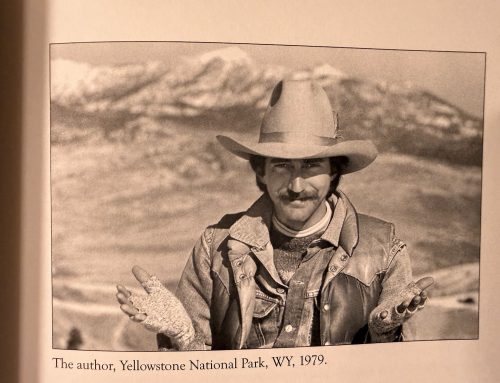
Style found me before I went looking for it. Growing up in the West — Colorado ranches, Montana rivers, New Mexico deserts — I learned early, that the way a man carries himself tells a story, long before he says a word. The men I admired most weren’t the most fashionable. They were the most authentic. A turquoise ring timelessly worn every single day, working on the ranch or gussied up in a tuxedo. A broken-in pair of boots that had actually been somewhere. A wild rag tied just so over a worn denim shirt, possibly topped off with an Argentine gaucho beret. They dressed like themselves, completely and unapologetically. Some of the wealthiest men had the most inexpensive and eclectic styles.
I’ve spent decades building a life around those same natural instincts — finding what matters, traveling, ranching, raising a family, exploring the American West and beyond. Along the way, my style become more personal than following trends. It became a language, my language.
Here’s what I’ve learned.
1. Your style tells your story
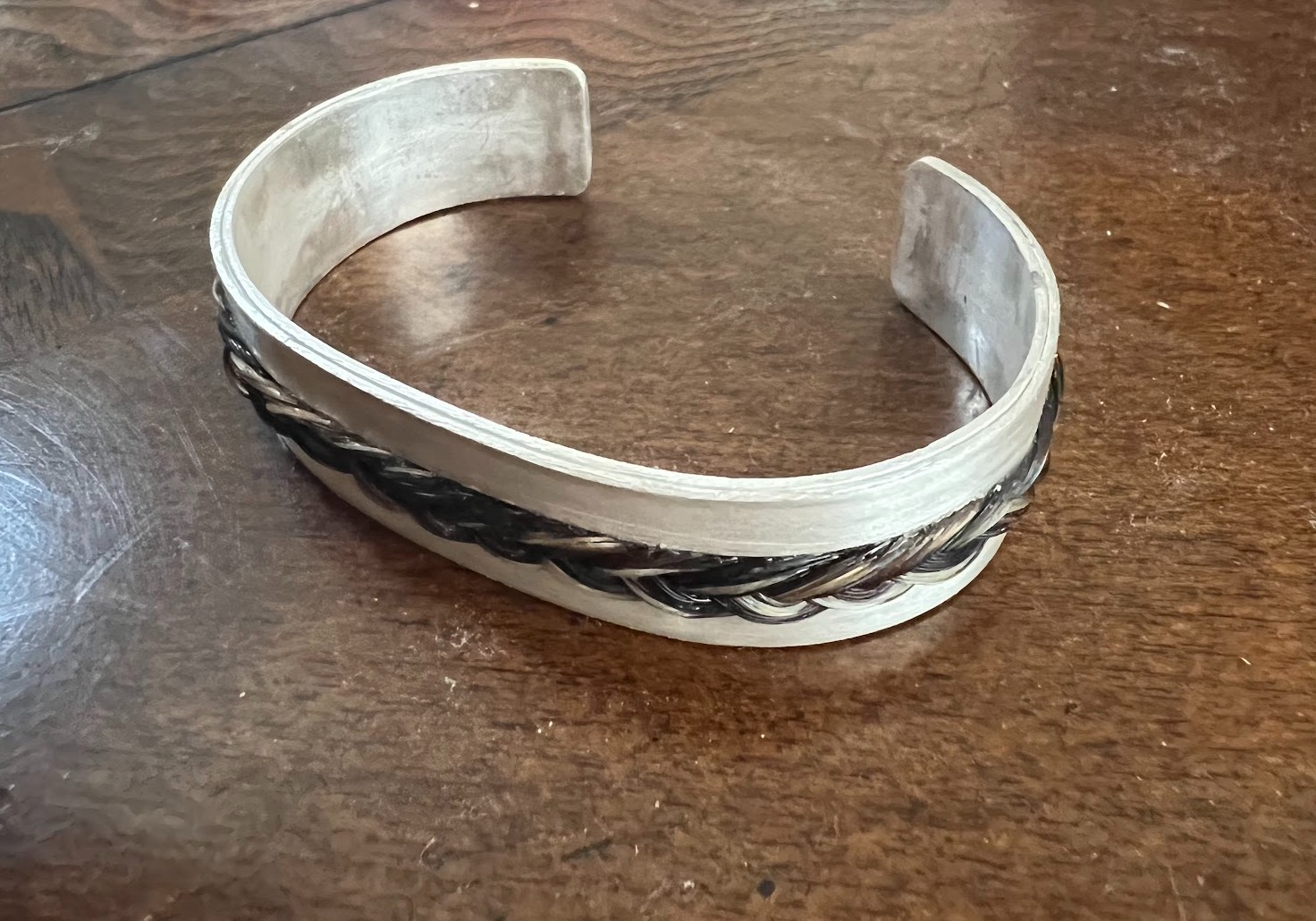
Clothing is a self-portrait. The most compelling men I know don’t follow trends — they follow their own instincts. My favorite things are a pair of Anderson Bean cowboy boots I found at a rodeo, a worn leather belt with a hand-stamped silver buckle from MSU where my daughter attends, and a silver bracelet that I’ve worn so long it feels like part of my wrist.
There are no rules — only intention. When you wear something that means something to you, people feel it without knowing why.
I realized early that my sense of style was tied to my sense of place and heritage. I grew up around men who wore their history on their bodies — silver jewelry with stories behind it, denim worn completely soft from actual work, boots broken in on real ground. That authenticity never left me. Express your heritage, your history, your contradictions.
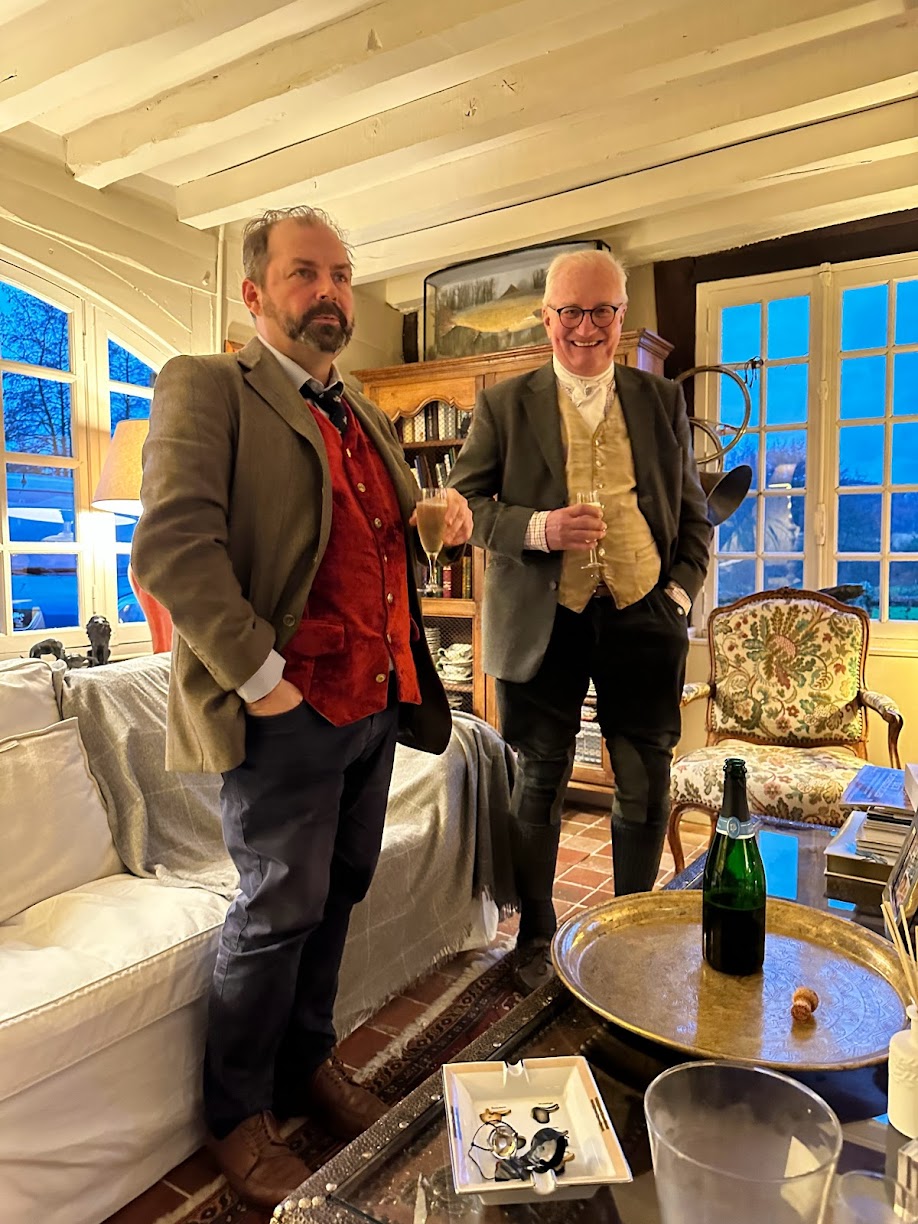
The combinations that shouldn’t work often work best. A tuxedo jacket over a pair of RRL or Duer jeans. A bold colored 100% silk wild rag with a sport coat. An Argentinian beret (or boina, a classic worn by rural gauchos) together with your favorite pair of riding breeches and a slanted-pocket tweed coat.
Sure, you could just adopt the same uniform that everyone else is wearing, such as the “Denver Business Casual Uniform.” To maintain a professional business casual appearance, workers often layer the uniform over a collared dress shirt or a high-quality structured polo. Pair the quarter-zip with tailored chinos, wool trousers, or formal flat-front pants while avoiding cargo pockets or athletic materials. But where is the fun in that? And, it’s not a timeless look, it’s the latest trend. Spend a little more and go for something timeless, with style.
2. Know your body — and dress for it honestly
The most powerful thing a man can wear is clothing that actually fits. Not the size you were ten years ago, not the cut that looks sharp on someone with a different build — what fits and flatters you, right now, as you actually are. This is where having a haberdasher or at least an experienced tailor shop helps drastically.
I can tell a great deal about a man’s relationship with himself by the way he dresses. A man in well-fitted, simple clothing will always command more respect than one in expensive clothes that don’t fit. Wear what honors your body rather than fights it.
When you get dressed, consider time and place. Think about proportion and color. Learn what works for your frame, your coloring, your actual life — then dress accordingly, with care and without overthinking it.
3. Invest in the classics
A perfectly cut navy blazer is the single most hardworking piece in any man’s wardrobe. Dress it up with grey trousers and leather shoes for a dinner, dress it down with dark denim and boots on a Saturday. It never fails. A black wool, sweater blazer could also be important with today’s styles of dressing down casual.
Build your wardrobe around timeless staples: a great white oxford shirt (I order them custom from Tom James or custom from Harryson’s), well-cut dark denim, a quality crewneck sweater in a neutral you’ll reach for constantly, a simple leather belt, and one excellent leather bag or briefcase built to last decades. Add a classic wool pea coat— mine goes over a distressed tee on the motorcycle just as naturally as it does over a shirt and tie at dinner.
And every man should own a great pair of boots. Whether that’s a sleek chukka or a worn-in Western pair of boots, boots carry history. They go everywhere and only get better with time. Mine have been to the barn, rodeos, litigation meetings, river banks, and ranch tables — often in the same week.
A haberdasher, such as Tom James & Company, can help you get all of this right and to make sure the pieces are all custom-tailored and well-fitting.
4. The small things speak loudest
A great pair of sunglasses [think something timeless like aviators from Oliver Peoples or Ray Ban]. A simple watch worn every day until it becomes part of you. A pocket square that adds just enough. A beautiful pen. A meaningful pair of cufflinks. A ticket pocket on your suit to tuck things away in, or functional buttonholes on the sleeve of the jacket. These quiet details are what people notice long after the outfit is forgotten.
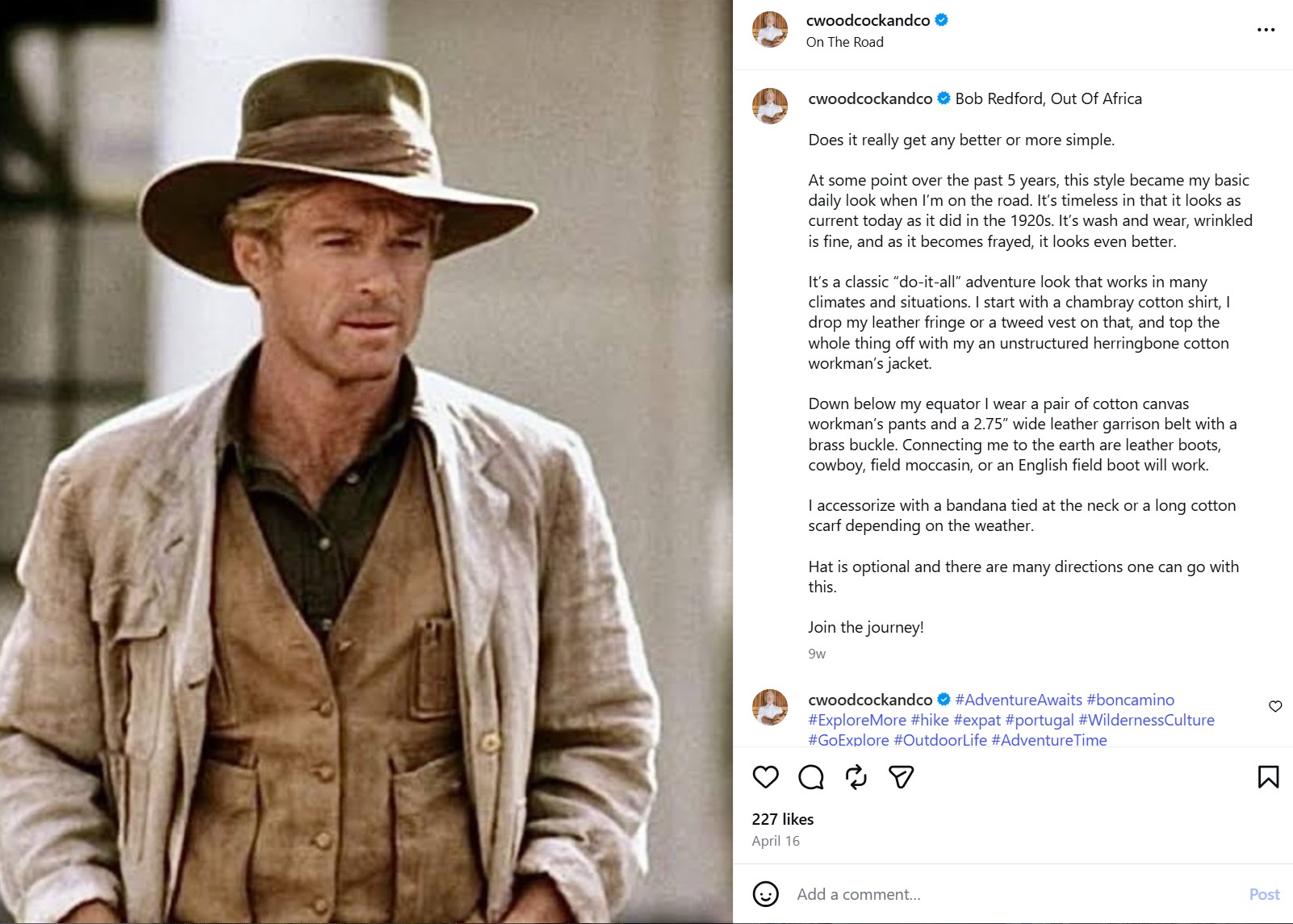
Keep your accessories considered — a few meaningful pieces worn with consistency say far more than an overloaded look that doesn’t connect. A timeless jacket worn by Hemingway, or your favorite night watchman skull cap beanie, even if you aren’t afield for the day or a prowl at night. A Rolex or IWC with a story, a silver belt buckle earned rather than bought, a silver bracelet made by a Navajo artisan friend, a well-worn wallet nobody sees but you know is quality — wear what carries weight for you personally, or no weight at all, such as a simple scarf, ascot or wild rag.
And never underestimate fragrance. It is the most powerful thing you wear and the last thing people remember after you’ve left the room. Find one that is unmistakably yours and commit to it, such as Equipage. Anyone who knows me knows when I’ve walked into a room — or left it. Scent is invisible and says everything. Surprisingly, the old classics such as Old Spice aftershave, are just as on point and a fraction of the price of Jockey Club, Eight & Bob, Number Six, Savauge, Chanel Noir, etc., so spend your money wisely.
5. Your home is an extension of your wardrobe
The men with the most impressive homes aren’t the ones with the biggest budgets. They’re the ones with a point of view. A worn leather chair by the fireplace. Good whiskey in a proper crystal decanter. Books stacked on a coffee table with a good lamp beside them. A Navajo blanket draped over the arm of a sofa. A set of antlers above the mantle. Candles that actually get lit.
You’ve stepped into rooms that possess an unmistakable presence. Not louder. Not busier. Simply grounded — a space that seems to know exactly what it is. That kind of confidence isn’t created by the furniture alone. It begins with the art that commands the room. Real art captures that quiet authority: get a statement piece — one that transforms a living room from merely furnished into effortlessly timeless.
Your space should feel like you on your best day. The same instinct you bring to getting dressed — for quality, for authenticity, for things that carry a story — should extend to how you live. Collect slowly. Choose well. Keep only what you love and let everything else go.
6. Great style creates an experience for everyone in the room
There is a kind of man whose presence you feel before he speaks. He’s not necessarily the most dressed-up person there. He’s simply the most considered. Everything about him — the way he’s put himself together, the scent he wears, the quiet care he’s taken — communicates that he values the occasion and the people in it.
Style at its highest level is generous. It says: I took care today, and I took care for you. That’s the standard worth holding yourself to — not a mirror standard, but a room standard. How does my presence make this moment feel?
7. Stay open to inspiration
The most stylish men I know are endlessly curious. They notice the silversmith’s technique at a Pueblo market, the cut of a 1940s western shirt in a vintage store window, the precise color of sage on a high desert morning, the way an old vaquero wears his spurs like they grew there. Inspiration isn’t in magazines — it’s in living attentively.
Dress the part every day, even when no one is watching. Especially then. The habit of taking care with your appearance is really the habit of taking care with your life. Ralph Lauren understood this better than anyone — in his world, every day was an opportunity to be inspired, and to inspire in return. I’ve carried that philosophy with me for decades.
For my daughter, the excitement of designing and creating Navajo inspired silverworks starts in the mind’s eye. So wearing those custom made inspirations drives us on a daily basis to get up and put our favorite pieces back on again. Navajo silversmithing produces quality, “classic and timeless” western art, the kind of product you will pass down thru generations, and cherish forever. Handcrafting is fast becoming a lost art in our world of instant gratification and over sea factory production. My goal is to thrill you with photography of her art, mine in the kitchen, our family’s in the field, all inspired by our western lifestyle.
8. This is the age of the intentional man
Men today have more freedom in dress than any generation before us — and with that comes the responsibility of genuine choice. The most powerful thing you can do is opt out of dressing for anyone but yourself. Not for approval, not for trend, not for a role someone else assigned you.
Wear what you love. Wear what lasts. Wear what tells the truth about who you are. The old “metrosexual” label never fit what was really happening. What’s actually changed is simpler and more significant: men are paying attention. To quality, to craft, to the stories their clothes tell. That’s not vanity — that’s respect for yourself and for the people around you. Style, at its best, was never about fashion. It was always about knowing yourself well enough — and being confident enough — to show it. Quietly, consistently, and with complete conviction.
________________________________________________________________________________
Pro Tip-Get a Haberdasher
The selection of your attire significantly influences how others perceive you, creating immediate impressions upon initial encounters. The initial impact is driven not by your intelligence or charm but by your outward appearance.
Haberdashers sell hats and other furnishings for men. Milliners cater to women. A haberdasher is a person who sells small articles for sewing, such as buttons, zippers, ribbons, and other notions, as well as men’s clothing and accessories like hats, gloves, and neckties. In a broader sense, a haberdasher is associated with the retailing of men’s clothing and various items related to sewing and textiles. The term is often used to describe a seller of men’s clothing, particularly one who provides a variety of elegant and high-quality items.
We love Tom James. A lot of their finer wool fabrics come from Saville Row Holland & Sherry. Haberdashers work to provide custom suits, coordinated ties and shirts, and shoes from higher end sources such as Allen Edmonds or high-end used classics from https://classicshoesformen.com/. And they will advise you on styles and they have seasonal look books which will help you frame your own style.
As opposed to less customized outfitters such as
_________________________________________________________________________________
For Women: 10 Essentials for Building a Professional Post-Grad Wardrobe
Graduation marks more than the end of college — it signals the beginning of a new chapter. Along with a new career and new responsibilities comes a shift in personal style. Transitioning into a professional environment doesn’t mean abandoning your personality. It means curating a wardrobe built around versatile, polished pieces that allow you to feel confident, comfortable, and capable.
1. A Tailored Blazer
Few pieces are as transformative as a well-cut blazer. It instantly elevates everything from a simple blouse to dark denim. Choose a timeless option in black, navy, grey, or a subtle plaid. A slightly relaxed fit keeps the look modern while maintaining polish.
2. The Little Black Dress
A classic LBD remains one of the most versatile items a woman can own. For the workplace, look for clean lines and sophisticated silhouettes — shift dresses, shirt dresses, or midi-length designs. The right one takes you from the office to a networking event with only a change of accessories.
3. Polished Trousers
Wide-leg, straight-leg, or tailored styles in black, navy, beige, or grey create a refined foundation for countless outfits and remain comfortable through a full day of work.
4. Elevated Sneakers
A clean leather sneaker in white, black, or neutral tones pairs beautifully with trousers, dresses, and jeans — providing comfort without compromising professionalism.
5. A Quality Tote Bag
A structured tote that holds a laptop, planner, and daily essentials is the practical upgrade from a college backpack, and adds a sophisticated finishing touch to any outfit.
6. The Timeless Trench Coat
A classic beige, navy, or black trench layers elegantly over office attire through every season and remains stylish year after year.
7. Dark or Classic Denim
Many modern workplaces embrace a relaxed dress code. A well-fitted straight or slim pair without heavy distressing, paired with a blazer or polished shoes, is entirely office-appropriate.
8. A Signature Blouse
An easy way to express personal style while maintaining professionalism — look for interesting textures, subtle patterns, or elegant details that show personality without overpowering the overall look.
9. Comfortable Professional Shoes
Heels are not a requirement for success. Low heels, block heels, elegant flats, and loafers all provide both comfort and sophistication. Choose footwear you can wear confidently through a full day.
10. A Classic Watch
Whether a traditional gold or silver timepiece or a refined smartwatch, a watch adds a polished finishing touch and reflects attention to detail. A simple pearl necklace, diamond studs, or a delicate bracelet add that same timeless quality.
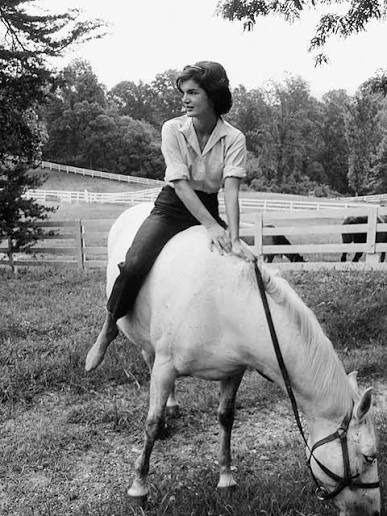
In The Private Passion of Jackie Kennedy Onassis, Vicky Moon illuminates just how vital a role horses played in her life and lifestyle.
The Philosophy Behind It All
For both men and women, the same principle applies: style is not about fashion. It is about knowing yourself well enough — and being confident enough — to show it. Quietly, consistently, and with complete conviction.
Men today have more freedom in dress than any generation before them, and with that comes the responsibility of genuine choice. What has changed isn’t vanity — it’s attention. To quality, to craft, to the stories our clothes tell. That’s not self-indulgence. That’s respect for yourself and for the people around you.
For women stepping into professional life, the goal is equally clear: don’t dress like everyone else. Present the most confident, capable, and authentic version of yourself. Your individual style doesn’t disappear when college ends — it grows up with you.
Wear what you love. Wear what lasts. Wear what tells the truth about who you are.
Inspired by a lifetime in the American West, years of ranching and riding, and the belief that how we present ourselves to the world is one of the most personal things we do.
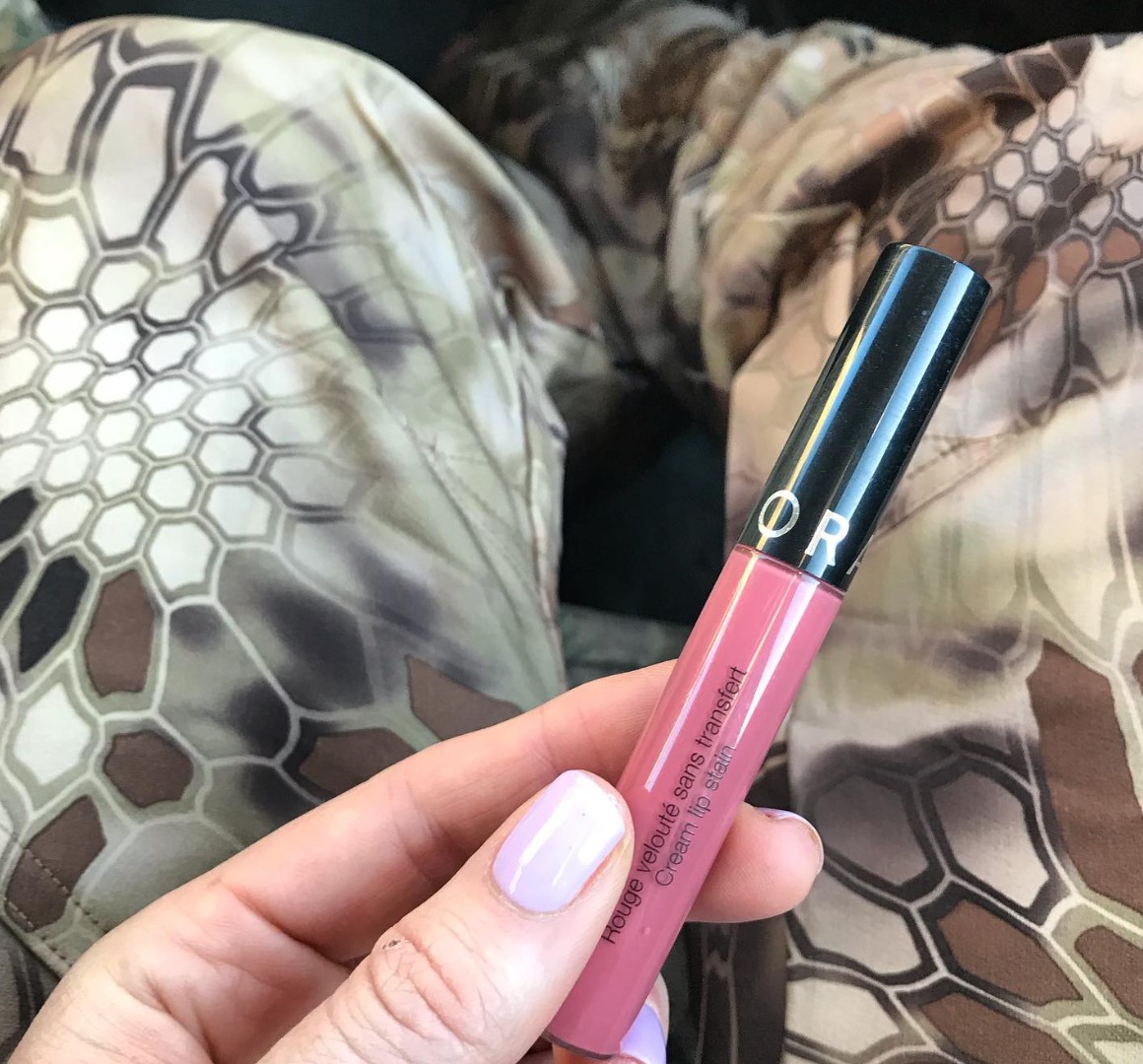
Nails and lipstick should be short and neutral colors for models
The 15-Piece Capsule Formula
-
- 1 Pair of straight-leg blue jeans
- 1 Pair of tailored black trousers
- 1 Pair of beige linen or cotton chinos
- 1 A-line midi skirt (navy or camel) [1]
-
- 1 Pair of minimalist white leather sneakers
- 1 Pair of brown or black leather loafers
- 1 Signature leather belt (can be swapped for a silk neck scarf or statement necklace) [1]
-
- The Layer: Build your base (e.g., T-shirt + jeans) and add your third piece (e.g., blazer).
- The Drape: Wrap a knit sweater over your shoulders to instantly add dimension to a basic top and bottom.
- The Anchor: Use a belt or a structured bag as your third, tying the entire silhouette together.
- Dresses: If wearing a one-piece dress, you must add two accessories (e.g., a belt + a tailored blazer) to fulfill the rule. [1, 2, 3, 4, 5]
The 15-Piece Men's Capsule Formula
-
- 1 Crisp white button-down Oxford shirt
- 1 Light blue chambray shirt
- 1 Classic navy polo shirt
- 1 White cotton crewneck t-shirt
- 1 Gray heather sweatshirt
-
- 1 Pair of straight-leg dark wash jeans
- 1 Pair of tan or stone tailored chinos
- 1 Pair of navy cotton trousers
- 1 Pair of olive green utility pants
-
- 1 Structured navy wool or linen blazer
- 1 Cable-knit cream sweater (to wear or drape over the shoulders)
- 1 Tan trench coat or harrington jacket
-
- 1 Pair of minimalist white leather sneakers
- 1 Pair of brown suede loafers or boots
- 1 Classic brown leather dress belt
-
- The Smart-Casual: Oxford shirt (1) + Tan chinos (2) + Navy blazer (3).
- The Ivy League Drape: White t-shirt (1) + Dark jeans (2) + Cream sweater tied over shoulders (3).
- The Weekend Utility: Chambray shirt (1) + Olive pants (2) + Harrington jacket (3).
- The Elevated Prep: Navy polo (1) + Navy trousers (2) + Brown leather belt and loafers acting as the defining third layer (3).
-
- Your primary dress code (e.g., remote work casual, office business casual)
- The climate or season you are prepping for