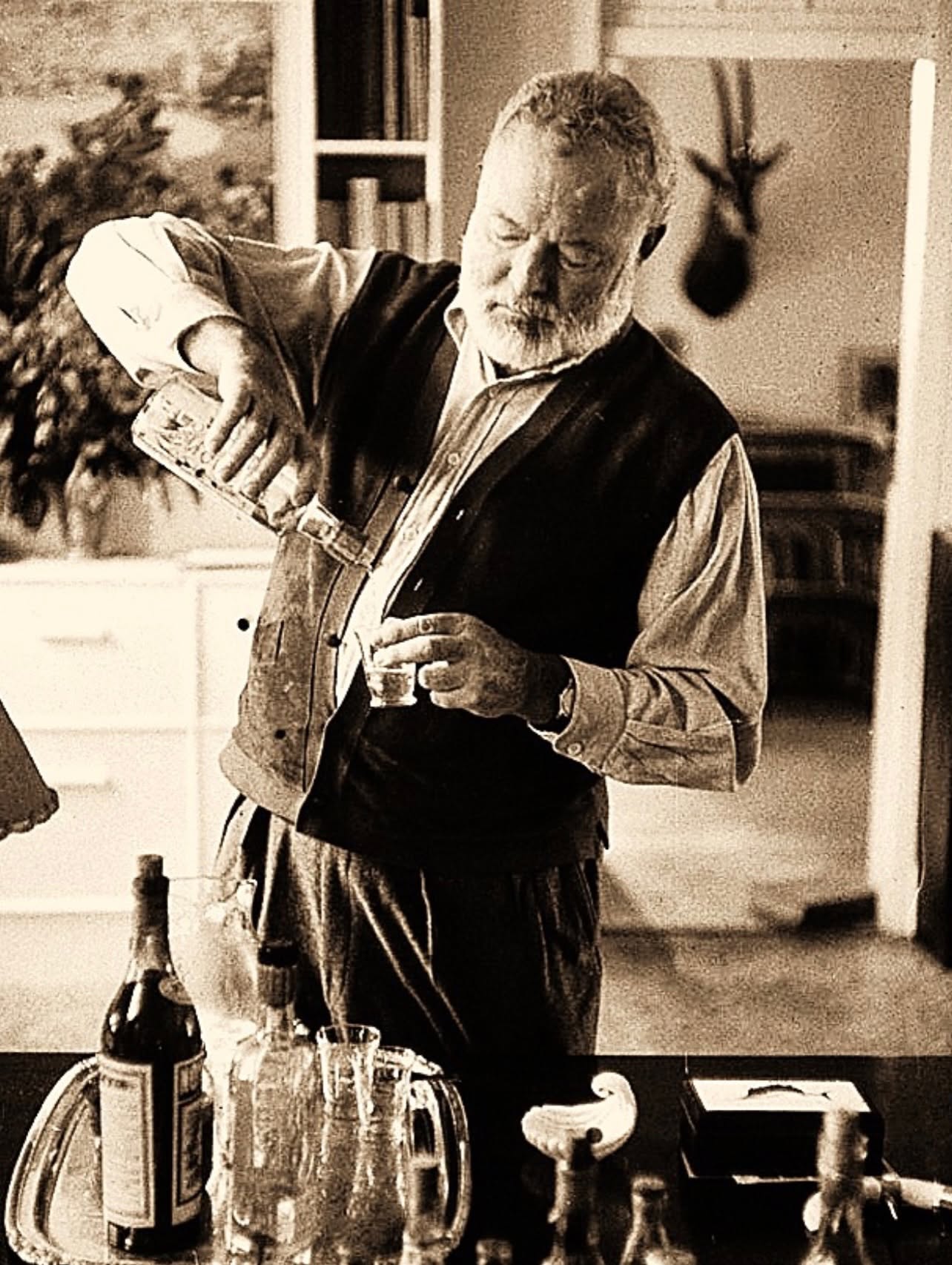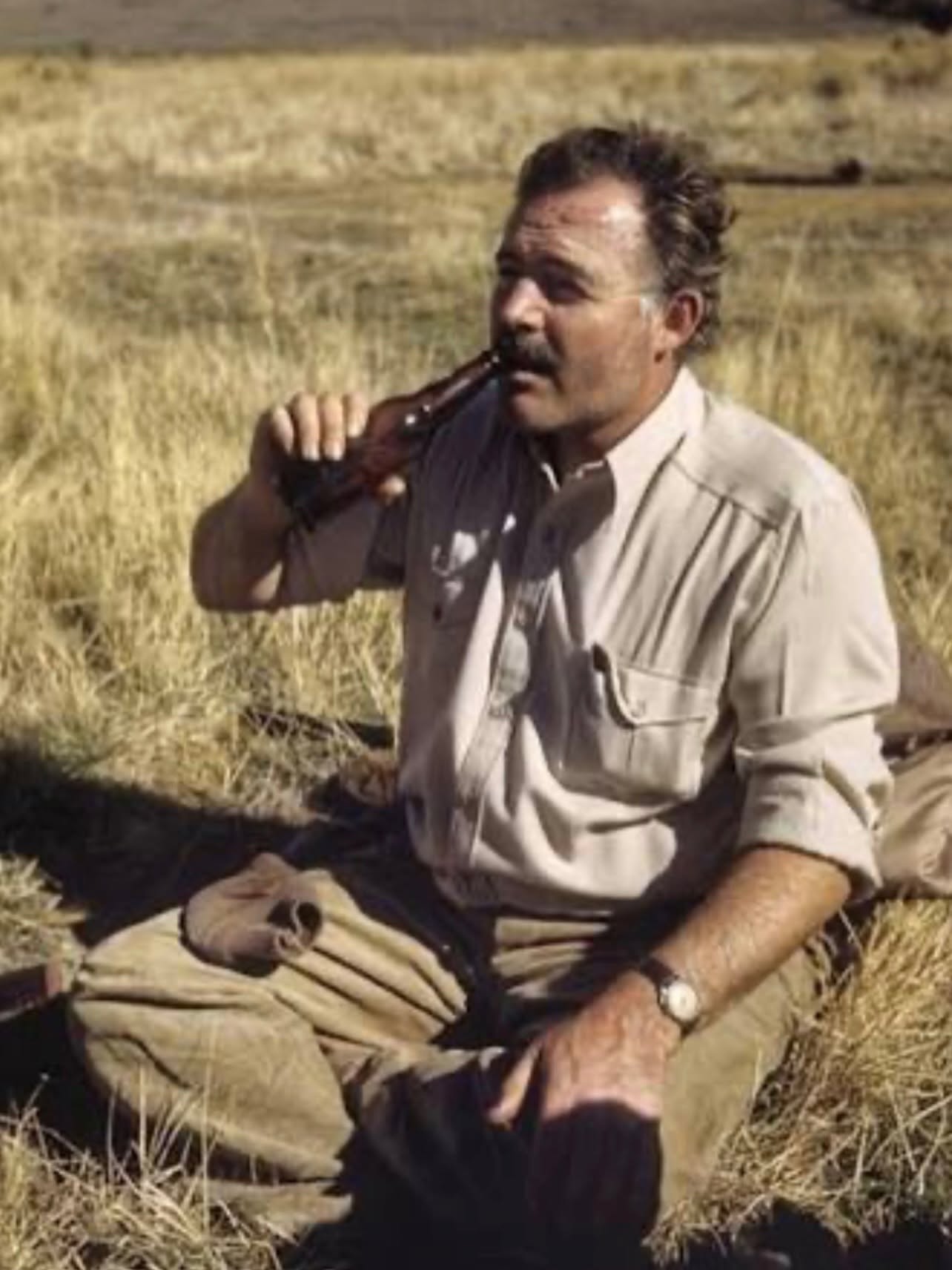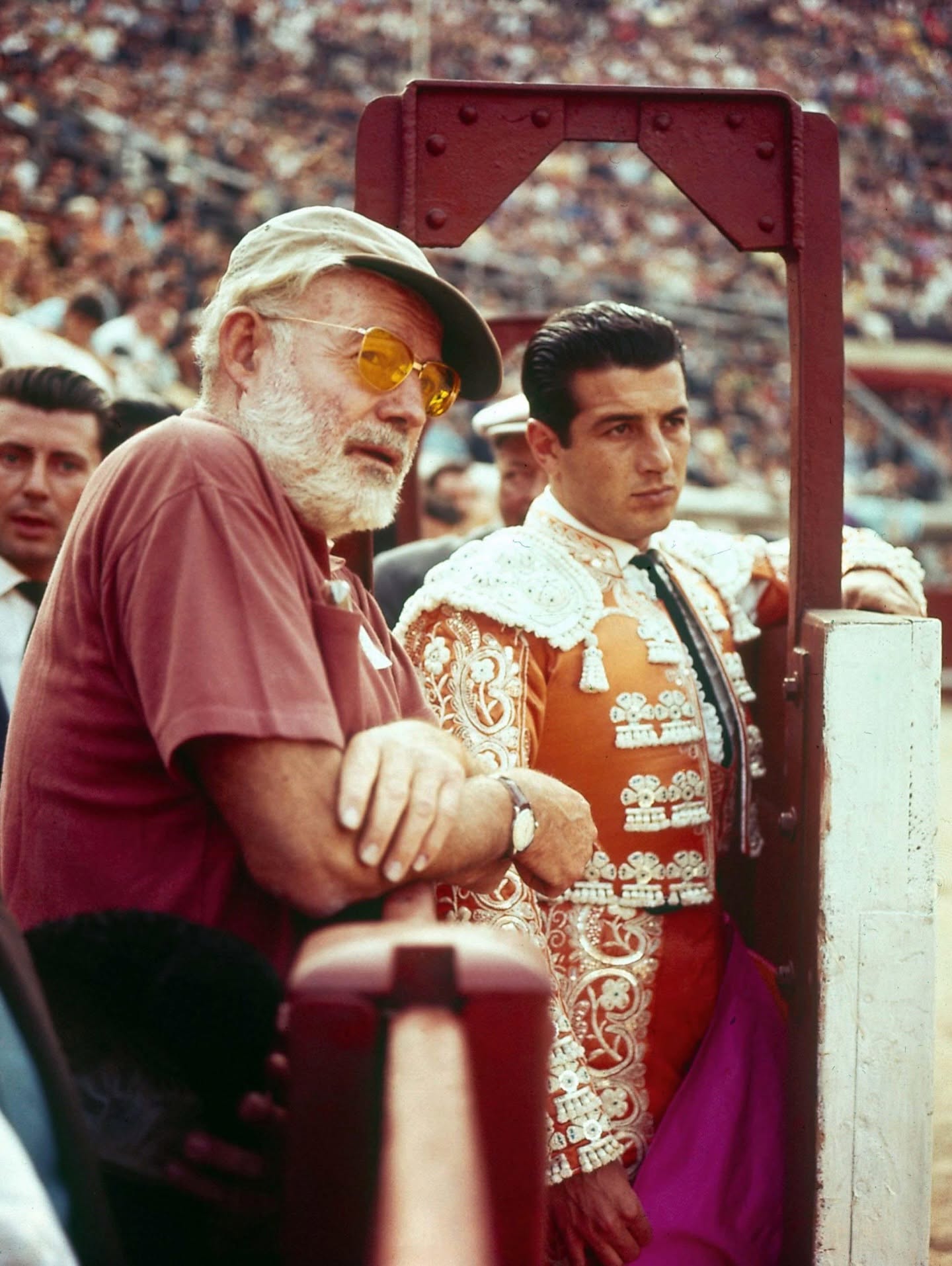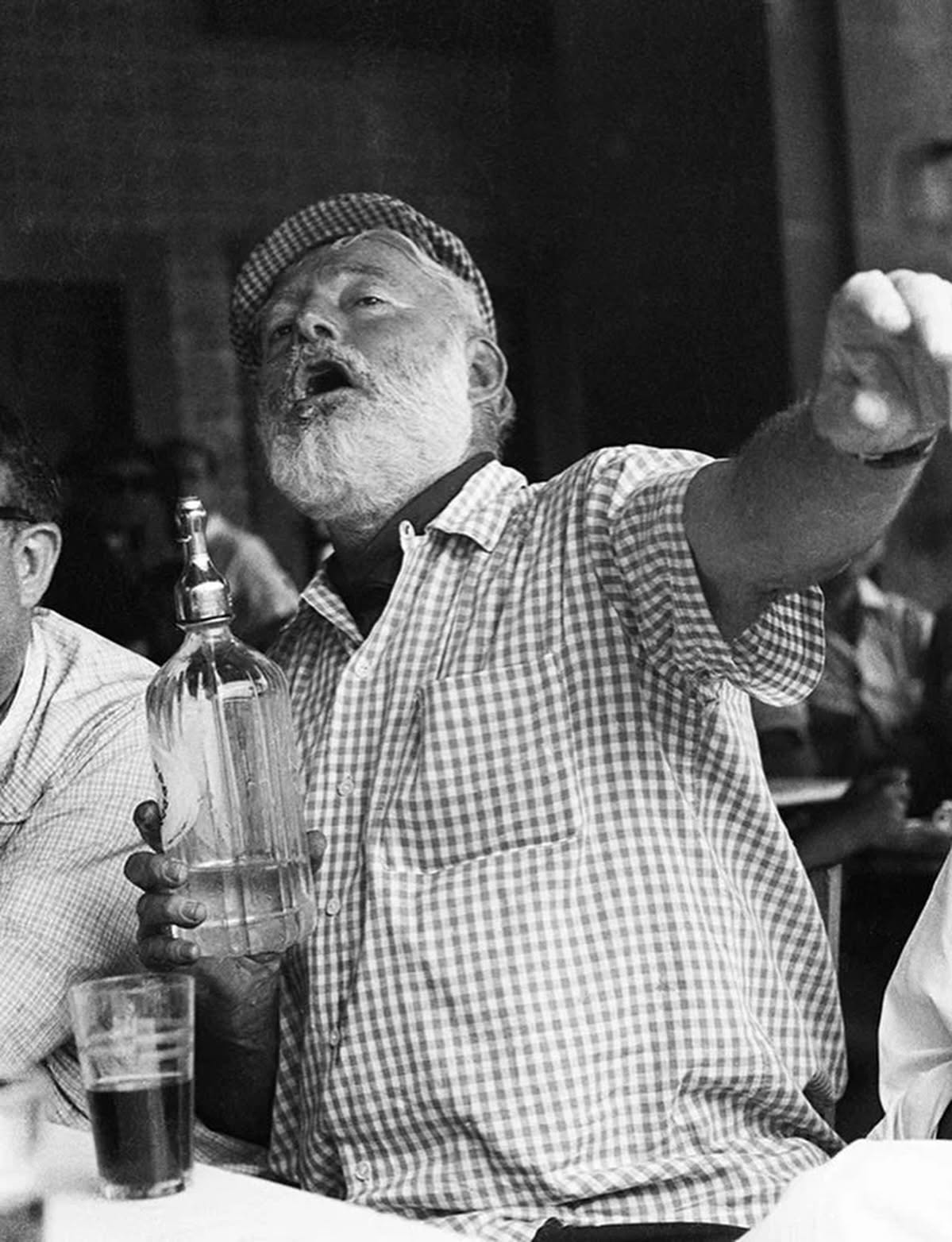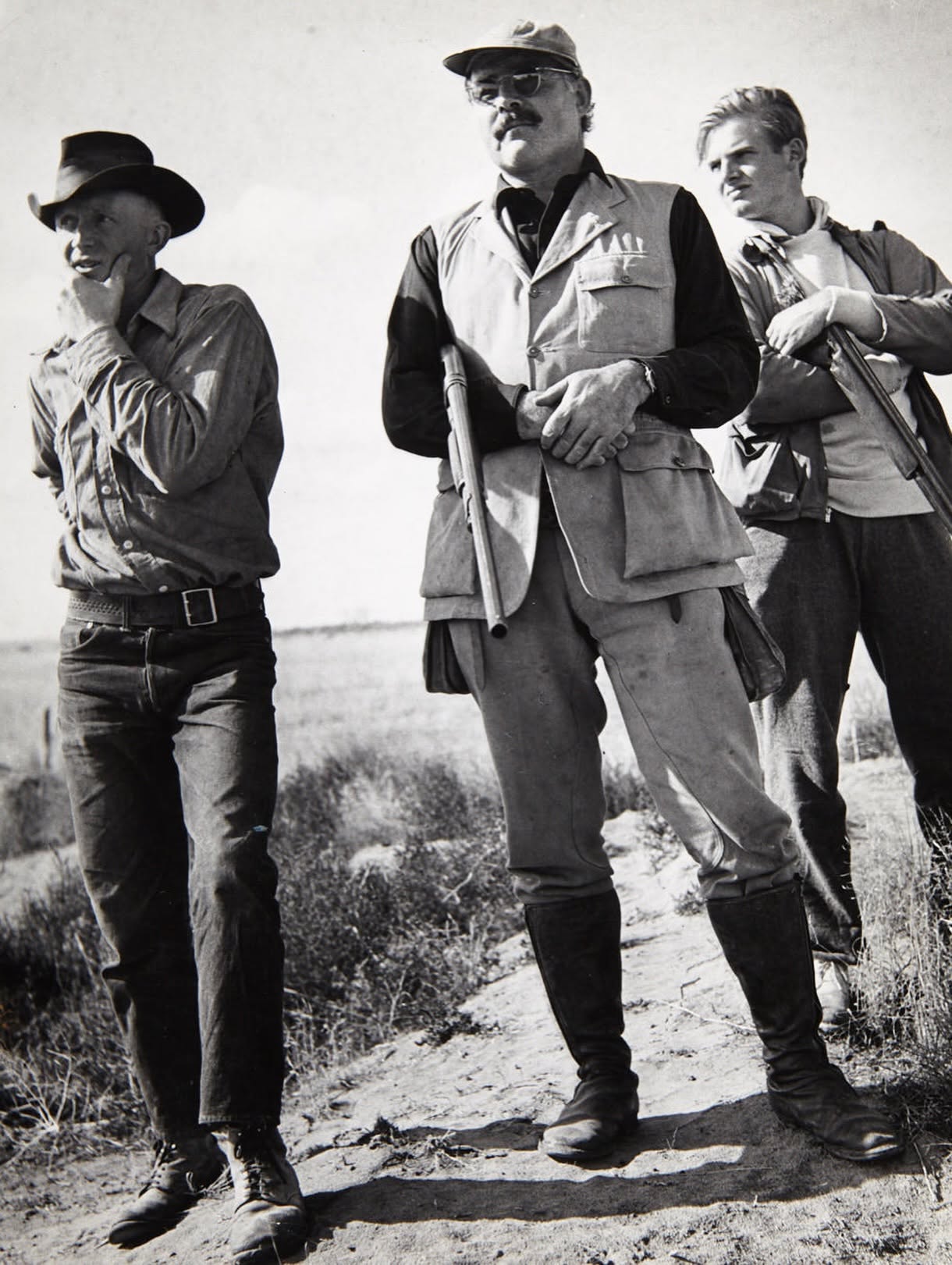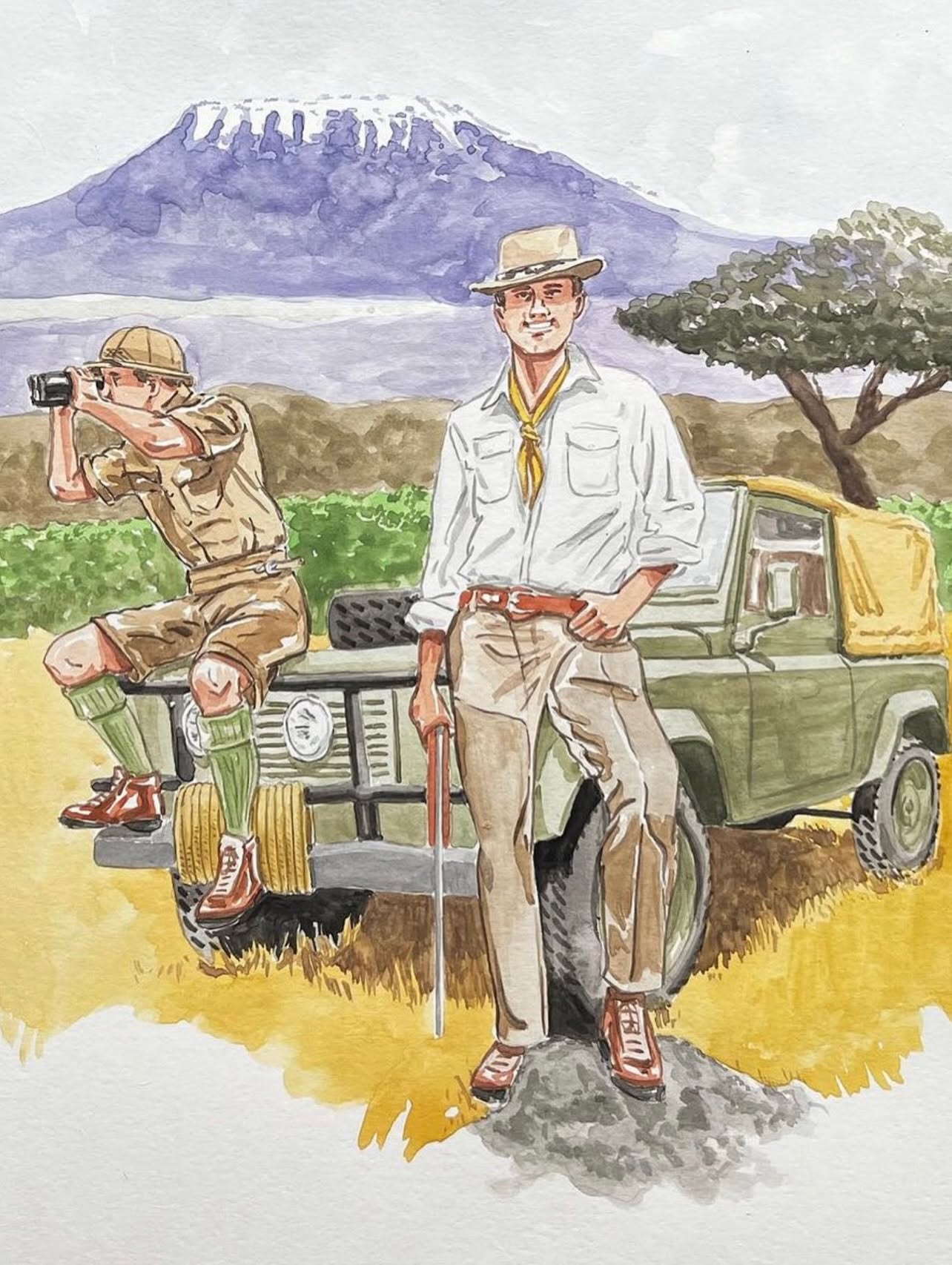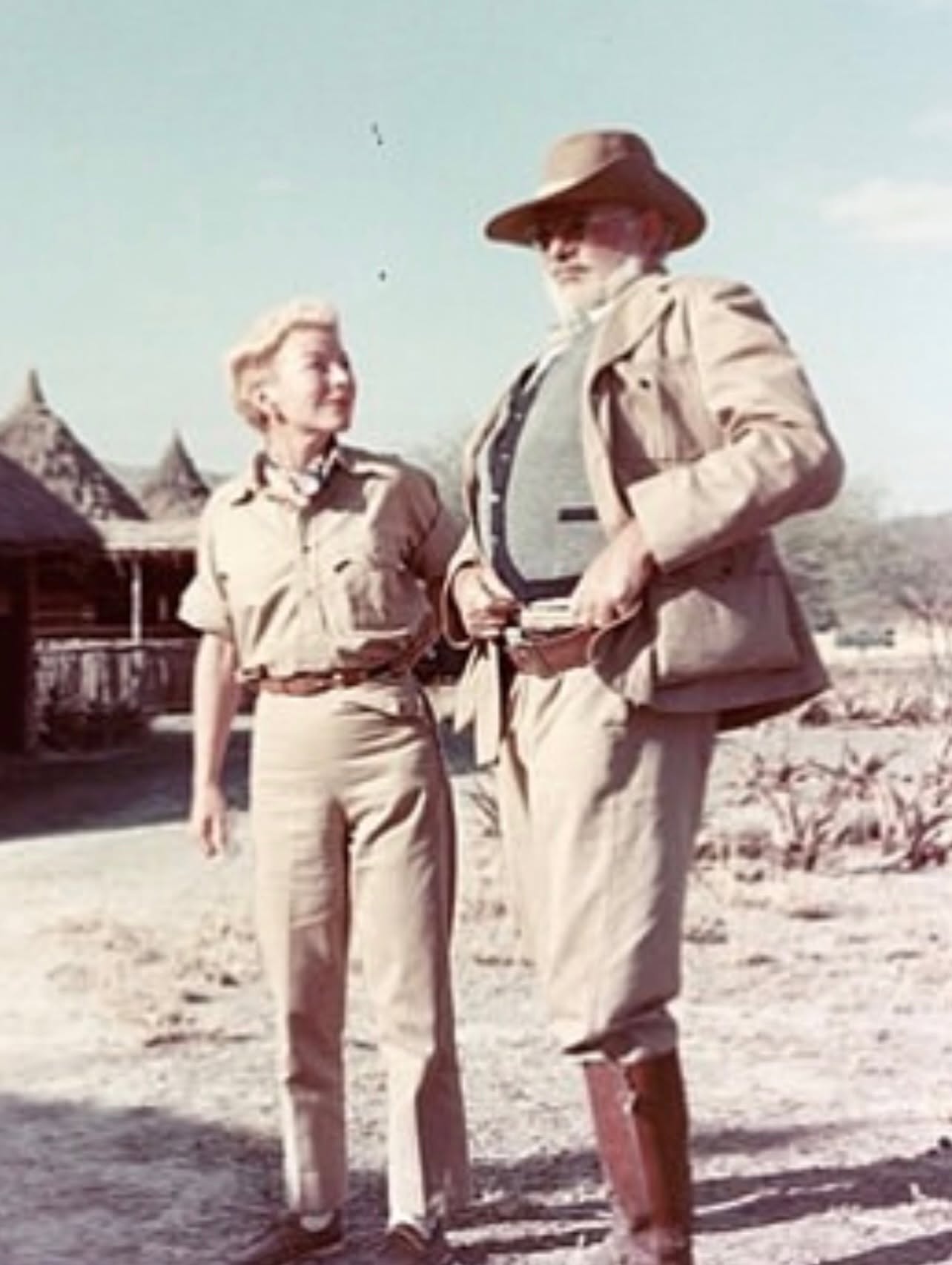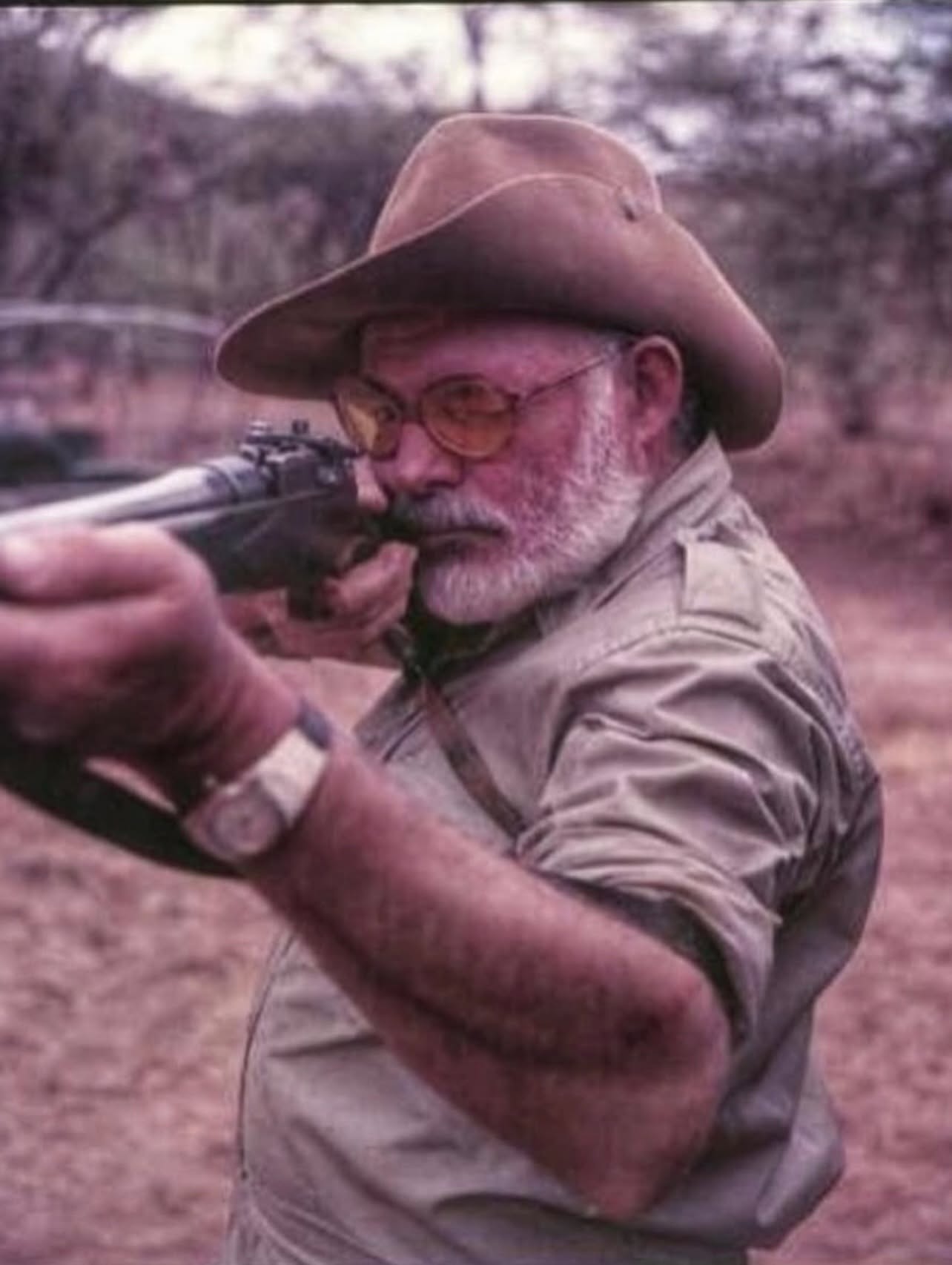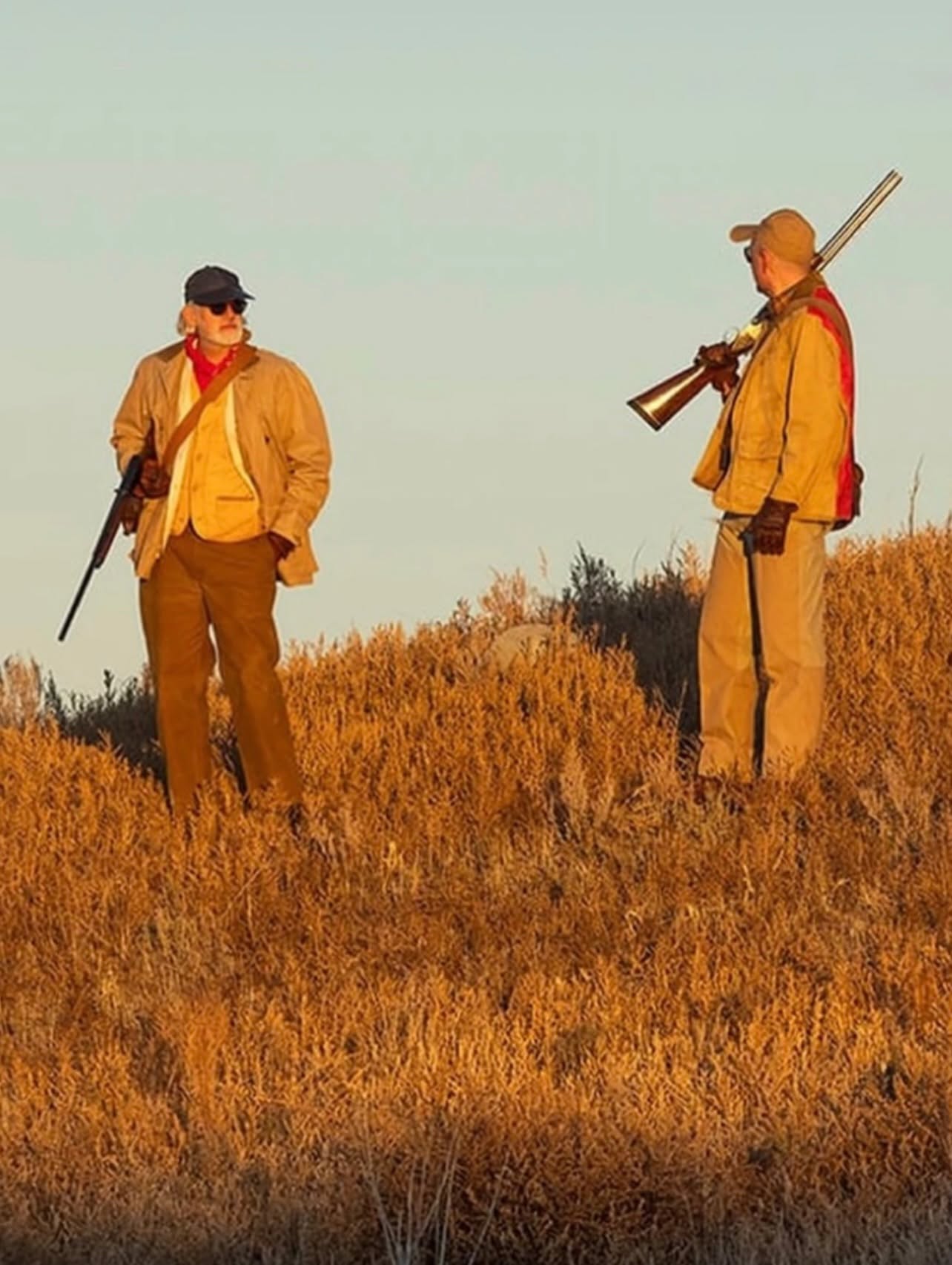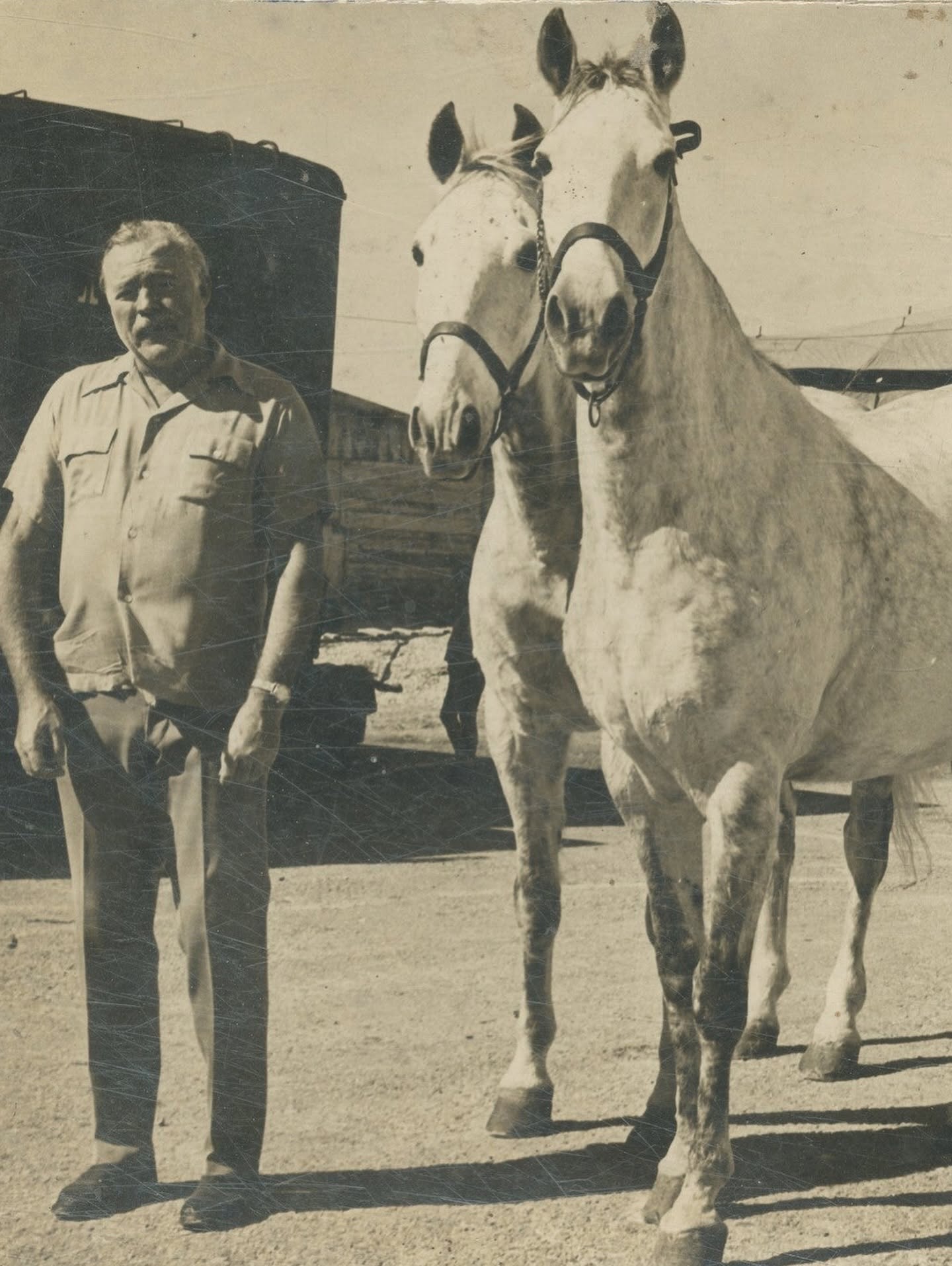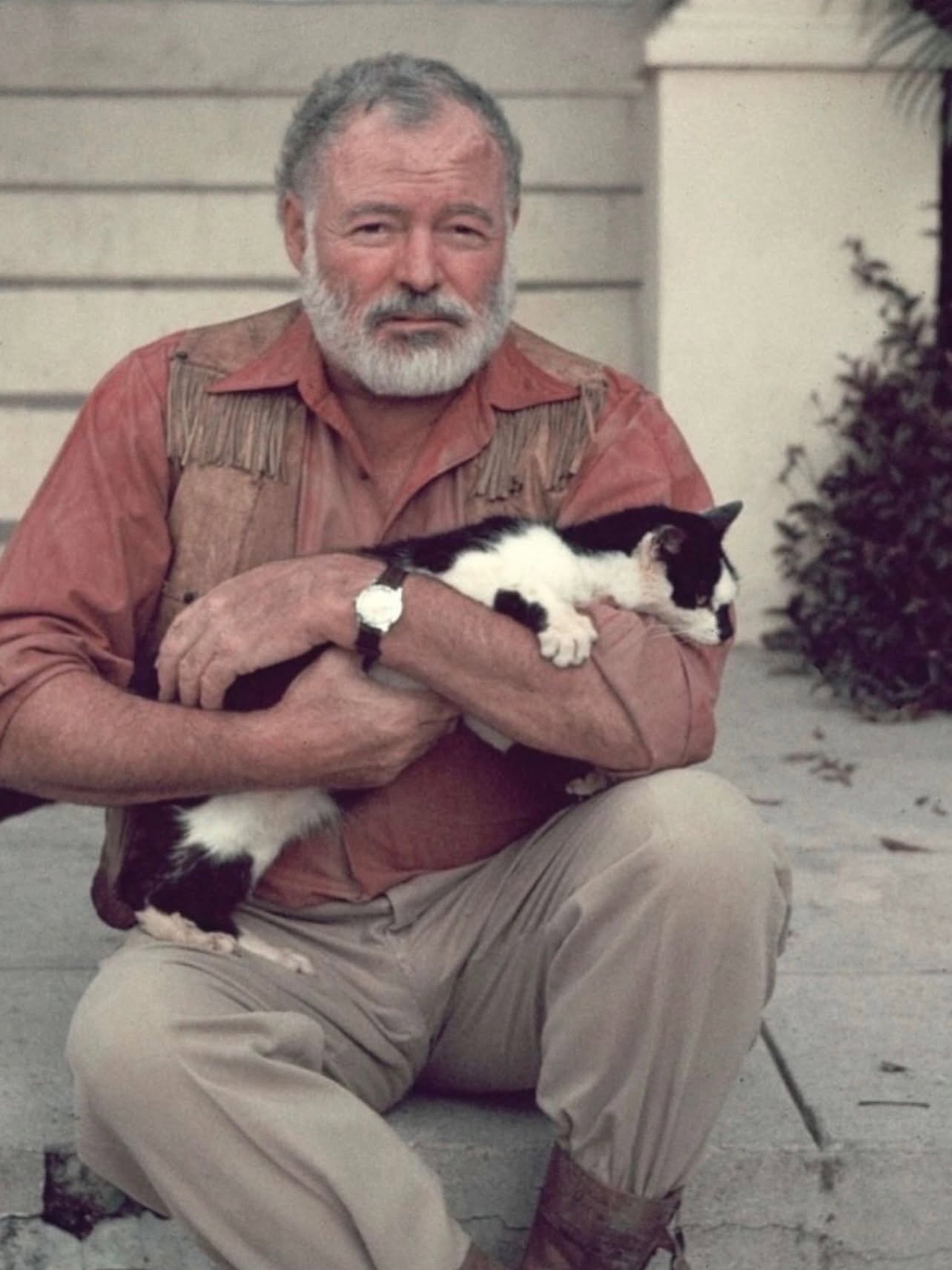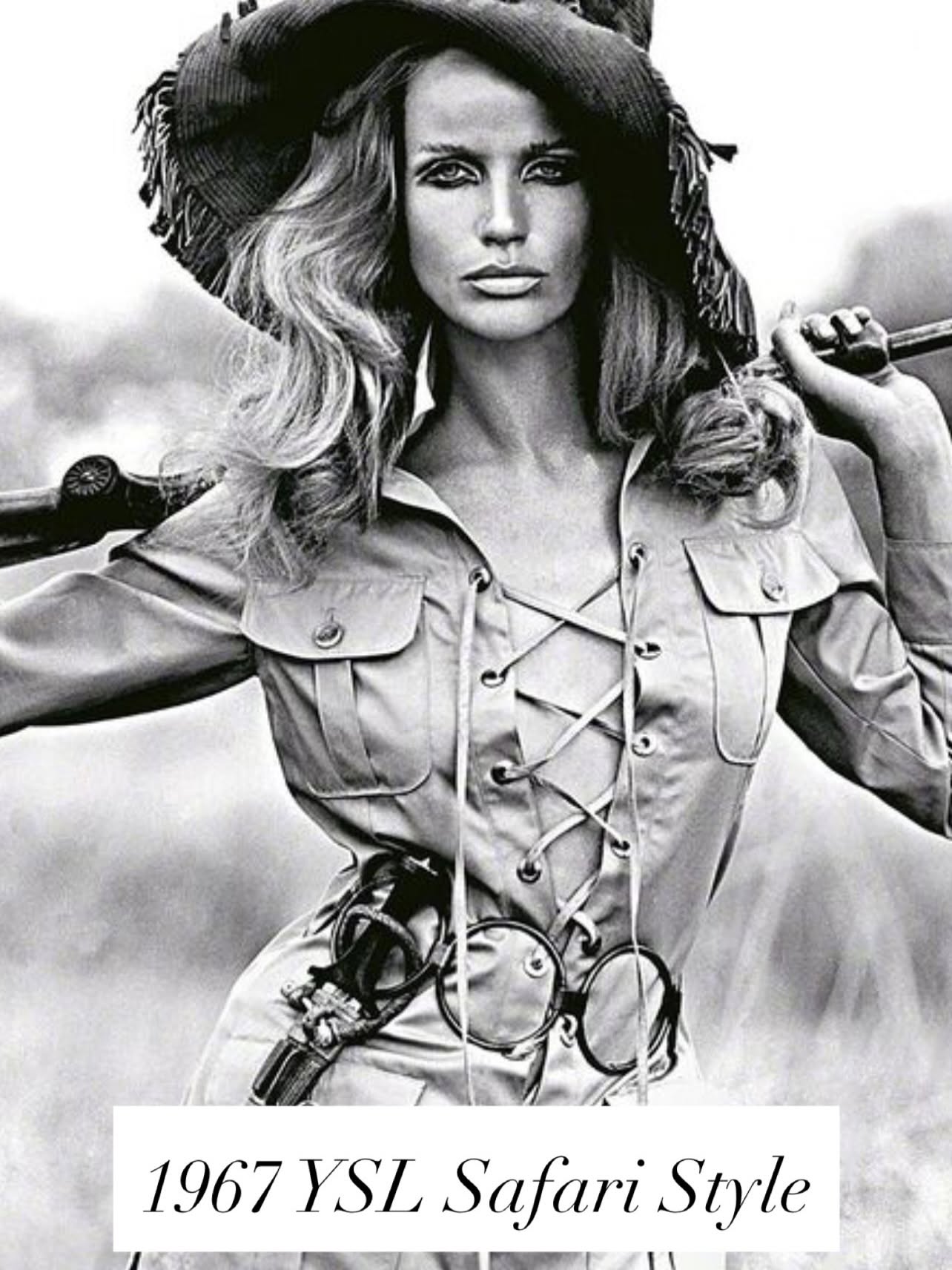
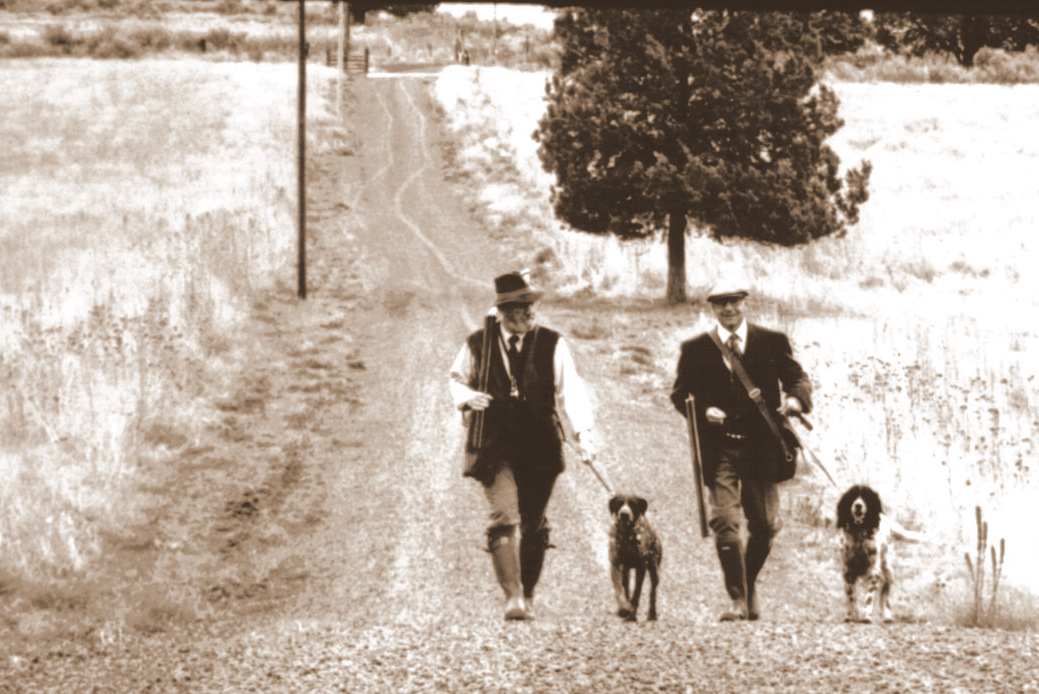
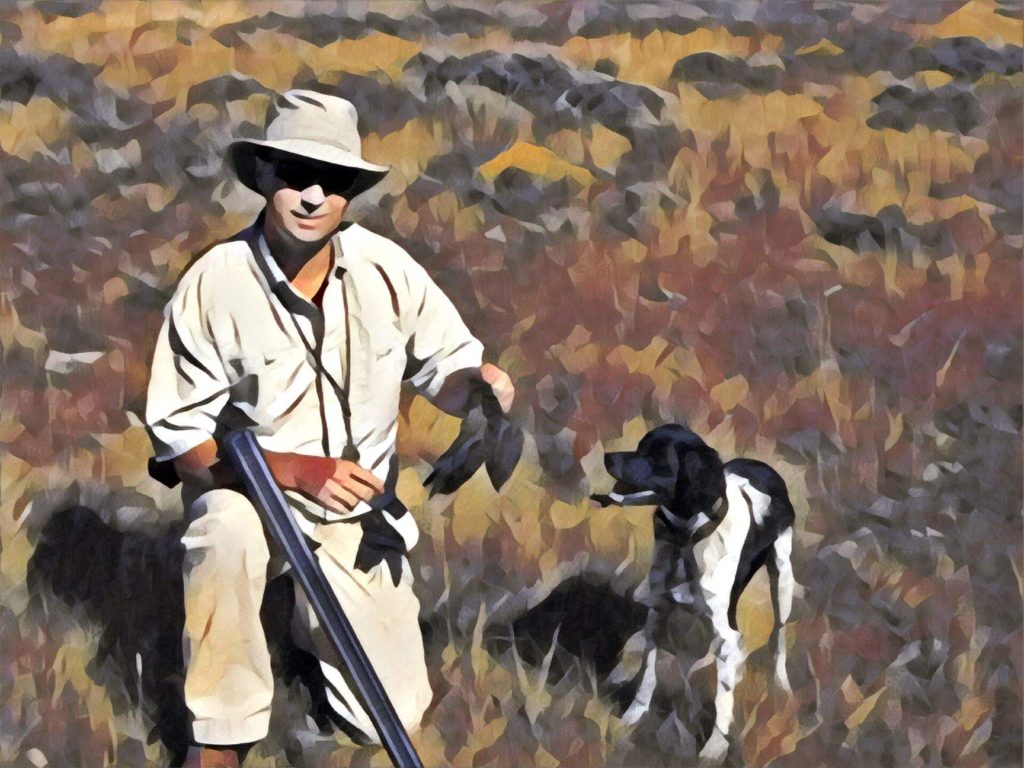
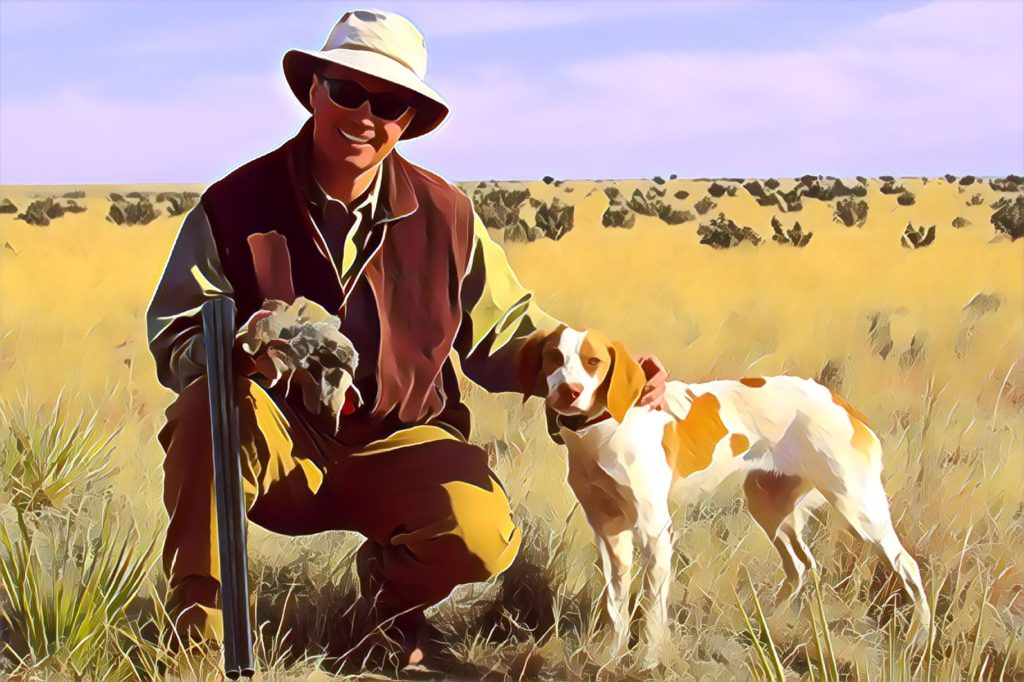
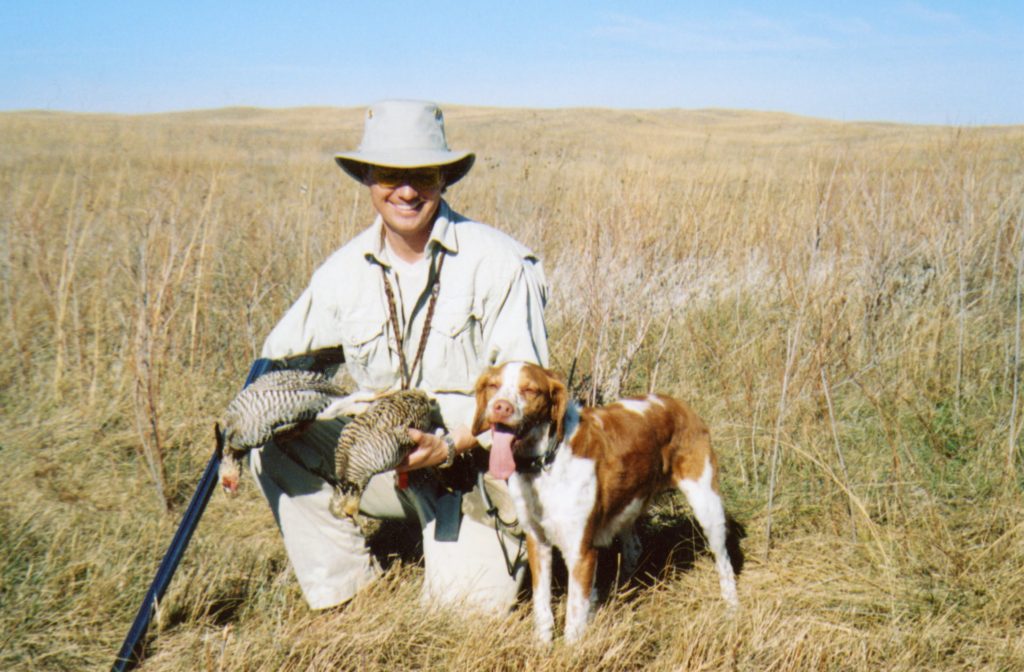
I picked up a few things on proper shooting attire from some of my friends along the way on the Sporting Road. From Buz Fawcett, Jim Fergus, Brian Robinson (many of the Hemingway photos below come from his collection when he was running C. Woodcock & Co., from which he has since retired to Portugal), Stephen Collector, Jack O’Connor, Jane Hall, and others, even the Gonzo Fashion King himself, Hunter S. Thompson, these legends all gave me ideas on what a man should dress like afield.
I discovered that we, as American hunters, don’t have to be dressed in blaze orange and camo, or just turning up with whatever work-wear we have for the day, such as jeans or Carhart. Sure maybe camo is great for sitting in a deer stand in Nebraska’s freezing weather, or covering yourself in Sitka from head to toe for elk in December in the Montana mountains, but we can learn a lot from British sporting attire, using driving shoots and safaris, as good examples of both cold weather and warm weather wing-shooting attire options. And, while American catalog companies such as Orvis and L.L. Bean used to provide quality options for hunters, now they are just largely marketing companies for goods made in China, so you have to dig deeper to find quality manufacturers, rather than just relying on mail order catalogs, if anyone still subscribes to those except me.
Willis and Geiger was my long time favorite catalog outfitter, and they were simply the best for safari clothes. Finally, in 1994, Willis & Geiger was sold to Lands’ End, and its offices were moved from New York City to Wisconsin. Sales grew, but conflicts between Avedon and Lands’ End management led to the discontinuation of the brand by 1999 https://avedoncolby.com, but sadly they are already long gone. And Willis & Geiger came back, with the old patterns slightly updated by a Japanese company, but they seem to just be mostly displaying bits of the catalog, versus actually manufacturing things and they didn’t last either. You can still buy a lot of Willis and Geiger on ebay, postmark and etsy.
On safari it is customary to wear olive, tan, brown, and khaki colors. One should avoid blues and blacks because they can attract tsetse flies, which can carry a sleeping sickness disease. Meanwhile, bold colors can scare off animals, same doctrine us Americans follow with the camo trends stateside. But in some rare places it’s still red plaid and all white (still the “safety color in the south”) for beaters in the tried and true hunts of the Deep South, or red plaid wool coats and Carhart bib overalls in the Iron Range.
Hats
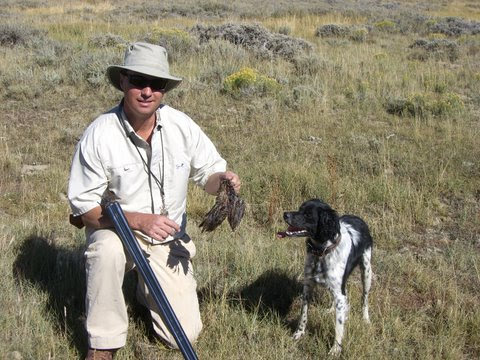
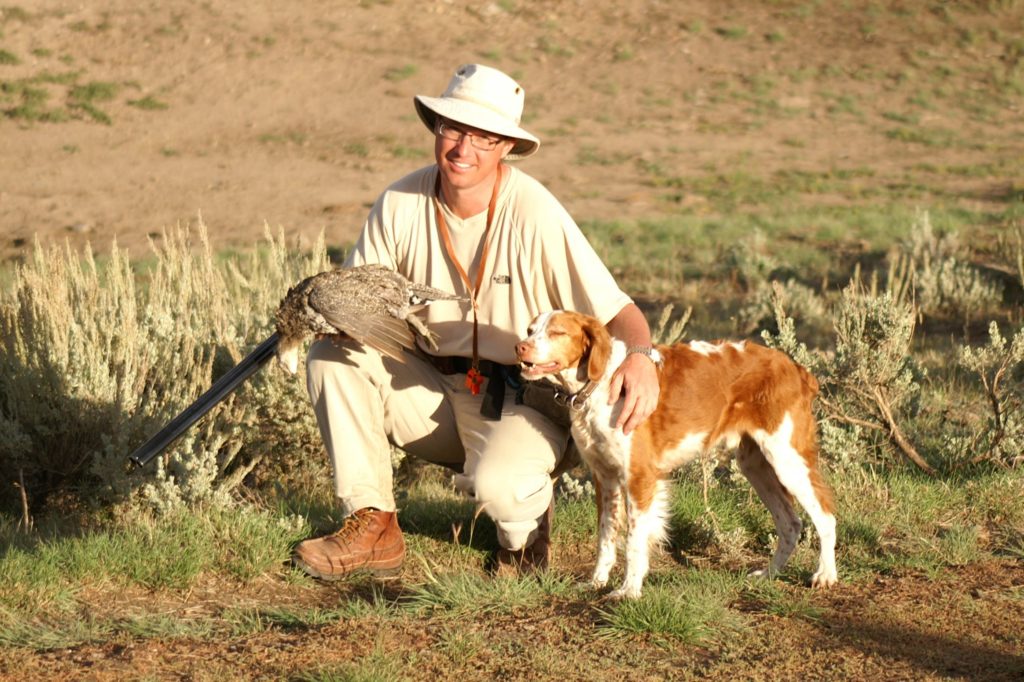
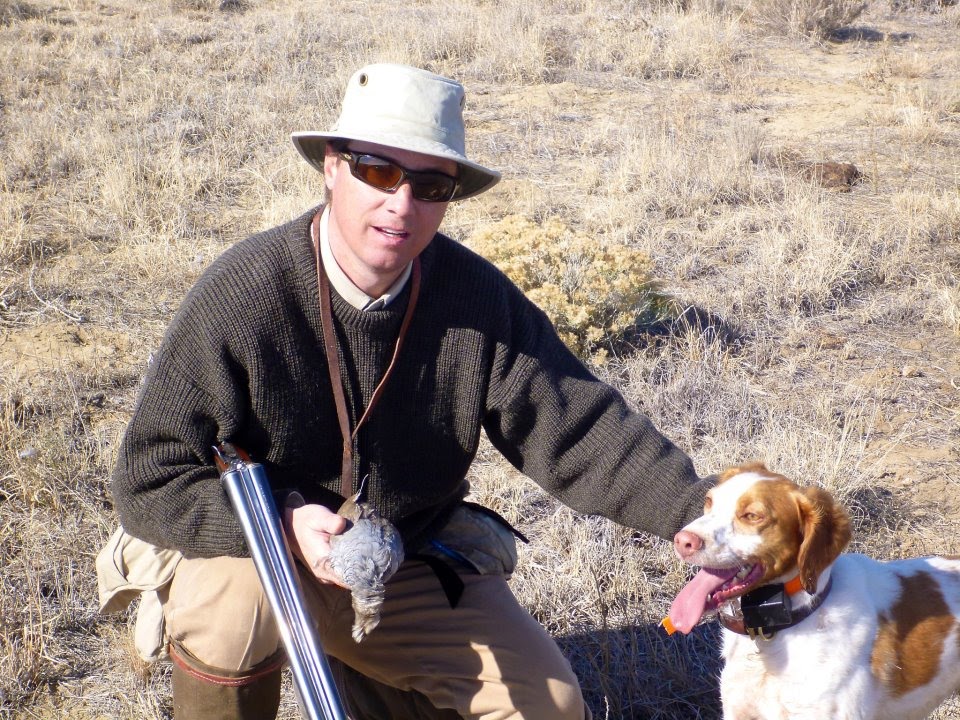
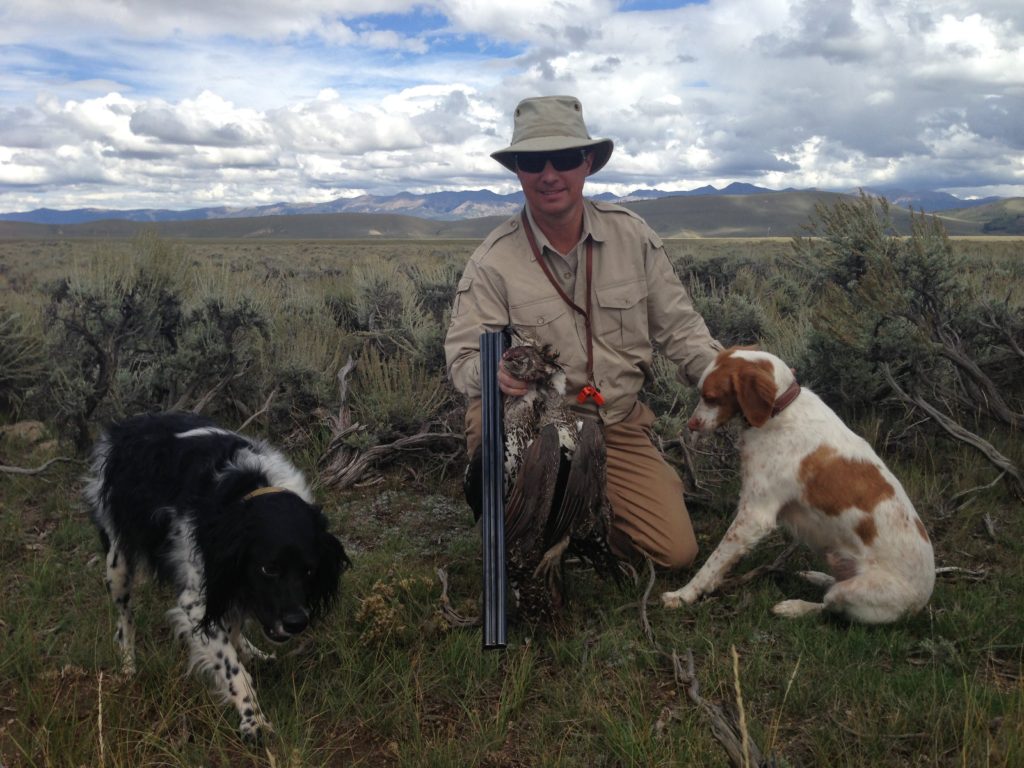
A Tilley hat often completes the warm weather safari-ish look, as felt is often impractically hot wearing a felt hat and the Tilley T5 is the best model. Or an Orvis straw for warmer months, also look reasonably nice. And for the colder nights, you can’t really beat a custom safari felt hat, or what they call a Terai, from Priest Hat Company, or the practicality of a wool driving cap. Buz Fawcett swears that 100% beaver felt hat with a 3” brim will help your wing shooting, if you wear it low in front and high in back. If your felt didn’t come with a custom wood block, get this stretcher to store your hat on out of the sun and heat.
The Argentinian beret, known as a boina, is a staple of traditional gaucho (Argentine cowboy) attire. Introduced by Basque immigrants in the 19th century, this iconic accessory remains a versatile symbol of rural heritage and functional fashion.
A Stormy Kromer Ranch hat or a proper wool watch beanie cap such as the William Gibson, a classic wool watch cap made to the same standards as they were produced in the 1940’s. After some wear the difference between these and the modern mass produced ones is clearly apparent in the quality of the wool and construction. A-4 caps were winter issue caps for USAAF airplane mechanics and ground crew in the 1940’s. They were sometimes worn by elite U. S. Army paratroopers (who were transported to battle by USAAF aircrews in USAAF aircraft). The paratroopers often traded and/or sold some of their specialized items to the USAAF personnel in exchange for specialized USAAF items respective to the USAAF. Paratroopers liked the caps because they were thicker and heavier than the winter issue wool caps of the U. S. Army, thus they cushioned the head better when worn under the steel helmet if the paratrooper whacked his head during his jump.
Footwear
Here we have lots of choices, Wellies, muck boots, combat boots (the modern ones are surprisingly great for desert type conditions or summer), hiking boots, hunting boots, camp shoes, etc. In muddy, sandy, or wet environments—especially where river crossings are possible—a waterproof mid- or high-rise boot with a secure tongue will help keep water and debris out while maintaining comfort throughout the day. Wellies are pretty impractical for most Western hunting, but the French model with leather lining by Le Chameau is very nice for those few situations where full waterproofing is necessary, with little planned walking. Dublin boots or Hunter rubber muck boots with a decent sole, also wouldn’t be bad for similar situations. However, in the West, absent duck or snipe hunting, Russell Moccasin Company customarily makes my favorite all-around boots. And, I generally deviate from Buz’s English recommendations and go for more of a proper safari look here as well. A quick safety reminder: always check your shoes before putting them on. Small animals like scorpions, insects, and even snakes may occasionally shelter inside them, which makes closed footwear an essential choice in safari camps.
If you’re planning a safari, packing light should be a priority—and footwear is often one of the bulkiest items in your bag. The right shoes make a major difference not only for comfort, but also for safety and performance across changing terrain. From campgrounds to bush walks, your footwear needs to handle dust, heat, uneven ground, and the occasional unexpected encounter underfoot. Lightweight leather safari shoes and desert-style boots are another versatile option. They offer a balance of durability and style, making them suitable for both safari activities and casual camp life. Around the lodge, comfort and breathability matter most. Safari sandals are a popular choice as temperatures rise during the day, offering a relaxed and comfortable option after long drives or walks. Hybrid sandals are especially favored by travelers for their versatility, working well in both camp environments and everyday wear. Lightweight safari shoes and desert trainer military boots are also commonly used around camp, offering a more structured option that still feels comfortable while maintaining a polished, safari-appropriate look. If you have a pair of very comfortable Vellies, paddock boots and/or sandals, consider bringing those.
For most game drive safaris or other shoots sitting at the peg, lightweight trail shoes or hunting chukkas are the best all-around option. They’re breathable, comfortable for long days, and light enough to help reduce luggage weight. Good trail shoes also provide enough grip for short walks in the bush if your guide suggests stepping out of the vehicle. Depending on your itinerary, they can even double as footwear for more active safari experiences. You can also explore options specifically designed for travel, such as Shop men’s safari shoes and women’s safari shoes shoes. For easy-on, easy-off convenience, Chelsea-style safari boots are also popular in camp settings. They combine comfort with practicality and transition well between activities.
For full walking safaris or hunting the Rocky Mountain states, I recommend dedicated safari or hunting boots. The safari boot’s durable, straightforward design makes them comfortable over long distances and helps keep sand and debris out. For 4×4-based safaris with only occasional short walks, lightweight canvas shoes—such as Merrell-style options or military trainers such as Rocky’s—are usually ideal. Whatever you choose, comfort is key, and breaking your shoes in before departure is essential to avoid blisters. Russell Moccasin Company customarily makes my favorite all-around boots. They make boots for flat hunting, like the South 40, or hunting the Rocky Mountains, with the Sheep Hunter model for extra ankle support or added protection from insects, rocks, or uneven terrain, with a much better tread than the South 40. Their snake boots and chukka boots are also my favorites.
Slippers and approach shoes round out the kit. Although, you should try to find something that does double or triple duty so as to be able to pack light. The La Sportiva TX4 EVO ($189) takes our top overall spot because it is a veritable tank that perfectly balances hiking comfort with top-tier climbing performance. Outfitted with an insanely sticky Vibram Megagrip outsole and a smooth climbing zone under the toe, it smears reliably and holds its own on tiny footholds. For steep, rocky approaches and long high-country scrambles, the TX4 EVO simply cannot be beat. It also makes a decent camp shoe, but Sperry topsiders or espadrilles/Toms are also tough to beat for dual duty around camp and dinners. Vellies with the crepe sole are not ideal here where it is often wet, slippery or rugged, but crepe soled Vellies would be great for safari.
Socks
Blister-free socks are highly recommended for safari travel. They significantly reduce the risk of blisters, which can quickly become a serious issue when you’re spending long days on your feet.
Gaiters
Gaiters offer added protection around the ankles, helping to keep out ticks, burrs, and debris. They are especially useful if you choose trail shoes instead of boots. Available in suede leather and canvas, they add both practicality and protection for walking in varied terrain.
Shooting Glasses
Yellow shooting glasses will help and Browning or Ray Ban shooting glasses are cheap and as good as any. We used to always order from Ranger or Oakley as well, but there are so many great options nowadays.
Attire Accessories
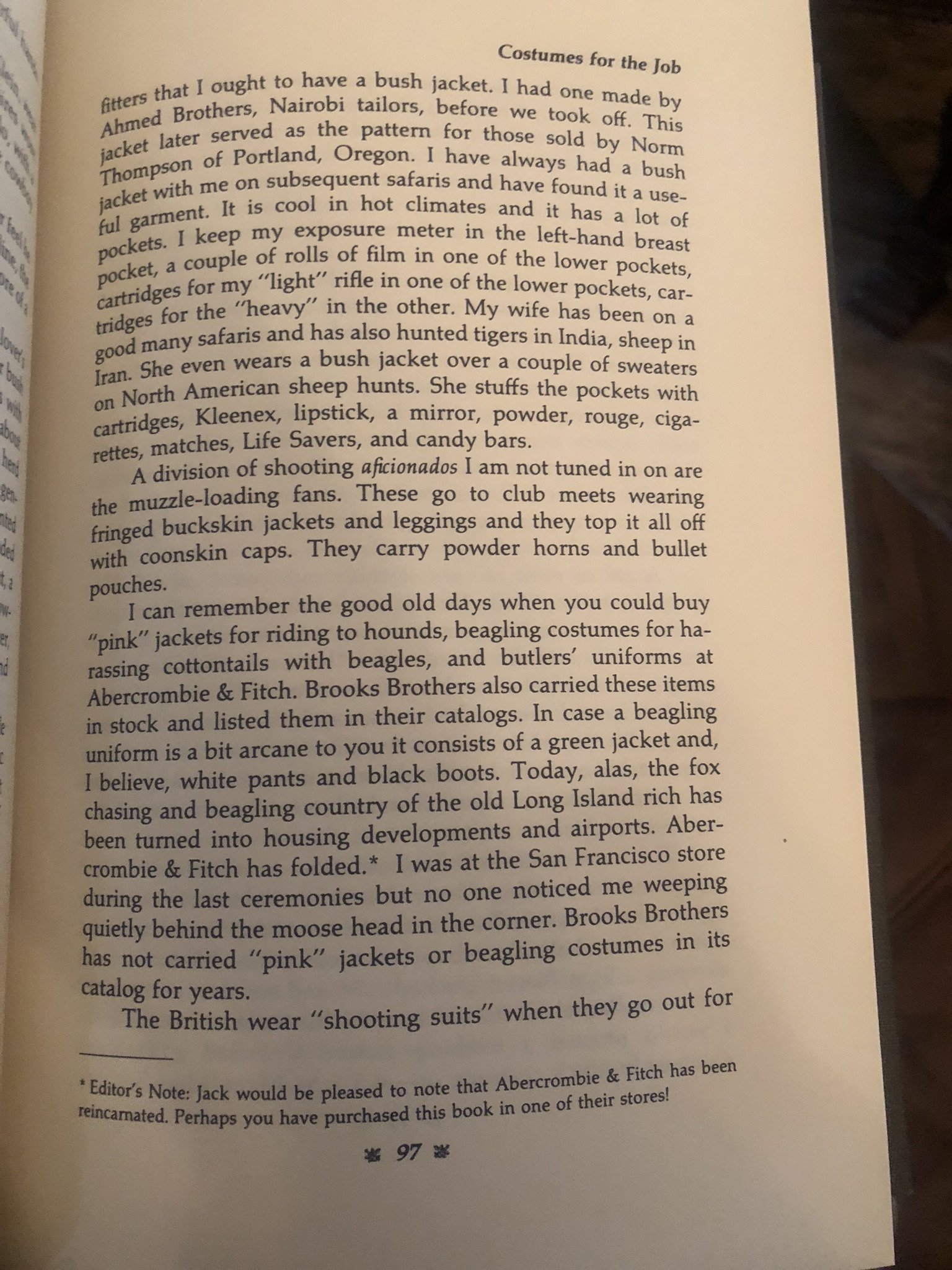
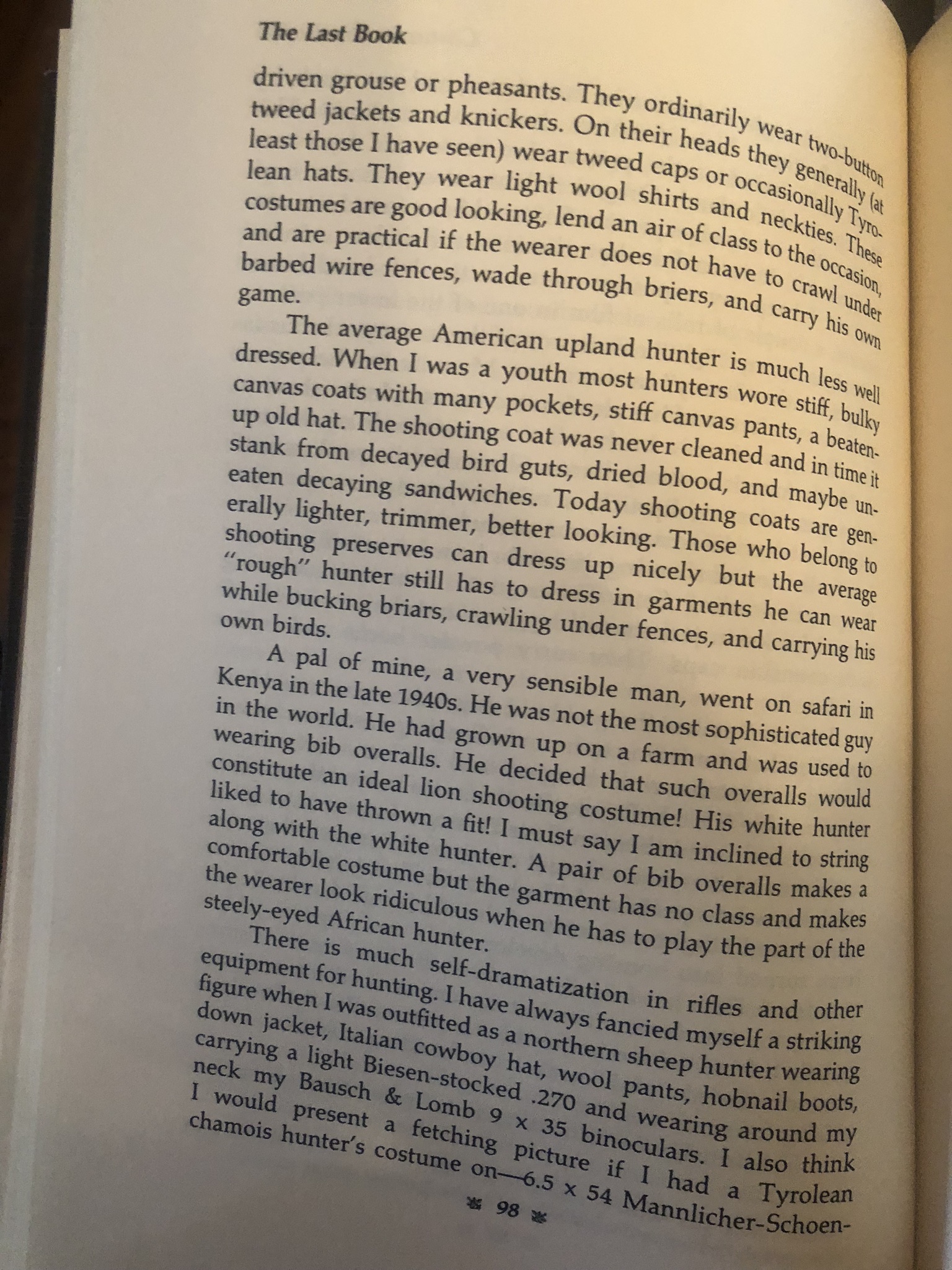
Buz says that knickers help your body move during the mount, which he likes to complete with tweed coats and waistcoats with Wellington boots and Barbour waxed cotton jackets for rain. Or you can try German wool army pants, which are stylish and very warm, they come in differing weights. We like khaki safari pants (or even just some pressed comfy, Chinos) for most warm weather hunting, often topped with chaps (on cold or wet days) or half chaps the rest of the time.
Shooting gloves are a must. The thin leather Orvis shooting gloves are the best we have found, but there are many options. For lightweight gloves, Mechanix are hard to beat and offer great dexterity.
A tweed shooting coat and plus fours, nor the opposite extreme of a safari bush coat are neither really ideal for the Western upland hunter, although I have experimented with both. A good compromise is a cotton bush shirt, bush pants, and a vest or jacket, such as a Barbour or the French brand La Chameau makes great waterproof jackets, their Gortex equivalent in Ventile, which is even better than Barbour coats, as they are not made from waxed cotton and it has Gortex like properties.
Quilomene makes a nice waist pack setup for upland hunting.
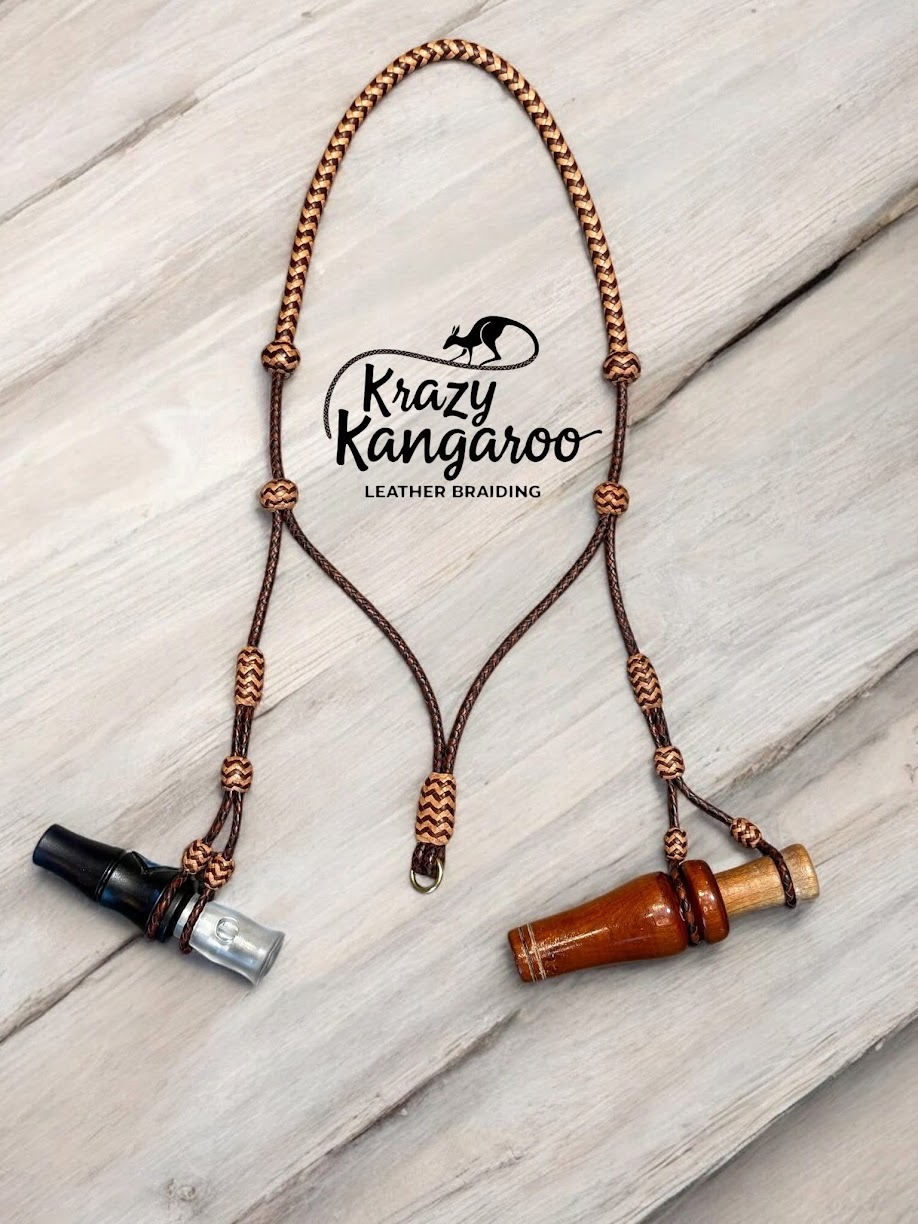
Mike Keetch, Custom leather whistle lanyards and leather/canvas half-chaps. Out of business, now we use Krazy Kangaroo.
Throw it all in some vintage leather cases.
Sources:
https://www.cathcartlondon.com
https://www.oldfieldclothing.com
Euro-Chasse Clothing & Accessories http://www.eurochasse.com/
Russell Moccasin Hunting Boots http://www.russellmoccasin.com/
Quilomene San Carlos Vests http://www.quilomene.com
Mike Keetch, Custom leather whistle lanyards and leather/canvas half-chaps. Out of business, now we use Krazy Kangaroo.
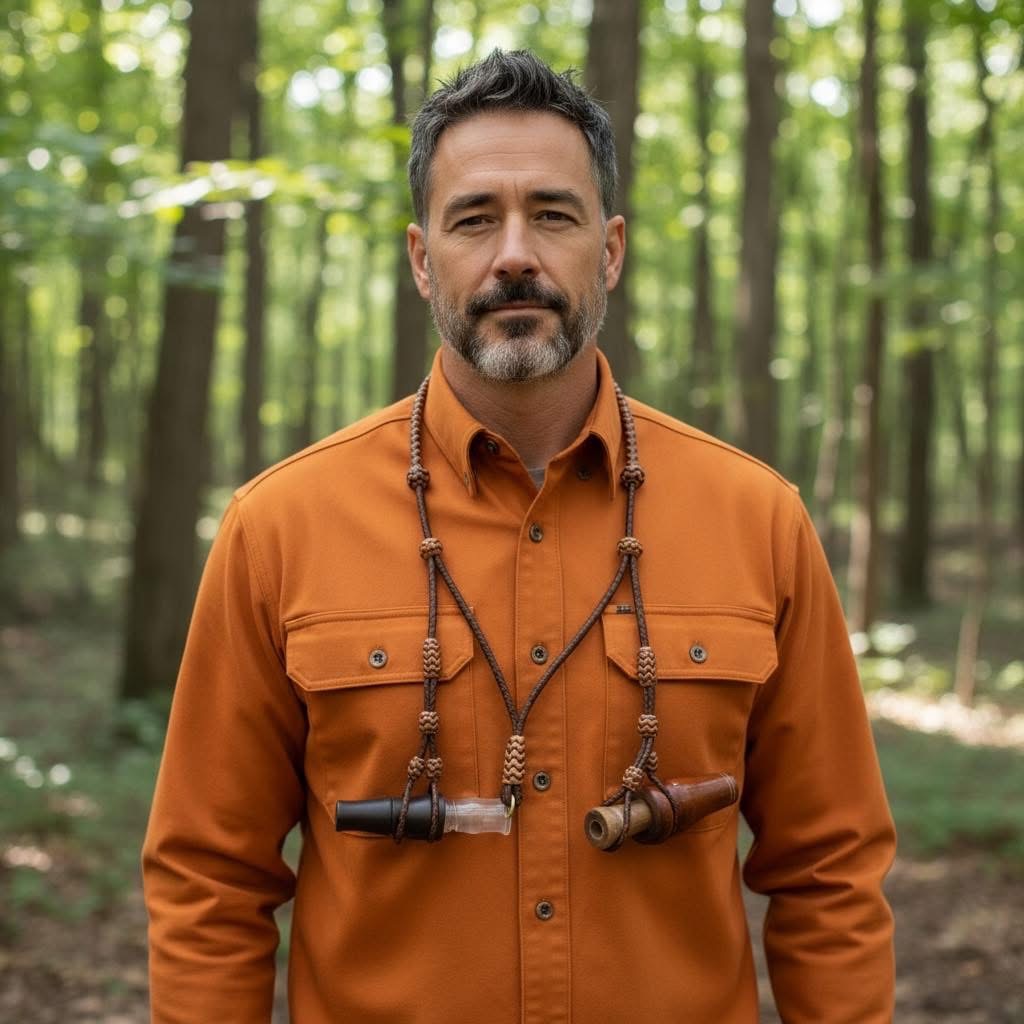
Which is not to say that English attire is the only way to go, as nice Western attire can also look good, when done right. It’s the camo crowd and blaze orange band of bandits, that can create some bad reputations for hunters, especially when drinking in the middle of a day at a restaurant, and then going back out to drive and hunt. Consider the reputation that we cast off as hunters and make sure it is a good one.
Look the part, but make it a good look. And, make it a look that’s right for you.
__________________
2025 Update–There are some new companies coming out that replace some of what was lost with the old. Check out Martin Dingman, C. Woodcock & Co.,
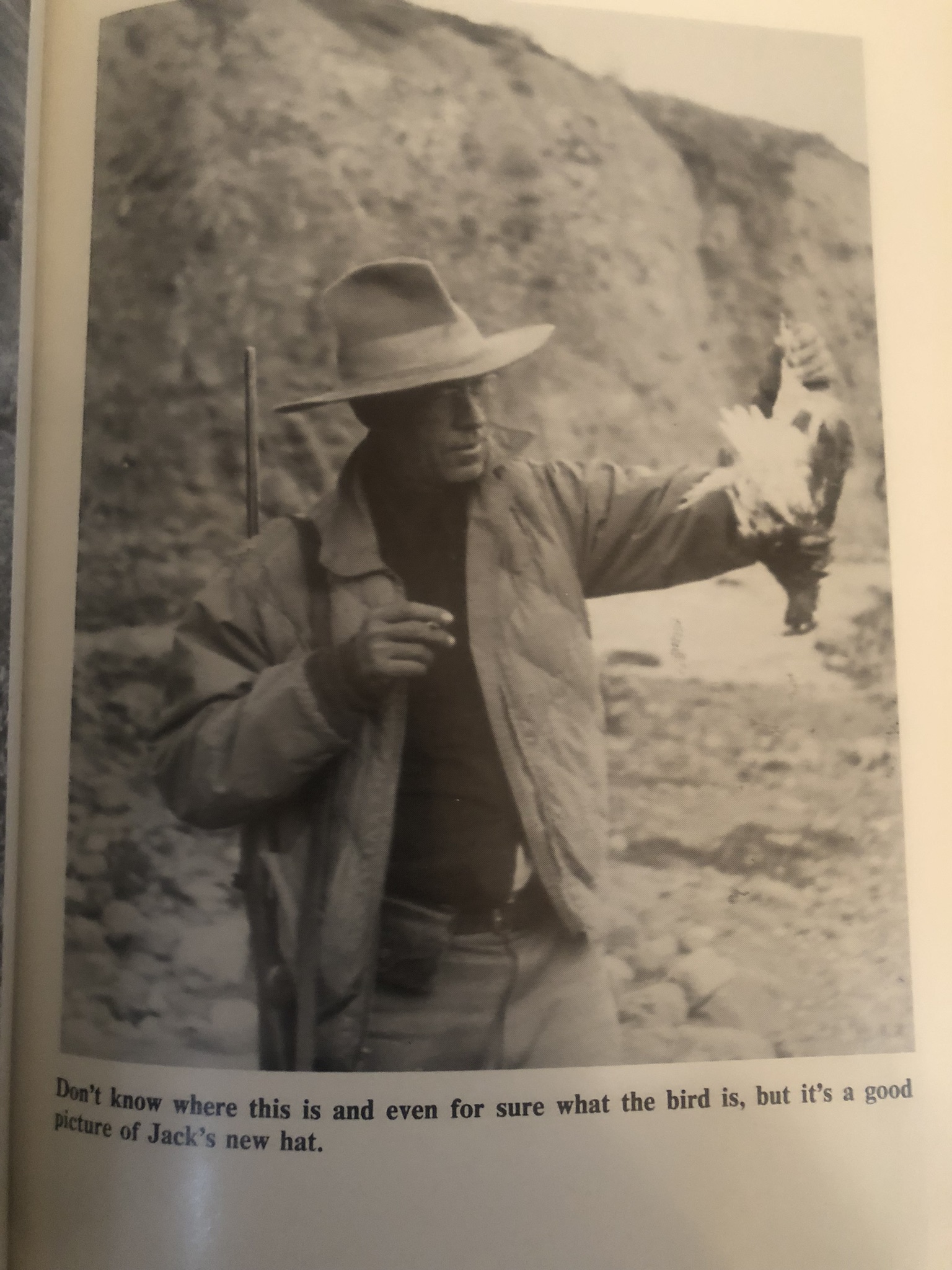
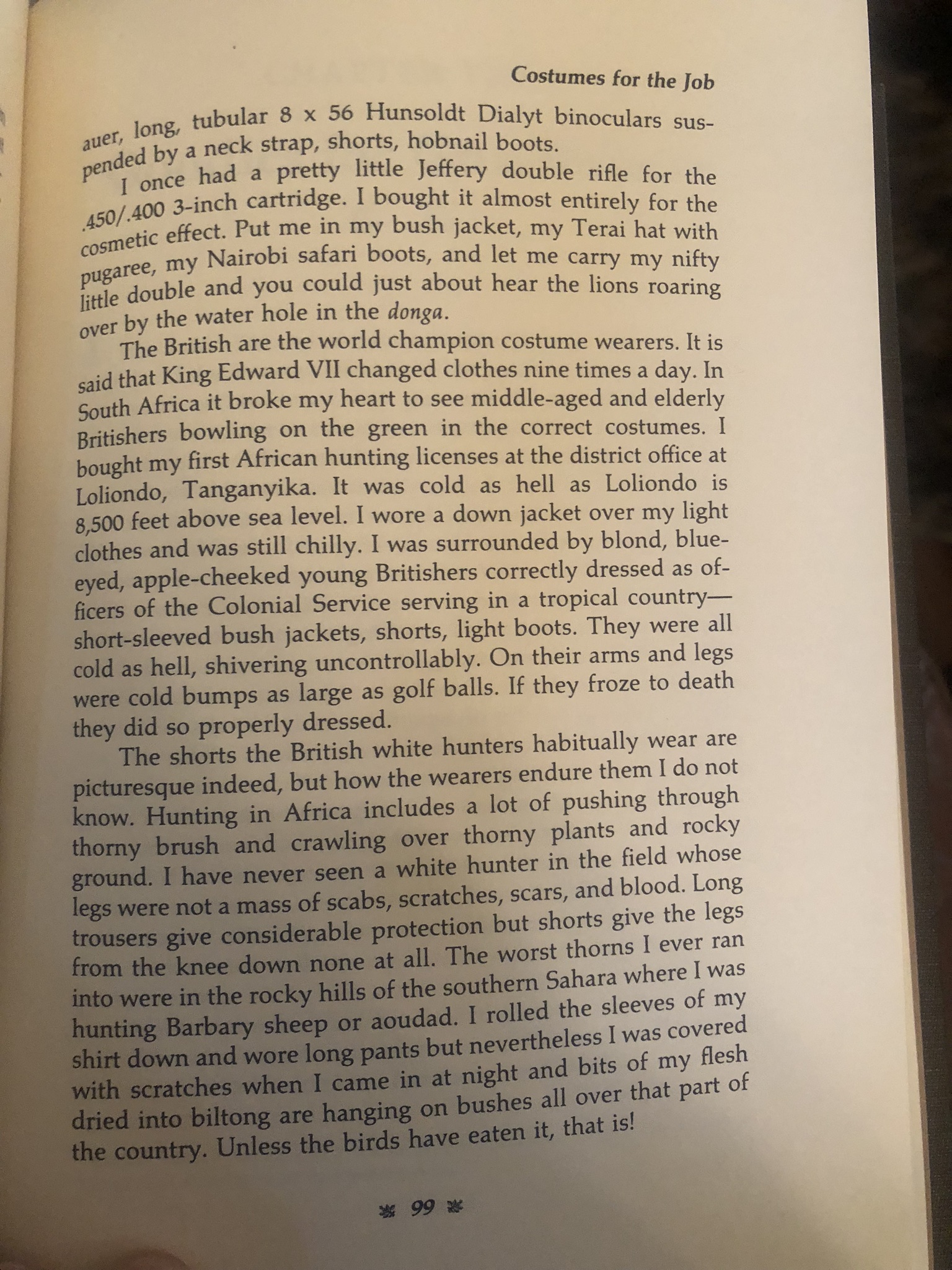
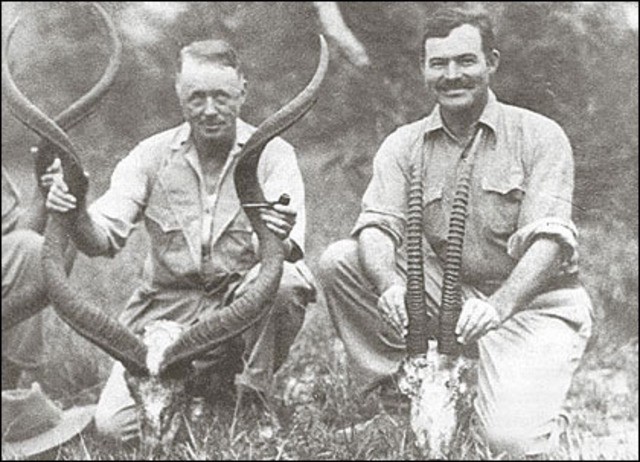
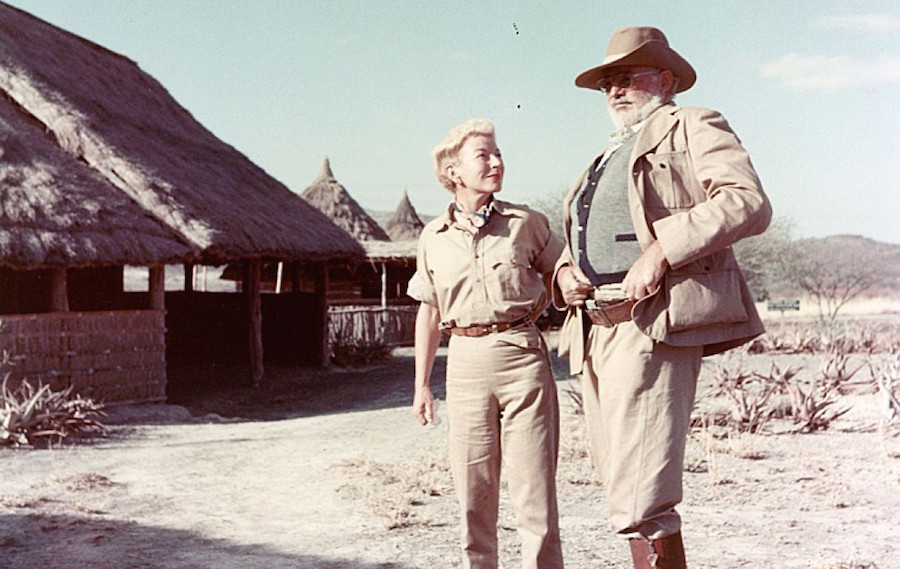
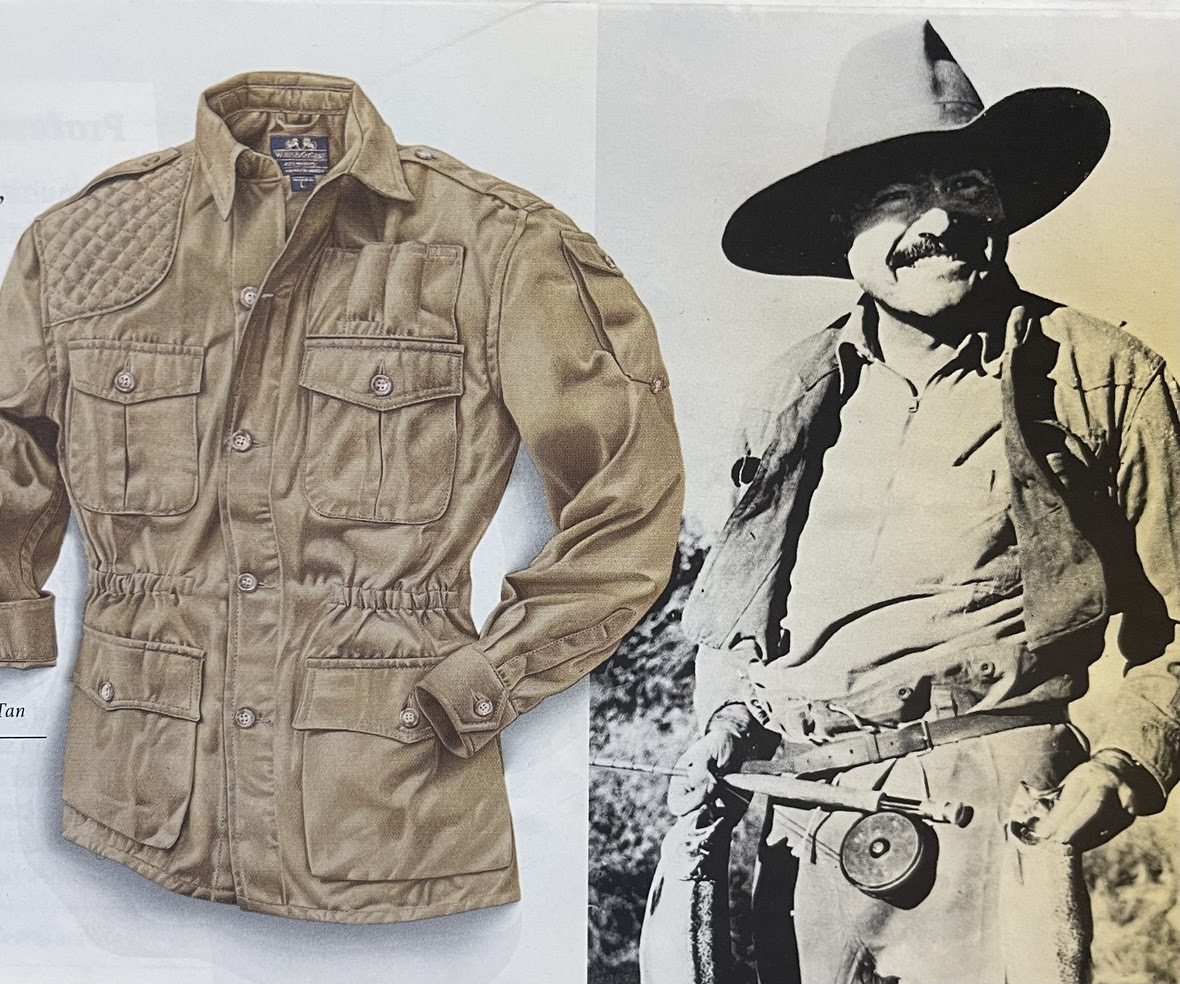
Hemingway wore a safari hat with the brim pinned up on one side in the traditional Australian “digger” style.While part of his safari look was an aesthetic choice for his outdoor adventures, the folded brim was highly practical: it kept the wide brim from interfering with his line of sight or getting knocked off by branches while on the move, and allowed him to shoulder and fire a rifle without the fabric catching on his weapon.Hemingway famously adapted his headwear to his current environment. For his fishing expeditions in Cuba and Idaho, his go-to choice was the iconic Oysterman Hat from Quaker Marine Supply, while he wore a traditional Basque beret in Paris.If you are looking to explore his outdoor style further, I can help you:Find authentic recreations or modern updates of his favorite outdoor capsLearn more about his historical safaris and the gear he used
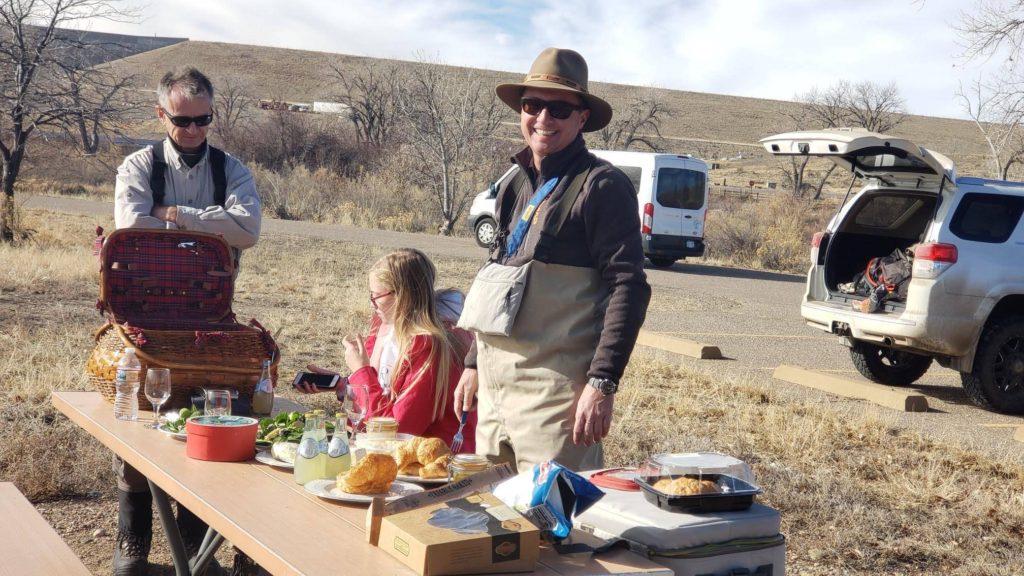
Packing List
Documents / Essentials
-
License, permits and HIP
-
wallet, license with HIP, cash
-
Maps and GPS
Eye Protection / Contacts
-
glasses and sunglasses and contacts
-
Prescription glasses and sunglasses
Firearms / Defense / Field Safety
-
Shotgun with case or slip
-
shells
-
non-toxic shells for hunting federal lands in U.S.
-
handgun and holster
-
bear spray and bear shells
-
whistle
-
lighter
-
Leatherman
-
duct tape
-
batteries
Clothing – Footwear
-
Russell boots, snake boots, desert training boots, or other field boots
-
rubber boots le chameau, Hunter or Dublin boots for rain
- chukkas, veldskoens, boat shoes, approach shoes, slippers, casual shoes and/or camp shoes
-
waders and boots if hunting wet areas
- dress shoes
Clothing – Apparel
-
quilomene vest
-
Chaps and half chaps
-
sweater or windproof sweater
-
vest
- Le Chameau waterproof field coat
- shell belt
-
pants and belt
-
dress pants
-
dress shirts
-
willis and Geiger shirt
-
tan coolmax shirts
-
socks
-
socks (duplicate preserved)
-
underwear
Hats / Headwear
-
Tilley or wool or straw hat or stormy kromer
-
Tilly hat
-
driving hat
-
scarf, balaclava, or smeg
Hydration / Water Systems
-
Camelback and hose
-
MSR dromedary bag/black water bladder filled with water
Dog Gear
-
dog collars with GPS, fully charged with remote and watch
-
dog boots
-
dog crate and dog crate cover for back of truck
-
whistles, check cords and leashes
-
water and food bowl for dog
-
dog food in waterproof bag
-
Canine first aid kit
Hunting / Field Kits
-
My green canvas shooting bag kit
-
Picnic stuff and knives
-
gift for guests/my book
-
Any extra kit for guests?
-
Maps (also listed above in essentials but preserved here only once above)
Fishing Gear
-
Fishing stuff?
-
Fly rods, waders boots, fly boxes, green bag
Camping / Sleep System
-
sleeping bag, ground pad and bivy
-
sleeping pills and medication
Food / Drink / Camp Comfort
-
Flask and wine, wine opener
-
Scotch and silver cups
-
mate or cowboy coffee
-
pack cooler with food and drinks
-
Yeti cooler and/or plug in cooler
-
Kava and kava shaker or blender
-
Pipe and tobacco
Personal Care / Misc
-
shave bag kit
-
Sunscreen and bug spray
-
phone charger
-
wallet, license with HIP, cash (also listed above but preserved once above)
-
Prescriptions and ibuprofen