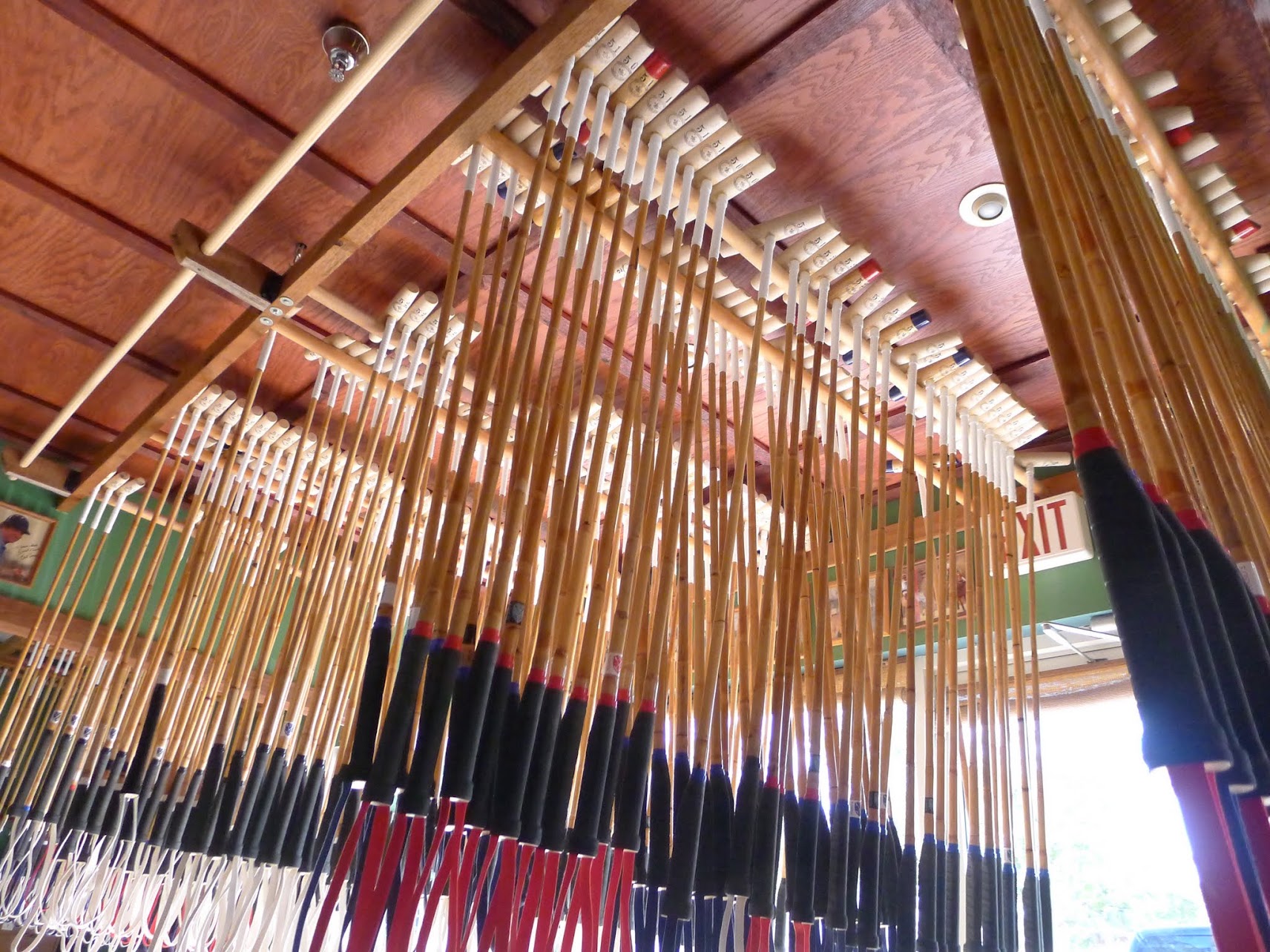
Nano’s—The End of a Legacy
Nano’s Polo Mallets is one of the established names in American polo mallet making, and there is considerably more history behind the name than the rather utilitarian website suggests. Humans apparently decided a good polo mallet should be both a precision instrument and something that gets smashed into a 10-ounce ball while riding a horse. Sensible species. But, like all good things, it has come to an end. Well, not Nano's end, but the end of decades of being the go-to mallet guy in North America. Sure there are others, but none quite like Nano's. The company was founded by Adriano “Nano” Perez, an Argentine mallet maker from Mendoza. According to the company, Nano began making and repairing polo mallets in Argentina in 1969, moved to the United States in 1988, and established Nano’s Polo Mallets in Wellington, Florida, in 1993. That makes Nano's particularly interesting because it sits at the intersection of the Argentine polo tradition and the modern American polo circuit. Wellington, naturally, is about as logical a place as exists in the United States for a specialist polo craftsman. Anyway, there is a replacement in sight, as Tommy Tomas Aubone set up shop in Wellington repairing and making mallets. Address: 3133 Fortune Way #1, Wellington, FL 33414 Phone: (630) 546-9839 We are also interest to try Emita mallets, which offers an intercollegiate team discount.