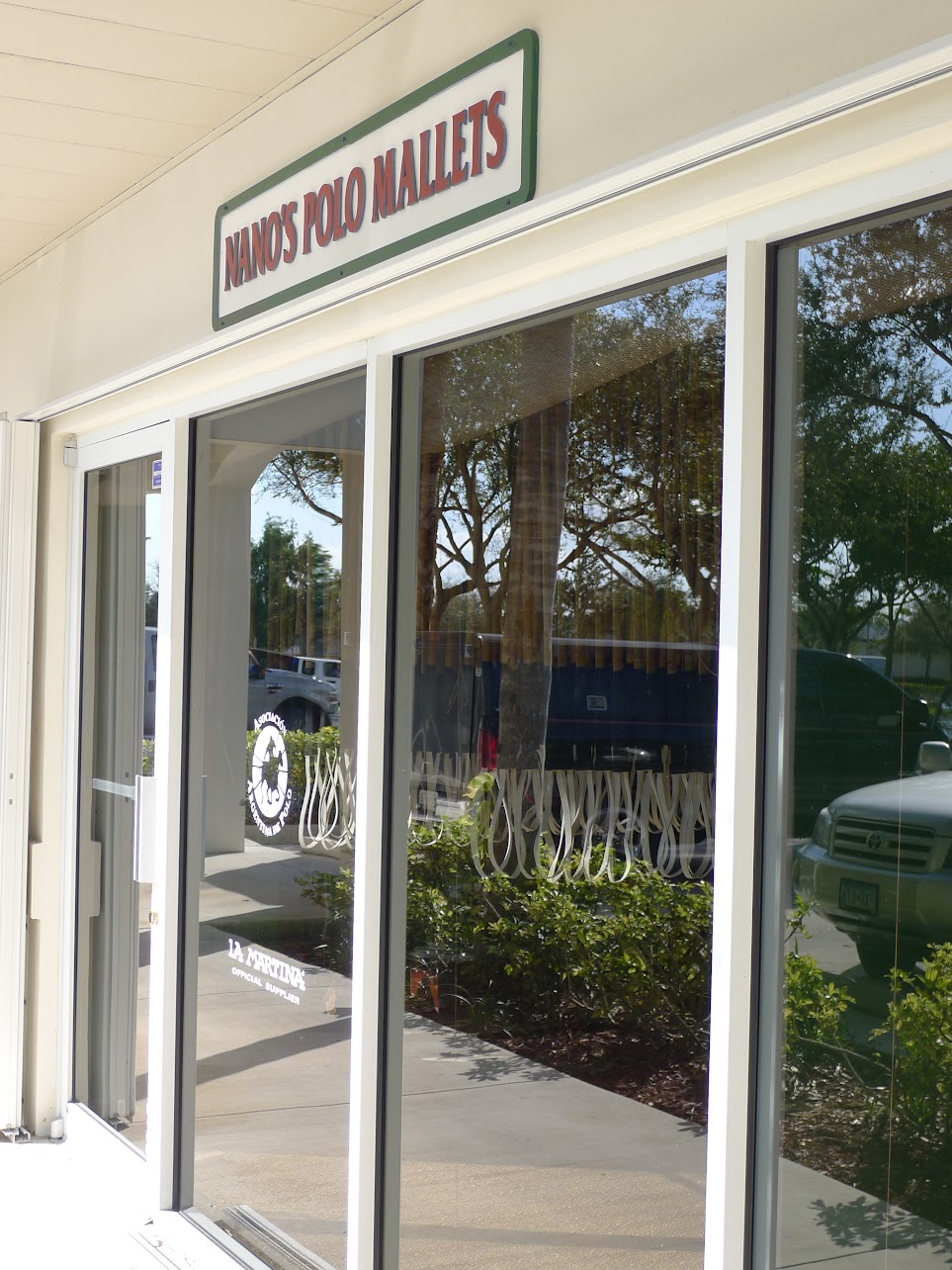
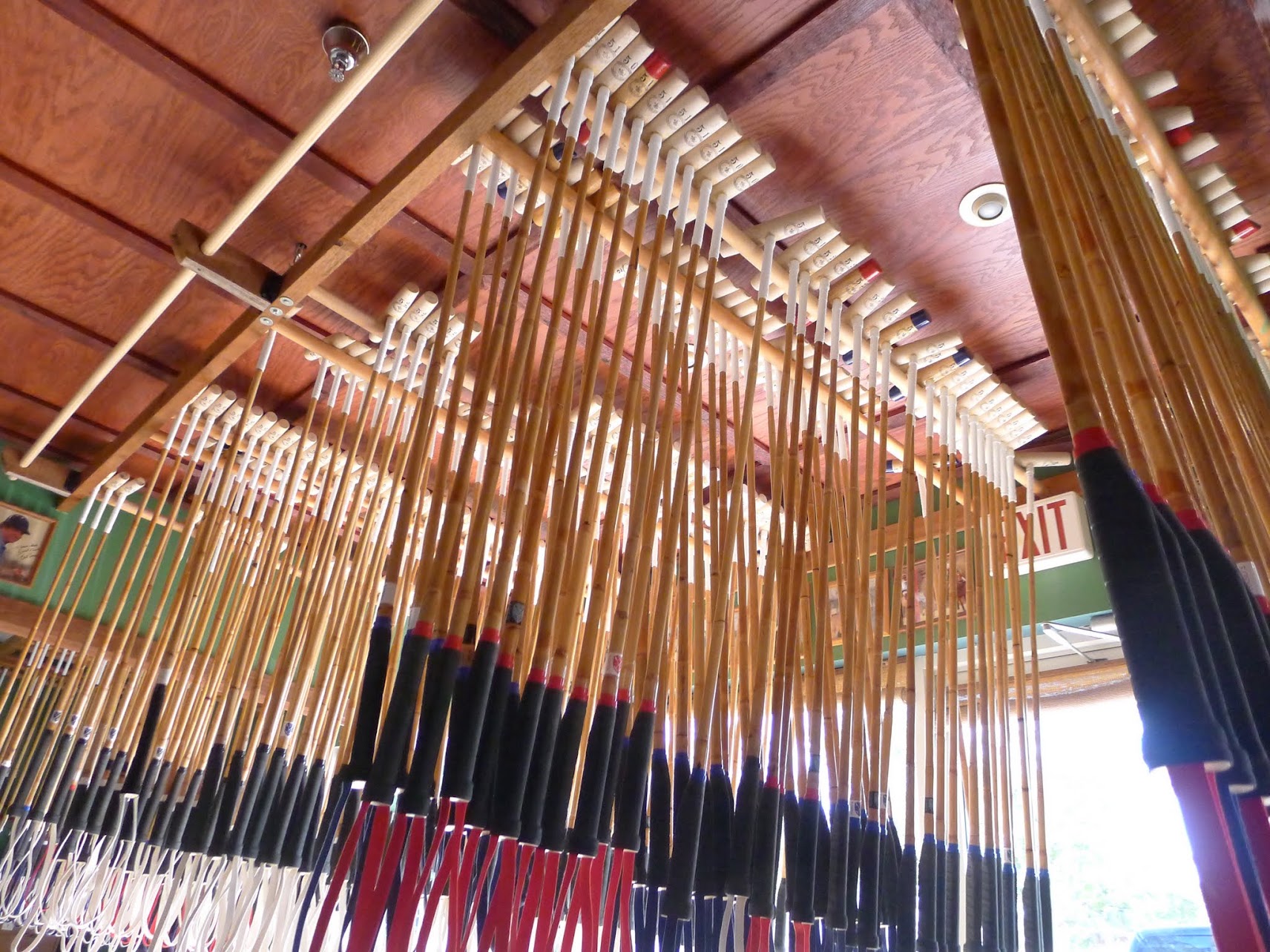
Nano’s Polo Mallets is one of the established names in American polo mallet making, and there is considerably more history behind the name than the rather utilitarian website suggests. Humans apparently decided a good polo mallet should be both a precision instrument and something that gets smashed into a 10-ounce ball while riding a horse. Sensible species. But, like all good things, it has come to an end. Well, not Nano’s end, but the end of decades of being the go-to mallet guy in North America. Sure there are others, but none quite like Nano’s.
The history
The company was founded by Adriano “Nano” Perez, an Argentine mallet maker from Mendoza. According to the company, Nano began making and repairing polo mallets in Argentina in 1969, moved to the United States in 1988, and established Nano’s Polo Mallets in Wellington, Florida, in 1993. (Polo Mallets)
That makes Nano’s particularly interesting because it sits at the intersection of the Argentine polo tradition and the modern American polo circuit. Wellington, naturally, is about as logical a place as exists in the United States for a specialist polo craftsman.
The company is still registered as an active Florida corporation, with current state records listing Nano’s Polo Mallets, Inc. as active. (Sunbiz)
What makes a Nano mallet different?
The important part is the cane and the head, rather than decoration.
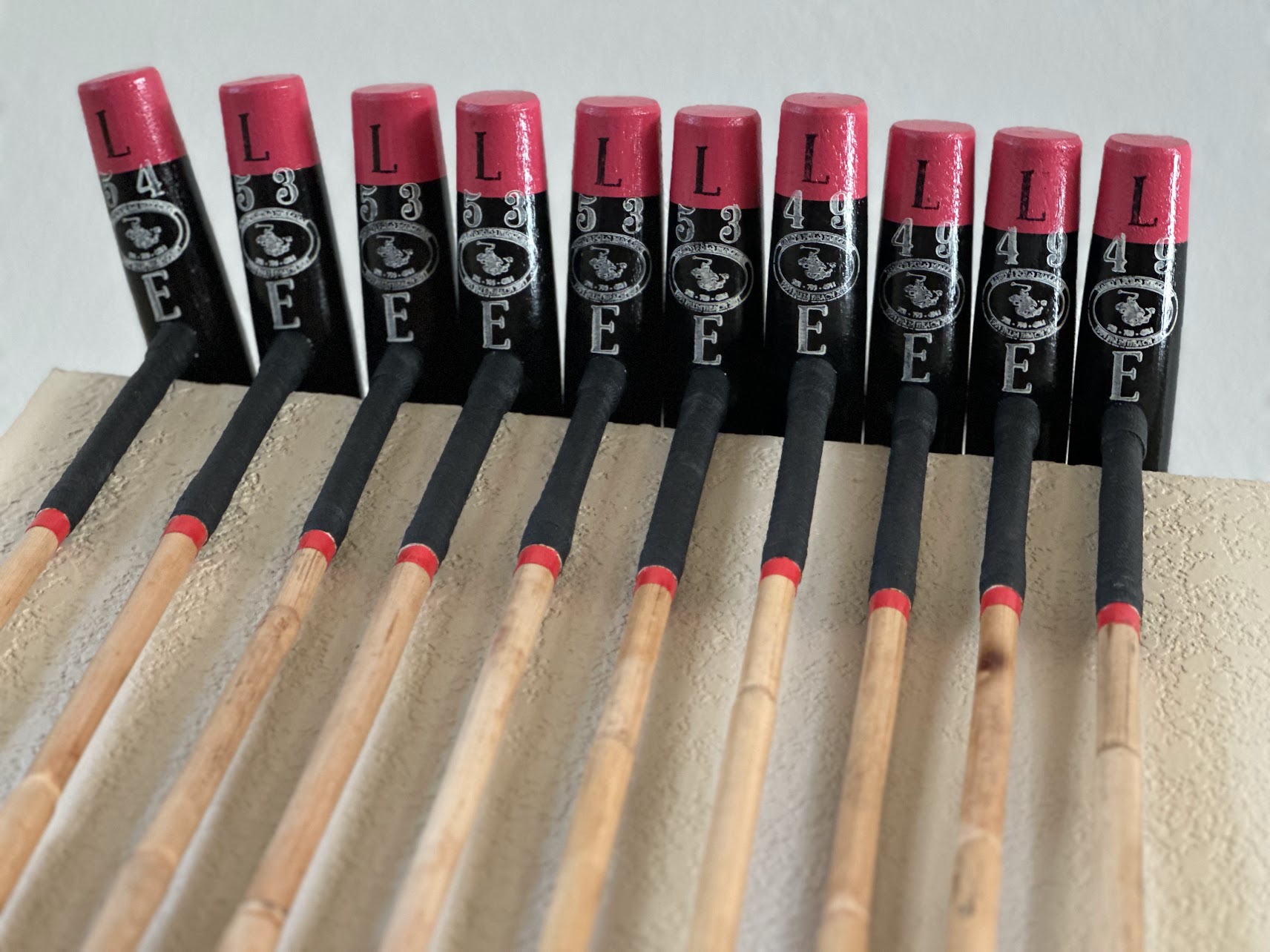
Nano describes its mallets as using:
- Manau cane for the shaft
- Tipa wood for the head
- Individually selected and balanced cane/head combinations
- Different degrees of flex, weight and head size
- Custom lengths and specifications
The cane is particularly interesting. Nano describes Manau as a thorny palm-family cane that grows in Asian rain forests. The canes are harvested, boiled, cleaned, dried and then heated and straightened by the mallet maker. The maker has to judge the curing process according to the individual cane’s weight and characteristics.
The Tipa head is a dense, durable wood associated with northern Argentina and parts of Brazil and Paraguay.
So a good Nano isn’t simply a stick with a wooden block glued onto it. The matching of cane, flex, weight and head is a major part of the craft.
Nano’s traditional categories
Their current specifications divide field mallets into heavy, medium and light, with different cane stiffness and head/grip combinations. They also make arena, women’s, children’s, foot and bike mallets.
Their field mallets include:
| Type | Cane | Head | Typical character |
|---|---|---|---|
| Heavy | Medium/stiff | Oversize | More mass and authority |
| Regular | Regular | Regular or oversize | General field use |
| Medium | Medium | Regular or oversize | Middle ground |
| Light | Light | Regular | Faster, lighter feel |
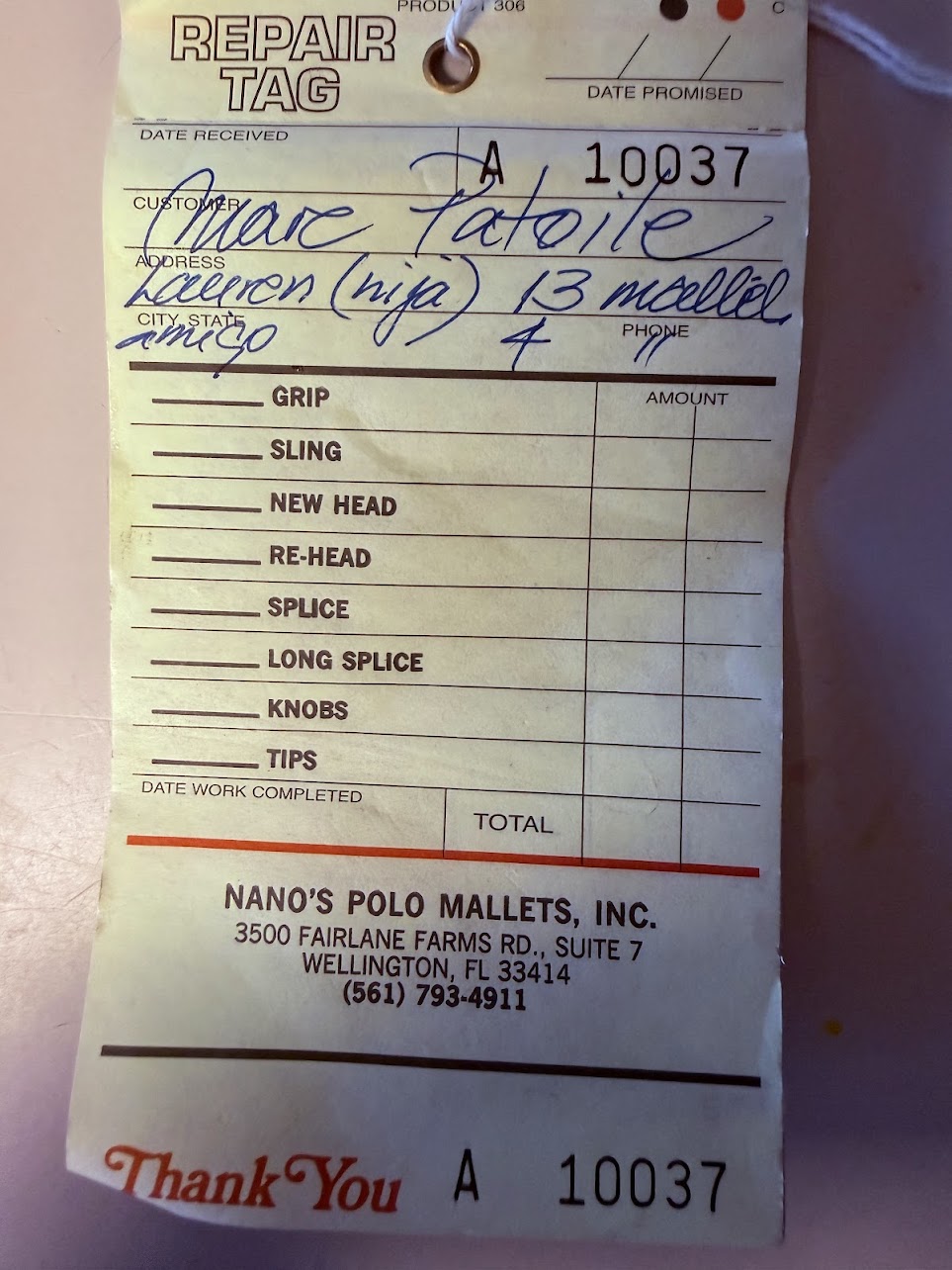
Nano also offers custom colors, grips, replacement heads and cane, and, importantly, repair work.
The repair reputation is actually a big part of the story
Nano’s describes Adriano Perez as the “World’s Best Repairman.” That’s marketing language, naturally, but there is evidence that his reputation among players is longstanding.
A polo player interviewed/referenced by the company said he had bought all his mallets from Nano’s for 28 years, specifically praising the quality and service.
The company was also still advertising itself in Polo Players Edition in 2020 as a specialist in custom mallets and professional repair.
What they cost
This is where things get interesting if you’re looking at them as serious polo equipment rather than simply buying your first pair of sticks.
The Denver Polo Club currently lists mallets at roughly $120–$150, and specifically recommends starting with two 52-inch mallets, while noting that mallets are normally custom-fitted to the player.
Nano’s own older published material and historical advertising put its mallets in roughly the $100–$120 range in the early 2000s, so prices have obviously moved upward with the game and the cost of handmade equipment.
If you’re looking at an older pair
This is the part I’d pay attention to.
Vintage Nano mallets can be interesting, particularly if they have:
- an older Nano’s mark or label
- unusually good, straight cane
- desirable flex
- intact or professionally repaired heads
- original grips
- unusual/custom colors
- matching serial or identifying marks
- provenance from a known player or club
But I wouldn’t automatically assume an old Nano is valuable simply because it’s old. Polo mallets are consumable sporting instruments, and cane can fatigue, crack, straighten, or become brittle. A 30-year-old mallet that has spent its life in a tack room isn’t analogous to a 30-year-old London Best shotgun sitting in an English gun safe. One gets lovingly wiped down; the other gets repeatedly whacked against a ball while somebody is galloping around.
The real question is what you have. If you’re looking at a particular pair of Nano’s, photographs of the head, cane, grip, butt/end, any markings, and the overall mallet would let me identify approximately what generation/model they are and tell you whether they’re ordinary Nano field mallets or something more interesting.