
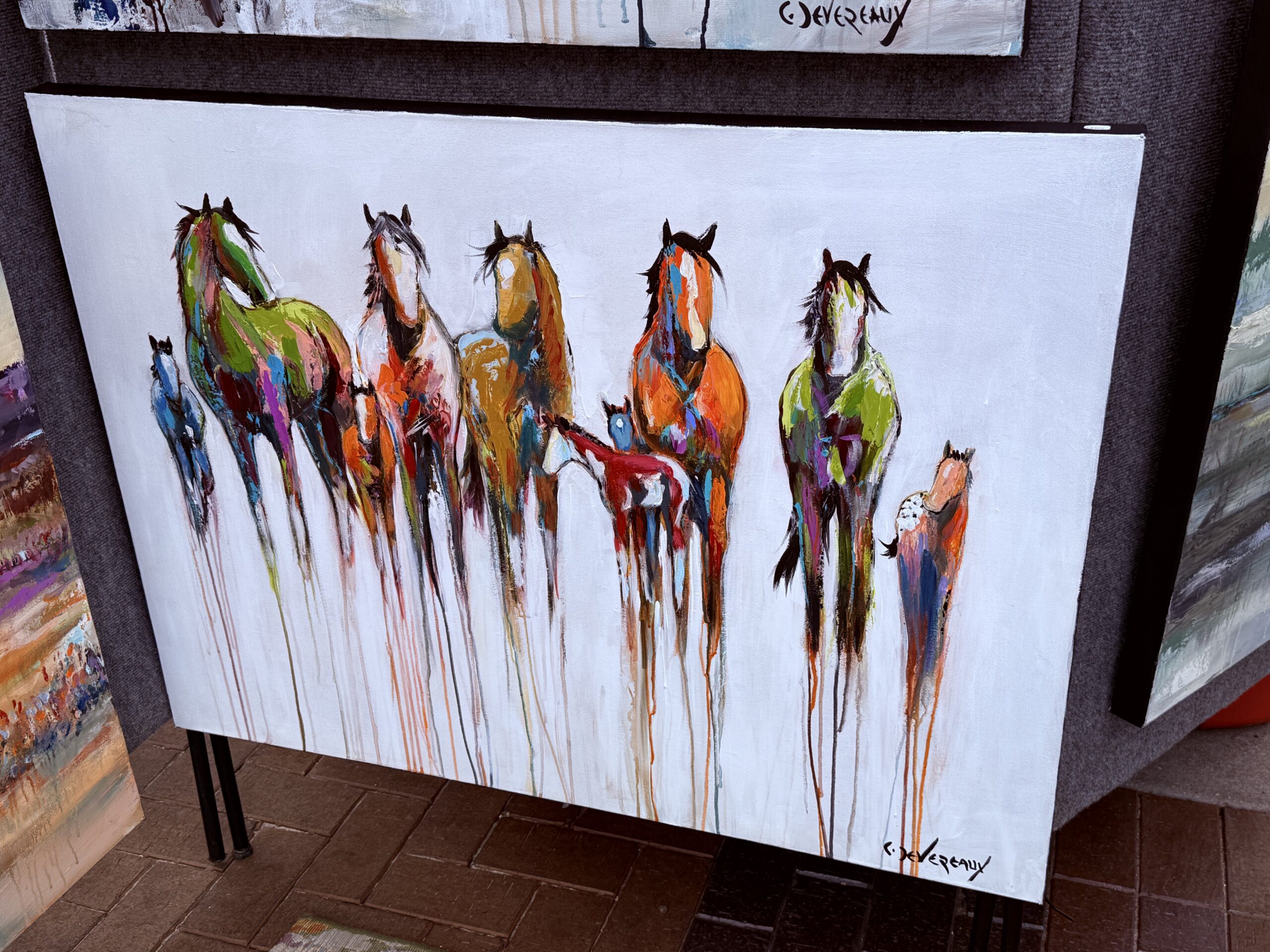
Very Little of It Has to Do with Horses
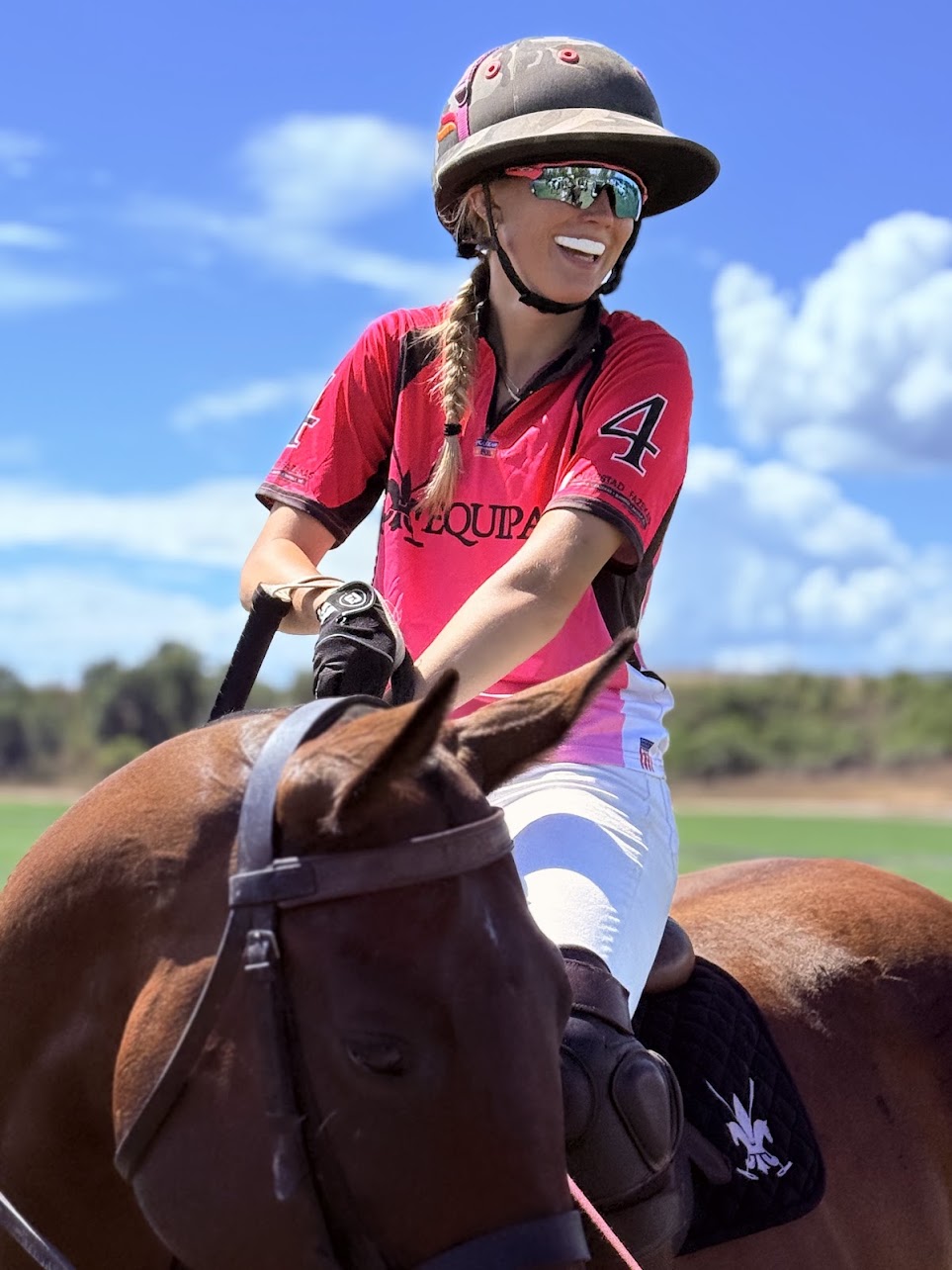
Horses teach us a lot. Very little of it has to do with horses. What Horses Teach Us About How to Live Horses teach us a lot. Very little of it has to do with horses. Spend enough time around them and eventually you realize that the horse is rarely the most interesting thing happening. The lesson is usually about you. A horse has a remarkable way of exposing the difference between what we think we are doing and what we are actually doing. You can tell yourself you're calm, confident, patient, or in control. The horse will quietly provide a second opinion. And horses are not particularly diplomatic. Be Present Horses live almost entirely in the present. They don't care what happened yesterday, and they have no interest in your plans for next Thursday. They respond to what is happening now: the sound in the distance, the movement beside them, the pressure of your leg, the tension in your hands. That makes them remarkably good at reminding us how rarely human beings do the same. We spend an astonishing amount of time replaying the past or rehearsing the future. Meanwhile, the actual day is happening right in front of us. A horse brings you back. Pay attention. You Cannot Fake Calm Horses are extraordinarily sensitive to tension. You can tell yourself you're relaxed. You can even announce that you're relaxed, which is generally a reliable indication that you are not. The horse will notice the clenched hand, the stiff back, the shallow breathing. They respond to what you are, not what you claim to be. There is something useful in that. The people around us often do the same thing, although they