
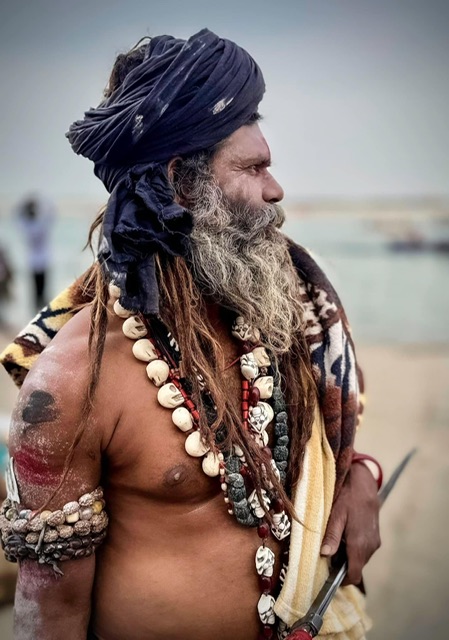
Advice from an Old Man
Advice from Gene: Gene-isms get one gun and learn how to shoot it buy the convertible now because it’s the only time you’ll ever want it in your life fast cash makes fast friends here’s three gold coins and I’m saving the fourth one in case you hurt my daughter then I get your head a the bag I don’t care what we eat, whatever makes a turd Buy the best, only cry once. Look, you can always buy the newest thing, but I have had this jacket for 40 years and it’s served me well. Advice from Another Old Man: Water. I drink 2.5 liters of filtered water daily. No plastic bottled water. In the morning, my first glass is 16 oz with beet powder mixed in. Walk about 10–15k steps a day. Do throughout the day. I start with getting around 3–4000 steps in the morning after I rise. Exercise regularly (3 days a week for 40 minutes). I start each morning before my walk doing the following to warm up:3 rounds of 20 squats,100 pushup (40, 30, 30), and100 sit ups 40, 30, 30 in between the pushups above. Paleo diet. All organic. Some folks don’t get the whole organic thing but I believe that the pesticides in non organic food are probably not a good thing for our health. Eating Paleo eliminates foods that cause inflammation which leads to excess weight and a weakened immune system. [We like the Whole 30 diet as well.] Meditate daily. [TM is great.] Don’t watch the news. It’s all bad and adds to stress. [We still like newspapers.] Take vitamin D every day. Protect your eyes at night by dimming or