Know Your Horse’s Vitals
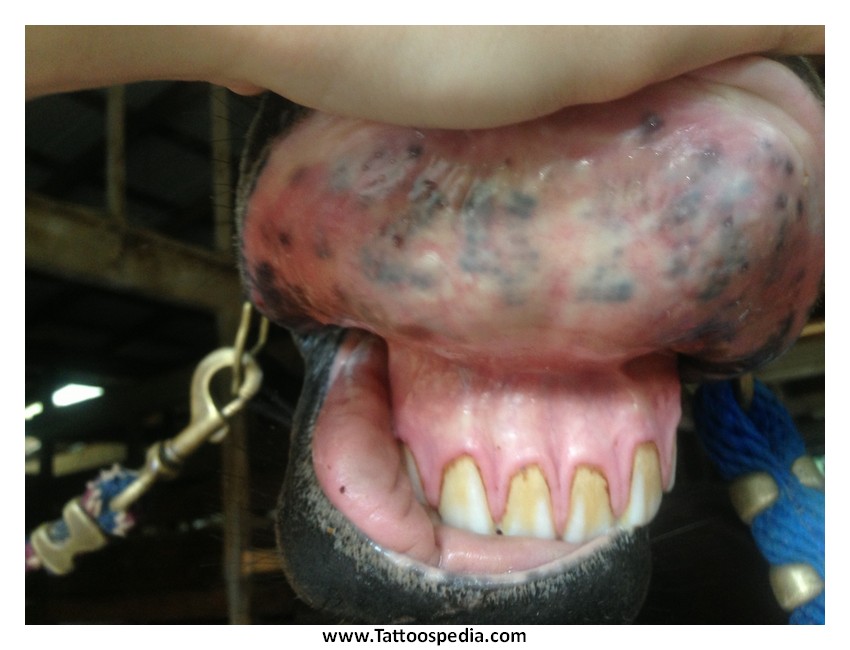
Also here are the codes for track thoroughbreds to determine age based on lip tattoo.

Also here are the codes for track thoroughbreds to determine age based on lip tattoo.
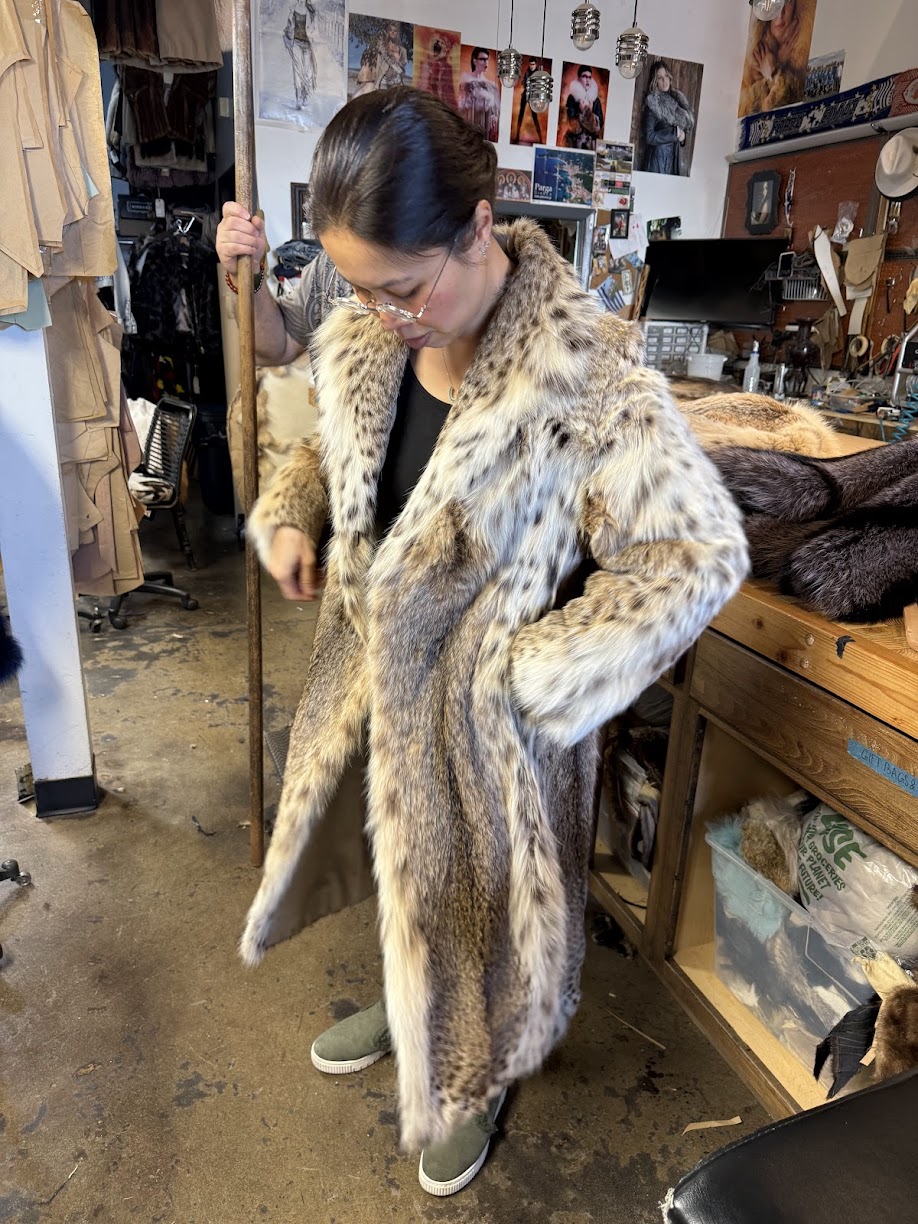
Photos from https://www.reconnectwithnature.org/news-events/the-buzz/whats-the-difference-bobcat-vs-lynx A bobcat fur coat retailing on a specialist fur site might start around $2,000 for a basic sectioned bobcat coat, but most go for a lot more than that if well made. Lynx coats generally cost more than straight bobcat because the fur is rarer and thicker/softer: about $5,000 – $25,000 or more for new high-end pieces. Some luxury pieces with prime lynx belly fur can be much higher ($30K-100K), depending on styling and heritage. A lynx belly fur coat uses only the rare, pure white, spotted underbelly for ultimate luxury, making it extremely expensive, while a full pelt coat uses the entire skin, including the browner, less uniform back, offering a more affordable but still beautiful and spotted garment, with the belly sections still being the most prized parts. The belly fur is prized for its distinct pure white base and crisp black spots, requiring many pelts to create one garment, whereas full pelt coats balance luxury with accessibility. Very expensive and rare because it uses only the best, whitest part of each pelt, demanding more effort and pelts per garment. Other coats use the full lynx pelt which are still high quality and luxurious, using skilled craftsmanship to integrate the different parts of the pelt and the coats tend to be more brown. The most expensive types of fur coats are made from rare furs like Russian sable, chinchilla, and lynx, with Russian sable being the most valuable due to its unique softness and sheen. Minx, silver fox, and other furs are the usual starting points for a collection.
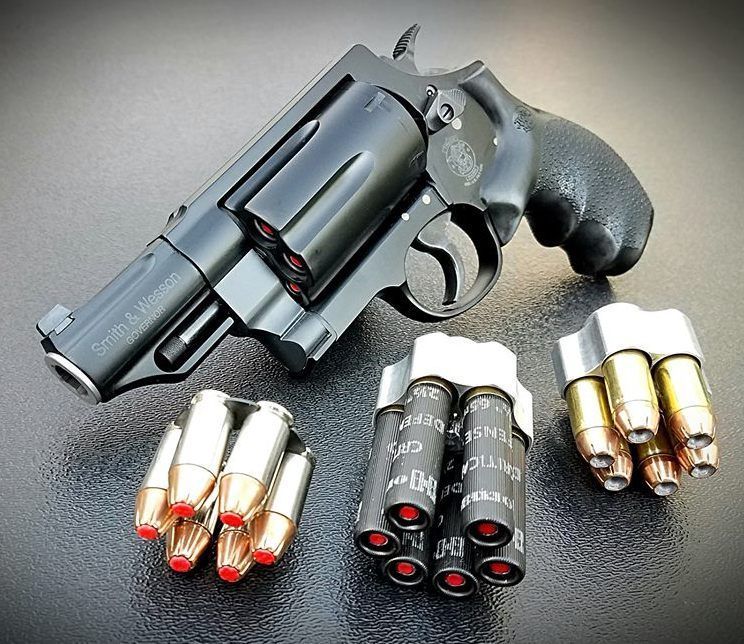
Ron had a .38 colt detective special, blued 3rd generation with pachmayer grips, and buckshot loads for snakes, but .45 ACP we got in the SW Governor may be even better as it also shoots .410 shells in addition to .45 ACP. Ammo for Governor recommended at Cabela's was Herter's .25acp 230gr FMJ, Herter's select .45 long colt, 250 gr, LFN, and Winchester Super X .410 2 ½ in., ½ ox shot, #4 shot.
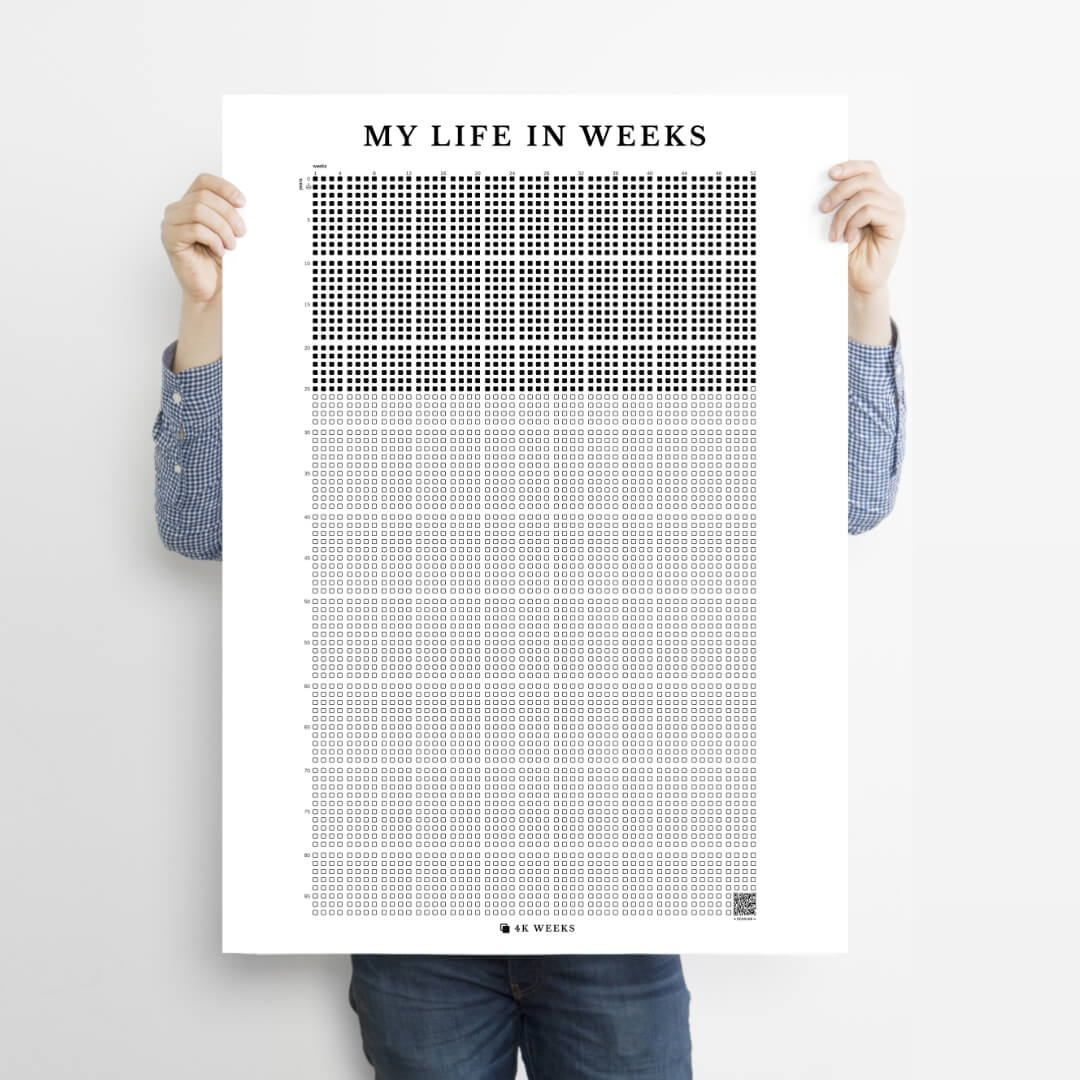
The Average Person Lives 27,375 Days. Make Each of Them Count. That is the average lifespan in the United States today: 27,375 days. If you are typical, that is what was deposited in your “time bank” when you were born. Every day, whether or not you want to, you make a withdrawal of 1 day. When the days run out, you die. Game over. To find out how much time you have left if you are an average man or woman, take your age and multiply it by 365. Then, subtract it from 27,375 days. For example, if you are 25 years old, you have 18,250 days to live (27,375 days – 9,125 (because 365 x 25 = 9,125)). If you are 50 and average, you have 9,125 days left to live. If you are 65, you have 3,650 days left to live. The average person lives 27,375 days. Make each one count. Spend part of the year fishing in Canada or sailing in the Caribbean. Learn to cook or paint. Don’t just sit in your office or at home, mindlessly collecting pieces of paper called money so you can pay for a car that needs to be replaced every few years or a house that won’t do you any good when you are gone! One of the secrets to Steve Job's success was reminding himself every day that he was going to die. Only a few years later, he did just that. He had fewer days than most people, passing away at 56 years old, yet accomplished more than almost anyone who has ever lived. You will die. Make sure your life means something. Calculate how many days are left in your “typical” mortality bank and
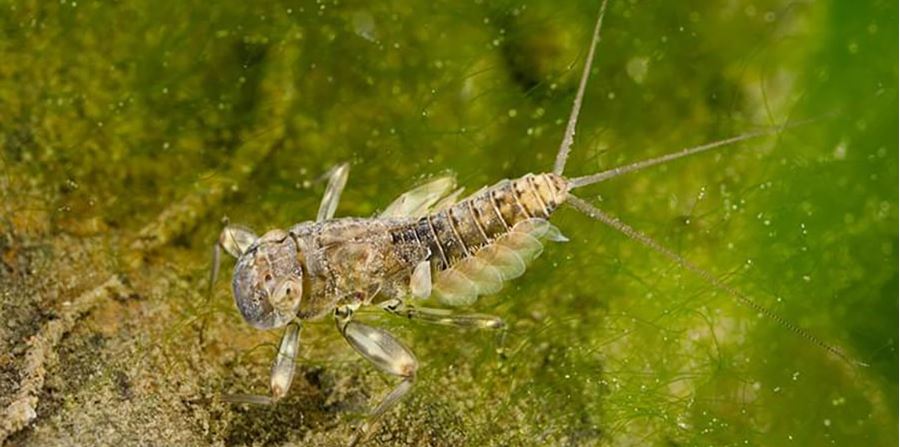
Nick Sawyer writes about this on chalk streams of the UK. https://ezinearticles.com/?Improving-Rivers-For-Fly-Fishing&id=4219154 The Fario Club talks of it repeated occurring throughout France.
The author, Nick Sawyer, is the grandson of the great fly fisherman Frank Sawyer MBE. Black Gnat. The Black Gnat is deadly all year round but is at its best early in the season when there are few flies hatching. Grey Wulff. An all time classic that represents a large number of species. Can be used in larger sizes as a Mayfly pattern or as an olive pattern in smaller sizes. This dry fly is a must for all anglers and should be the fly of first choice if you are unsure on what pattern to use. Para Adams. The best pattern by some margin according to my catch returns. The Para Adams is generic and comes in the full range of hook sizes. The parachute pattern allows even the most heavy handed caster to present the fly in a delicate manner. I sometimes use a size 10 to represent a Mayfly but most often use sizes 14-18 in the summer to imitate olive flies. If you don't have this pattern in your fly box you are, in my opinion, lowering your chances of success. Fly Fishing With a Buzzer Nymph By Nick Sawyer | Submitted On May 03, 2010 There are a great many representations of buzzer nymphs available on the market. Some of them are very good and no doubt most of them will have caught fish at some time. As far as I know, there is only one bow-tie buzzer and that is the pattern designed by Frank Sawyer. Any others are simply copies of the original in just the same way as all weighted nymphs are developments of the Sawyer Pheasant Tail Nymph. Frank Sawyer spent a lot of his life teaching others how
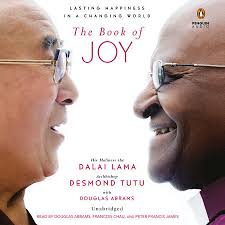
The Book of Joy: Lasting Happiness in a Changing World is a book by the Nobel Peace Prize Laureates Tenzin Gyatso, the 14th Dalai Lama, and Archbishop Desmond Tutu published in 2016 by Cornerstone Publishers. In this nonfiction, the authors discuss the challenges of living a joyful life.
I recently got this book from the free online library. It was very interesting and I really enjoyed it. https://dcl.overdrive.com/media/152401 It follows this book researched and written on flow. https://dcl.overdrive.com/media/171077 I loved both of these books and strongly recommend them. They can teach you how to be content with your role in the universe, how to find flow, or being present in most any activities or thoughts. Best takeaways from the books: Choose to be happy every day, as 40% of happiness lies in everyday activities and very little is derived from what you would think, which is your situation and material successes, which we become habituated to, for better or worse, and which provides little happiness by even radical improvements or downturns in our luck. Happiness is found in flow. Flow is activities between a challenge and something we are skilled at. Flow is between boredom and anxiety, and flow causes intrinsic rewards. We continue to challenge our skills, striving, growing learning. We cannot rely on extrinsic events to be happy. Meaning provides happiness. Be open to new experiences and learning. Savoring life’s experiences, past, present and future brought into the present moment. People who strive for a project or goal, which vary across time. Reflect, relish and share with others through writing but don’t savor through writing. Live more in the moment. Approach goals are better than avoidance goals, and are not negatively biased. Regard happiness as a surprise activity. Diversify. Social support is important. And, for even more information read the book or at least this executive summary from: “The How of Happiness” by Sonja Lyubomirsky (Book Summary) NOTE: If you're into the science of happiness and positive emotions, check out our