Chasing the Ghost of the West: How One Century-Old Lens Captured a Masterpiece
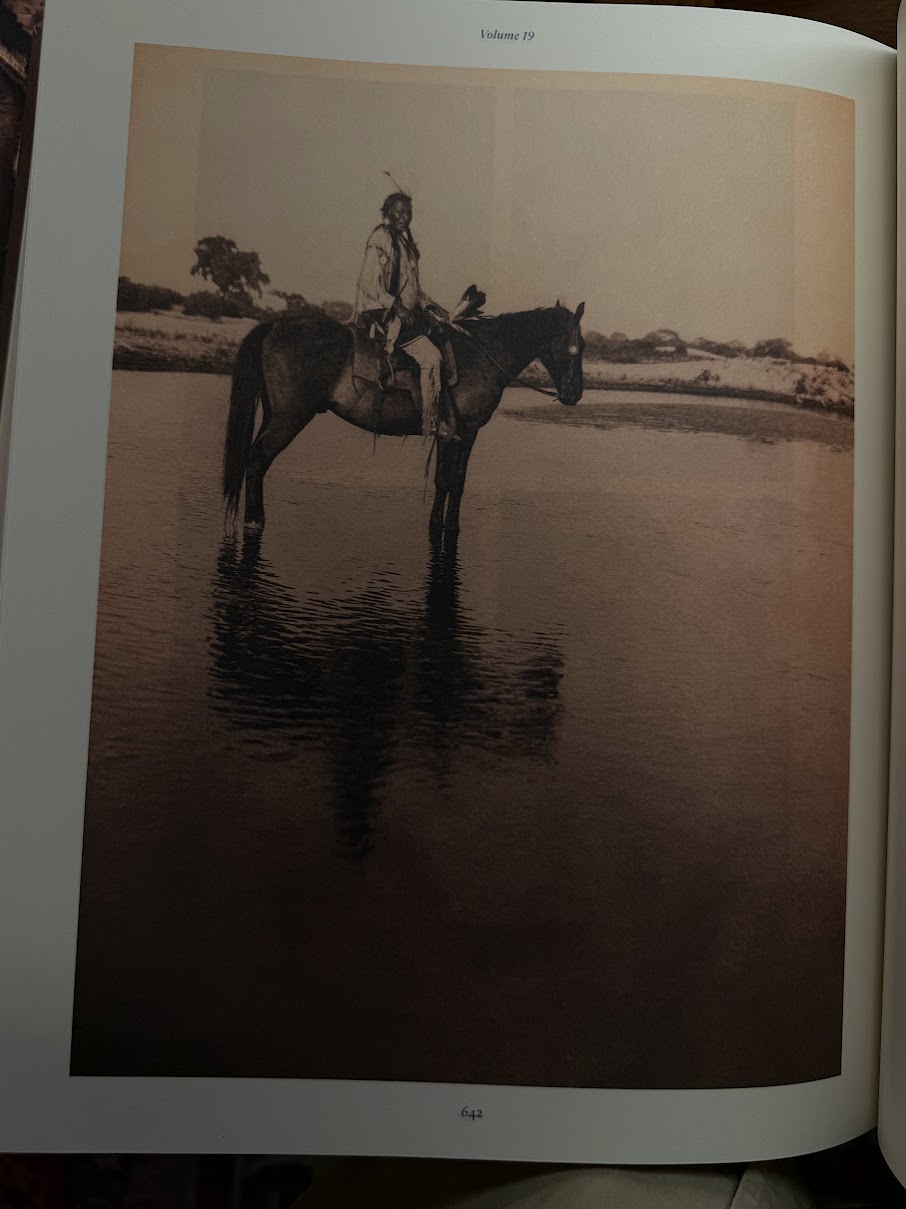
Look closely at the mirrored reflection of the horse standing motionless in the shallows. The water is as smooth as glass; the rider sits perfectly poised under an infinite sky. This iconic portrait, titled The Lone Chief – Cheyenne, has captivated art enthusiasts for nearly a century. Captured in 1927, this evocative image belongs to Volume 19 of The North American Indian—a monumental 20-volume historical masterwork by legendary photographer and ethnologist Edward S. Curtis. But beneath the stillness of this masterpiece lies a grueling tale of survival, heavy gear, and raw artistic grit.
“He didn’t just document history—he fought the wilderness to preserve it.”
The 100-Pound Mobile Studio
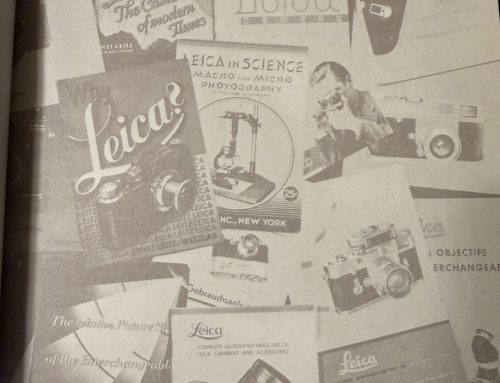
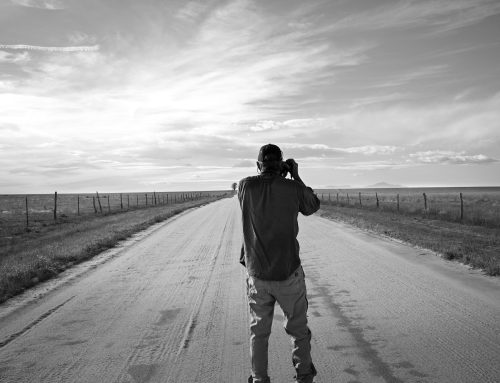
Today, we capture our lives with sleek smartphones that weigh mere ounces, or possibly a Leica for a shot like this, or a workhorse D5 DLSR or mirrorless like the Sony. For Curtis, a single shot required an exhausting expedition. His primary weapon of choice was a 6½-by-8½-inch Reversible-Back Premo view camera—a heavy, wooden accordion-bellows box mounted on a massive tripod. There were no electronic sensors, no automated light meters, and no instant digital previews. Curtis relied entirely on his sharp instinct and years of experience to calculate his exposures. Instead of convenient roll film, he trekked into the rugged wilderness carrying fragile, heavy crates of glass plate dry negatives. Developing them was an ordeal in itself, forcing Curtis to pitch pitch-black tents in the middle of field camps to chemically process his shots by hand.
Painted by Time
The magical, dreamlike quality of The Lone Chief isn’t just an artistic choice—it is a byproduct of the era’s technology. The slow-speed glass plates carried a modern equivalent of just ISO 14. To prevent the final image from blurring, the rider and his mount had to stand completely frozen for several seconds. It is this forced stillness that gave the water its flawlessly glassy, mirrored surface, forever freezing a quiet moment in time.
Edward S. Curtis’s dedication didn’t just preserve the image of a Cheyenne chief; it captured the very soul of the changing American West, one heavy glass plate at a time.