I have been spending sometime in Bozeman, Montana the last several years and was surprised to find so many galleries and museums exhibiting Russell Chathams works. I guess it was not all that surprising, he was a prolific artist, but his work is in the Museum of the Rockies and Bozeman Art Museum, as well as a couple of galleries along Main Street. I first met Chatham at a showing called “Russell Chatham in Person,” new oils and lithographs by Chatham in Cherry Creek North in Denver in 2005. A fly fishing group that I belonged to at the time was advertising the showing. Seeing all of his work in one small gallery, kind of gave you an eerie dream like feeling, especially with the dramatic lighting which allowed otherwise subdued paintings to have portions of the scene glow in pinks and yellows as the light hit the canvas.
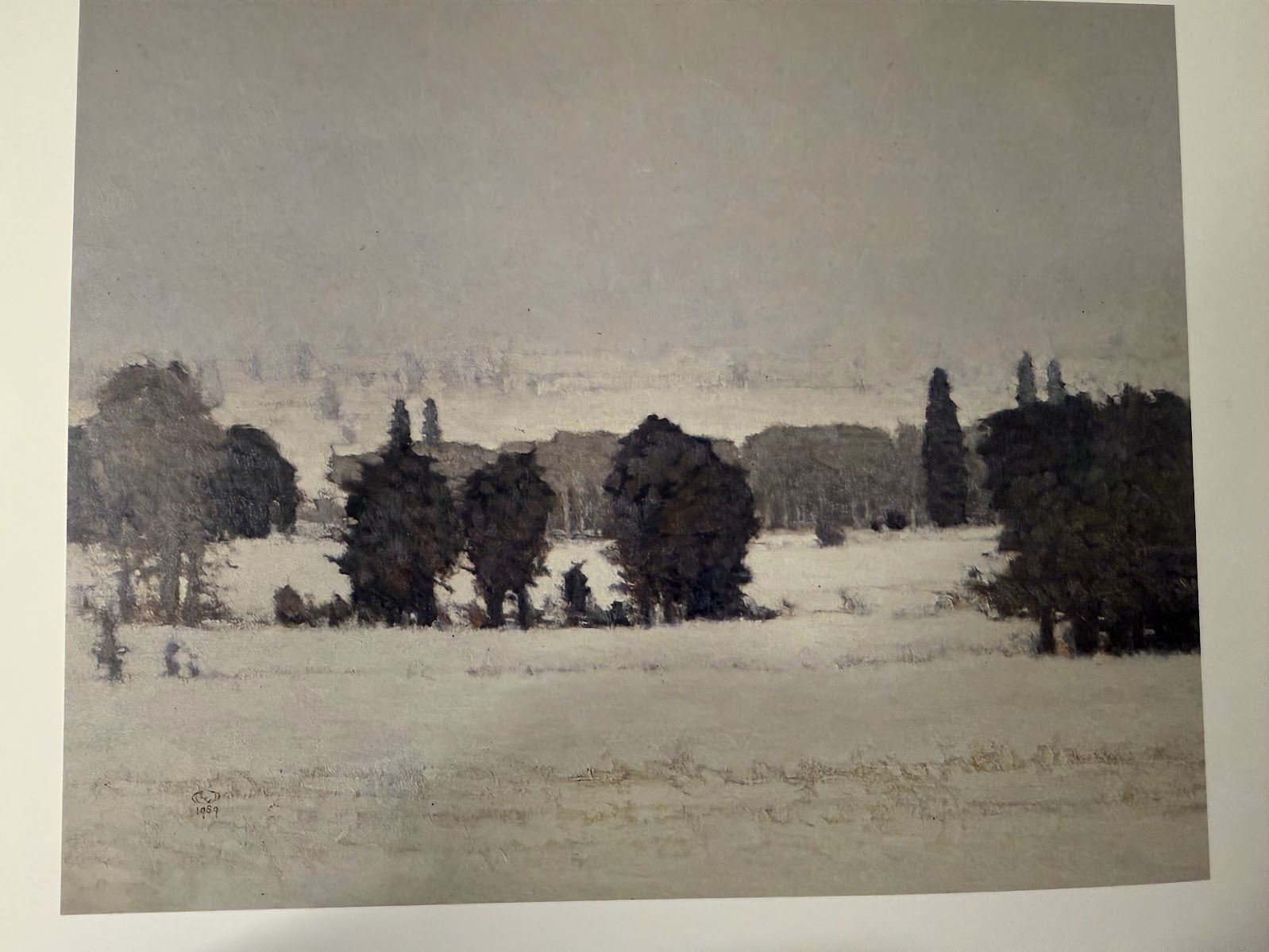
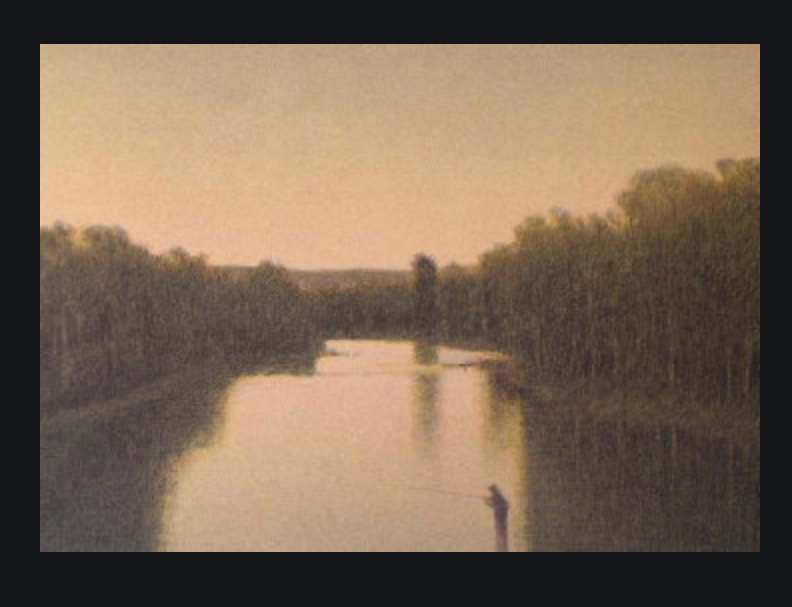 My favorite Chatham painting
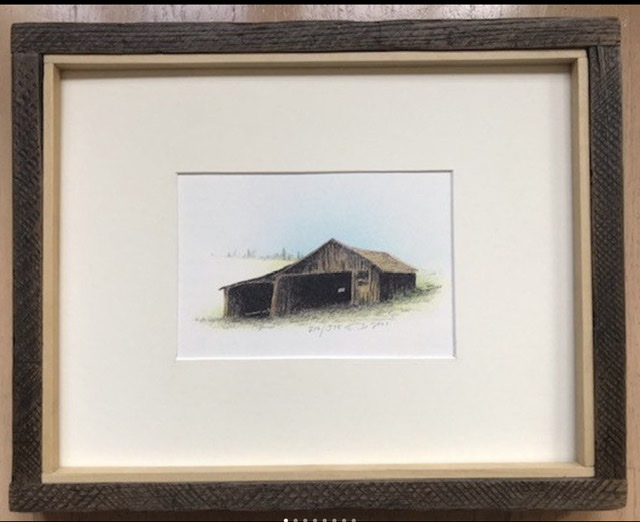 But he was also known for his lithographs, this one being my favorite
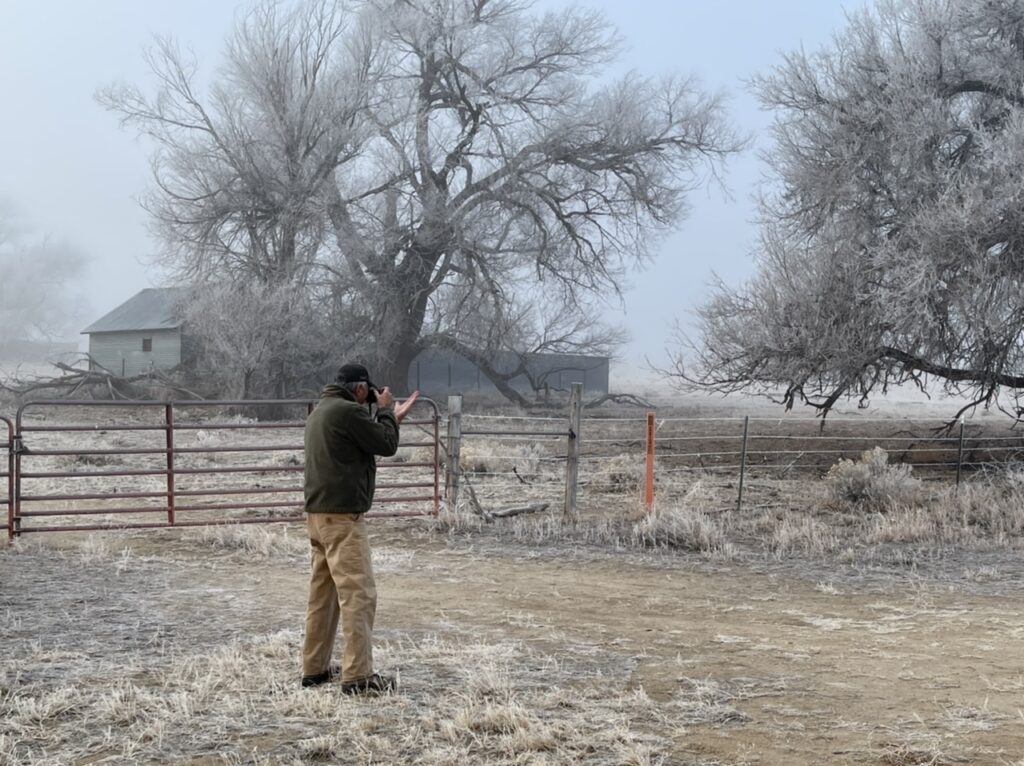 Stephen Collector, a good friend of Chatham’s before he passed, loves photographing in the fog, which was also coincidentally prevalent in a lot of Chatham images
Russell Chatham and the Art of the Sporting Life
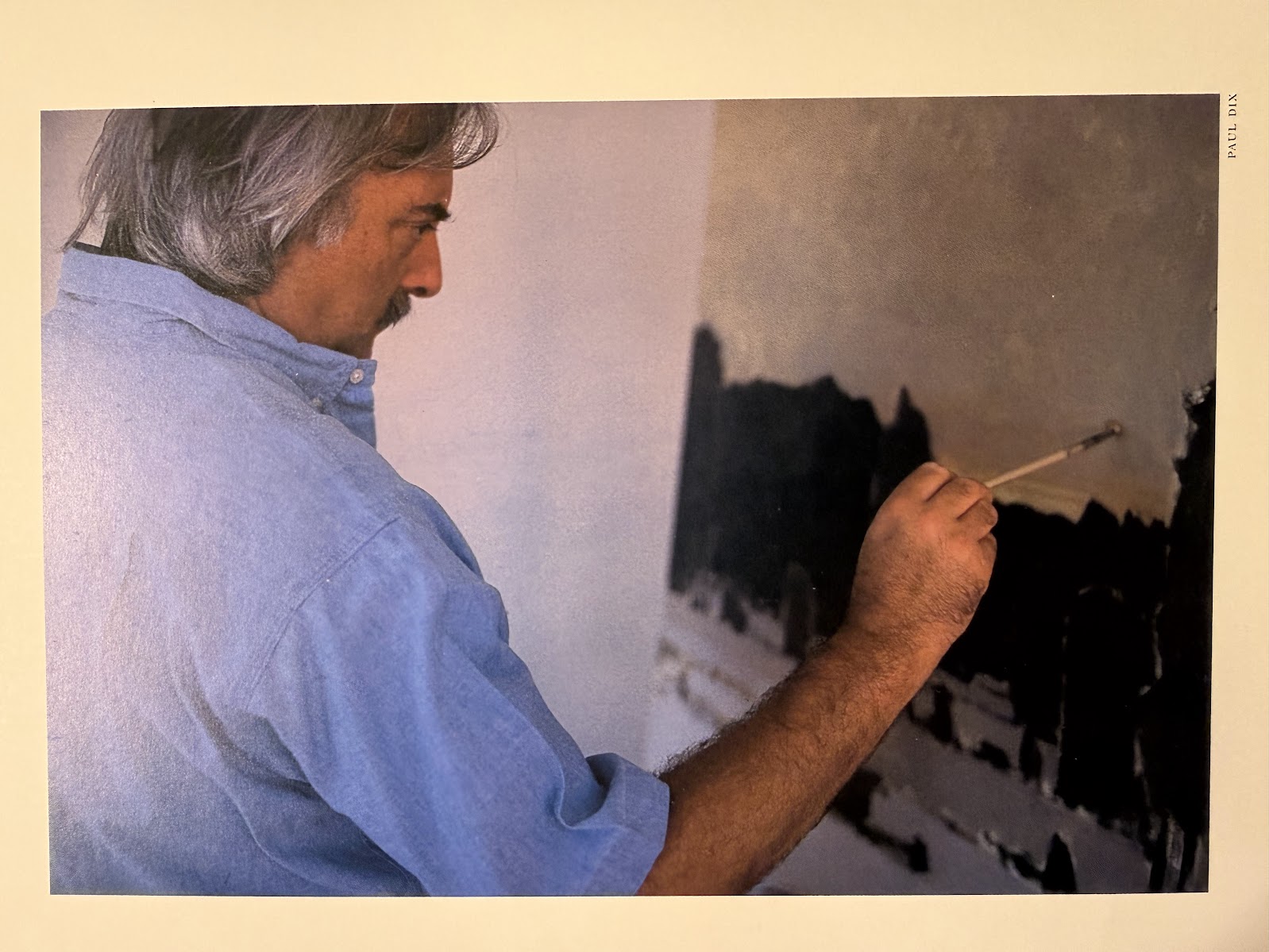
Russell Chatham lived the sort of life that is difficult to separate into neat categories. He was a painter, a printmaker, a writer, a hunter and a fisherman, but none of those descriptions quite explains him. The real subject of Chatham’s life was the sporting life itself—the way hunting, fishing, food, friendship, travel and art can become less a collection of hobbies than a way of seeing the world.
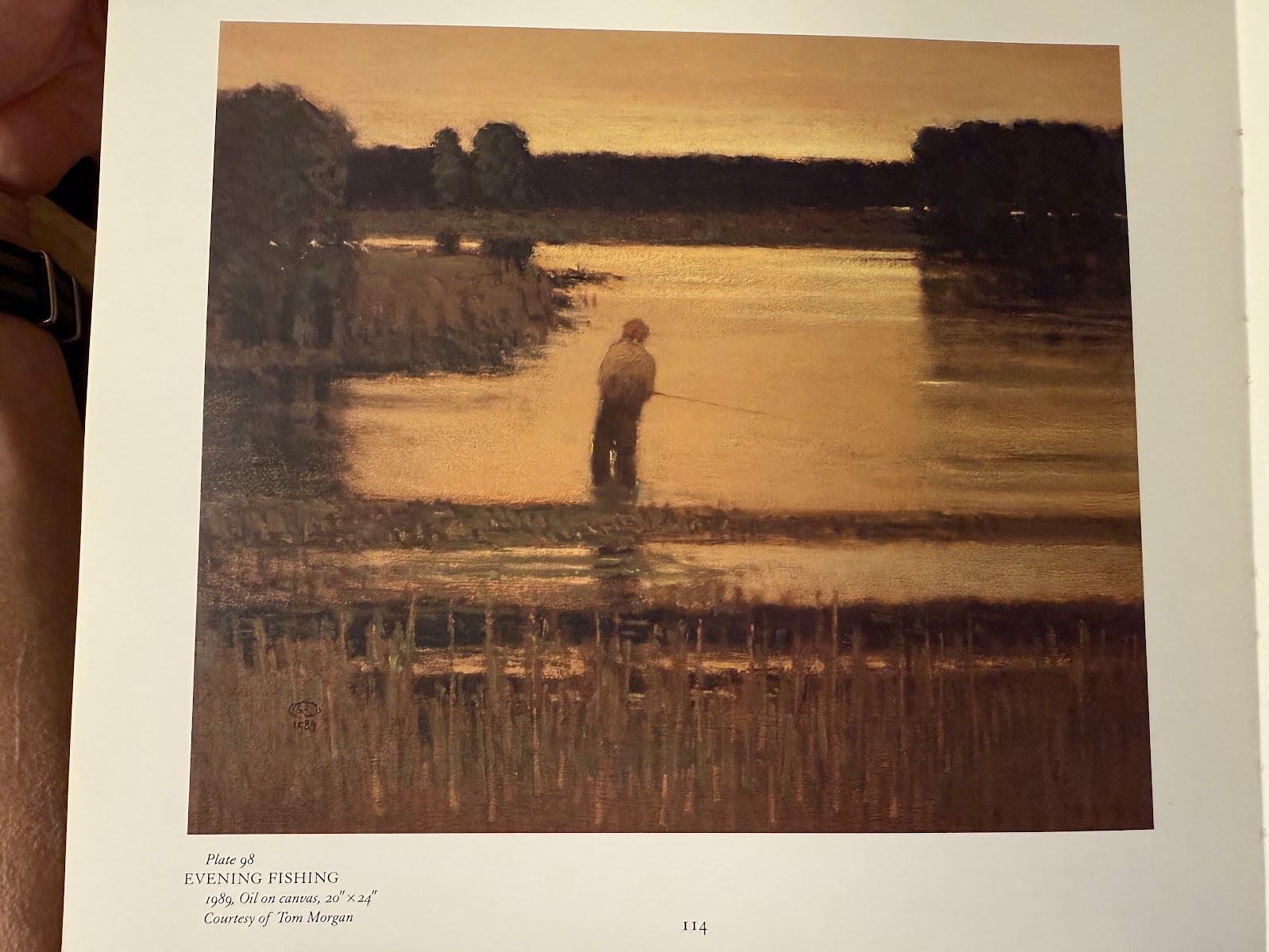
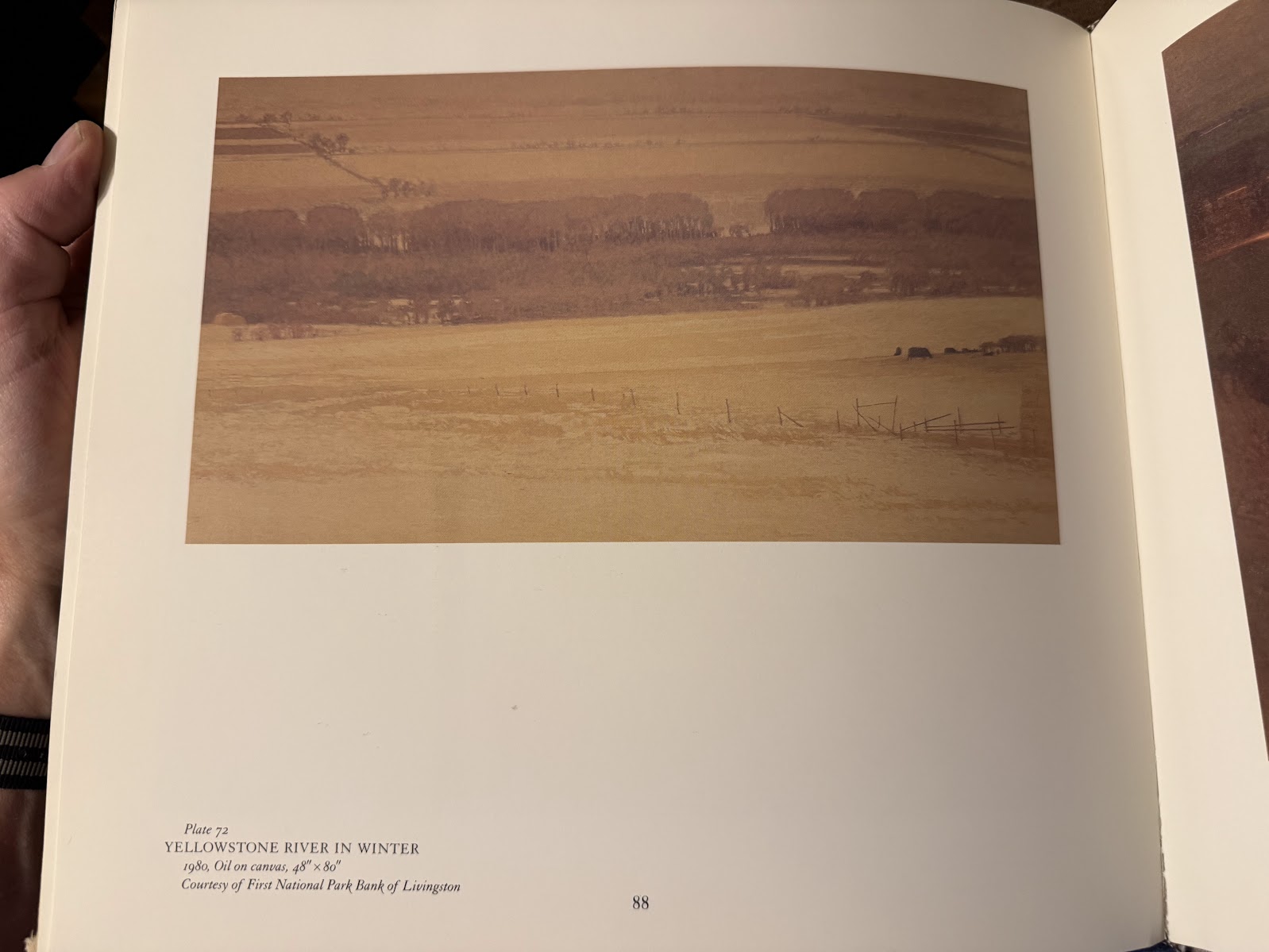
For much of his career, Chatham lived in Livingston, Montana, where the landscape became both his subject and his setting. Essentially self-taught, he painted western landscapes without much interest in the grand narrative that often accompanied Western art. His landscapes were quieter. They seemed to exist on intimate terms with the people who moved through them, even when no human figure appeared in the painting.
Chatham eventually became one of the world’s foremost practitioners of artistic lithography. His prints were anything but ordinary reproductions. Some contained thirty or forty layers of color, each one drawn by hand onto the printing plate. The early proofs could be startlingly vivid, almost impossible to reconcile with the restrained colors and quiet atmosphere of the finished work. Chatham preferred the challenge of lithography to painting, even though his oils eventually sold for tens of thousands of dollars and commissions carried waiting lists.
But perhaps the best way to understand Chatham is through the company he kept.
His closest circle included writers Jim Harrison and Tom McGuane, and together they formed something resembling a modern sporting tribe. They hunted birds, fished for tarpon, ate and drank seriously, traveled, argued and lived with an intensity that seems increasingly foreign to contemporary life. Chatham was said to have “ruined his life with sport,” disappearing at all hours with a gun or a fly rod. It was not really a criticism. It was an acknowledgment of priorities.
Chatham also wrote about that world. His Dark Waters stories revolved around hunting, fly fishing, food, wine, friendship and the changes that come with age. They could be vulgar and excessive, but they were also literary and deeply rooted in the pleasures and absurdities of a life lived outdoors. One story centered on an annual gathering devoted to little more than roasting a duck and carrying excess to its logical conclusion. He also wrote several books about fly fishing.
There is an obvious comparison to Ernest Hemingway, although Chatham never knew him. The connection was less about imitation than temperament. Both understood that sport could be a form of education, and that the best parts of life often happened somewhere beyond the edge of ordinary routine. Hemingway’s fishing, hunting, drinking, traveling and writing were inseparable from his identity as a man. Chatham seemed to understand the same equation.
But Chatham’s sporting life also belonged to another American tradition represented by Jack O’Connor. Hemingway was the literary sportsman, moving between Africa, Wyoming, Idaho, Cuba and other places where hunting and fishing became part of the larger story he was trying to tell. O’Connor was more obsessive and specific: the mountain hunter and gun writer whose life revolved around sheep, rifles and increasingly difficult country.
O’Connor’s world stretched from the deserts of Arizona and Mexico to the mountains of British Columbia, the Yukon and Alberta, and eventually to places as distant as India, Iran, Africa and the Alps. His quarry changed with the country—Coues deer, mule deer, elk, desert bighorn, Dall sheep, Stone sheep, urial, Marco Polo sheep, ibex and chamois—but the essential attraction remained the same: difficult country, physical effort and the pursuit of something that could not simply be purchased or ordered.
That may be the real connection between these men. It wasn’t simply hunting. It was the belief that a life should contain things that demand your full attention.
Chatham expressed that idea through landscape and friendship. Hemingway expressed it through literature. O’Connor expressed it through rifles, mountains and the precise language of the hunt. Their worlds were different, but all three understood that experience becomes richer when you participate in it completely.
That is what makes Chatham particularly interesting today. His life suggests that the sporting life isn’t necessarily about accumulating destinations, trophies or equipment. It is about becoming deeply involved in a handful of things that are worth doing well.
A fly rod in your hand. A bird dog working ahead. A shotgun carried across a cold field. A horse beneath you. A bottle of wine opened after the hunt. A meal prepared from something you brought home yourself. Friends around a table, telling stories that become better each time they are told.
And somewhere in the background, a landscape.
For Chatham, that landscape became art. For Hemingway, it became literature. For O’Connor, it became the mountain itself. For the rest of us, perhaps, it can simply become a reason to go outside.
The point isn’t to recreate their lives. It is to remember what they understood: that there is a particular richness in having things you care enough about to pursue badly at first, obsessively for a while, and perhaps beautifully if you stay with them long enough.
That is the sporting life—not a list of activities, but a way of paying attention.
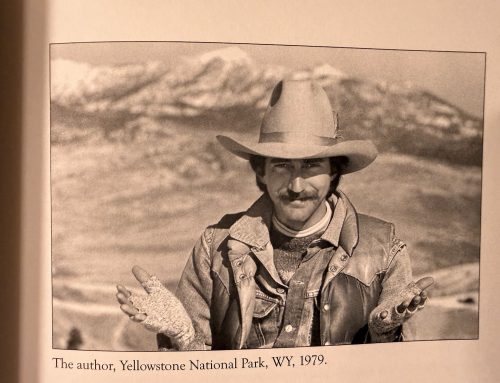
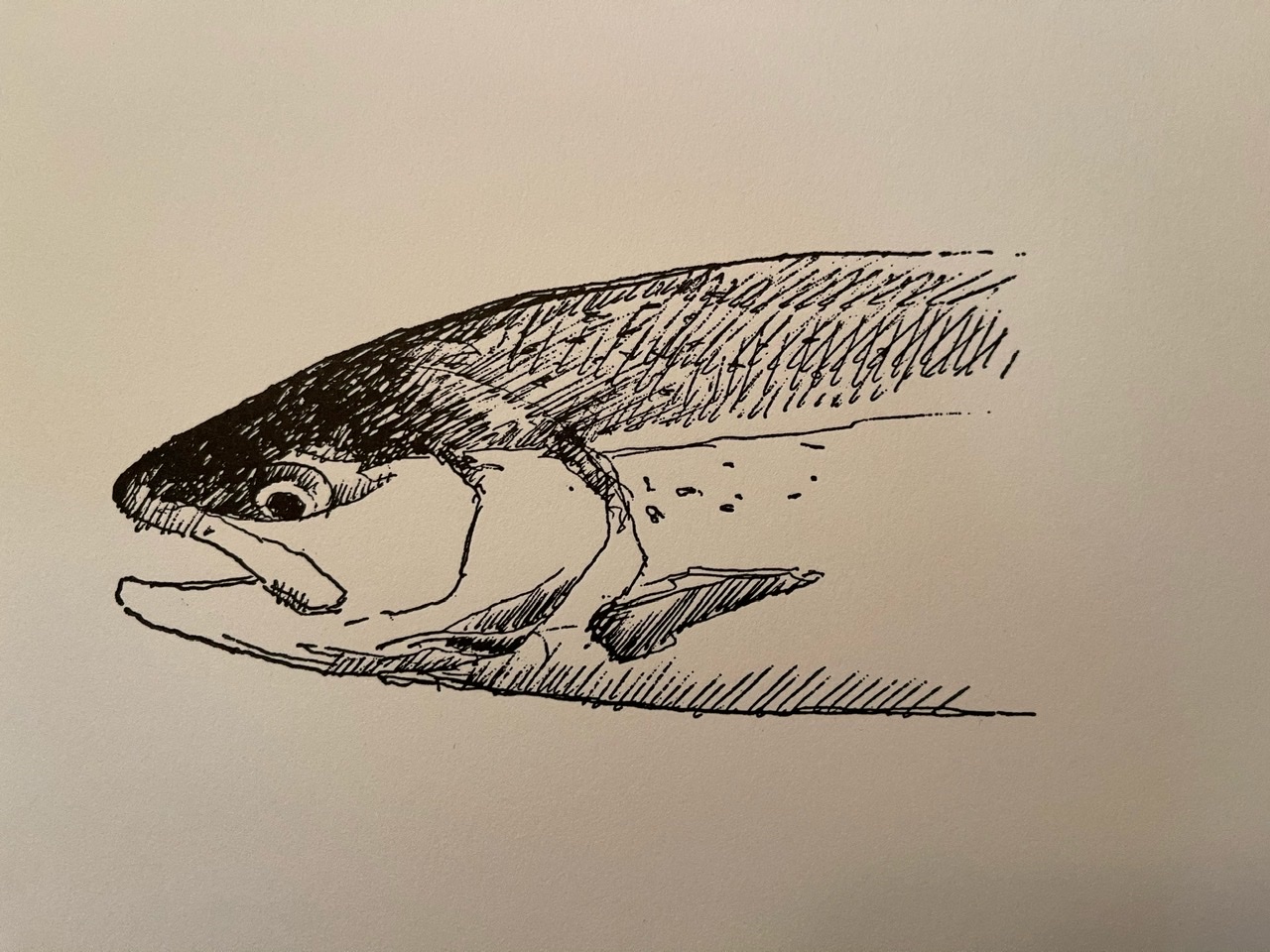
For more, see the many books published about Chatham’s work. Here are a few of our favorite pages: