
Reflections on COVID, Culture, and Technology
A Different Kind of Thanksgiving
Be thankful that a new day has arrived. No matter how difficult things may seem, the sun will rise again tomorrow.
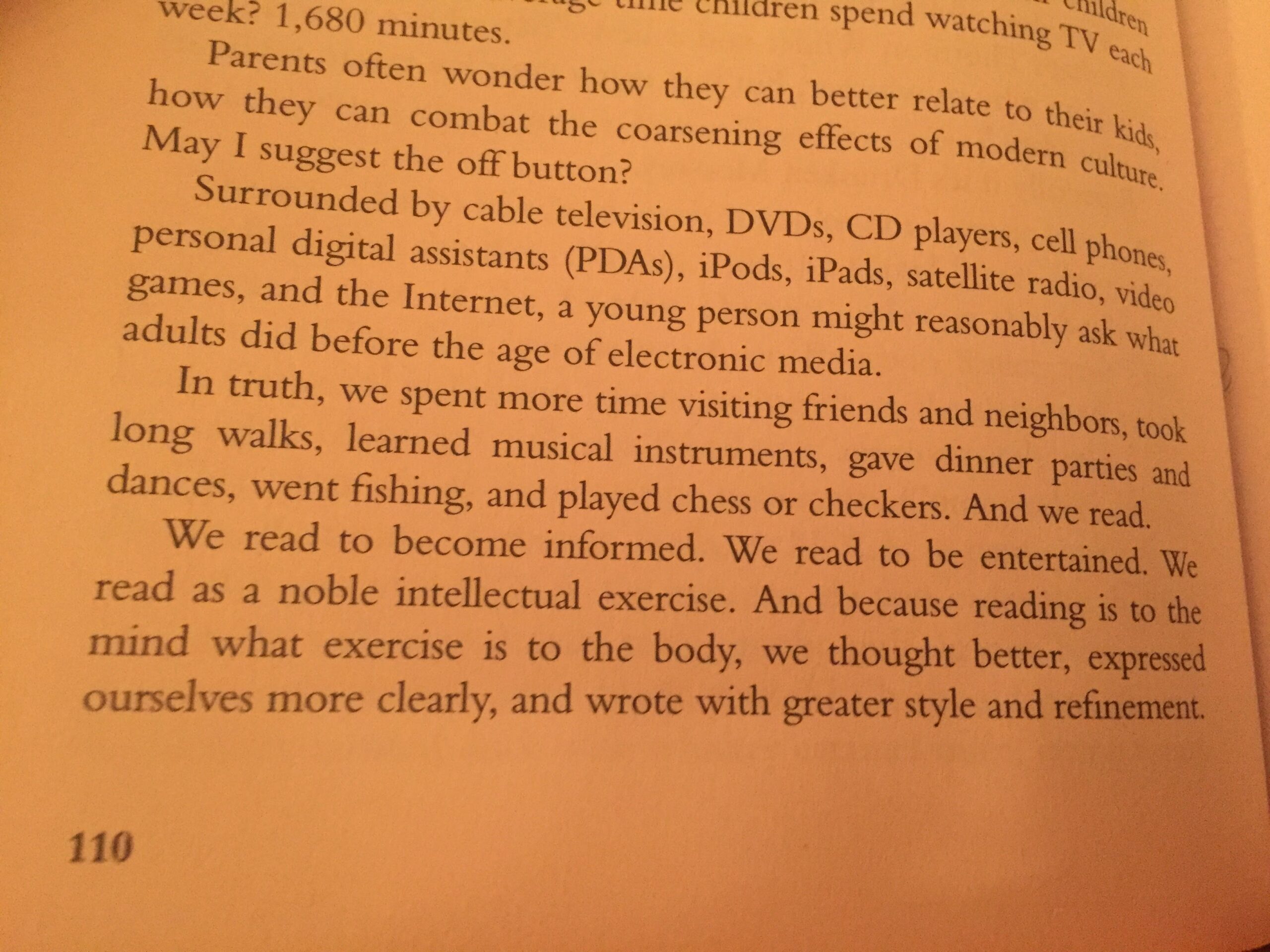
During the COVID shutdowns, many stores closed on Thanksgiving so people wouldn’t gather in large crowds. In some ways, that encouraged a return to simpler traditions. Instead of spending the entire holiday shopping or glued to devices, families spent more time hunting, reading books, playing games, cooking meals together, and reconnecting at home.
Returning to the Outdoors
Local parks saw record numbers of visitors, and more people began spending time outdoors. Even kids developed a renewed interest in hunting, fishing, and other outdoor activities. People also started cooking at home far more often, while restaurant visits declined and grocery bills increased.
These shifts reminded many people of a slower and more grounded way of living that had been fading for years.
The Downside of Constant Screens
At the same time, many people became consumed by nonstop news cycles, social media, and fear-driven conversations surrounding the virus and politics. Endless time spent staring at screens and worrying about government failures created another cultural problem of its own.
According to Verizon, U.S. video game usage during peak hours surged after quarantines began, and television viewing also increased dramatically. While some positive lifestyle changes emerged during shutdowns, excessive media consumption and digital dependence became major downsides.
Cancel Culture and Political Division
Over the last several years, the idea of “cancel culture” has expanded dramatically. Public figures, celebrities, and even political leaders can now lose platforms, careers, or public support almost overnight because of controversial opinions or statements.
Social media companies such as Twitter and Facebook demonstrated enormous influence over public discourse, even restricting the speech of major political figures. News organizations are frequently accused of presenting one-sided narratives while dismissing viewpoints they oppose.
To many people, this represents the height of political correctness and a cultural shift that has been building for decades.
Growth Through Adversity
Despite the challenges, the COVID era also pushed society back toward reflection and simplicity in certain ways. Those who used the time for personal growth, learning, and self-improvement often experienced meaningful transformations.
At the same time, there were undeniable losses: weakened friendships, reduced travel, fewer adventures, and the disappearance of many casual social interactions that once brought people together.
Artificial Intelligence and the Future of Thinking
Now, many believe artificial intelligence may become the next major threat to critical thinking and independent learning.
In graduate school, calculators like the HP 17bII+ could perform advanced financial calculations, but students still needed to understand the formulas, variables, and reasoning behind the inputs. AI changes that dynamic completely. Today, people can generate answers without understanding the underlying concepts at all.
As a result, some worry society is gradually losing the ability to read deeply, write clearly, and solve complex problems independently.
The Value of Understanding
For instance, the HP 17bII+ calculator that I used in MBA school was a powerful educational and professional tool used in finance, accounting, and real estate. It could perform advanced calculations involving:
- Mortgages and amortization schedules
- Net Present Value (NPV) and Internal Rate of Return (IRR)
- Bond pricing and yield calculations
- Depreciation methods
- Statistical forecasting and business analysis
Yet despite its capabilities, users still needed to think critically and understand the information they entered. Technology assisted human intelligence rather than replacing it.
Public Trust, Medicine, and Debate
There have also been ongoing debates surrounding treatments and prevention methods for COVID and other illnesses, including discussions about NAD therapies, zinc supplementation, ivermectin, and other approaches.
The broader conversation reflects how deeply the pandemic changed public trust in institutions, medicine, media, and technology.
Final Thoughts
Every generation faces its own challenges. The question is whether society will use technology to strengthen human intelligence and connection — or allow it to replace them.
Even through uncertainty, there are reminders that people still crave meaning, family, nature, independence, and genuine human connection. Sometimes difficult periods force society to rediscover what matters most.