
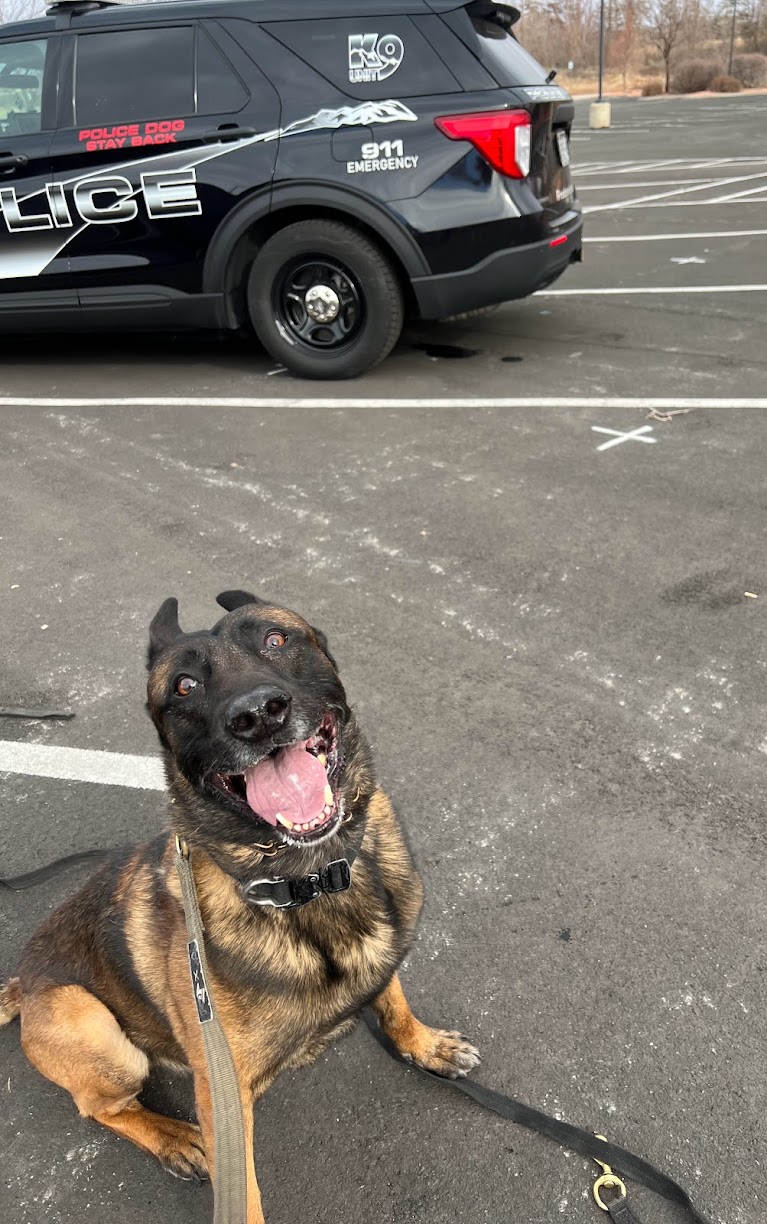
Working Dogs
Working Dogs-ADA Service Dogs-Police Dogs-ESA Whether it's a Belgian Malinois or a Doberman, bite dogs, search dogs, and all working dogs end up with some of the same training. The main difference is that service dogs are trained to perform specific tasks for a person with a disability, while emotional support dogs (ESAs) provide comfort through their presence. This distinction leads to different legal rights: service dogs have public access rights under the Americans with Disabilities Act (ADA) and can accompany their handlers to most public places, while ESAs are primarily covered under the Fair Housing Act (FHA), allowing for reasonable accommodation in housing, but not public access.Service dogsTraining: Must be trained to perform specific tasks directly related to their handler's disability, which can be physical, psychiatric, sensory, or intellectual.Examples of tasks: A guide dog leads a blind person, a psychiatric service dog performs deep pressure therapy during a panic attack, or a mobility dog retrieves dropped items.Legal rights:Public Access: Have full access rights to public places like restaurants, stores, and businesses under the ADA.Air Travel: Are permitted to fly in the cabin with their handler under the Air Carrier Access Act, though airlines may require forms.Note: The ADA does not require professional training. A person with a disability can train their own service dog.Emotional support dogsTraining: Do not need to be trained to perform specific tasks. Their primary role is to provide emotional comfort.Examples of tasks: There are no specific tasks. The animal provides comfort through its presence, which can help with symptoms of anxiety, depression, and other mental health conditions.Legal rights:Public Access: Do not have public access rights. They are not permitted in most public places that don't have a general "pet-friendly" policy.Air