Lance Egan’s Team USA Competitive Angling Flies
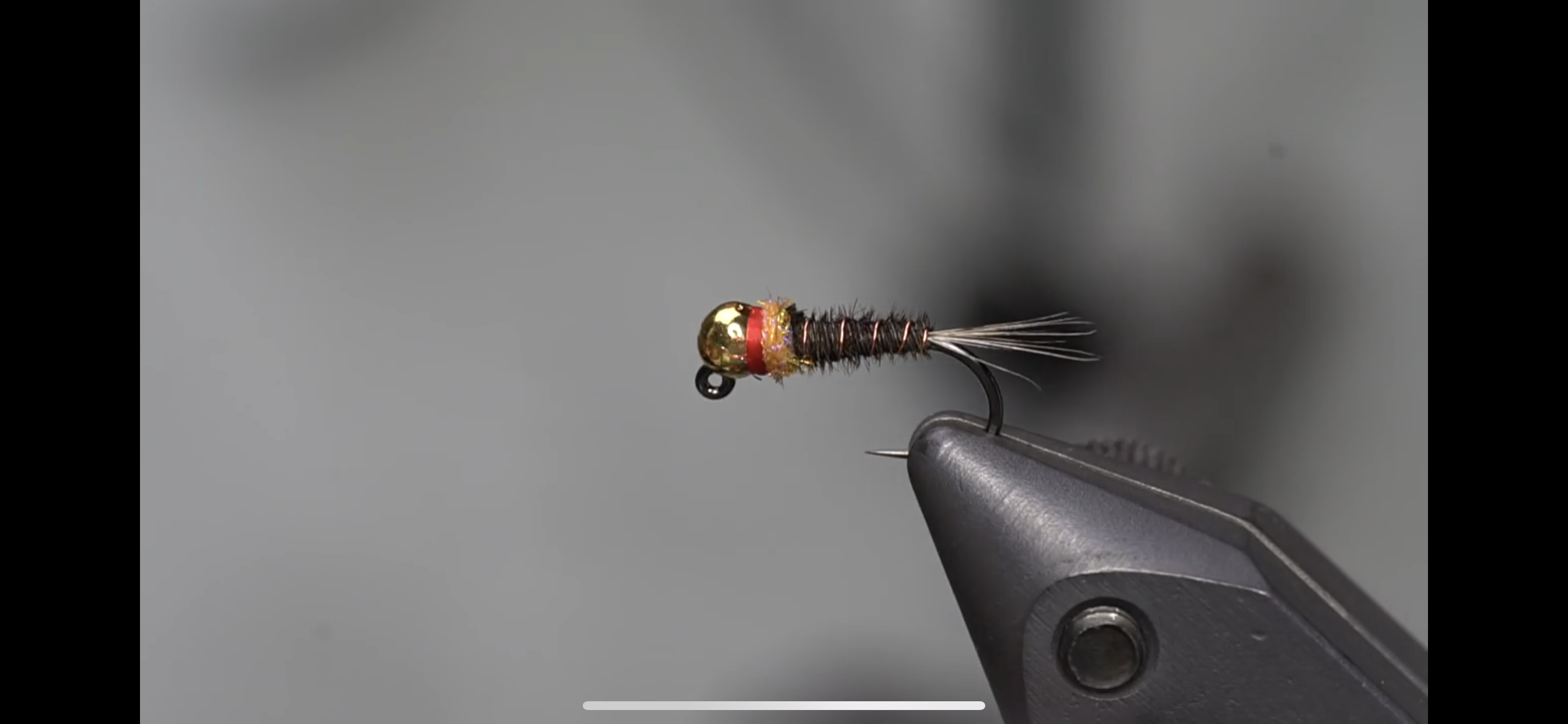
Euro nymphing is all the rage among marketing and fly shops these days as they tought their wares of "tactical angling" and "competitive angling." This is nothing really new compared to the methods that Rim Chung has employed for the last 30 years with his light-line nymphing methods here in Colorado, but the European methods seem to have evolved along similar paths. Fly shops have jumped on board, in an effort to sell more rods and a whole new line of leaders and flies, in an industry that has been largely stagnant for the last ten years. I have to admit that the premier guru of this euronymphing method is Lance Egan who has now produced probably the two best fly fishing videos/movies that have ever been produced to date, and the links to these movies are below. So being curious about his flies, I decided to order a few of his flies from his www.flyfishfood.com site. The ones we have found most useful in Colorado and Montana, we have posted tying directions here. Gut Sack Sow Bug Gray - 18 Stonefly Chenille - Coffee/Black Egan's Rainbow Warrior - Red - 18 Egan's Rainbow Warrior - Pearl - 20 Egan's Tungsten Surveyor - 18 Egan's GTI Caddis - Amber - 14 Egan's Frenchie - 18 Egan's Jig Frenchie - 12 Egan's Jig Rainbow Warrior - 16 Transfoamer Pink - 10 Pat's Black and Tan Rubber Leg - 8 The Thread Frenchie, a take on the classic Frenchie a very well-known Euro style fly is a great way to get a super slim bodied Euro style fly. This fly has evolved thanks to Lance Egan of Fly Fish Food and for good reason. Not only is