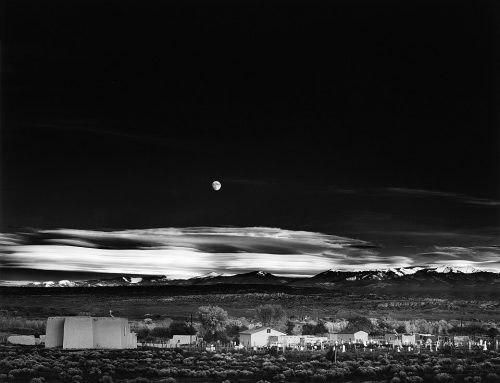
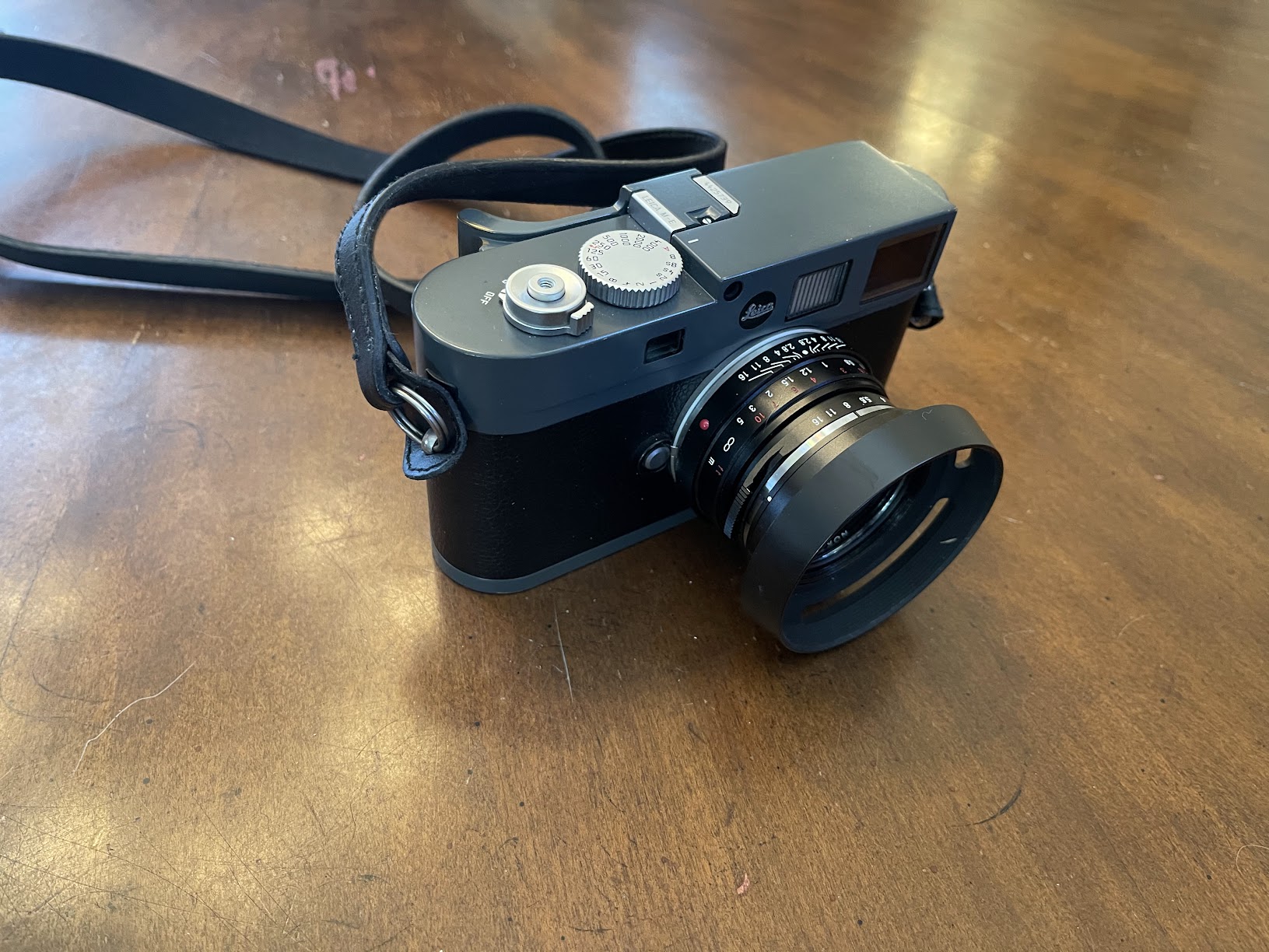
In photography, “friends don’t let friends shoot f/16” is a popular piece of advice warning against the optical phenomenon known as lens diffraction. While stopping your lens down to a narrow aperture like f/16 or f/22 creates a deep depth of field, it physically chokes the light passing through the butter, forcing waves to bend and interfere with each other. This results in a loss of overall image sharpness and fine detail, giving photos a subtly soft, muddy appearance.
Additionally, narrow apertures like f/16 bring sensor dust into sharp focus. Any tiny specks on your camera sensor that are invisible at wider apertures (like f/2.8 or f/4) will suddenly show up as distinct, dark spots across your bright skies and backgrounds.
Most lenses achieve their peak edge-to-edge sharpness when stopped down roughly 2 to 3 stops from their widest setting-typically between f/5.6 and f/11.
If you are a landscape photographer trying to get a close-up flower and a distant mountain both perfectly sharp, take multiple shots at f/8 while shifting your focus point. You can then merge them into one incredibly sharp file using editing software. The classic “Sunny 16 Rule” is a great mental tool for estimating exposures on a bright day without a light meter. However, it is meant as a baseline calculation rather than a command to lock your aperture at f/16. Experienced shooters will immediately shift the exposure math to shoot at an optically superior f/8 or f/11 instead.