
Many people are curious about our close father–daughter relationship. Some have even said it seems more like a sibling dynamic. That isn’t quite accurate, but it gives a sense of what it’s like when you help shape your child into a kind of shared reflection of yourself—close friends who genuinely enjoy each other’s company and the everyday activities we do together. That includes everything from field sports like polo to ordinary chores, including laundry.
Advice for my daughter doing laundry in college
Doing laundry in college can feel like a challenge at first, but it’s generally easier than it seems. Anyone can learn to do it well. The key is to read labels, sort carefully, and take your time.
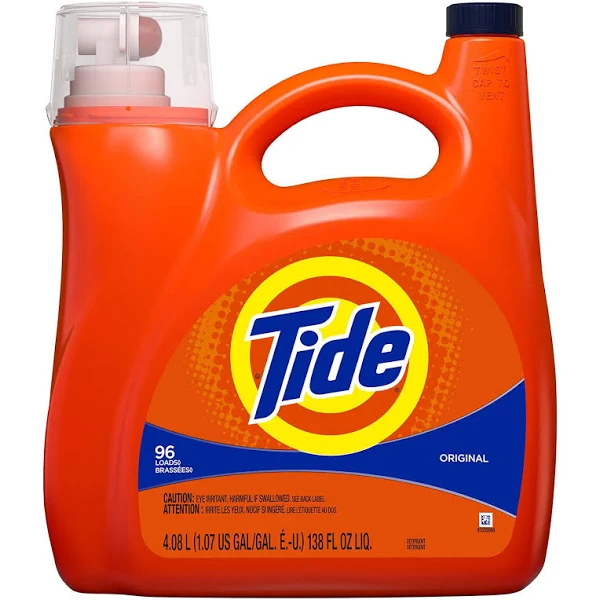
For detergents, I like Tide for whites along with about 1/4 cup of Clorox bleach. I use Free & Clear for everything else. For stains, OxiClean tends to work better than Spray & Wash for pre-treatment on grass and other marks.
Preparation
Preparing to wash clothes often takes more time than the washing itself, but it’s a simple process once you learn it.
Start by reading clothing labels, especially on anything valuable or delicate. Fancy dresses, button-down shirts, or specialty fabrics often need dry cleaning. Always check tags carefully (usually inside the neck, waist, or side seam) to avoid damage. Anything requiring a specific temperature or special care should be separated from the rest.
Next, sort new clothes separately. Freshly purchased items tend to bleed dye, whether they are dark colors like black and navy or bright colors like white and green. Wash new clothes on their own the first time to avoid staining other items.
Then separate by color:
-
Darks: blacks, blues, browns, denim
-
Lights: whites, creams, tans, pastels
You may also want a third pile for items like white polos or socks that need extra whitening treatment. For these, OxiClean works well for stains like grass or blood, along with about 1/4 cup of Clorox bleach in a hot-water cycle with Tide detergent.
Finally, sort by type. Most loads will be “normal,” separated mainly by color, but bedding, delicates, or heavily soiled items should be washed separately. Small or large loads may also require different machine settings.
Washing
Before starting, choose a good detergent. Many students use laundry pods for convenience, but liquid and powder detergents are just as effective and often more economical. A standard all-purpose detergent works well, though there are also fragrance-free, stain-fighting, and eco-friendly options.
Load the washer with one sorted pile at a time. Don’t overfill it—clothes need room to move freely to get clean. If there’s an agitator in the center, distribute clothes evenly around it. Delicates or small items can go in mesh laundry bags to prevent loss.
Add detergent according to the instructions on the bottle or box. Use the measuring lines in the cap if provided. Pods can simply be placed directly into the drum. If the machine has a detergent compartment, use that when appropriate.
Choose water temperature based on fabric and soil level:
-
Cold or cool water for delicates and most everyday loads
-
Warm water for regular clothes
-
Hot water for heavily soiled items
Always check clothing tags and stain remover instructions when in doubt.
Then start the machine. In dorms or apartments, you may need to pay before it will run.
Drying
Not everything belongs in the dryer, so check labels again before starting.
Remove items that must air dry, such as bras with underwires, silk or lace garments, swimsuits, and wool sweaters. These should be laid flat or hung to dry to avoid shrinking or damage.
Place the rest in the dryer. Dryer sheets or wool balls can help reduce static and improve freshness. Use either timed dry or sensor dry settings. Most loads take at least an hour, though it’s smart to check after about 45 minutes.
Tips
If a stain is serious, treat it before washing for best results. The longer a stain sits, the harder it is to remove.
Dryer sheets and fabric softener are optional—they don’t improve cleaning, but they can improve feel and scent.
Laundry rooms in college settings are often busiest in the evenings and on weekends. Going at off-peak times helps you get machines more easily and reduces the chance of forgotten or moved items.
Never leave laundry unattended in shared spaces for long periods, since items left behind can be moved or taken.
How to Keep White Breeches White (adapted from The Plaid Horse)
If you’re constantly dealing with stained white breeches, a few products tend to work best: Fels Naptha laundry bar, Out White Brite whitener, OxiClean, and Scotchgard Fabric Water Shield.
For prevention, spray clean, dry breeches with Scotchgard, hang to dry, and reapply about once a year. This helps repel stains and makes cleaning easier.
For cleaning, soak stained breeches overnight in Out White Brite or OxiClean. For tougher stains, extend soaking for several days if needed. Then gently scrub with Fels Naptha soap and wash as usual. Repeat the process if necessary.
______________________