Jade
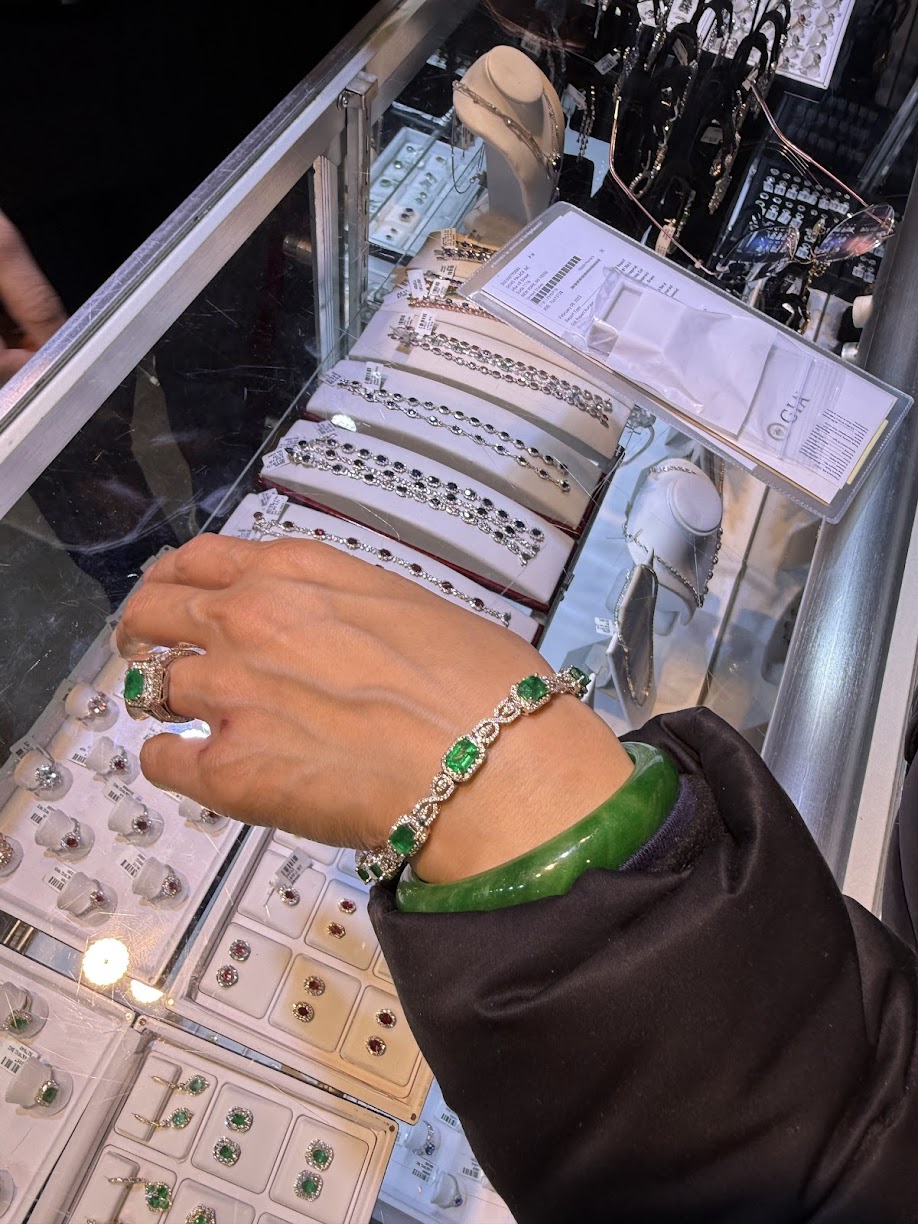
Sources in Hong Kong for jade jewelry: https://www.thejadejewellery.com/categories/bracelets?page=4&sort_by=&order_by=&limit=24 Introduction There are two minerals that are commonly called jade, nephrite and jadeite. The traditional Chinese jade, is nephrite. Just to make things even more confusing, in New Zealand, jade is called pounamu or greenstone. As one of the world's oldest decorative stones, jade has been prized for its beauty across the world. Properties Close up of a carved nephrite slab, from Marsden River, New Zealand. Bown Collection Source: Geoscience Australia The two jade minerals, nephrite and jadeite are both tough and have small granular crystals giving a fibrous appearance. They have quite different chemical compositions and structures. Nephrite is a type of amphibole mineral and jadeite is a type of pyroxene mineral. Nephrite can be white, yellow, green and brown to black, depending on the amount of iron and magnesium in the mineral. Jadeite can be green, pink, purple, brown and white. Nephrite jade is very tough, the toughest known natural mineral, three times tougher than ceramics and even tougher than steel. This explains why it was used in neolithic times for knife blades, axe heads and later for ornamental carvings. While it is not as hard as some other minerals like diamond, nephrite is made from an interwoven meshwork of fine fibres or needle-like crystals so is not brittle and does not break easily. Coarser crystals and alignment of minerals decreases the toughness of the mineral. Jadeite is the second toughest mineral known, but is not as tough as nephrite as its interlocking crystals are less fibrous. The interlocking crystals or fibrous structures of these two jade minerals mean they can be polished easily, so are ideal for carvings and jewellery. The Properties of Jade