Fishing

Home/Fishing

Are You Ready to Fish Just One Fly?

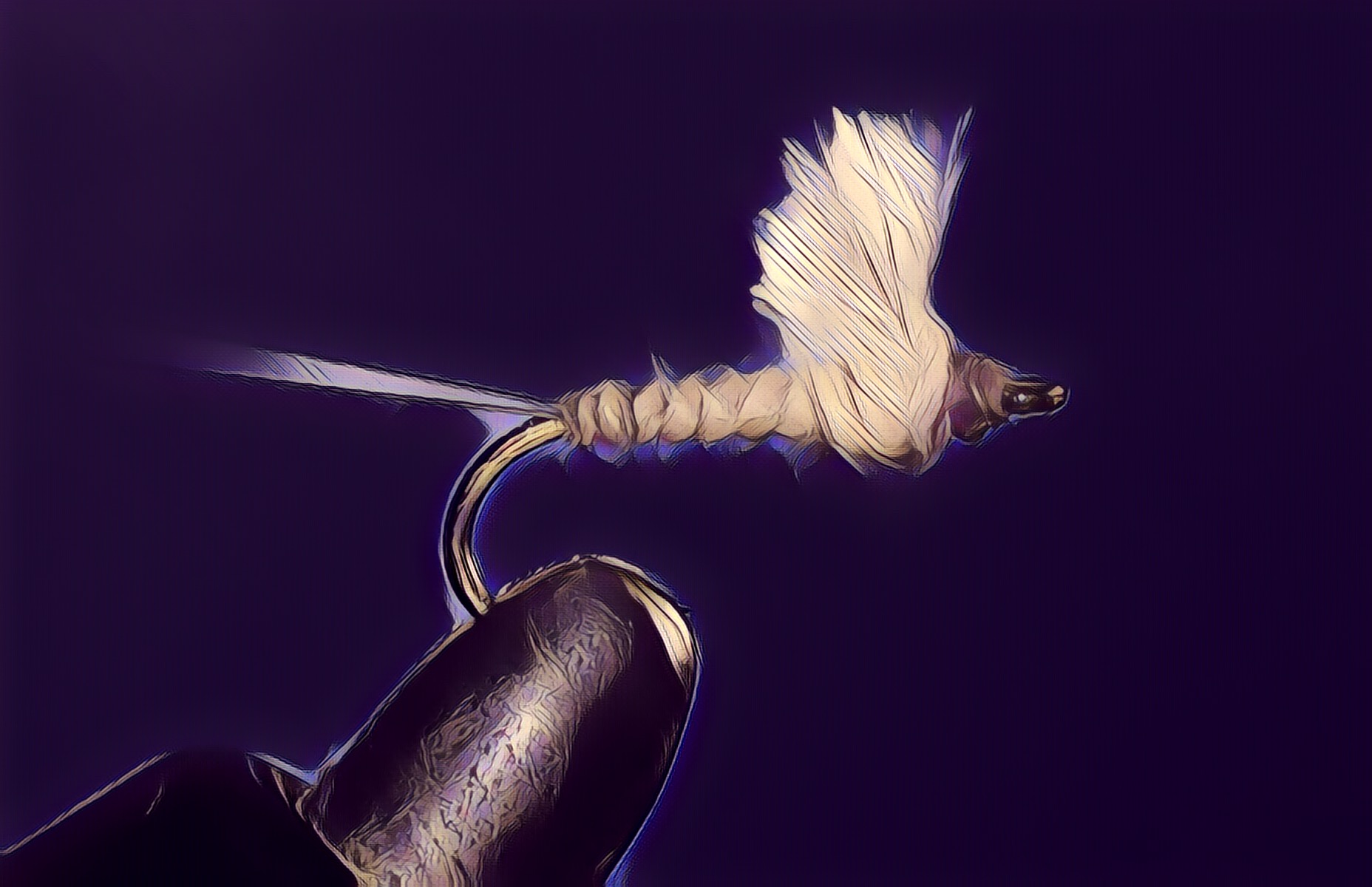
Fly-Fishing Secrets of the Ancients: A Celebration of Five Centuries of Lore and Wisdom by Paul Schullery is a great read. One of my favorite sections, talks about whether anglers are really needing thousands of match the hatch imitations, or perhaps even just one fly. he found many anglers, even editors of fishing magazines, often used only a handful of patterns. Are you ready to fish one fly, like Rim Chung has with his RS2 for the last 30 years, albiet in six sizes and six different colors? It makes your fly fishing much more Zen like, at least for me anyway. And, I would be the first to switch back to my thousands of patterns that I carried as a commercial fly tyer if I caught more fish with them, but Rim's method is the most productive of any that I have ever seen. Are you ready for one fly? It is difficult to argue with Herd's comments.  It makes sense that fly shops want to profit from selling as many flies as possible. In fact if they all worked like magnets, the average angler would be buying less flies, not more (so there is a lot of financial incentive for the industry to sell you flies you don't need). I saw this in the difference between American flies shops and those across the pond, which are spartan in comparison. It's not that our English and European brotheran catch less, they just buy less, as marketing and consumerism isn't as big of part of their daily lives, especially among anglers. But it's also true from experience that fishing the same fly over the same group of fish will eventually get old with those fish
By |April 10th, 2019|Categories: Fishing, Fly Tying, Rim Chung|Comments Off on Are You Ready to Fish Just One Fly?

Andy’s YKnot Fly-My Daughter’s Favorite

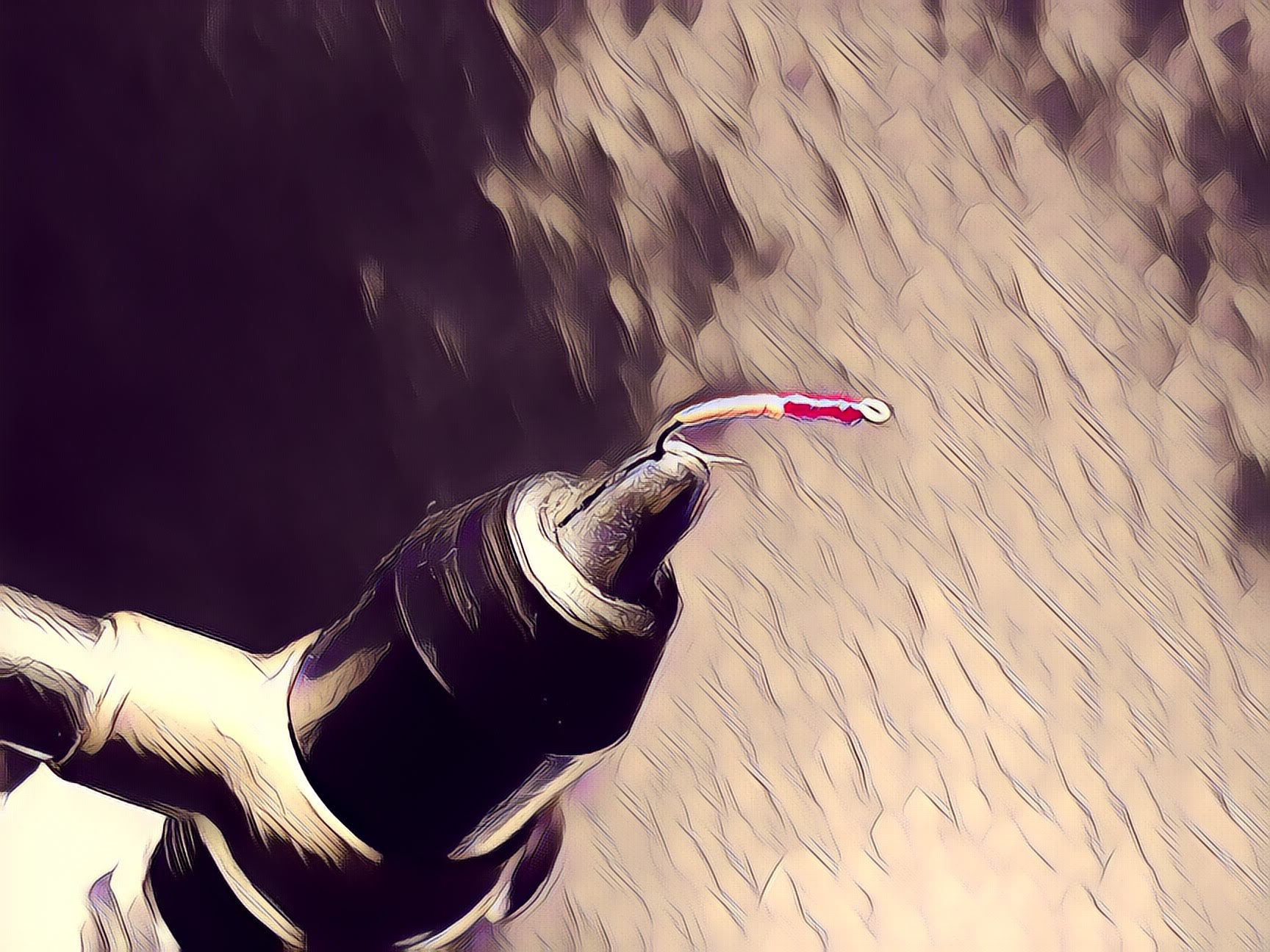
Photo Courtesy of Andy Kim This chronomid only hatches during the spring and fall, according to legendary guide and fish magnet, Andy Kim. But it doesn't have to be the prevalent insect in the water for trout to take your fly resembling it, as "sometimes big fish look for big meals," says Andy. The fly is killing it on our local waters and has become my daughter's favorite fly, not only to tie but to fish. You can buy the fibers from Andy to tie yourself, or better yet, just buy the flies from Andy at http://www.fly-fish.com/ because for only $3 each, you can't go wrong. And, take a lesson while you at it with Andy, because there is lot more to his success than simply copying his fly recipes. His method and skills are worth the costs of going back to him again and again, as you always pick up a little more each time, even for this seasoned angler. Tiemco 200R, size 18 and 20. Use red 8/0 thread and make about 4-5 wraps at the eye of the hook, after twisting bobbin counterclockwise about 20 times to make it lie flat on the hook. Tie in a Blondie AK Fiber on the near side of the hook and wrap to the bend. Wrap thread forward in ribs, spacing one wrap for every two thread wraps on the way back, so as to not make the fly body too thick. Stop at halfway point of fly and half hitch the thread. Wrap Blondie AK Fiber forward to halfway point and tie off with 2-3 wraps and cut off fiber. Twist red thread clockwise to make it a little thicker rope and wrap forward

By |April 9th, 2019|Categories: Fishing, Fly Tying|Comments Off on Andy’s YKnot Fly-My Daughter’s Favorite

The Hooker and Royal Hooker Flies

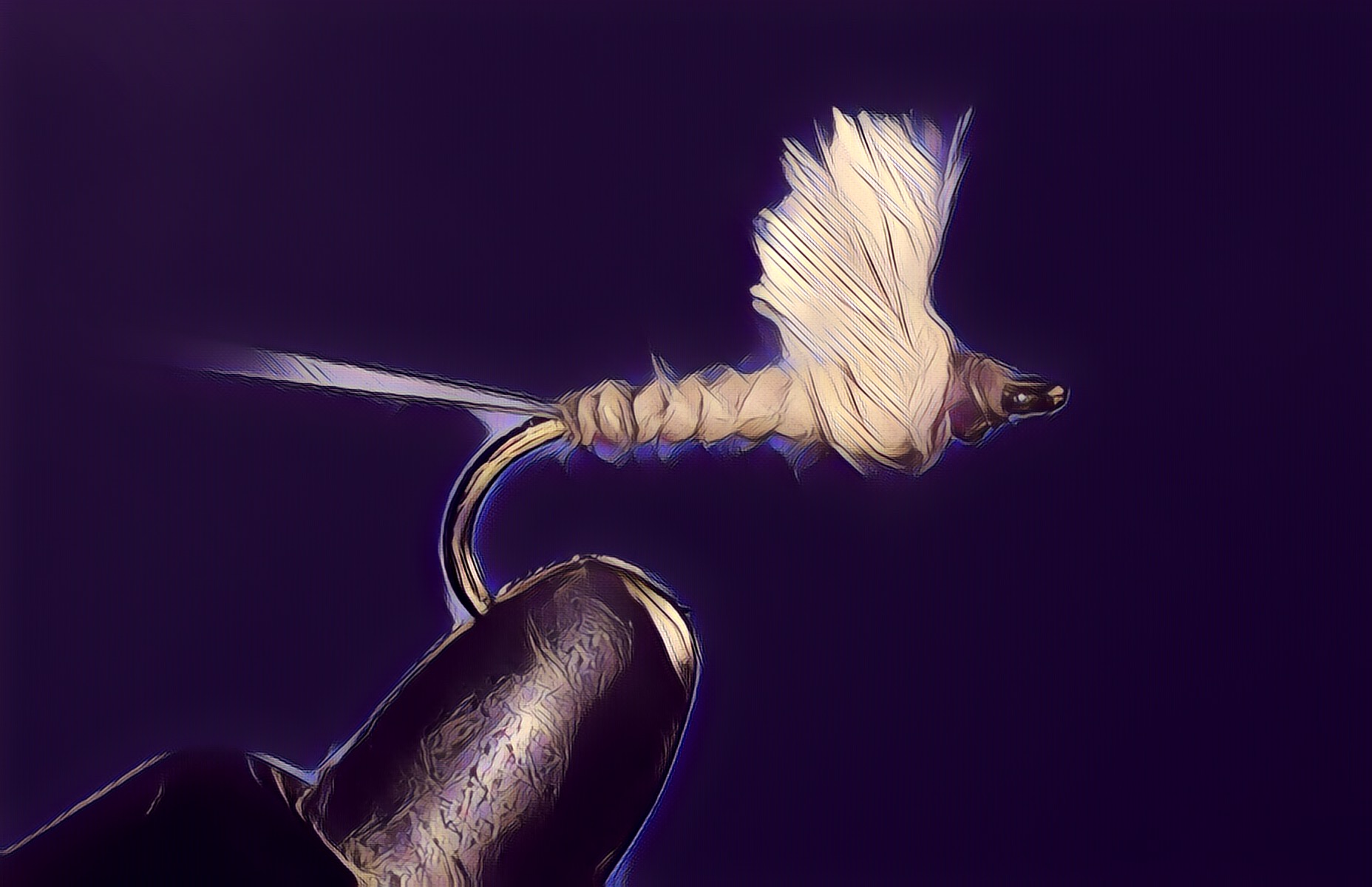
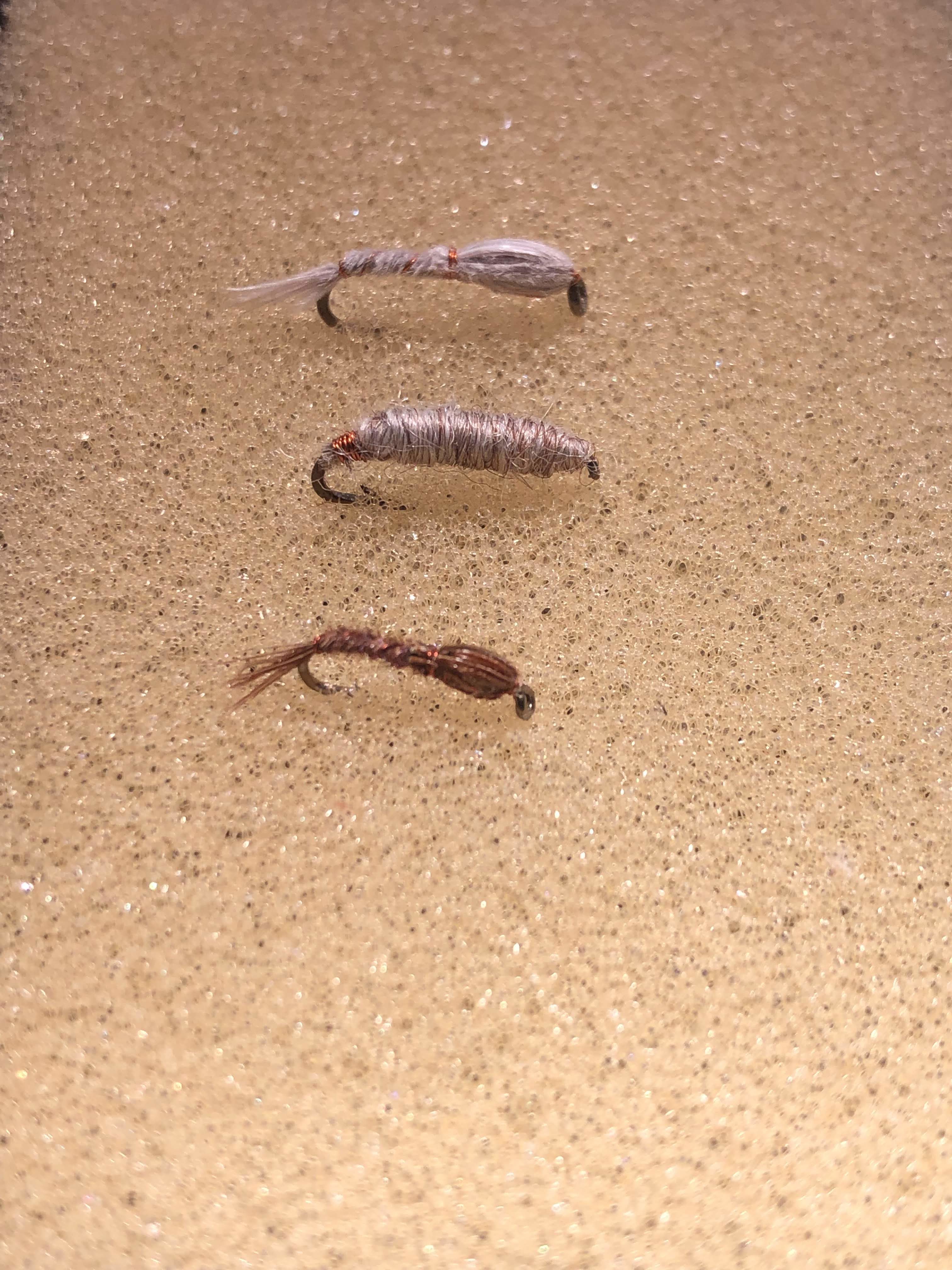
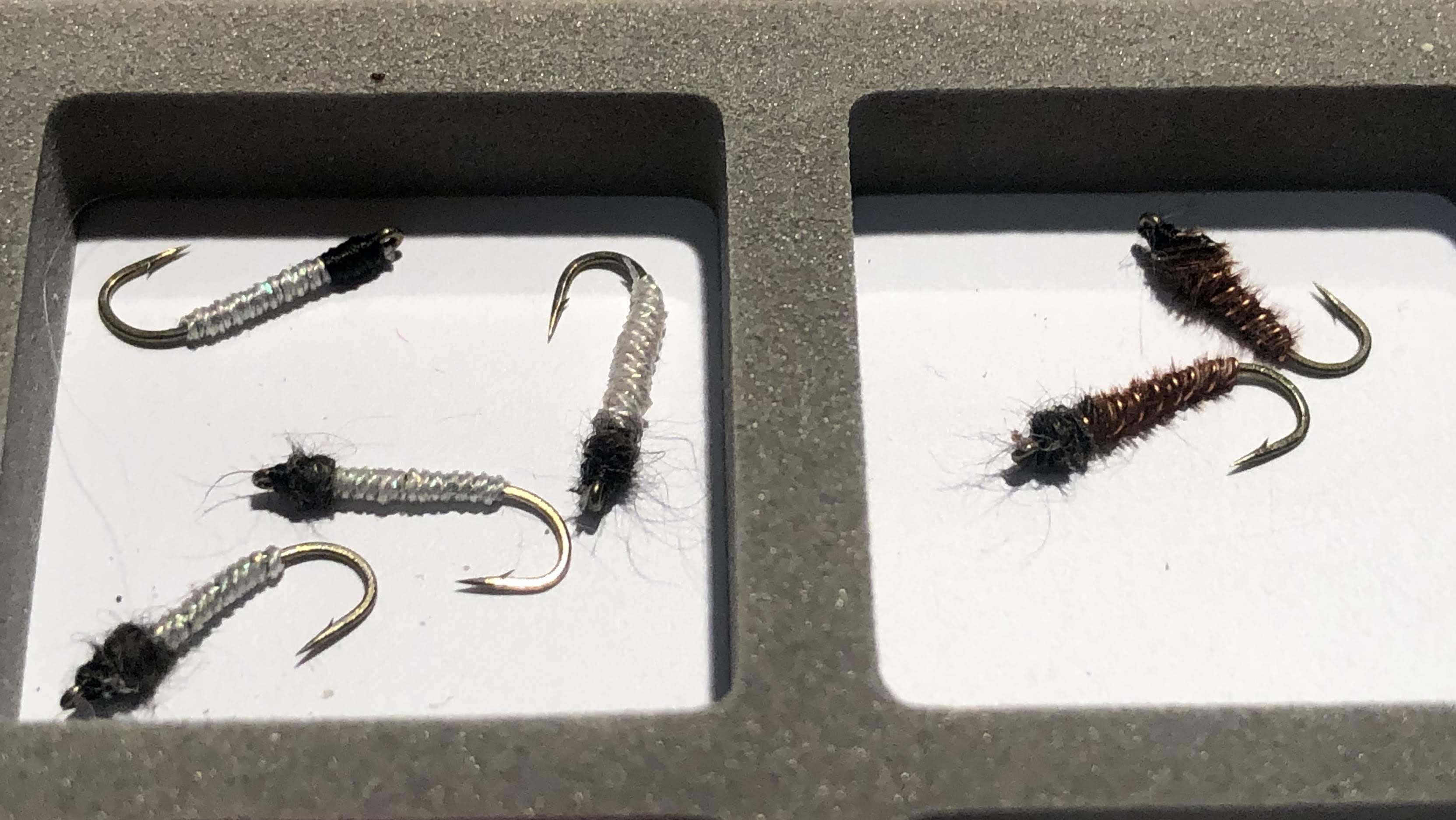
The Hooker is a pheasant tail based nymph pattern devised by Rim Chung about 20 years ago. He ties it in brown with copper wire and black with silver wire, and used it extensively for many years, coupled in a two fly rig, with the RS2 as the point fly. While it was one of his most effective flies and even though he still uses it occasionally, he currently has mostly gone to his Avatar and Plebby as his more common upper fly. I created a similar fly made from DMC metallic embroidery thread 272 Blanc (which has been discontinued), that Rim dubbed the Royal Hooker. It works very well on the South Platte River, the Arkansas, and many other Colorado rivers, especially where cased caddis are present. Rim's brown and black ones work everywhere that there are mayfly nymphs, for as Frank Sawyer note, the nymphs tuck in their legs when swimming through the water and the midge nymphs do not have tails, so they may be taken for those as well as the mayfly nymphs.

By |March 5th, 2019|Categories: Fishing, Fly Tying|Comments Off on The Hooker and Royal Hooker Flies

The Search for the Holy Grail of Fly Fishing

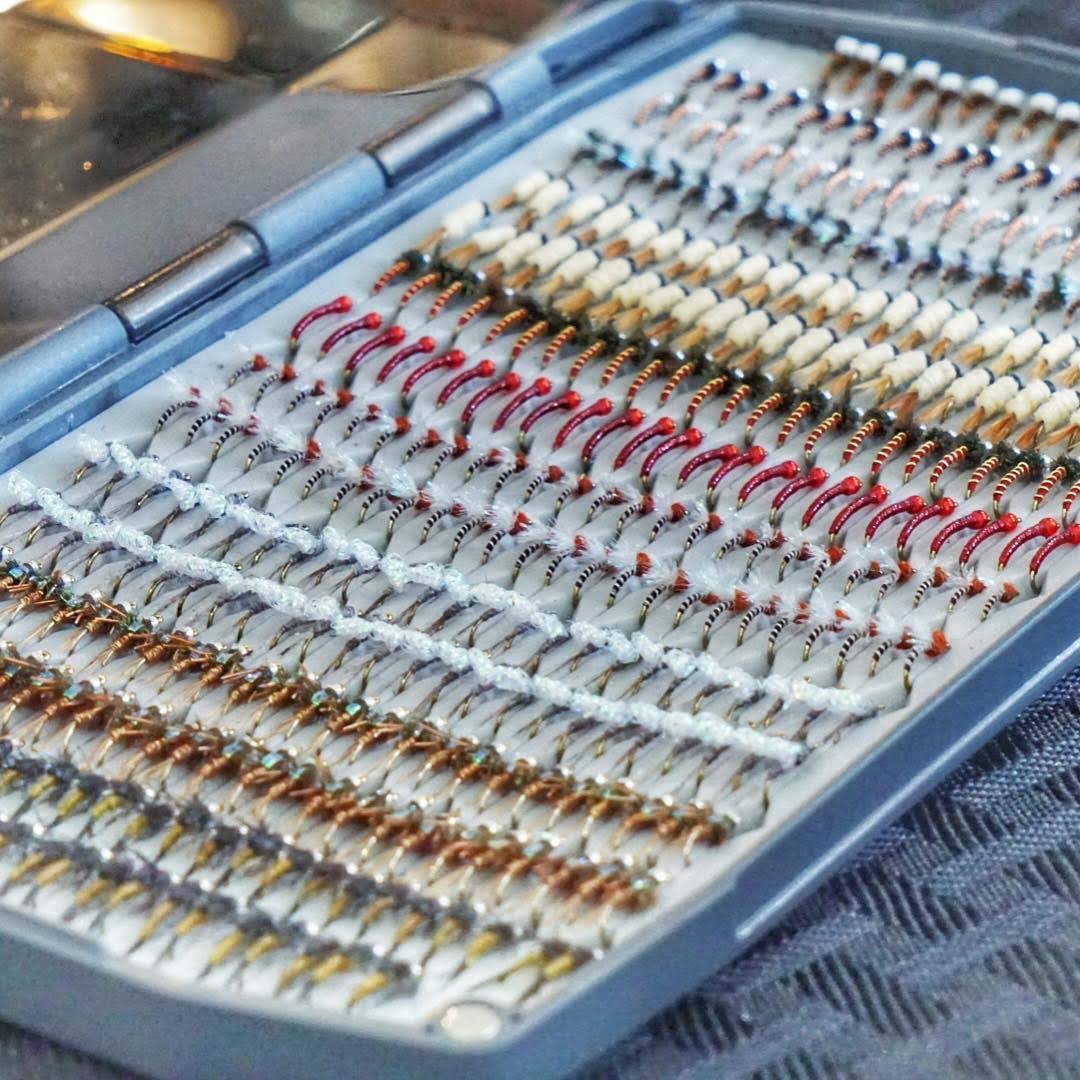
Manifest plainness, embrace simplicity. -Lao Tzu I have searched high and low for the holy grail of fly fishing for over 30 years, in books, guides, flies, articles, and every place imaginable. I have found many soothsayers, naysayers, potion sellers, tricksters, hucksters, and a few people who had forgotten more than the others had managed to remember. Starting with the Dame, and passing through Skues, Halford, Sawyer, Kite, Best, Gierach, and taking us all the way to modern day, I have now read them all, every book that I could find in print, or out of print, on fly fishing. And I have tried to meet as many of the people in real life as well, on this side of the pond and across it. There's an interesting saying that a guru horse trainer of mine, Wilson Dennehy says, " less than 10 percent of the people know 90 percent of the available information in the world." By that he means, there are very few experts who really know everything there is to know about a subject. Here's some of the things I have found along the way to finding a guru of fly fishing. Most of them helpful friends along the way leading their own way on paths to the top of the same mountain, but many others (not depicted) were distracting from the true purpose. AK Best tied flied Pat Dorsey Top Secret midge materialFrank Sawyer flies given to me by Nick SawyerLots of fakes before I found the real Chadwicks 477 wool for Killer Bugs And, here's what I have discovered. I have gone from over 1,000 fly patterns in my fly boxes to just three. These three flies, the RS2 as

By |February 26th, 2019|Categories: Fishing, Fly Tying, Rim Chung, RS2|Comments Off on The Search for the Holy Grail of Fly Fishing

Pat Dorsey Flies

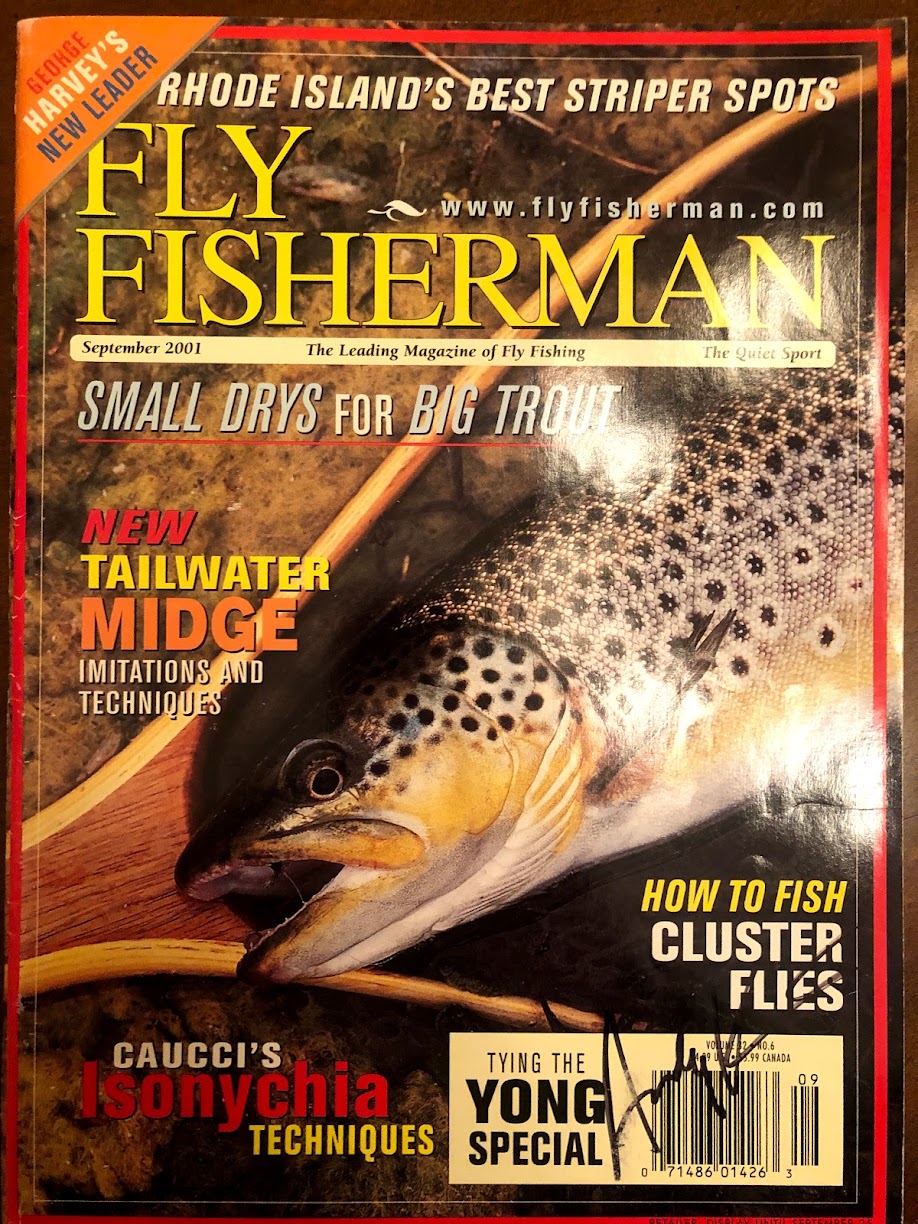
My favorite things about Pat Dorsey flies are that they are generally very simple to tie and they work exceptionally well. I have incorporated those strategies into my fly tying over the past couple decades, after chasing the illusive, you got to have it, hot fly of the week syndrome promoted by many in the industry for much of my youth. Pat Dorsey is a Colorado fly fishing guide, commercial fly tyer, and author of quite a few fly fishing books. He is a long-time acquaintance and his flies include staple patterns of the South Platte River, usually featuring his signature "Mercury Bead head" added to the pattern, with other small improvements. These flies will catch fish and the Mercury Bead seems to improve the flies from their original versions. While Pat's flies are not something I tie or use regularly, you have to admire them. Or at least I do, as I was a commercial fly tyer in high school and the patterns are generally fast to tie and more effective than most. However, a lot of my friends do use these files regularly and Pat's improved versions of the black beauty, buckskin, brassie, and other South Platte favorites such as the Mercury RS2, and his version of Andy Kim's Yong Special, the Top Secret Midge, all catch a lot of fish and are flies that I have experimented with over the years. I post some pictures here from Pat's great books, which are educational in how simple flies can be to still be very successful. He has proven to be a guide who knows how to educate his clients both in fishing and fly tying, and is never one to hold back on

By |February 26th, 2019|Categories: Fishing, Fly Tying, RS2, Uncategorized|Comments Off on Pat Dorsey Flies

Mottram on Fly Fishing

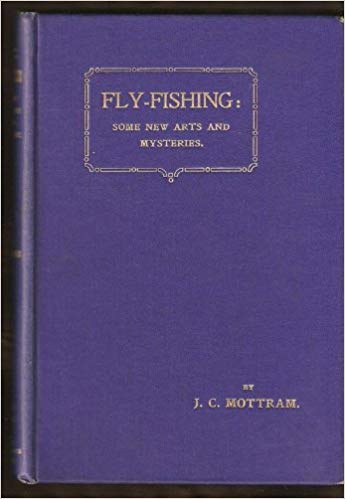
Innovations of a Scientist-Angler This is a great book for the fly fisher. Writings from one of the most original and provocative fly-fishing theorists of the twentieth century. Important inquiries into the nature of trout and the challenges of catching them with flies. James Mottram wrote at the height of great intellectual turmoil in the world of British fly fishing, when advocates of dry-fly fishing quarreled with their nymph-fishing counterparts over which type of fishing was not only more effective but also more "appropriate" on England's famous chalkstreams. Mottram stepped into this bitter controversy with writings that calmly considered the strengths, weaknesses, and prospects of all fly-fishing methods. In his introduction to this first American edition of Mottram's writings, Paul Schullery praises Mottram's "enthusiastic voice, ceaseless curiosity, and intuitive sense of how things worked." Schullery concludes that Mottram, who was rare among early angling authorities in actually being scientifically trained, "applied a disciplined understanding of nature's subtlety and complexity to the study of the trout's world." That he was also a lively and inventive storyteller only adds to the value of his work today. About Schullery, Paul

By |February 26th, 2019|Categories: Fishing|Comments Off on Mottram on Fly Fishing

Frank Sawyer’s Pheasant Tail Nymph and Grey Goose

https://youtu.be/416Os9V84n8 Frank Sawyer was a river keeper for The Fishing Association in Wiltshire, England. The river Avon was his home water. His grandson, Nick Sawyer, who was a special forces Captain in the Royal Services, when I met him and also moonlighted at times, offering his grandfather’s Sawyer Nymphs, has moved on to bigger and better things as Brigadier of their special forces.  He was kind enough to send me some flies tied by his grandfather and the first thing that stands out, is how slim and natural they are compared to our American "pheasant tail" flies such as the Copper John. Nick wrote to me, ”Minimalism is probably a good way of describing the Sawyer approach to fishing. I spent a huge amount of money on taco that does not do the job as well as something out a fraction of the price.” before his grandmother retired she had three regular tires working for her as well and sold sawyer flies all around the World by mail. Nick Usually fist on the right hand it down to him from his father was one of the early fiber rods made in the 1960s by Hardy, the light master model. It is a fairly light rod and he like to fish with 1.5 pound cast tippet which equals American 7X. He commented that grade line on the test did not like the substitute wall as much as the Chadwick school, as perhaps it was a little bit on the purpleish side. However his father considered it a close enough match for it to work. As for the IRS to, he and his father’s consensus was that they are on the whole for faster water in the Chaulk streams

By |February 12th, 2019|Categories: Fishing, Fly Tying|Comments Off on Frank Sawyer’s Pheasant Tail Nymph and Grey Goose

Fly Fishing Secrets of the San Juan River’s Andy Kim

This is an old video instruction tape which I bought from Andy Yong Kim about 20 years ago, which he recently converted from VHS to digital and shared on YouTube, so now  you get it for free (there are now four parts).   His Yong Special flies and techniques are legendary on the San Juan River and it is worth booking him as your guide as you will learn a lot about fly fishing that you won't learn anywhere else. https://youtu.be/Nu9cBlXnDwQ https://youtu.be/OLuBE001G28 https://youtu.be/h3VvChHxtLY https://youtu.be/i6eVCCdjrO4 And he did this new video for kids. https://youtu.be/vyc9HWYHwUI For more see Andy's YouTube channel or his site at http://www.yspecial.com/   

By |July 16th, 2018|Categories: Fishing|Comments Off on Fly Fishing Secrets of the San Juan River’s Andy Kim

Silk Fly Lines

I was recently given a silk line line, which I am going to try out on the three bamboo rods which were gifted to me by Rim Chung and Gary Dewey.  Ever since 2013 when Scientific Anglers was purchased from 3M by the Orvis Company, based in Manchester, Vermont, the first ownership change for Scientific Anglers in decades, their lines have gone downhills and Rio and others have come up. This sale lead to a complete rebranding of the company, with a new color scheme, new logo, and new packaging.  Sometimes, in faces of change, we need to return to the old, as well as trying some of the new.  Silk fly lines are one of the originals behind horse hair lines. It’s extremely difficult, if not impossible, to tie your leader to the line with a nail knot or similar connection, since the tip of the silk line is much finer and more flexible than the butt of your leader.  So, superglue is often applied to assist in the holding of the knot. On the other hand, I have discovered that I can turn over even very long leaders using leaders with a butt diameter of only .015 or even .013. Many old fly fishing books have illustrations that contain directions for attaching leaders to silk lines. I have found that a tiny loop spliced in the end of the line, and a perfection loop in the butt section of the leader is the perfect solution. This is not only convenient for attaching leaders, but for reversing the line on the reel. Cleaning and dressing a silk line is not the onerous burden modern line makers would have you believe. Examining any line imperfections

By |June 28th, 2018|Categories: Fishing|Comments Off on Silk Fly Lines

Tenkara

Tenkara has it s roots in the mountains of Japan, in the practical approach of the subsistence fisherman and the pared-down efficiency of the professional.  It places a premium on accurate presentation.  The original tenkara fisherman used silk lines and bare hooks.  Flies become high fashion and by 1703 gold foil was even being used.  Ayu hooks are now barbless and eyeless.  The author discusses bamboo rods to the Tenkara Ayu and Diawa rods.  Dr. Ichihashi or Ichigaki's bamboo rods are discussed and from the Internet posts on sites such as www.tenkarausa.com they look amazing.  The book discusses level lines to tapered lines and furled lines to fluorocarbon lines.  Spools and cast holders are detailed, as are knots from the traditional girth hitch to attach the furled line to the rod tip or simple overhand knots around the standing part of the line to form a o around the lilian through the loop twice and tighten.

By |June 22nd, 2012|Categories: Book Reviews, Fishing|Comments Off on Tenkara