
Types of Hay for Weight Gain in Horses and Vitalix
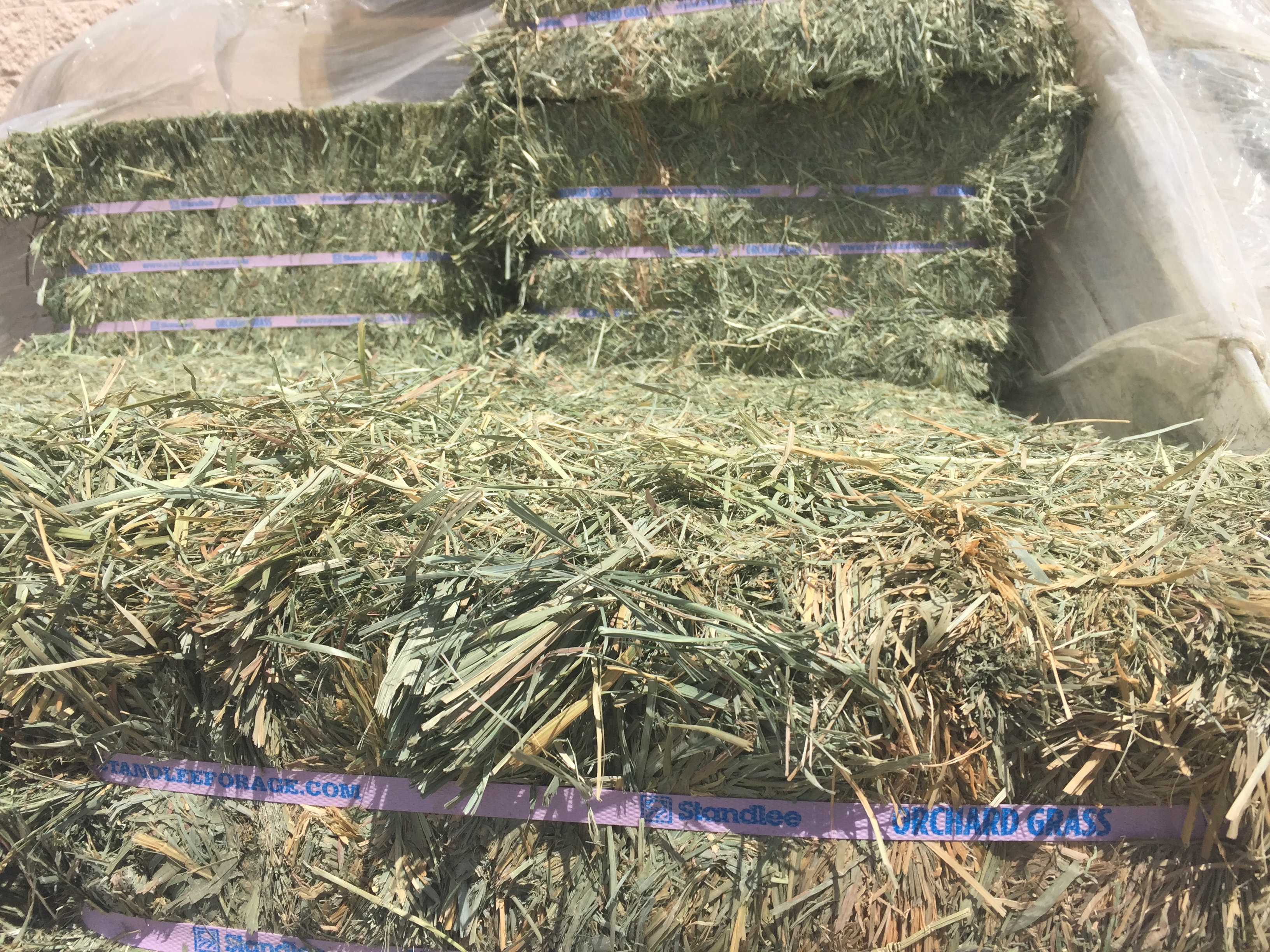
Earlier this decade, Colorado and the Western States were plaqued with wild fires and, after several years of drought, hay prices skyrocketed. It was just a few years ago that most of Colorado hay went to other states which were rampent with fires, draught and tornados, such as Kansas and Oklahoma. But now after two years of very wet summers, hay prices should have returned to normal, but that never seems to occur. It seems that growers and suppliers get used taking higher profit margins, in part to make up for bad years and in part from lack of consumers to demand lower prices. There are many different forms of hay, the best of which are Mountain Grass and Timothy. Alfalfa is great for putting weight on horses and is cheap to feed but we have buying phentermine online. The most common form of hay is the small square bale, which can weigh approximately 45 to 100 pounds each. The weight depends on how they're baled, type of hay and moisture content. Compressed bales are also increasingly seen. We have found All-Species Vitalix (125 lb. tub for $65 in 2016) to be great for putting weight on hunt horses or polo ponies in pasture, where feeding grain or pellets is often more difficult. Feeding a scoop a day of pellets from ProAdvantage® Grass Formula Diet Balancer by Progressive Nutrition, topped with 1/2 cup of corn oil.