While Ireland (my favorite tea from there is Barry’s) and England (some of the best come from Harrod’s) are known for their breakfast teas, I prefer the rich depth of choices in Chinese teas.
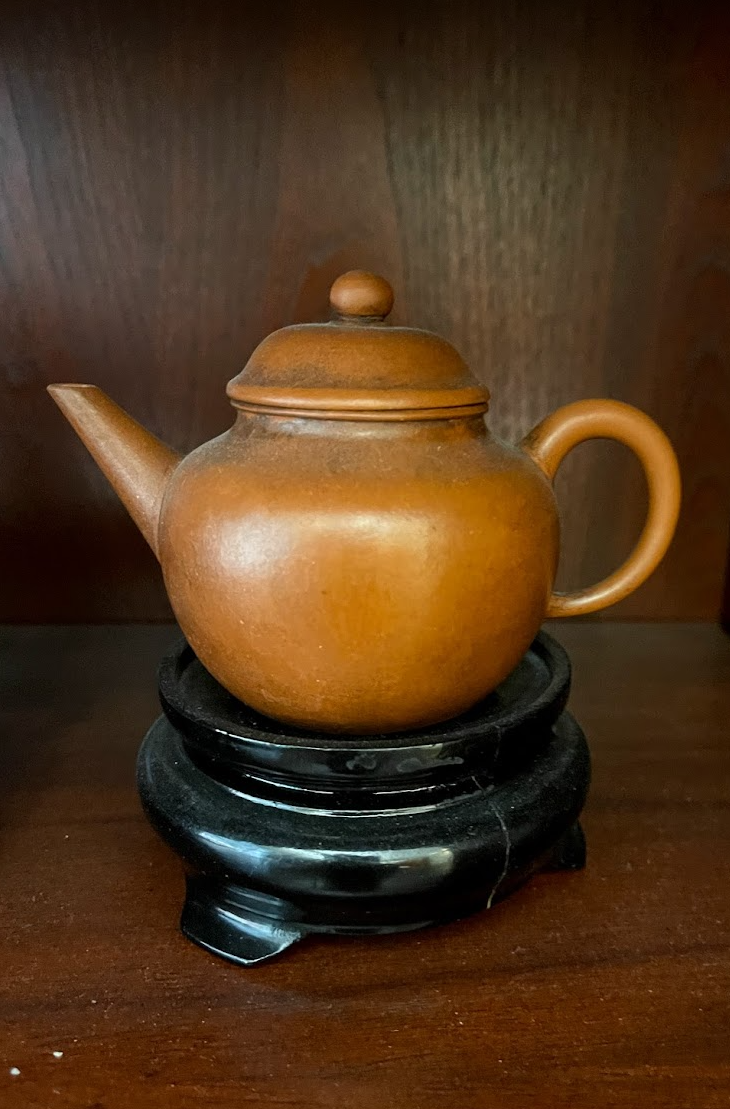
There is an infamous list of the ten most famous Chinese teas, which varies a bit, depending on who you ask. Having spent some time in the tea cafes of Hong Kong, it is something you will treasure once you have tried the best Chinese teas. These teas we try to enjoy, along with some of the lessor known teas, on a daily basis. For serving and more on Chinese tea pots click here.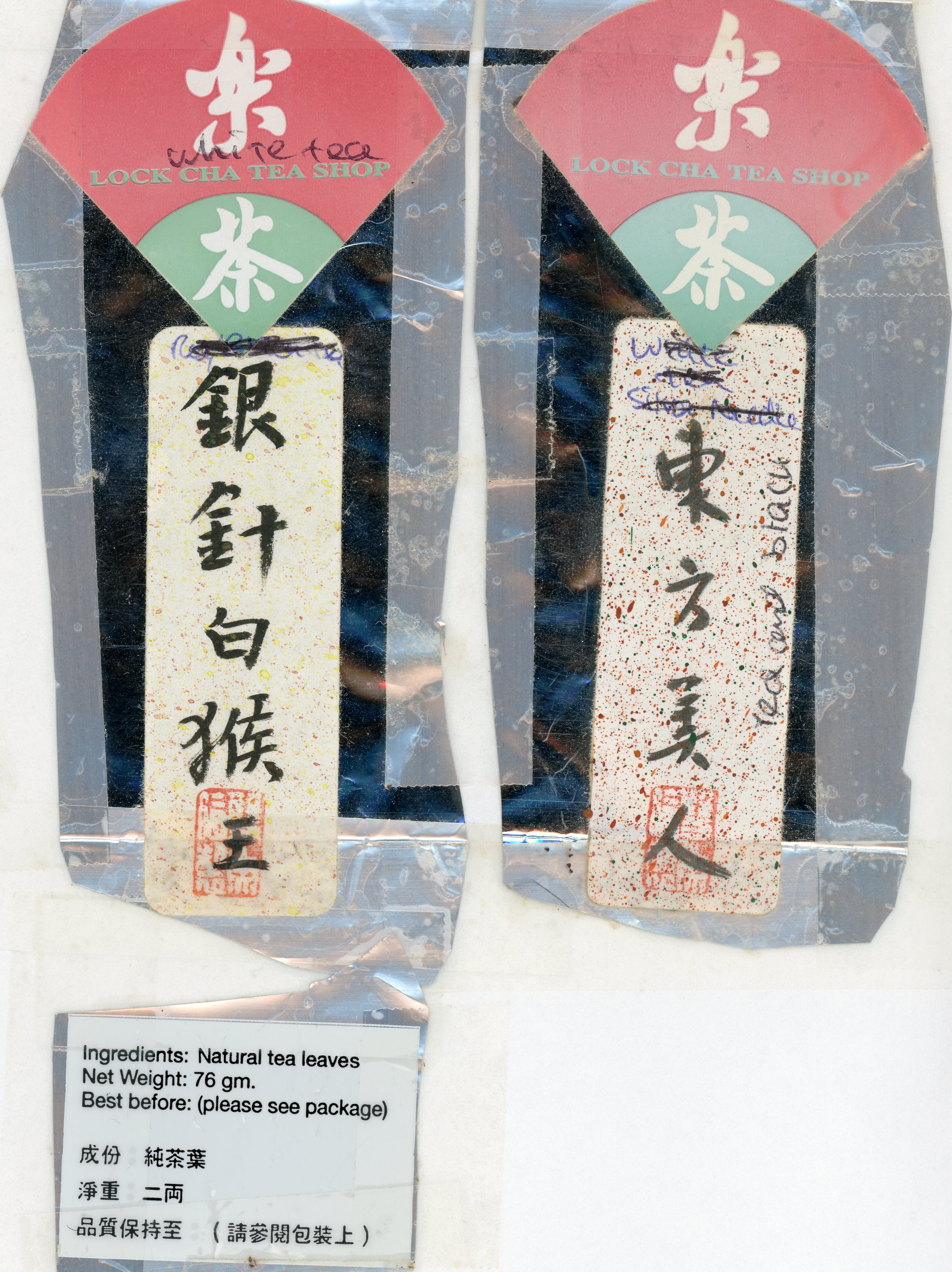
1) Junshan Yinzhen Tea
Of all the famous Chinese Teas, this tea has received a lot of attention lately due to its health benefits. The Silver Needle Tea is Junshan Yinzhen. It comes from Yueyang in Hunan Province. This white or yellow tea is among the rarest and it is my personal favorite.
But I love all white teas and the pick of the leaves determines the type of white tea. There are two principal types of white tea: ‘bud’ and ‘bud and leaf’. These are classified further into four main grades: Silver Needle, White Peony, Gong Mei and Shou Mei.
Top grade: Silver Needle made solely from buds
Second grade: White Peony made from buds, leaves and stems
Third Grade: Gong Mei, being a ‘looser’ pick using buds, leaves and stems from non-premium cultivars. It is aged for 7 years before it is sold. Comes pressed or loose. This is one of my favorites and it keeps forever, if stored in a dry place.
Fourth grade: Shou Mei. Lower grade than Gong Mei. Both Gong Mei and Shou Mei are known colloquially as ‘Little White’ to distinguish them from cultivars ‘Big White’ (Da Bai 大白) and ‘Big Down” (Da Hao 大毫) which are the preferred cultivars for Silver Needle and White Peony grades.
Since the raw materials of tea are all fresh young buds, due to its rarity, as only a small amount is produced in early spring every year, Fuding Silver Needle nowadays is considered as the most valuable and expensive among all the Chinese white teas. As a related aside, Fuding China is renowned for producing two of the most celebrated white teas: Bai Hao Yin Zhen (Silver Needle) and Bai Mu Dan (White Peony). Bai Hao Yin Zhen is considered the highest grade of white tea, made exclusively from young, silvery buds. It is prized for its delicate texture, subtle sweetness, and elegant appearance. Bai Mu Dan, or White Peony, is regarded as the second-highest grade, crafted from a combination of buds and the first two leaves. While technically a step below Silver Needle in classification, many tea drinkers prefer White Peony for its fuller body and richer, more robust flavor. It lasts over 15 years as it is dried into a frisbee shaped puck and many consider it not well aged until after 7 years.
2) Qi Men Red Tea
This Chinese name for this tea is Qimen Hong Cha from Qimen County in Anhui Province. It is the only red tea of the 10 famous Chinese teas and my second favorite to Silver Needle Tea.
3) Tieguanyin Tea
The English name for Tieguanyin is Iron Goddess Tea. This Oolong tea hails from Anxi in Fujian Province. It has a complex fermented taste. The best quality are Tieguanyin Super Pearl Buck, which are hand formed balls of this tea. Tieguanyin is a specific type of oolong tea, meaning it’s a subset of the broader category of oolong. All Tieguanyin teas are oolong teas, but not all oolong teas are Tieguanyin. Tieguanyin is known for its distinctive floral and fruity aroma, roasted and nutty flavor, and smooth, creamy texture.
4) Huangshan Mao Feng Tea
The literal English translation for Huangshan Mao Feng is Yellow Mountain Fur Peak Tea, from the area surrounding Huangshan (Yellow Mountain) in Anhui Province. This green tea gets its name from the small hairs that cover the leaves and the shape of the leaves which resemble a mountain peak.
5) Dragon Well Tea
Dragon Well Tea is called Long Jing in Chinese. This green tea originates in Dragon Well Village near the city of Hangzhou in Zhejiang Province.
6) Bi Luo Chun Tea
The literal translation of Bi Luo Chun Tea is Green Snail Spring Tea, grown around the city of Suzhou in Jiangsu Province. This green tea has an imperial history and is the source of wonderful legends. Bi Luo Chun, also known as Pi Lo Chun, is a well-known green tea from China’s Jiangsu Province. It’s known for its floral aroma, fruity taste, and delicate appearance, and is hand-rolled into a tight spiral that resembles snail meat. The name translates to “green snail spring” and refers to the tea’s color, shape, and plucking time.
7) Da Hong Pao Tea
The English name for Da Hong Pao is Big Red Robe Tea. It is grown in the Wuyi Mountain in Fujian Province and it is believed to be the original form of Oolong Tea.
8) Liu An Gua Pian Tea
The English name for Liu An Gua Pian Tea is Liu An Melon Seed Tea. It is delicately picked in Jinzhai in Anhui Province and is a Green Tea.
9) Xin Yang Mao Jian Tea
The English name for Xin Yang Mao Jian Tea is Xin Yang Hairy Tip Tea. It is produced in Xinyang in Henan Province and is a green tea.
10) Tai Ping Hou Kui Tea
The English name for Tai Ping Hou Kui Tea is Monkey King Tea. Of all of the famous Chinese Teas, it is perhaps the most unique in appearance. It is a Green Tea that comes from Taipin in Anhui Province.
If there were an Eleventh in my book, the Jasmine Pearls are missing from the list of famous teas and another of my favorites. My favorite tea shops in Hong Kong are Fook Ming Tong and Lok Cha. You can also order by mail from their tea shops.