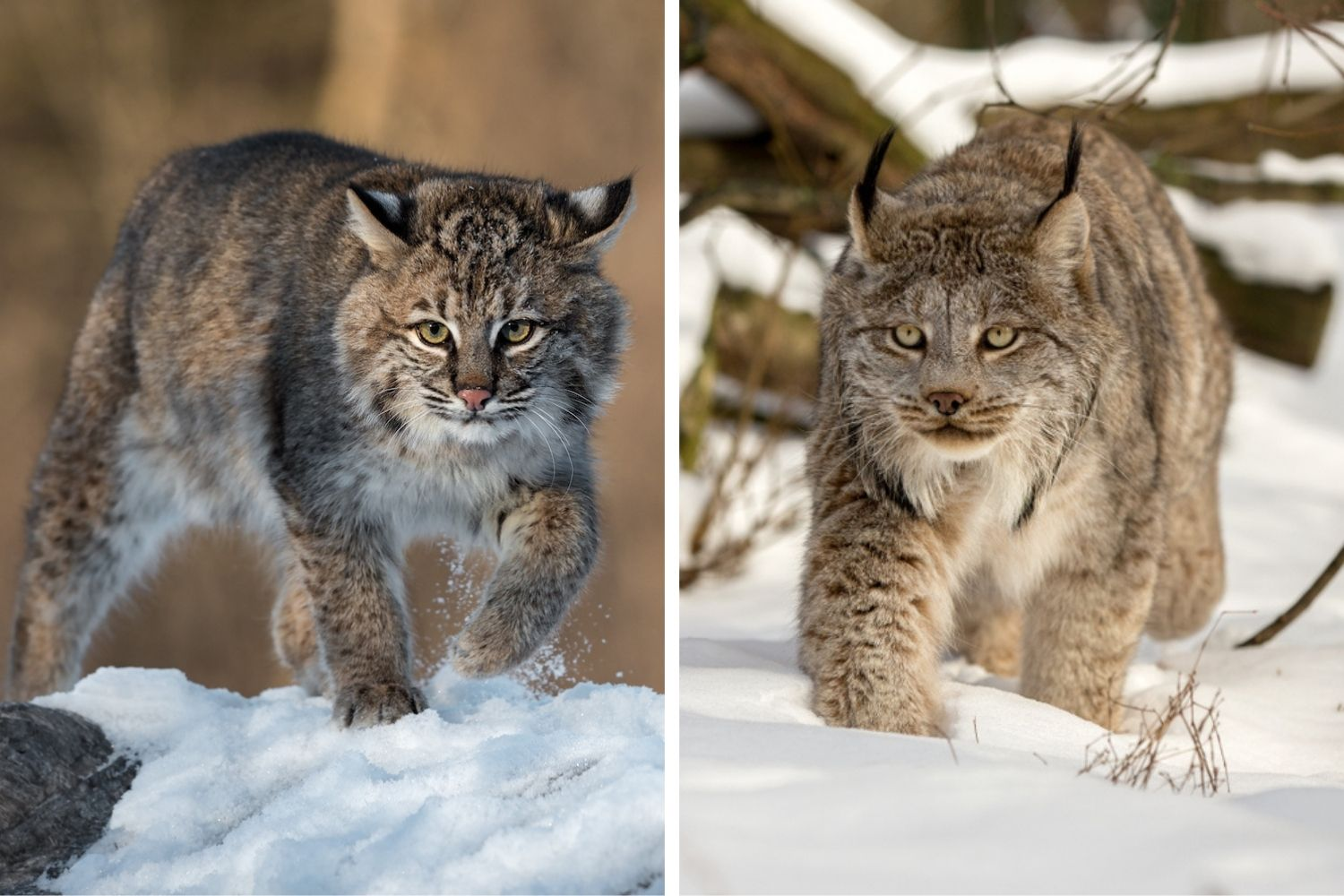
Photos from https://www.reconnectwithnature.org/news-events/the-buzz/whats-the-difference-bobcat-vs-lynx
Americans tend to equate a mink coat with the epitome of luxury. However, the most expensive fur coats in the world are defined by the rarity and density of the pelts, with Russian Sable leading the market at prices often exceeding $150,000 due to its silky, silver-tipped texture. Lynx follows closely, commanding high prices because designers use only the white, spotted belly fur, requiring a massive number of pelts for a single garment. Chinchilla is prized for having the softest and densest fur on Earth, while Vicuña, though technically a wool, rivals these furs in cost due to the extreme scarcity of the South American camelid fiber. Together, these materials represent the pinnacle of luxury outerwear, combining intense warmth with storied status.
My daughter became interest in bobcat fur, as she attends college where the mascot is a bobcat. A bobcat fur coat retailing on a specialist fur site might start around $2,000 for a basic sectioned bobcat coat, but most go for a lot more than that if well made from the prized spotted belly fur of well selected pelts. Bobcat is often confused with lynx, as the pelts look similar, even more so than the animals.
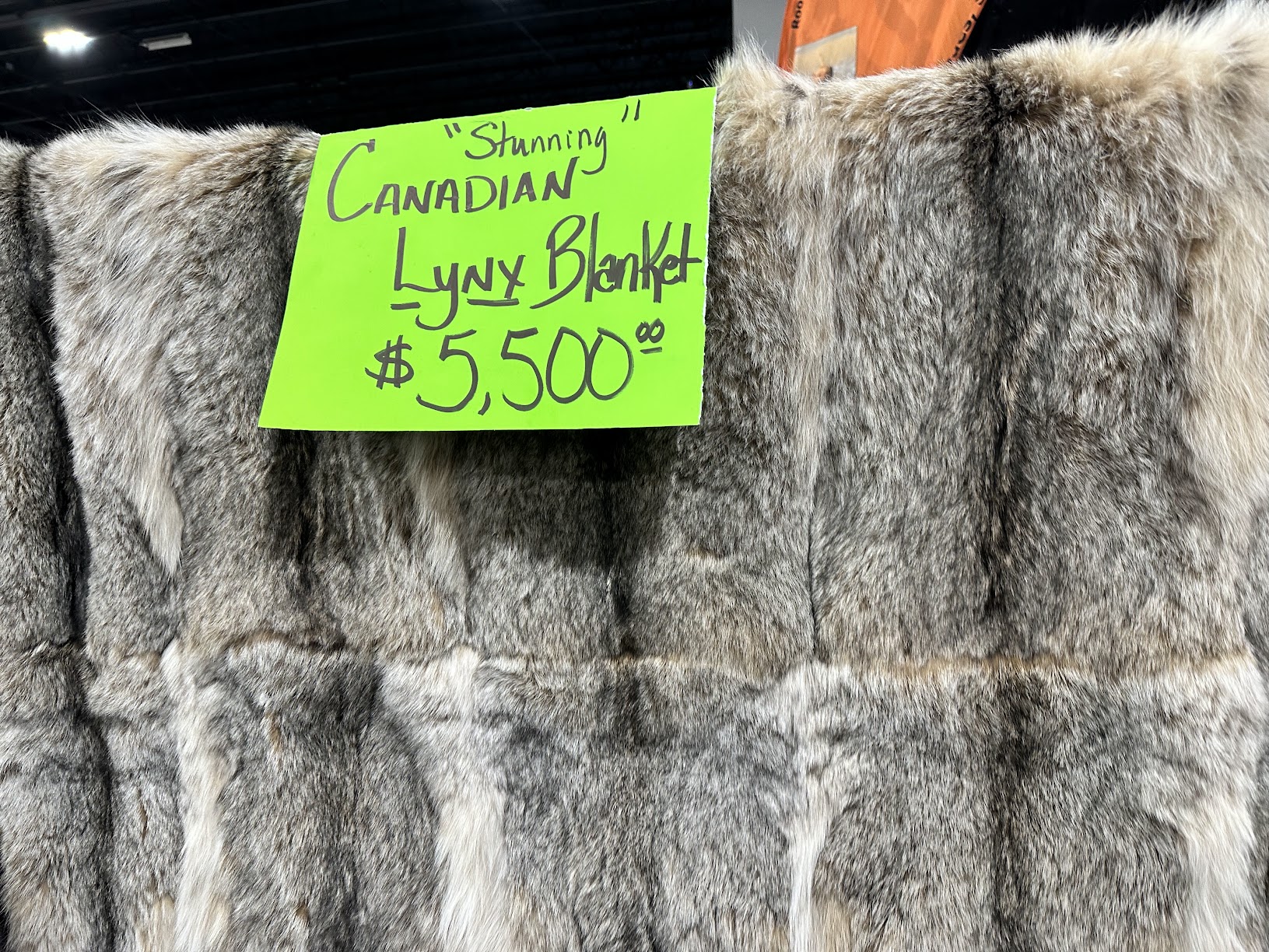
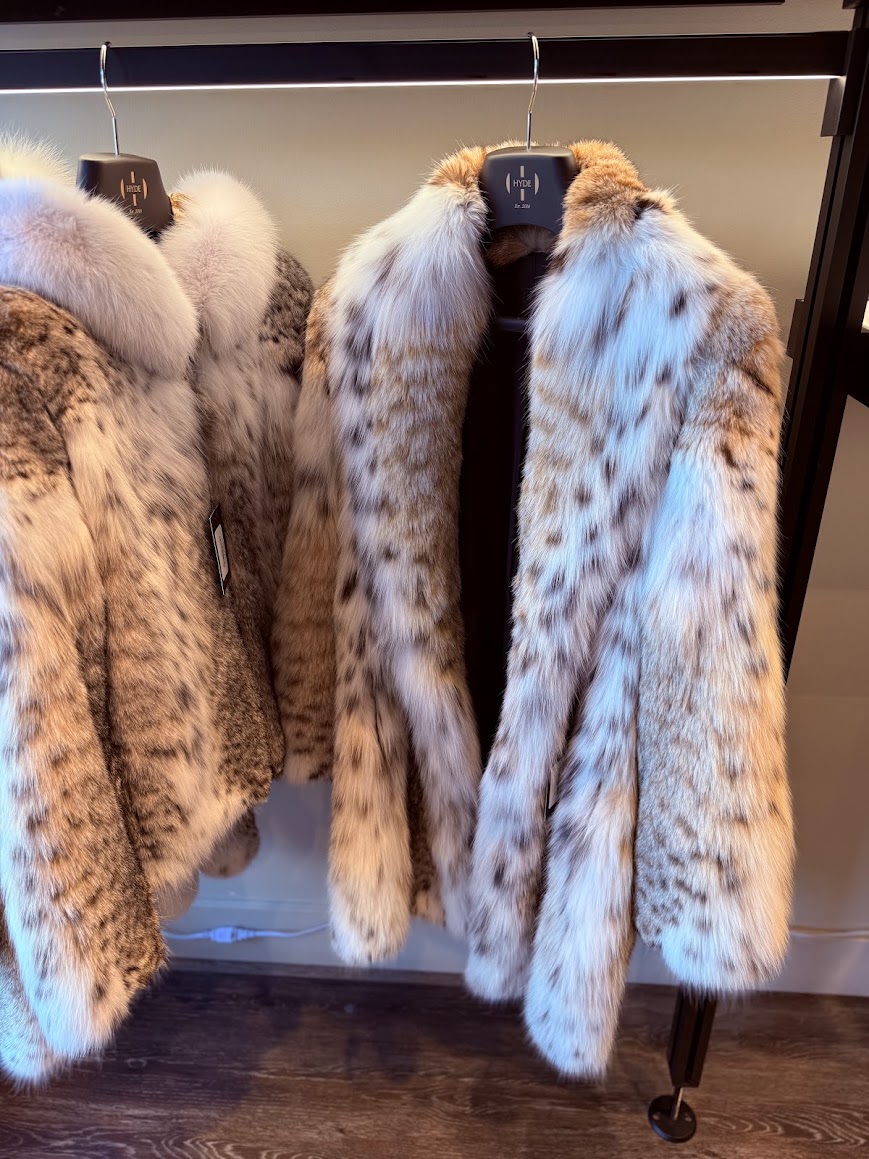
Lynx coats generally cost more than straight bobcat because the fur is rarer and thicker/softer: about $5,000 – $25,000 or more for new high-end pieces. Some luxury pieces with prime lynx belly fur can be much higher ($30K-100K), depending on styling and heritage. Hunting, trapping, loss of habitat: All of these factors essentially exterminated Colorado’s Canadian lynx by the 1970s. Two decades later, CPW reintroduced 96 of the state- and federally endangered big cats around Creede and Durango, and the population has remained steady since. The fur is like the cat—dramatic, seductive, and wild. While some cats like minks or foxes are raised in captivity, lynx—including the Canadian lynx and Eurasian lynx—are almost entirely harvested from the wild through regulated trapping in areas like Canada and Russia.
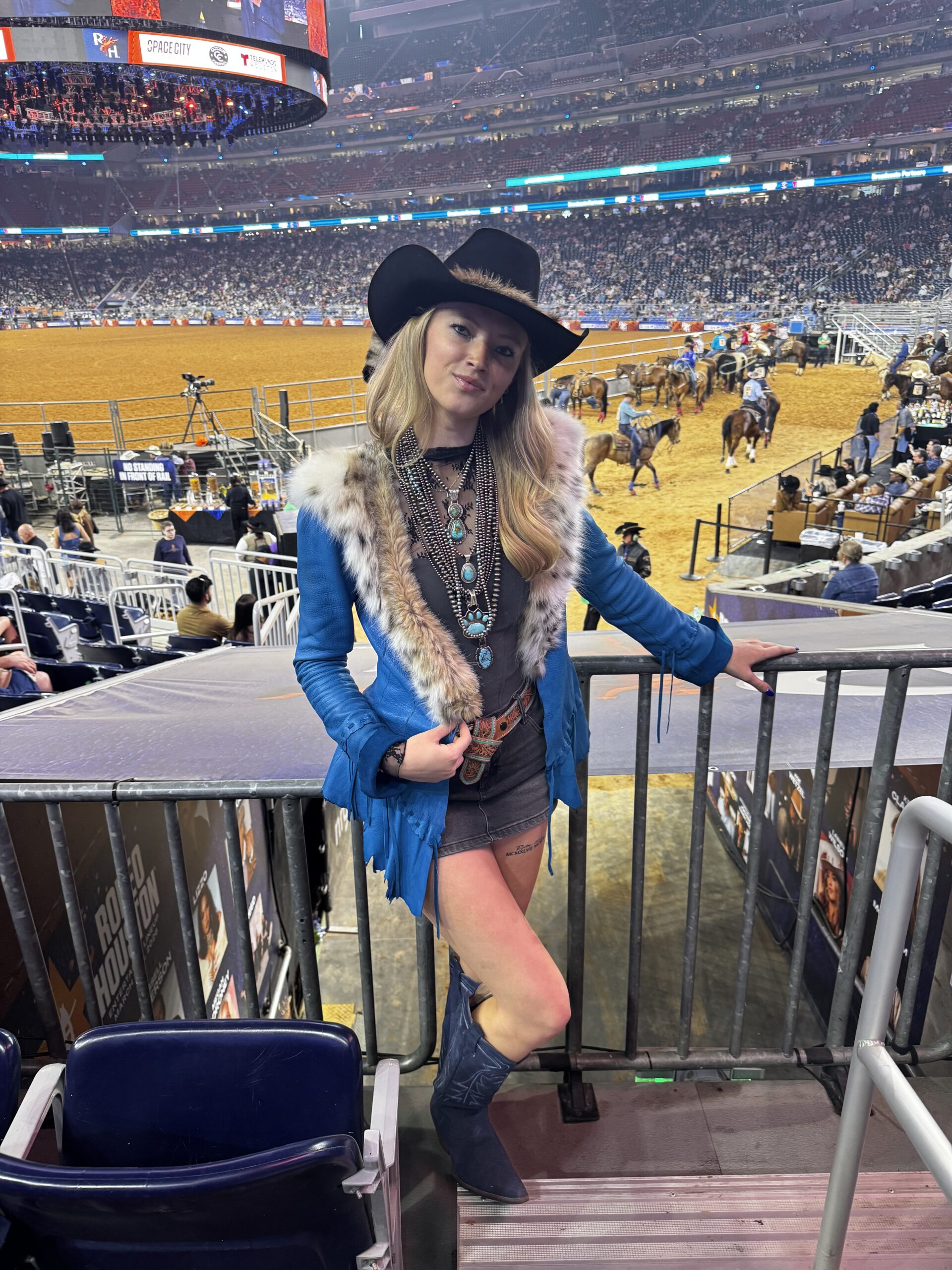
If you’re looking for a garment that makes an unforgettable statement, few pieces rival a lynx fur coat. Bold, luxurious, and undeniably eye-catching, lynx fur has long been prized by collectors and fashion enthusiasts who appreciate its rarity and natural beauty. Distinguished by its striking spotted pattern and soft, silky texture, lynx is one of the most sought-after furs in the world. Russian lynx is considered the rarest and most valuable, while Canadian and American lynx offer the same distinctive character at a somewhat more accessible price. The finest pelts are judged by their bright white color, dramatic spotting, and crisp, well-defined markings, all of which contribute to their beauty and value.
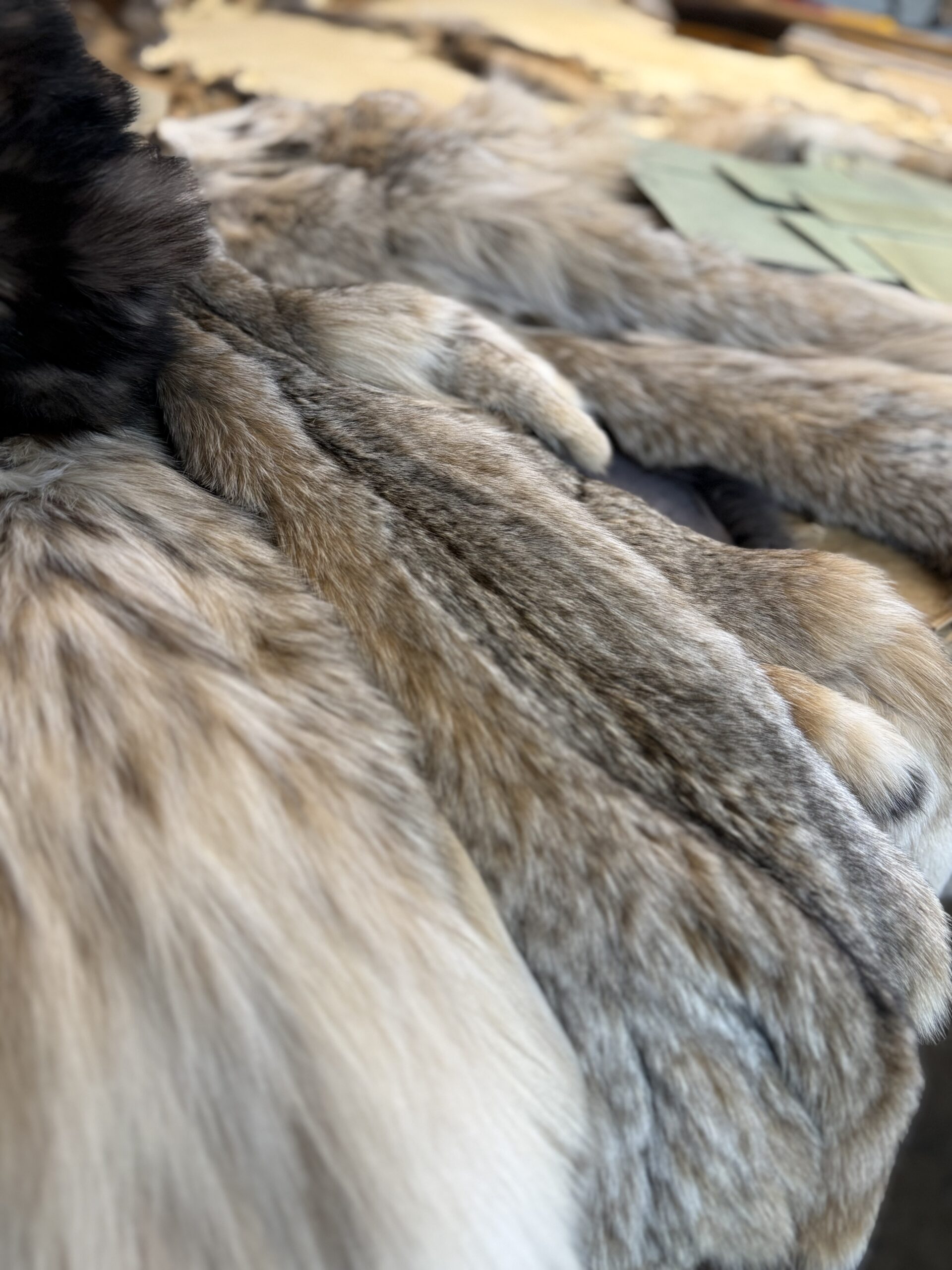
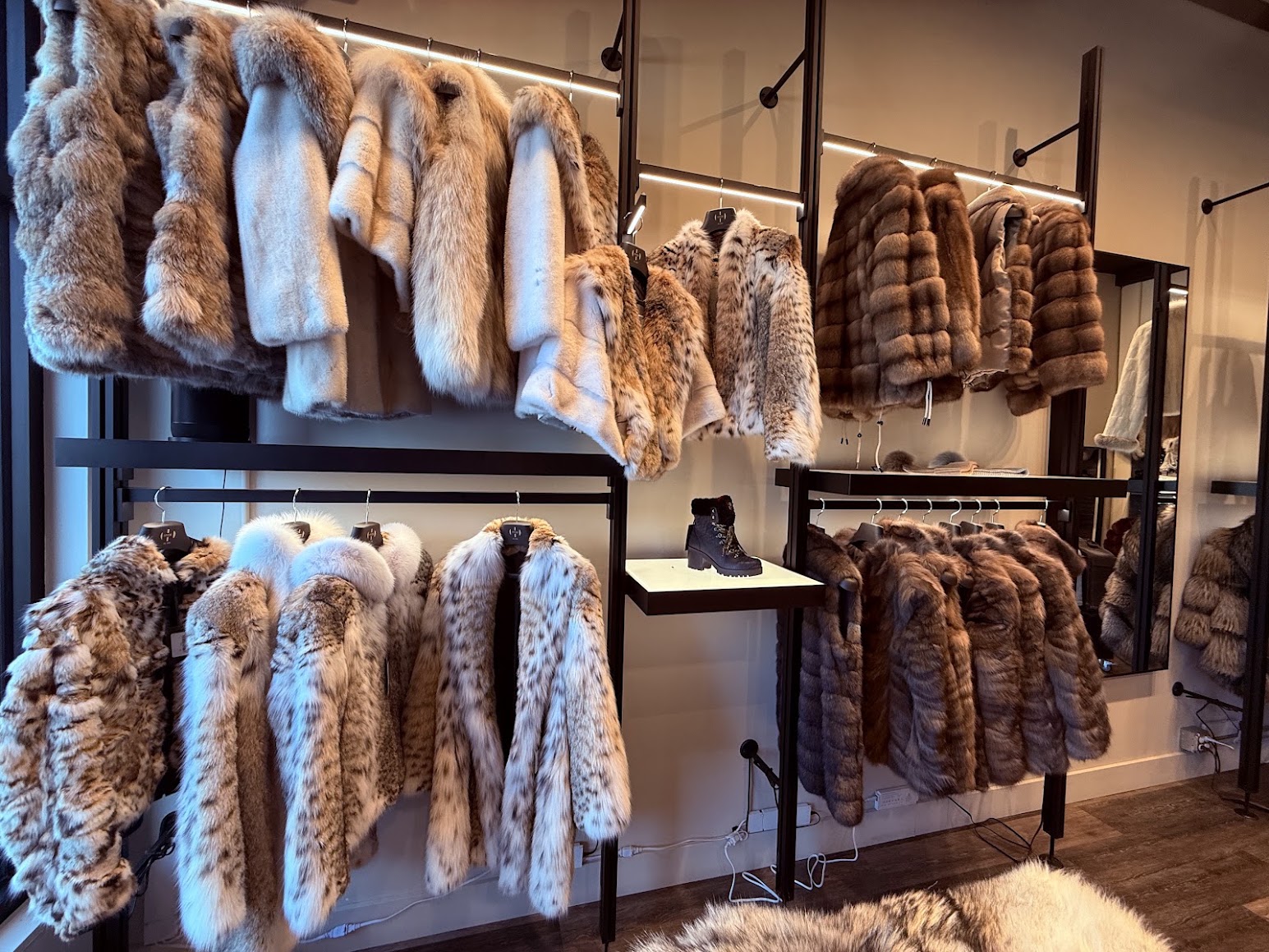
A lynx belly fur coat uses only the rare, pure white, spotted underbelly for ultimate luxury, making it extremely expensive, while a full pelt coat uses the entire skin, including the browner, less uniform back, offering a more affordable but still beautiful and spotted garment, with the belly sections still being the most prized parts. The belly fur is prized for its distinct pure white base and crisp black spots, requiring many pelts to create one garment, whereas full pelt coats balance luxury with accessibility. Very expensive and rare because it uses only the best, whitest part of each pelt, demanding more effort and pelts per garment. Other coats use the full lynx pelt which are still high quality and luxurious, using skilled craftsmanship to integrate the different parts of the pelt and the coats tend to be more brown.
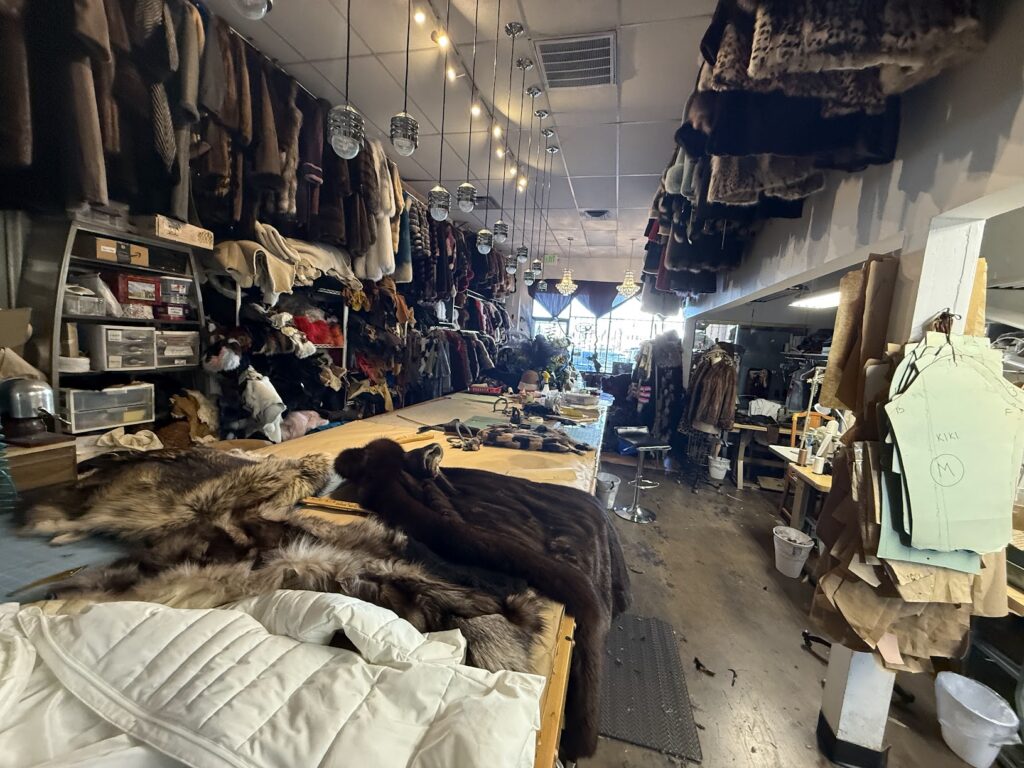
The most expensive types of fur coats are made from rare furs like Russian sable, chinchilla, and lynx, with Russian sable being the most valuable due to its unique softness and sheen. Minx, silver fox, and other furs are the usual starting points for a collection.