Ralph Lauren’s personal style is one of the more interesting examples of a designer essentially living inside his own mythology. He rarely dresses like someone trying to demonstrate that he is fashionable. Instead, he has spent decades refining a very specific American ideal: wealthy without being flashy, athletic without looking like he just left the gym, and traditional without appearing trapped in the past.
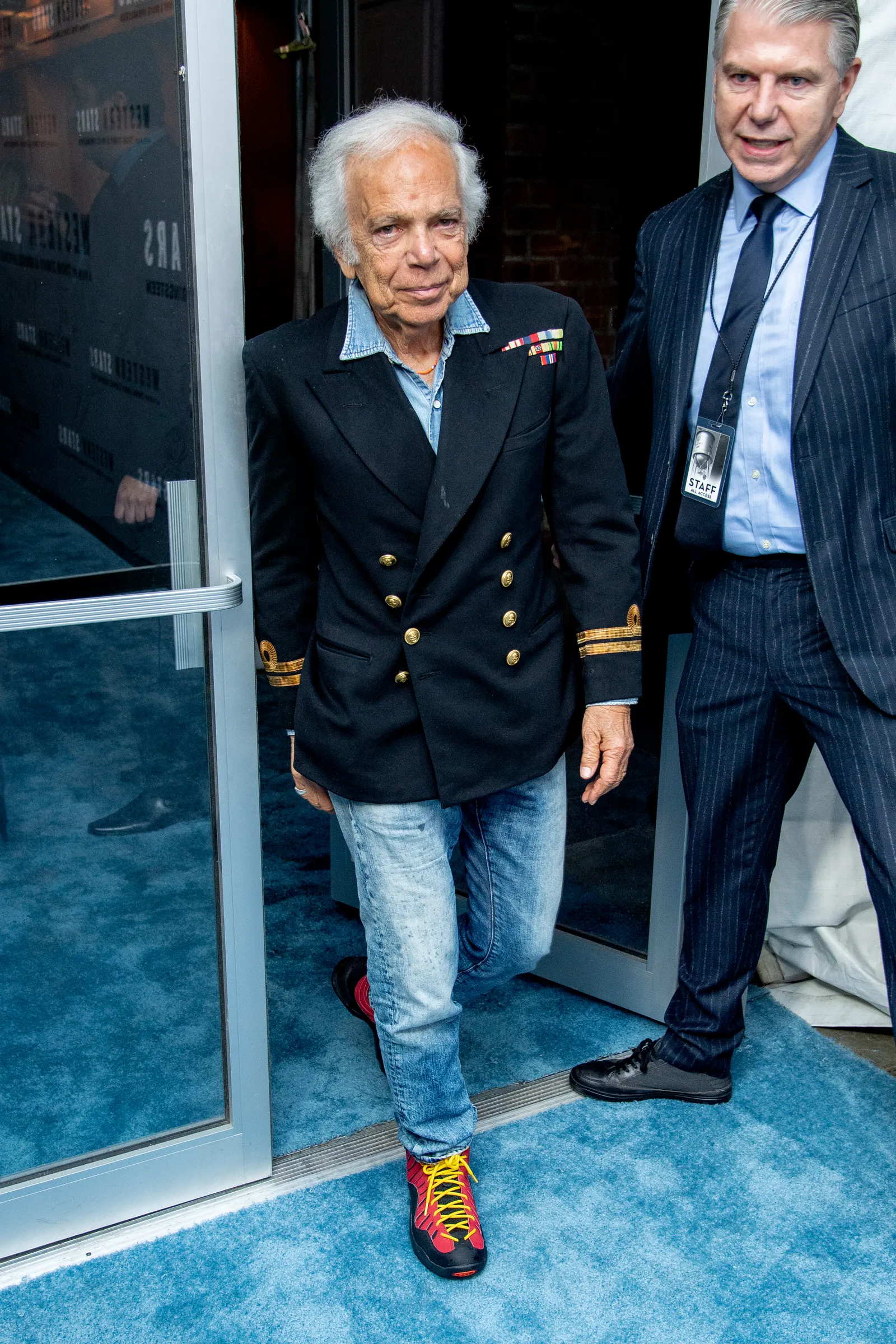
His wardrobe tends to revolve around a handful of dependable pieces, timeless classics: tailored navy and charcoal suits, white and blue dress shirts, Oxford shirts, chinos, denim, Shetland and cashmere sweaters, suede loafers, leather boots and beautifully made outerwear. He is particularly fond of classic American sportswear, but he mixes it with British tailoring and the occasional Western reference. A denim shirt might appear beneath a tailored jacket; a tuxedo might be worn with a deliberately informal attitude; a cable-knit sweater might sit over a button-down and tie.
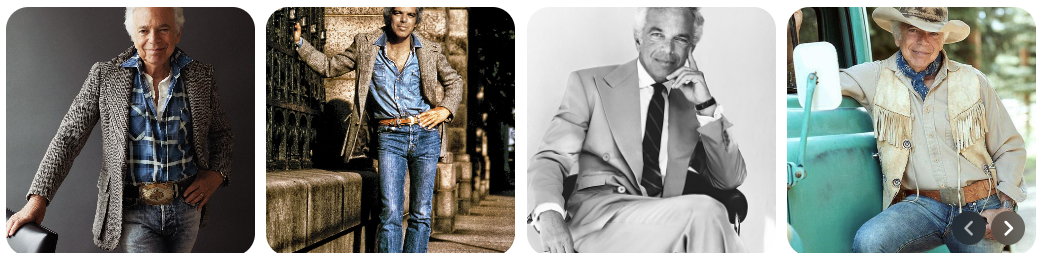
What makes Lauren distinctive is his ability to make expensive clothes look lived in. He is not particularly interested in the pristine, highly coordinated look that often comes with luxury dressing. His clothes have texture and character: worn denim, corduroy, tweed, suede, leather, flannel and weathered boots. Even when the clothing is exceptionally expensive, the effect is relaxed. It suggests that the wearer has owned the jacket for years rather than having had it delivered yesterday by a personal stylist. (In fact, many of the Polo Ralph Lauren photo shoots purposely patina (or age and wrinkle) the wardrobes for the shoots before the model ever puts them on, and U.S. Polo Assn. clothing also followed suit.)
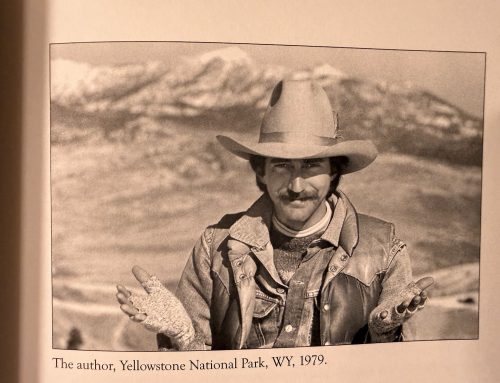
There is also a strong element of the American West in his personal wardrobe. Lauren has long worn Western shirts, cowboy boots, denim and rugged outerwear, particularly in connection with his Colorado ranch. But he approaches Western clothing through the eyes of a sophisticated collector rather than a working rancher. A beautiful Western shirt might be paired with tailored trousers or an elegant sport coat. The tension between refinement and ruggedness is part of the appeal.
His formalwear follows the same philosophy. Lauren is famous for his black-and-white evening clothes, particularly the dramatic black dinner jackets, tuxedos and white shirts he has worn for decades. But even his formal clothes tend to have a slightly old-fashioned, cinematic quality. He seems more interested in Fred Astaire, Cary Grant and classic Hollywood than in whatever happens to be fashionable on a red carpet that year.
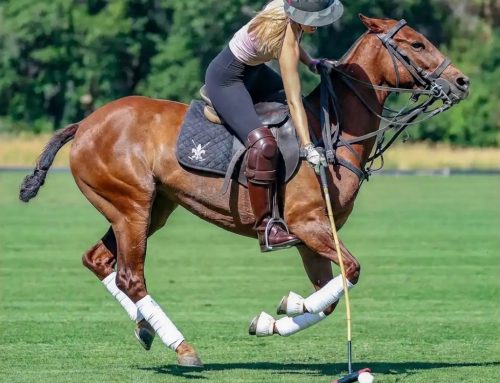
The larger lesson of Ralph Lauren’s style is timeless fashion, built around the classics. He has essentially been wearing the same vocabulary of clothes for fifty years. He doesn’t chase trends because his wardrobe is built around an imagined lifestyle rather than a season. The clothes suggest country houses, ranches, old cars, polo fields, sailing, New York restaurants and weekends in the mountains. Whether every detail of that world exists in exactly the way the clothes imply is almost beside the point. He created the world, then dressed himself as though he actually lived there. When asked by a cynical journalist after launching his Safari line and fragrance—upon the realization that he had never actually been to Africa—Ralph Lauren famously replied, “My Africa is better than Africa.”
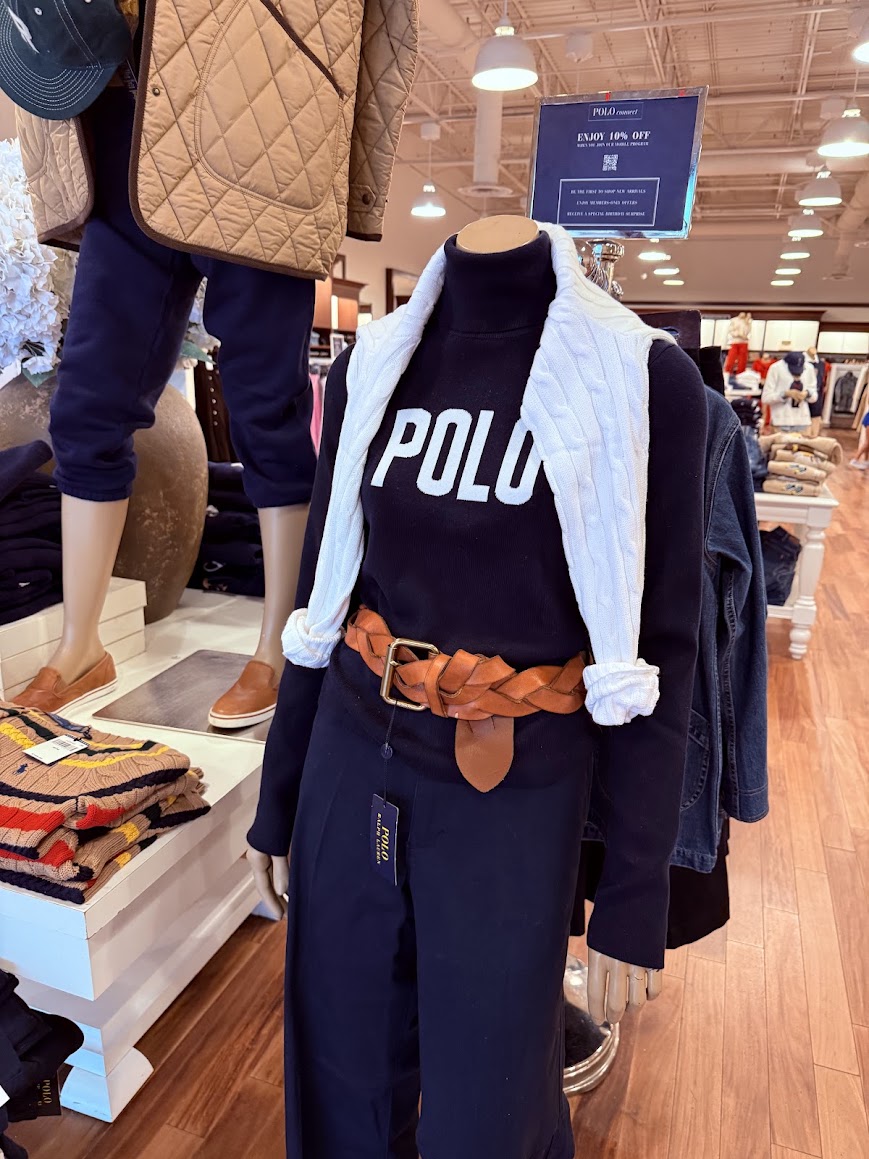
That is probably the most useful thing to steal from his style. It isn’t the RLPolo logo, the price tags or even the individual garments. It is the idea of developing a personal uniform around a life you genuinely enjoy. Lauren’s clothes work because they tell the same story over and over: classic, masculine, outdoorsy, slightly romantic and completely unconcerned with whatever everyone else is wearing. Timeless and classic, because those never go out of style.