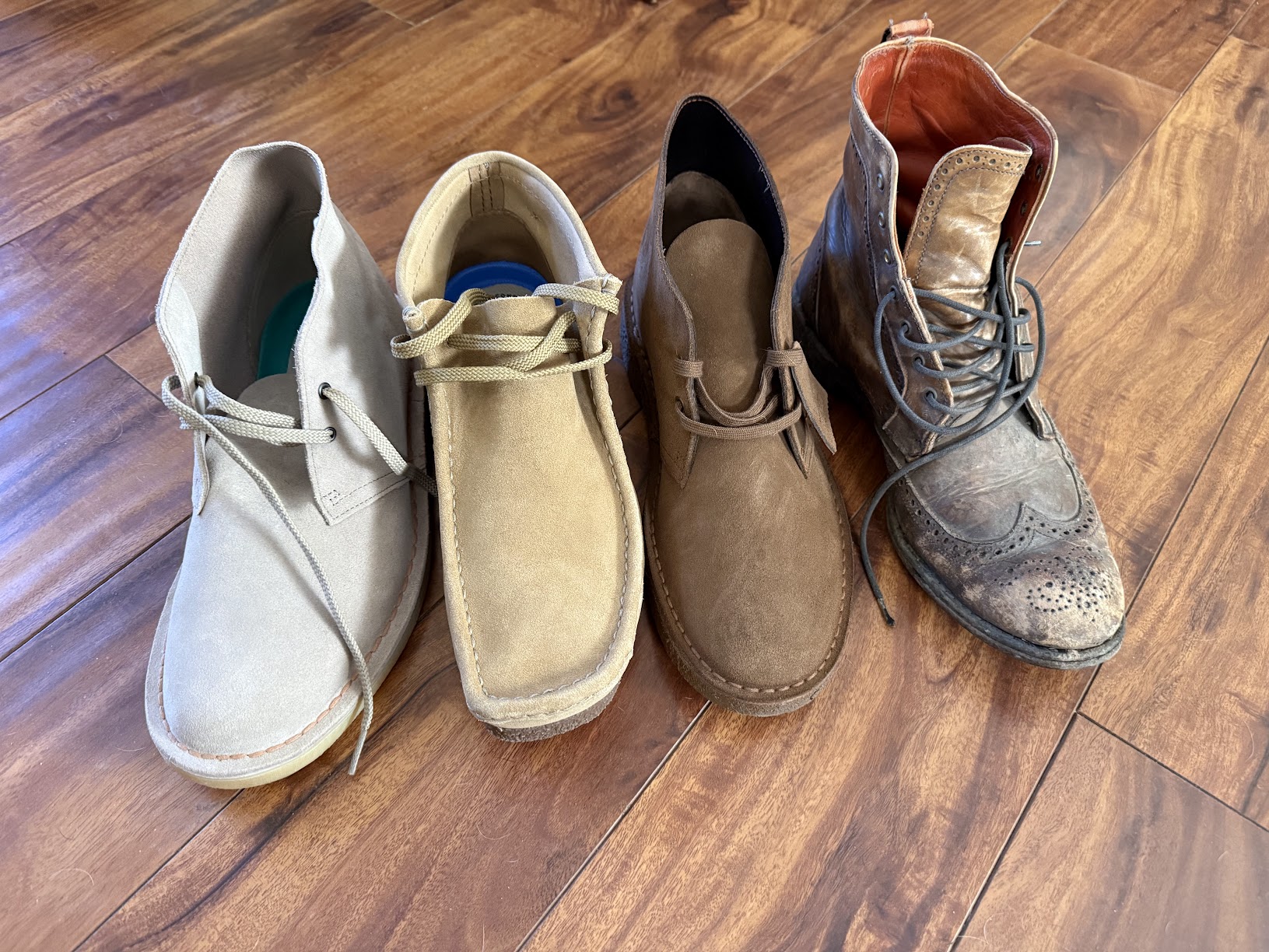
The Ankle Boot Masterclass: The Essential Guide to Chukkas, Jodhpurs, Paddocks, and Vellies
Ankle-high boots are the ultimate foundation of a refined, versatile footwear wardrobe. Born from the fields of equestrian sport, military utility, and rugged wilderness exploration, four iconic short styles have stood the test of time: the Chukka boot, the Jodhpur boot, the Paddock boot (and it’s sister boot the slip-on Chelsea), and the Veldskoen (Vellies). While they share a similar ankle-high silhouette, their distinct fastening methods, leather paneled construction, and structural personalities yield entirely different styling outcomes for differing conditions.
The Shared History: From Polo Fields and Stables to Global Fashion
All four styles trace their core lineages directly to equestrian activities, historical migrations, or the military, showcasing how functional utility transitions into everyday menswear.
- The Chukka’s Evolution: Borrowing its name from a period of play in a polo match, Western travelers took this lightweight, open-laced design back to Europe. During WWII, it famously evolved into the “desert boot” utilizing pliable crepe rubber soles. The Clarks Desert Boot was created in 1949 by Nathan Clark, a descendant of the Clarks shoe dynasty, while serving in the British Army in Burma. He was inspired by off-duty officers wearing rough suede, crepe-soled boots purchased from the Khan el-Khalili bazaar in Cairo, Egypt. Nathan Clark took the design—which was originally derived from South African veldskoen (“vellies”)—and made prototypes using newsprint. He brought the design back to England in 1946, but his family’s board initially rejected the idea, claiming it would never sell. Undeterred, Clark presented the boots at the 1949 Chicago Shoe Fair, where an Esquire editor featured the lightweight, durable footwear. The boot officially launched in 1950. It quickly transcended its military roots, becoming a global fashion staple adopted by offbeat casuals like the beatniks, sharp-suited Mods, and eventually cementing a legendary cultural legacy as a status symbol in Jamaica. Clarks hold an iconic, almost mythical status in Jamaica. Adopted in the 1960s by the “Rude Boys” and later immortalized by dancehall and reggae artists, the boots became a staple of island fashion. The brand even released this dedicated tribute to celebrate their deep-rooted cultural ties to the Caribbean. Read this great article in Vogue about Jamaica’s love for “the Desert Boot’s particular cocktail of dapper British gentility and commando roughness—not to mention its practicality in an urban, tropical milieu—making Clarks irresistible to the rudeboys of Kingston’s burgeoning concrete jungle. .
- The Jodhpur’s Evolution: Named after the Indian city where polo players needed a streamlined alternative to bulky, knee-high riding boots, its strap-and-buckle profile quickly caught the attention of European aristocrats. It moved seamlessly from stables to city streets as an emblem of understated luxury.
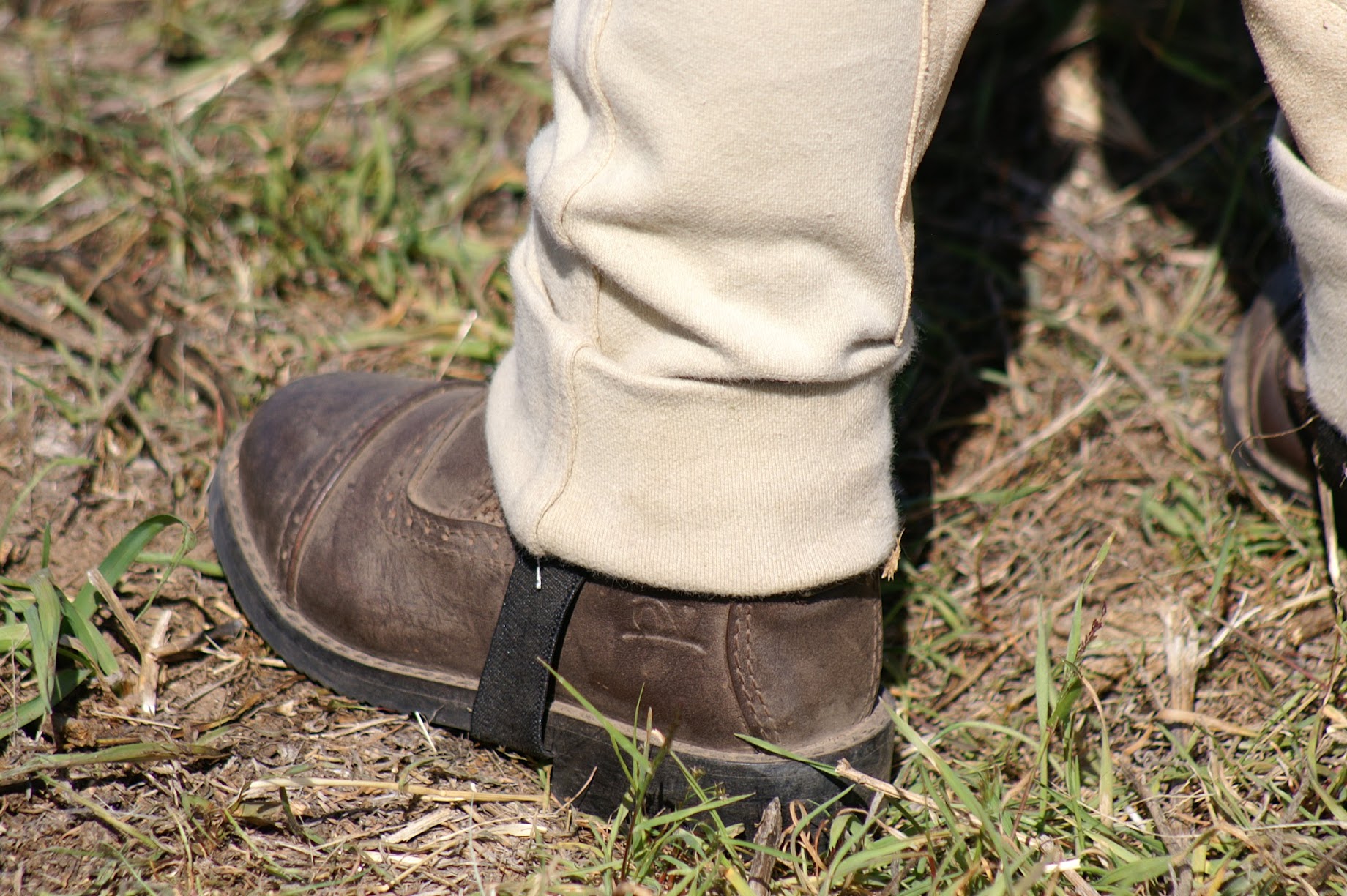
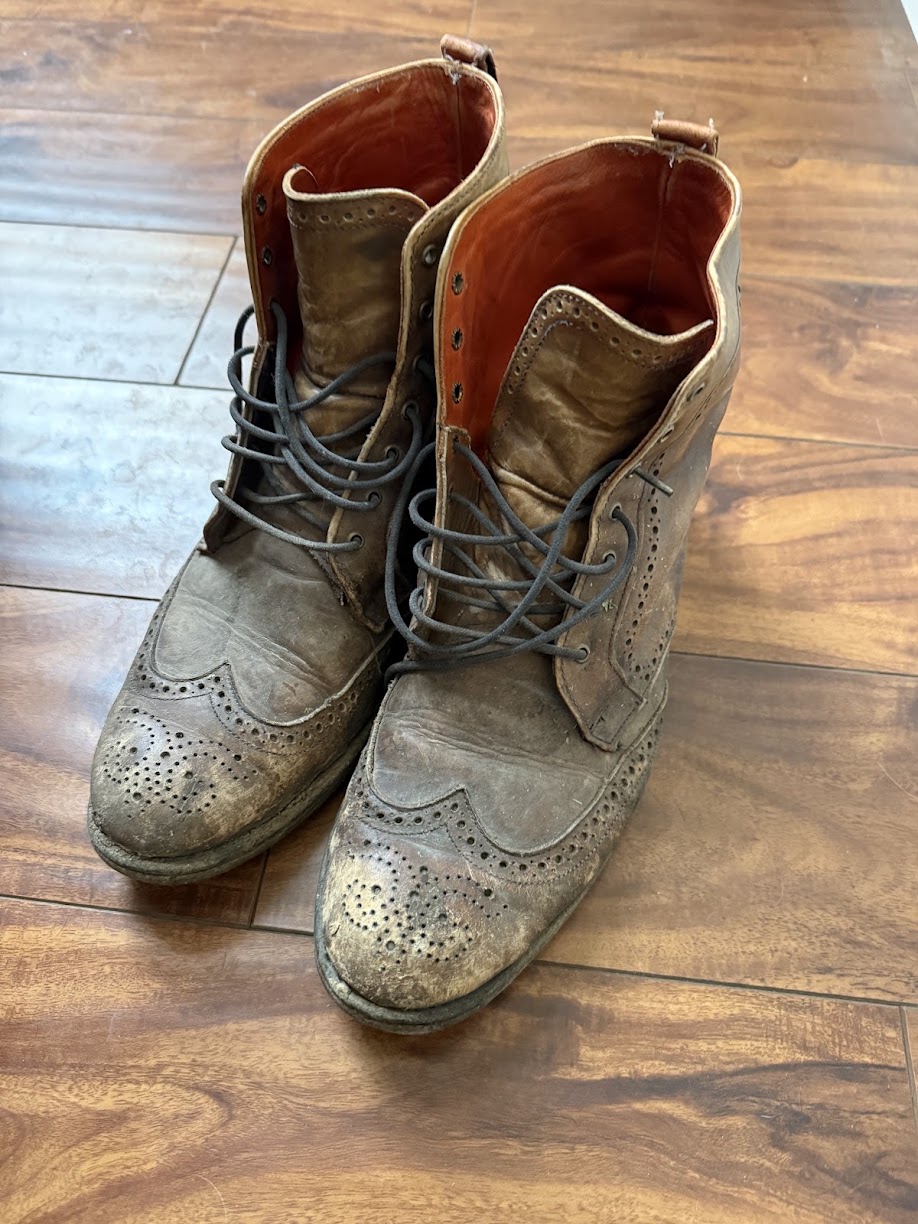
- The Paddock’s Evolution: Unlike Jodhpurs, which were designed for riding and post-match socializing, Paddock boots were historically engineered as tough, protective footwear for daily ground work inside the horse paddock or stable. Over time, they became the ultimate utilitarian cousin in the ankle boot family. There is also the slip-on Chelsea boots which are slip-on boots featuring elastic side panels and a rear pull tab. Chelsea boots offer a sleek, close-fitting profile that can easily be dressed up for business casual or even paired with modern suits. Some paddock boots have evolved to designs like the Allen Edmonds McAllister Wingtip Oxford Dress Boot, which is a formal dress shoe/boot, which can also double as a paddock boot. We love these.
- The Veldskoen (Vellies) Evolution: Pronounced fell-skoons, these legendary southern African ankle boots date back to the 17th and 18th centuries. Originally popularized by Afrikaner settlers, they were heavily inspired by the traditional rawhide footwear of the indigenous Khoisan peoples. Built to withstand the harshest desert terrains, their reputation for extreme durability eventually inspired Nathan Clark to create the modern desert boot after encountering them during WWII.
- An aside on the American solution to the debate—Hush Puppies. Hush Puppies start with the brand’s origin story, when they were introduced in 1958 by Wolverine World Wide in Rockford, Michigan, Hush Puppies began with an innovation in pigskin suede, a new material that they were trying to find additional markets for using. Originally intended for military gloves, the leather proved soft, lightweight, flexible, and naturally resistant to water and stains. Rather than forcing it into the demanding work-boot market, Wolverine turned it into something new: a casual shoe built for comfort. The name was just as memorable as the shoe itself. At a time when stiff dress shoes left feet aching—what people often called “barking dogs”—the company borrowed a bit of Southern folklore. Hush puppies, the fried cornmeal side dish, were said to quiet barking dogs, and the brand liked the idea of a shoe that could do the same for tired feet. The basset hound logo sealed the concept, giving Hush Puppies an identity rooted in ease, warmth, and laid-back style. The timing was perfect. As postwar America embraced suburban life and more relaxed dress, Hush Puppies arrived as an alternative to hard-soled formal shoes. Their soft suede uppers and crepe soles helped redefine casual footwear, and by the early 1960s the brand had become a phenomenon. Hush Puppies were worn by everyone from the Beatles and David Bowie to British royalty, turning a simple comfort shoe into a cultural staple. After a sales slump in the 1980s, the brand found new life in the 1990s, when vintage-inspired style and downtown fashion gave classic Hush Puppies silhouettes a second act. The revival pushed the brand back into the spotlight and helped cement its reputation as more than a nostalgic favorite. Today, Hush Puppies remains a global lifestyle brand sold in more than 120 countries. What began as an inventive use of pigskin suede has evolved into one of the most recognizable names in casual footwear—still built around the same idea that launched it in 1958: shoes that feel easy from the very first step.
Anatomy and Key Distinctions
Understanding the architectural differences between these four boots is key to knowing when and how to wear them.
The Chukka Boot
- Fastening System: An open-lacing system with exactly two or three pairs of eyelets.
- Construction: Typically structured like a Derby shoe, utilizing minimal leather panels.
- Vibe: Classic, relaxed, and understated.
The Jodhpur Boot
- Fastening System: A signature, single strap that wraps entirely around the ankle and fastens with an adjustable metallic buckle.
- Construction: Features a smooth, uninterrupted vamp—often crafted from a single piece of premium leather.
- Vibe: Sleek, formal, and avant-garde.
The Paddock Boot
- Fastening System: Traditionally laced entirely up the front, though modern iterations often feature a heavy-duty front or dual side-zipper for convenience.
- Construction: Features a distinct toe cap panel (often decorated with brogue perforations), a heavily structured ankle shaft for support, and an exposed 1 to 1.5-inch riding heel.
- Vibe: Rugged, utilitarian, and explicitly detailed.
The Veldskoen (Vellies)
- Fastening System: An ultra-simple open-lacing setup, historically requiring just two eyelets and raw leather laces.
- Construction: Characterized by raw, external stitchdown construction where the upper leather flaps outward and is stitched directly down to a wide midsole. They traditionally utilize supple vegetable-tanned game hides or kudu suede with zero interior lining.
- Vibe: Raw, authentic, and ruggedly casual.
| Feature | The Chukka Boot | The Jodhpur Boot | The Paddock Boot | The Veldskoen (Vellies) |
|---|---|---|---|---|
| Material Profile | Soft suedes, calfskin, or rugged pull-up leather. | High-shine calfskin, full-grain leather, or fine velvet-nap suede. | Smooth, thick cowhide, stiff box-calf, or oiled weatherproof leather. | Sturdy kudu suede, unlined raw hides, or heavy-grain field leather. |
| Sole Type | Leather or casual crepe rubber soles. | Classic leather or low-profile dress rubber soles. | Rigid, thick rubber or leather soles with high-traction treading. | Heavy-duty, colorful injection-molded rubber or thick raw crepe. |
| Formality | Casual to Smart-Casual. | Smart-Casual to Formal. | Workwear, Casual, to Outerwear. | Strictly Casual / Outdoor Heritage. |
Craftsmanship and Quality Indicators
A superior boot is defined by how it is constructed. If you are looking to invest in a pair that lasts a lifetime, look for these hallmark shoemaking techniques:
- Goodyear Welting: A process where a strip of leather (the welt) connects the upper to the insole, with the outsole stitched directly to the welt. This builds a highly water-resistant seal and allows the boot to be easily resoled by a cobbler over and over again.
- Blake Stitching: A sleeker method where the upper is stitched directly to the outsole from the inside out. This provides incredible out-of-the-box flexibility and an ultra-slim, close-cut silhouette.
- Stitchdown Construction: The foundational method for Vellies. The upper leather flares outward along the edge and is stitched flat onto the sole unit. This prevents dirt, dust, and desert sand from seeping through the seams into the footbed.
How to Style Chukkas, Jodhpurs, Paddocks, and Vellies
The choice of trousers and color choices dictates how effectively you pull off each boot style.
The Chukka Boot Styling Guide
Chukkas are the undisputed kings of the Business Casual Dress Code.
- Casual Comfort: Pair a sand-colored suede chukka or desert boot with pinrolled dark denim and a structured polo shirt.
- The Smart-Casual Standard: Dark chocolate brown suede chukkas blend perfectly with gray flannel trousers, corduroys, or chinos.
The Jodhpur Boot Styling Guide
Jodhpurs add a sharp, intentional edge that can substitute for standard Oxfords.
- Formal Power Move: Pair a highly polished black calfskin Jodhpur boot with a slim-cut, charcoal or navy business suit.
- The Trouser Rule: Ensure your trousers are tailored with a slim silhouette and little-to-no break. This allows the fabric to drape neatly over the ankle, beautifully showcasing the signature side buckle without awkward bunching.
The Paddock Boot Styling Guide
Paddock boots require styling that embraces their working-class, heritage roots.
- The Rugged Aesthetic: Pair deep brown or black leather paddock boots with heavier fabrics like raw selvedge denim, thick wool socks, or heavy canvas work pants.
- The Silhouette Trick: Because paddock boots have structured, thicker ankle shafts, they do not pair well with skin-tight trousers. Opt for straight-leg or relaxed-fit pants that sit comfortably over the top of the boot shaft without stretching out the fabric.
The Veldskoen (Vellies) Styling Guide
Vellies are anti-formal boots designed for robust utility and relaxed, effortless style.
- The Bushveld Vibe: Embrace their roots by styling tan or safari-brown Vellies with lightweight linen shirts, canvas utility jackets, and khaki shorts or rolled chinos.
- A Pop of Color: Modern African Vellies are famous for showcasing vibrant, high-contrast rubber soles or matching colorful laces (such as electric blue or bright red) paired against natural, un-dyed earth-tone suede hides. Use them to make a bold statement on laid-back weekends.
- Sock Strategy: Because they are wide-fitting and unlined, wear them with medium-to-thick marled cotton socks to fill out the shoe and maximize walking comfort on rugged trails.
Longevity and Care
To preserve your footwear investment, follow these essential maintenance protocols:
- Protect Your Suede: Always coat suede variants with a premium water-repellent spray before taking their first steps outside.
- Combatting Scuffs: Keep a dedicated horsehair brush and a suede eraser handy to lift surface dirt and revive the natural velvet nap.
- Heavy Weather Maintenance: Because paddock boots and Vellies face harsher conditions, regularly strip muck and trail acids using glycerine saddle soap, followed by a heavy coat of mink oil or waterproof leather conditioner to keep the hide from drying or cracking.
If you want to tailor this article even further, let me know:
- Should we include a buying guide specifically pointing to authentic South African Vellies brands (like Veldskoen Shoes or Herbert Schier)?
- Would you like to expand the styling section with a deeper dive into unorthodox trouser fabrics like moleskin or heavy tweed?
- Do you want to format this with specific metadata headers for an SEO-optimized blog entry?
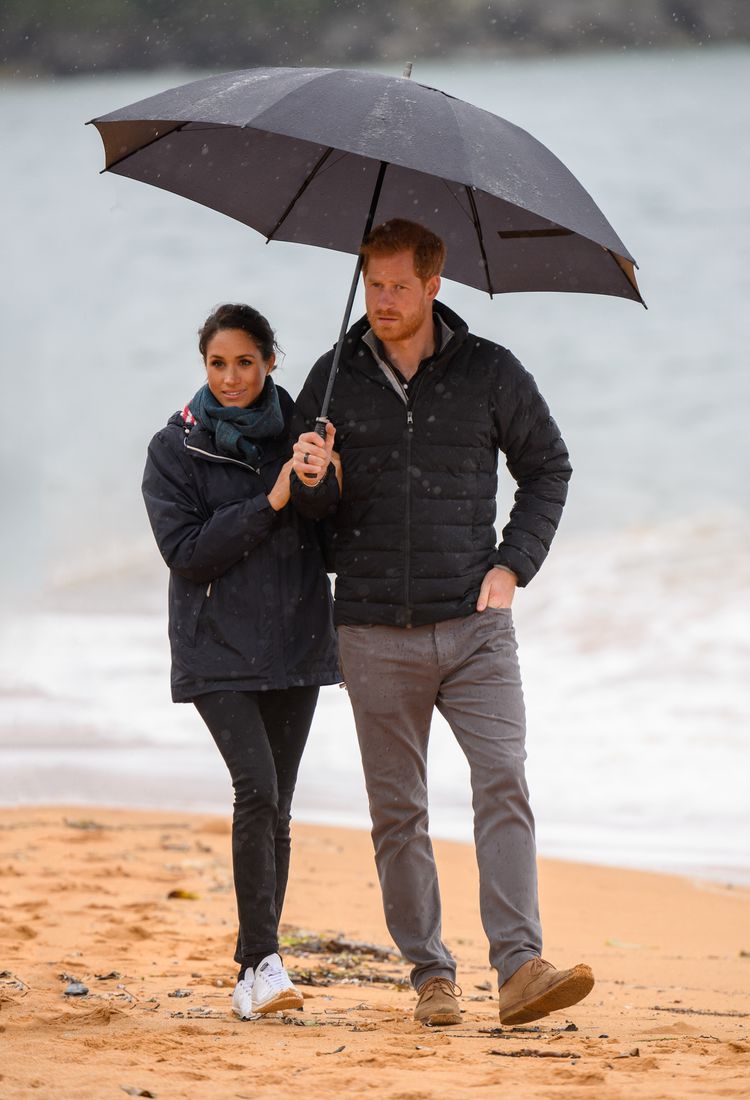
During their beach walk at Abel Tasman National Park, Prince Harry wore his go-to “Dakar” suede chukka boots from the premium British footwear brand Russell & Bromley. They are classic, tan-colored desert boots made of soft suede with a durable crepe sole, which made them a practical but casual choice for walking on the damp sand. These chukkas are a well-documented favorite of Prince Harry’s. He has worn them frequently on official tours, often pairing them with navy chinos or grey jeans for a smart-casual outdoor look.