The ethical questions surrounding the pursuit and consumption of game can be complex, but there is no denying the excitement of the flavors and textures found in wild animals. Something about the untamed nature of their habitats is reflected in their taste—a distinct “gaminess” that sets them apart. Diet plays a role, whether the animal feeds on wild grains, grasses, grubs, insects, or berries, but so does the physical reality of life in the wild. Game animals must constantly expend energy avoiding predators, resulting in leaner, denser muscles, particularly in the breasts and wings. Exercise may, in fact, be the defining factor in what we describe as gaminess.
“Game” refers to birds and mammals hunted both for sport and for the table. Only a small proportion of this meat is truly wild, and these animals are generally regarded as the most sporting. Managed shoots and reared birds are secondary to truly wild species—such as ducks, geese, and upland grouse—that largely resist raise-and-release efforts. This is not a judgment on their value in the kitchen, where game, wild or managed, offers something wholly distinct from the ordinary. Ultimately, the consumer must answer two questions: do I want to participate in the sport known as hunting, and do I want to support it by purchasing its end product?
In this respect, hunters are not so different from those who choose only organically sourced foods at places like Whole Foods. The goal is the same: organic, free-range vegetables and meats. I eat game with pleasure not because it is a God-given right, but because it represents good husbandry. Through our engagement with the wild—or semi-wild—we remain connected to the land. Our lives are intertwined with the lives of the animals we pursue, and the concept of husbandry remains entirely appropriate. We manage their habitats, knowing that if we take all the birds this year, there will be none the next. We do not seek to dominate nature, but to respect its rhythms and limits.
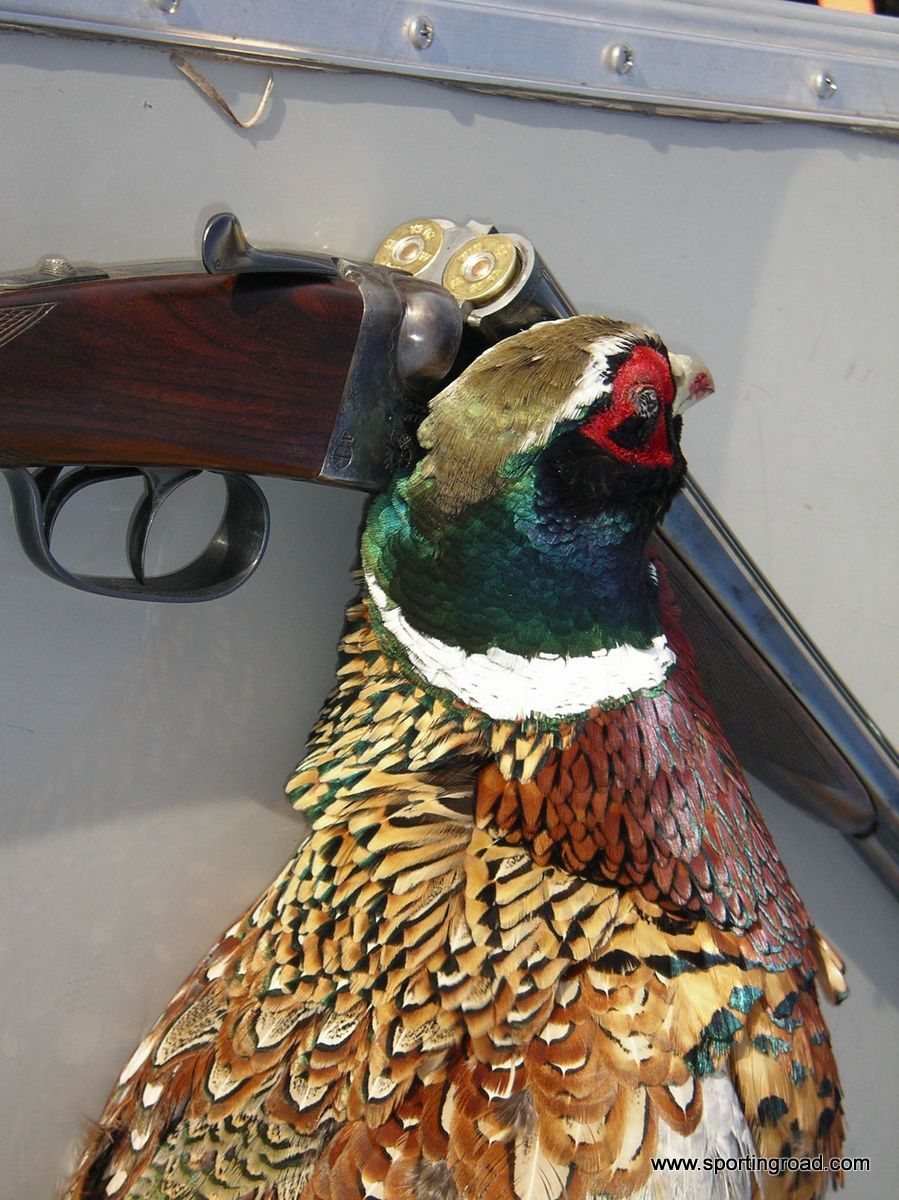
As hunters, we are farmers of a kind—whether the harvest is crops, birds, cattle, or chickens. We manage landscapes and natural habitats for the benefit of game species, directly through land stewardship and indirectly through license fees and conservation funding. Preservation efforts are often undertaken specifically for the species we hunt, with many other plants and animals benefiting incidentally. This environmental stewardship should weigh heavily in any ethical evaluation of hunting and eating game. Species such as ring-necked pheasants, and the wild landscapes they inhabit, would scarcely exist without hunters.
Moreover, a truly wild animal, dispatched cleanly with a single shot, likely suffers less than the animals wrapped in plastic at the grocery store. Such game is taken with care—both in the kill and at the table—because effort has gone into gathering it. It is much like the difference between carrots grown in one’s own garden and those forgotten and rotting in the refrigerator. No one who has gathered their own food allows it to be wasted. Game is free of chemicals, never factory-farmed, and treated with respect.
Even husbandry-raised game offers the best of both worlds: carefully monitored breeding, high survival rates, and protection from predators and disease. Compared to factory-farmed chickens, it is an appealing alternative. Hunting and fishing demand real skill—skills developed through deep interaction with the landscape, through encounters with plants, animals, and seasons. The reward is not merely the kill, but the pleasure of preparing the harvest with the highest culinary care one can offer.
The hunting I value most is an adventurous form of food gathering, not a social or corporate event. It is a rough shoot in the wild, enriched by the added benefits of foraging, and grounded in a respectful relationship with the land.