The Difference between Pure Silver, Sterling Silver, Coin Silver, Junk Silver, and Silver Plating
Technically, silver is a metallic chemical element whose chemical symbol is Ag (Argentum) and whose atomic number is 47. It is a precious metal that is used to make jewelry, tableware (silverware), and coins, among other things. It also has many other uses which we will discuss in future posts.
The millesimal fineness system is used to show the purity of silver, gold, and platinum alloys by parts per thousand of pure metal by mass in the alloy. For example, if an alloy contains 92.5% silver, it is referred to as “925.”
Fine silver (99.9% pure) is too soft to use in jewelry or almost anything else because it bends, breaks, and stretches too much. For this reason, manufacturing jewelers and silversmiths mix copper with it to give it some strength without discoloring it. Copper is the industry standard. However, some countries use other alloys as well.
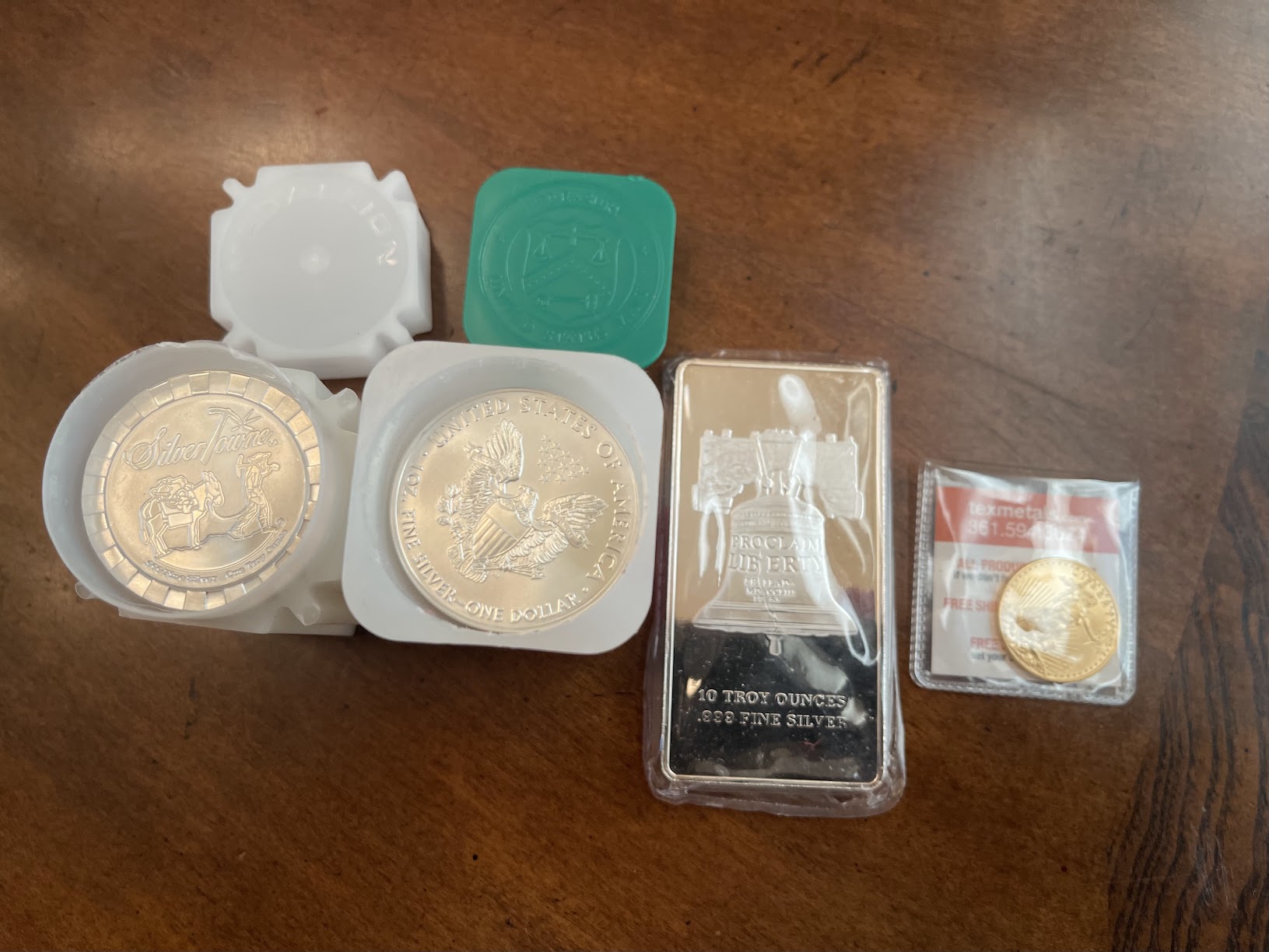
When you see “.999 fine silver” or “999” stamped on an item, it is considered pure silver. It is softer and more malleable than sterling silver. It is used in bullion bars, and is also known as three nines fine.
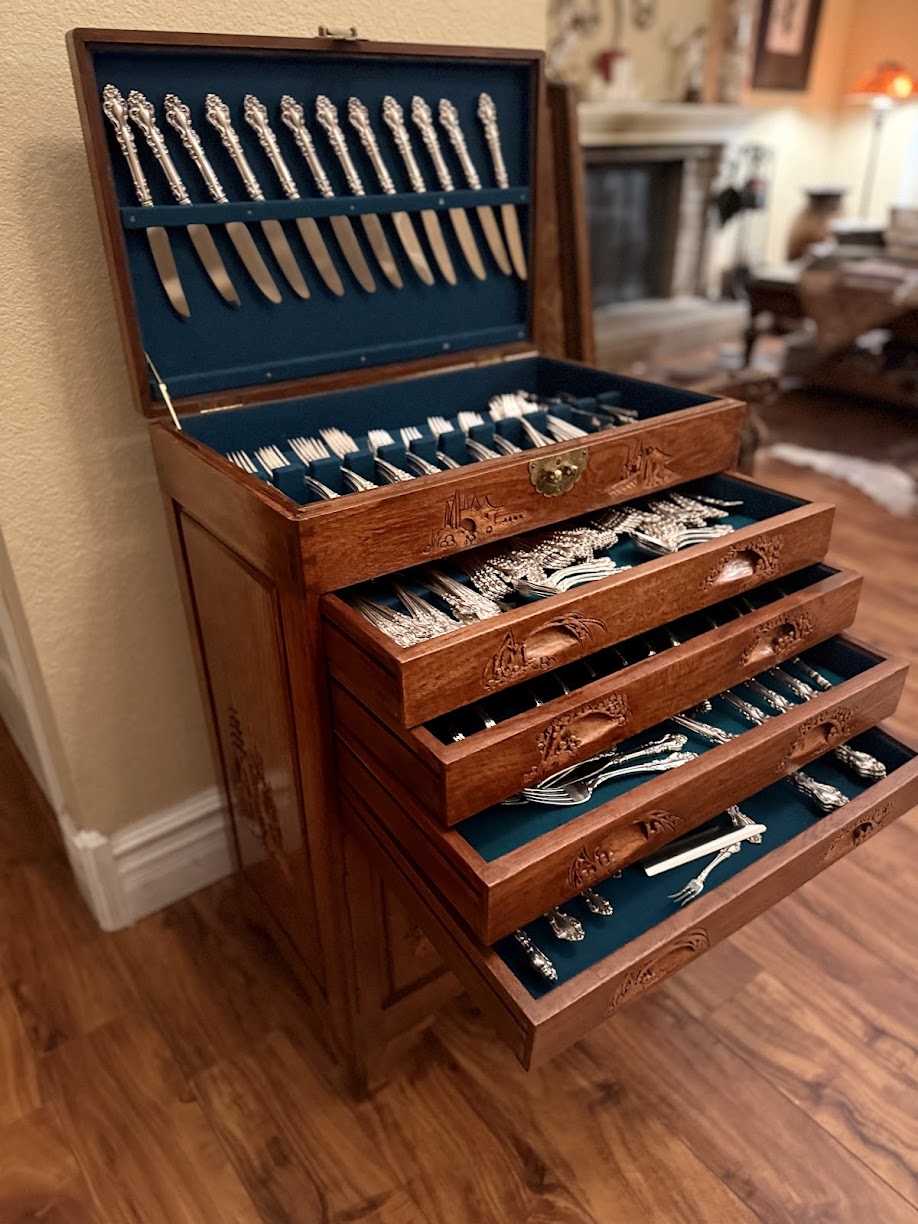
Sterling silver (also known as standard silver) is what jewelry and silverware are traditionally made from, which is 92.5% silver and 7.5% copper. That is why you sometimes see .925 stamped on your jewelry. In the U.S., only a minimum of 92.5% fine silver can be marketed as “silver.”
Sterling silver jewelry is often plated with a thin coat of .999 fine silver to give the item a shiny finish (called “flashing”). Silver will tarnish unless an anti-tarnish coat is added. Rhodium is sometimes used for this thin coat because it is very shiny and never tarnishes. However, rhodium is a very expensive option compared to the silver finish.
Coin silver is an alloy of 90% silver and 10% copper. Therefore its millesimal fineness is 900, also known as one nine fine. Most United States silver coins are made of coin silver.
Junk silver is an informal term used in the United States, United Kingdom, Canada, and Australia for any silver coin which is in fair condition and has no numismatic or collectible value above the bullion value of the silver it contains. Such coins are popular among people seeking to invest in silver, particularly in small amounts. The word “junk” refers only to the value of the coins as collectibles and not to the actual condition of the coins. Also, junk silver isn’t necessarily scrap silver.
A silver-plated item has a thin coating of silver deposited onto a base metal which has a lower value than silver. Once used as plating, silver cannot be easily recovered, so it is of no value to those who are accumulating silver as an investment. EPNS means electroplated nickel-silver and is sometimes stamped on silver-plated items.
Silver: Coin, German & Otherwise
Up front, we are talking about three hundredths of one percent between sterling and coin.
In her 1936 pamphlet on Navajo silver, Margery Bedinger gives three lengthy paragraphs—half a page—to explaining the difference between sterling silver and coin silver. She states, “This difference is too small to greatly affect the properties of the alloy…” (1936:15) Having said that, she spends two and a half more paragraphs discussing the two different alloys. But she asserts that the difference is “…a fact that becomes significant when one is trying to date an old piece of jewelry, for the two sorts of money have different colors and take on a different luster when made up and so can easily be distinguished by the expert.” (1936:16)
John Adair, writing just a few years later, claims that the actual working of the silver, like annealing, will affect color. He concludes, “Therefore, individual pieces can never be dated accurately on the basis of color.” (1944:29)
It is true, however, that silver and nickel oxidize differently. Nickel turns skin green, silver turns black, and nickel seems to oxidize faster. But immediately after buffing it is difficult to tell them apart. I use the sound method—nickel has a tinny sound when dropped on a glass display case. Most writers simply add to the confusion: Mexican pesos were supposedly purer silver and thus easier to work. According to coin dealers this is not true: Coin silver was almost the same in both countries (U.S. .900, Mexico .903) until the Mexican Revolution of 1910 when Mexican coins gradually contained less and less precious metal. It is also known that Navajo smiths commonly added a few pennies to melted silver to stretch it out a little, which would turn sterling into coin silver or worse. Many dealers claim they can tell coin silver from sterling at a glance, but considering the diverse practices, and very small difference in purity of various coinages, this seems very unlikely. Most people can’t tell nickel from silver and don’t know that German silver contains no silver at all. None. Nor does the deceptively named Nickel silver. No silver.
Adapted from:
Perry Null Trading Newsletter and www.goldenstatemint.com