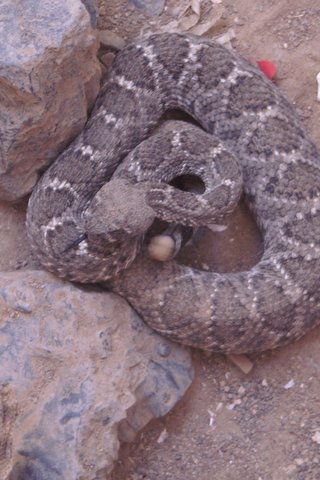
We had quite a Colorado adventure at the mounted foxhunt yesterday. It was at a different more rural fixture, where there are few gates, and no cell phone or internet. We only hunt there once a year, so it is also easy to be a little off on directions. And there was only 8 in the field. We were a long way from the trailers and Lauren and I had just asked permission to leave the field (“go home early,”) when her pony, Snickers, took a stumble. Then we heard the rattle.
Snickers got bite by a Western diamondback rattlesnake. We thought he just stepped on the snake as it slithered off, rattling. But then Snickers went to raising his foot and was immediately lame and after 30 minutes of trying to hand walk him back, he couldn’t move, could barely breathe, and was really close to dying. We were still a long way from the trailer. Luckily, I was able to back to him with the trailer, as our daughter bravely waited by herself. I encourage all horse owners living in the West to read this article, so you can know what to do a little better than we did, but I figured that a tourniquet, sucking the venom out, and/or lacerating the wound were all out of date recommendations, as I knew they were for bird dogs. He is doing well, following his antivenin and is expected to make a full recovery, following his antibiotics and other treatments. Read the article please, it might help save your horse. I was surprised at how severe a reaction it was, as I heard that horses getting bitten in the leg were not that big of a deal. It was a major deal. He remains in the hospital for two more days. The antivenin medicine alone was $2500, plus the three days hospital will make for an $8000 veterinary bill. Yikes!
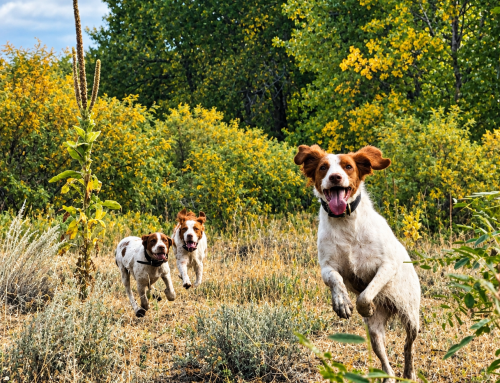
We train our bird dogs on rattlesnake avoidance, but what to do for a horse bitten by a rattlesnake?
http://casperjournal.com/news/article_ddec493a-3d8f-5b21-b11e-55ab65a1b368.html
http://www.horsekeeping.com/Horse_Newsletter/September_2009.htm


Snake Country: A Little Caution Goes a Long Way
Colorado’s foothills and open country are home to some of the best hiking, hunting, and bird dog country anywhere—but they also happen to be prime rattlesnake habitat. Most encounters end with the snake disappearing into the brush. Occasionally, however, a chance step over a rock or log can change an ordinary day into a medical emergency.
The good news is that serious outcomes are uncommon when you stay calm and get medical help quickly. The key is preparation. Know you’re entering snake country, pay attention to where you place your hands and feet, and resist the temptation to step blindly over rocks, logs, or thick vegetation. Give snakes room to escape, keep dogs under control, and remember that a rattlesnake may never rattle before striking.
If you’re bitten, don’t try to be a hero. Call 911 immediately, remain as still as possible, and wait for emergency responders. Modern antivenom and rapid emergency care have dramatically improved outcomes, but time matters.
Rattlesnake Safety Checklist
Before You Go
- ☐ Know if rattlesnakes live in the area you’ll be visiting.
- ☐ Carry a fully charged cell phone.
- ☐ Let someone know where you’ll be hiking or hunting.
- ☐ Wear sturdy boots and long pants.
- ☐ Carry a basic first-aid kit.
On the Trail
- ☐ Watch where you place your hands and feet.
- ☐ Step on top of logs and rocks before stepping over them.
- ☐ Stay on established trails whenever possible.
- ☐ Keep children close.
- ☐ Keep dogs under control.
- ☐ Give any snake plenty of space.
If You See a Rattlesnake
- ☐ Stop immediately.
- ☐ Back away slowly.
- ☐ Allow the snake an escape route.
- ☐ Never attempt to handle, kill, or harass it.
If You’re Bitten
- ☐ Call 911 immediately.
- ☐ Stay calm and limit movement.
- ☐ Keep the bitten limb at about heart level.
- ☐ Remove rings, watches, or tight clothing before swelling begins.
- ☐ Wait for emergency responders if instructed.
- ☐ If it can be done safely, take a photo of the snake for identification.
Never Do These Things
- ☐ Do not cut the wound.
- ☐ Do not try to suck out the venom.
- ☐ Do not apply a tourniquet.
- ☐ Do not apply ice.
- ☐ Do not attempt to capture or kill the snake.
- ☐ Do not delay seeking emergency medical care.
This can easily be adapted into a sidebar, field card, or one-page printable suitable for a hunting or outdoor magazine.