
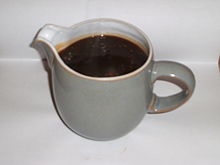
Homemade Gravy with Giblets
Remove bits from turkey. Place liver in the refrigerator for now.
Place neck, heart and gizzard in a large skillet.
Add water.
Add black peppercorns, bay leaves, together with chopped celery, carrots and onions.
Boil 2 hours, then add liver for last 15 minutes.
Take meat out, chop up and pull skin off of neck.
Take meat, skin and remaining mixture from the pan (after removing bay leaves) and blend well together with drippings from the turkey pan. In skillet, slowly add drippings from turkey pan whisking and adding flour to brown and thicken together with salt and pepper, and then slowly add mixture from blender to the pan.
Some chefs swear by adding a little Worcestershire sauce to the gravy as a secret weapon, calling it “a must—it really opens up the flavors and adds a full-bodied punch,” noting that just a dash can bring zest and complexity to any gravy.
Once you’ve nailed that rich, umami-packed base, culinary experts suggest adding a touch of acidity to elevate the flavour even further. A splash of balsamic vinegar, apple cider, or white wine can do the trick—but go easy to keep the gravy balanced.
For the perfect finish, I also recommend whisking in “a knob of butter” just before serving to achieve “a silky smooth texture and delicious buttery taste.”
ALTERNATE VERSION (WITHOUT PAN DRIPPINGS OR GIBLETS):
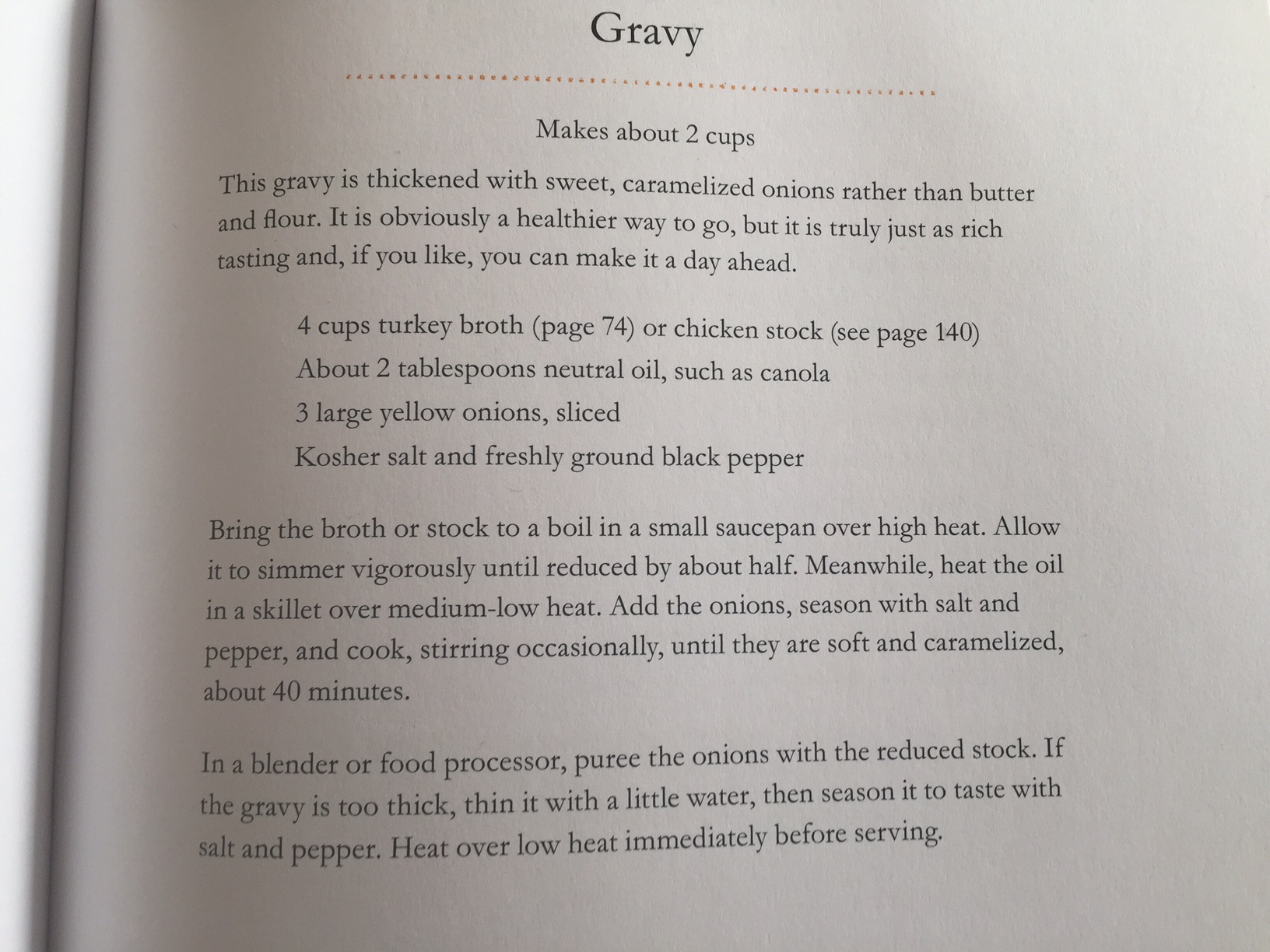
VEGETARIAN GRAVY (No drippings necessary)
Here’s how to make Curry Block Gravy
Start by combining 2½ cups water in a small saucepan with a few sprigs of rosemary and thyme, and a splash each of soy sauce and vinegar. (My favorites here are apple cider vinegar or unseasoned rice vinegar.) Bring it to a rolling boil, then turn down the heat and let simmer for 2–3 minutes.
Remove and discard the rosemary and thyme, then plop in 1 Japanese curry block. Thoroughly whisk until there are no lumps, and the gravy is smooth and silky. Serve immediately or cool and refrigerate for later; you can make this a few days ahead and reheat gently, whisking to restore its smoothness.
Whether drizzled over mashed potatoes, poured generously over roasted brussels sprouts, or served alongside plant-based meat alternatives (we see you, Tofurky loyalists), this vegetarian gravy ensures no one feels left behind at the holiday table.
Final Version with Wondra (no clumping) Flour
Here’s a polished and engaging rewrite of your piece that keeps the same information but improves flow, clarity, and readability:
Why You Should Use Wondra Flour for Perfect Gravy
Gravy often feels like the most intimidating part of Thanksgiving dinner. While you can make it ahead of time, it’s best when prepared right after the turkey comes out of the oven to rest. But if you’ve ever hosted Thanksgiving, you know that’s exactly when the kitchen fills with hungry guests and chaos begins. That’s where Wondra flour comes in to save the day.
Wondra, a product from Gold Medal, is known as instant flour. It’s finely ground, pre-cooked, and dried, which means it dissolves smoothly into liquids without clumping—unlike all-purpose flour. It also thickens more quickly, so you don’t have to cook it as long. And if your gravy turns out too thin, you can whisk in more Wondra on the spot to reach your perfect consistency—no risk of that raw-flour taste.
How to Make Gravy with Wondra Flour
With these tips (and Wondra on your side), you’ll breeze through gravy-making this year. Take a deep breath—remember, it’s all gravy.
- Skip separating the drippings.
Don’t bother trying to divide the fat and juices—it’s unnecessary. All that flavor in the bottom of your roasting pan is gravy gold. Place a fine-mesh strainer over a skillet and pour in all the drippings. Depending on how fatty your drippings are, you may need to add a bit of butter—about ¼ cup usually does the trick. - Warm the fat and deglaze the pan.
Set the skillet over medium heat to warm the fat. Meanwhile, pour a splash of wine or stock into your roasting pan and scrape up all the browned bits (fond) stuck to the bottom—this adds tons of flavor. Strain that liquid into a separate bowl and set it aside. - Whisk in Wondra.
Once the fat is sizzling, whisk in ¼ cup of Wondra flour. Watch how smoothly it blends in—no lumps! You can add up to ½ cup if you want a thicker gravy, but start small. Whisk for a few minutes until well combined, then cook for about two minutes, until it smells slightly nutty. - Add stock and simmer.
Whisk in your reserved pan liquid along with two cups of stock. Bring it to a boil, then reduce to a simmer. Cook until your gravy reaches your desired consistency—add more stock to thin or more Wondra (½ tablespoon at a time) to thicken. - Season and balance.
Taste and season with salt and pepper. If your gravy ends up a bit salty, brighten it with a squeeze of lemon juice or a splash of good vinegar.
With Wondra flour, you’ll get silky-smooth, flavorful gravy every time—no lumps, no stress, and no last-minute panic.
Leave A Comment
You must be logged in to post a comment.