There is an older Maui hiding just beyond the beaches. Leave Pāʻia behind and head uphill toward Haʻikū and Makawao. The road winds through a landscape of enormous trees, green valleys and old agricultural fields. Houses appear behind walls and gardens, some elegant, some weathered, many seemingly ordinary. But this is old plantation country, and beneath the tropical beauty is a story that changed Maui forever.
Sugar arrived here in the middle of the nineteenth century. By the 1860s, plantations were being established around Haʻikū, and in 1870 Samuel Thomas Alexander and Henry Perrine Baldwin began developing what would become Pāʻia Plantation and, eventually, Alexander & Baldwin. The problem was water. The slopes of Haleakalā received abundant rain, while the agricultural land farther down toward Pāʻia was considerably drier. The solution was audacious: build an irrigation system that would carry water from the wet mountains down to the sugar fields. Miles of ditches transformed the landscape.
With water came sugar, and with sugar came a town. Pāʻia grew around its mill, which began operating in 1880. What developed was not simply a plantation but an entire community. Stores, schools, churches, theaters, medical facilities and plantation camps appeared around the mill. Workers arrived from Japan, the Philippines, Portugal, Puerto Rico, Korea and elsewhere. Each community brought its own traditions, food, religion and architecture. Much of the character of modern Maui can be traced to these plantation years. The wealthier side of that world survives, too.
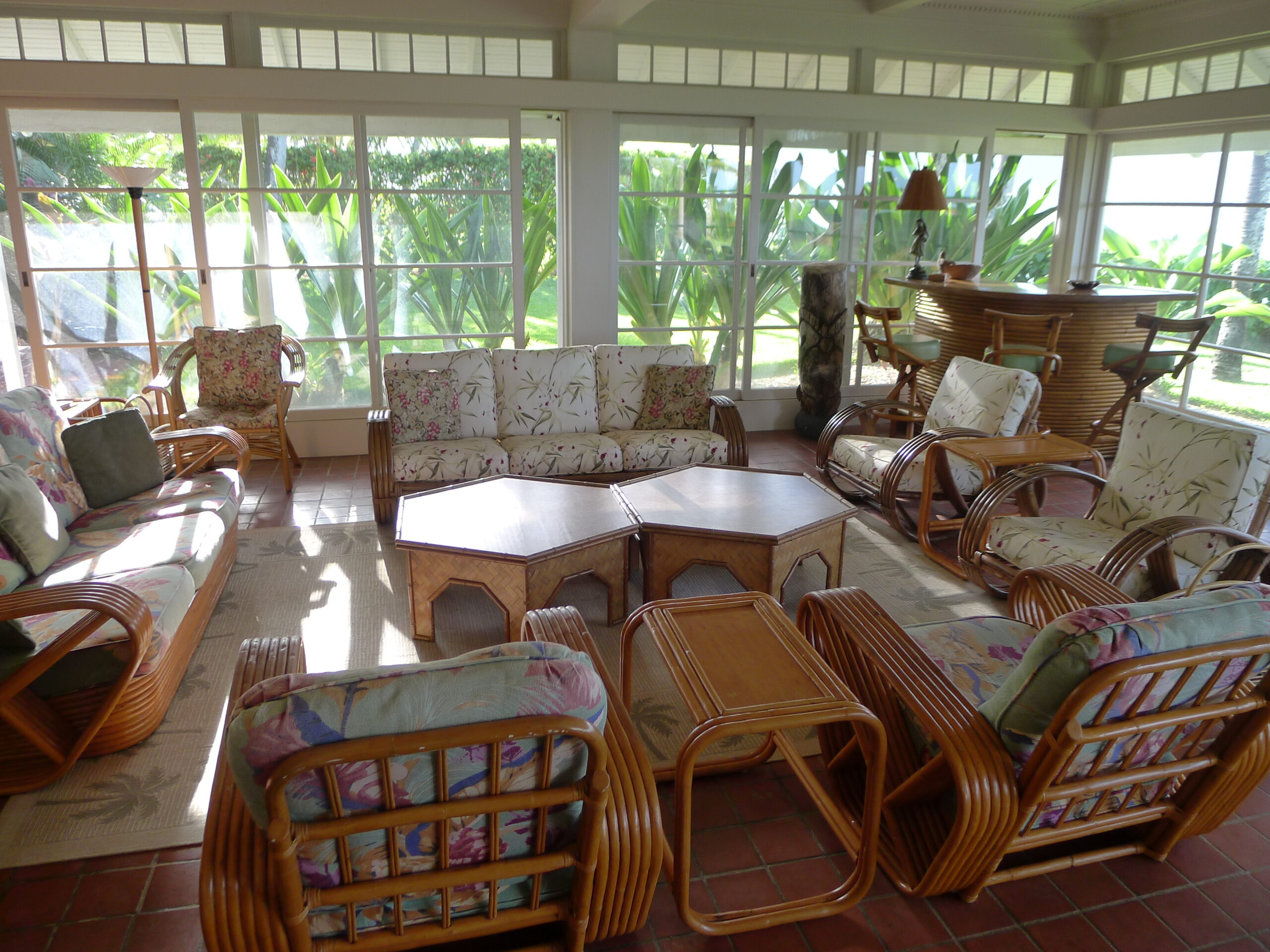
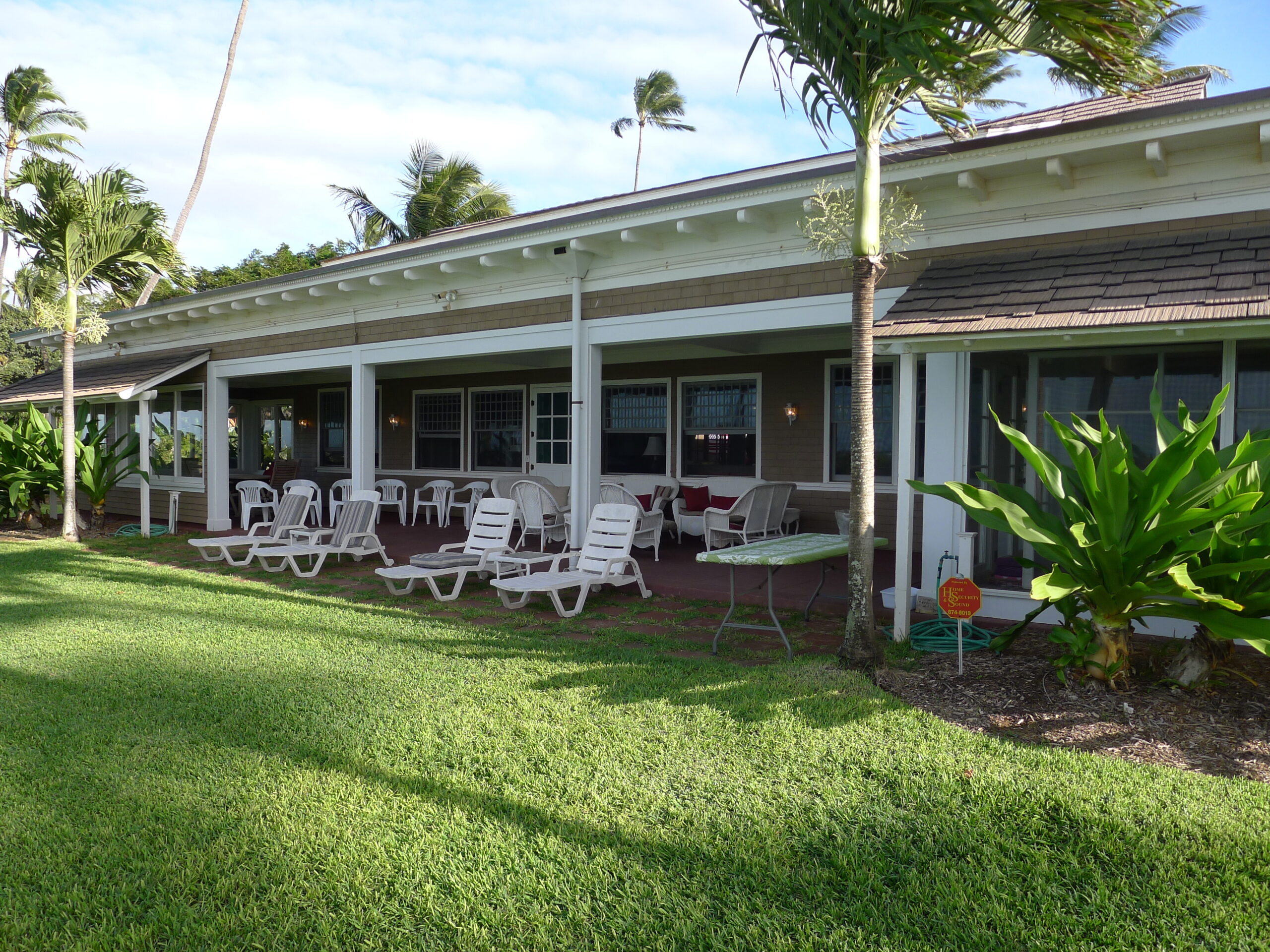
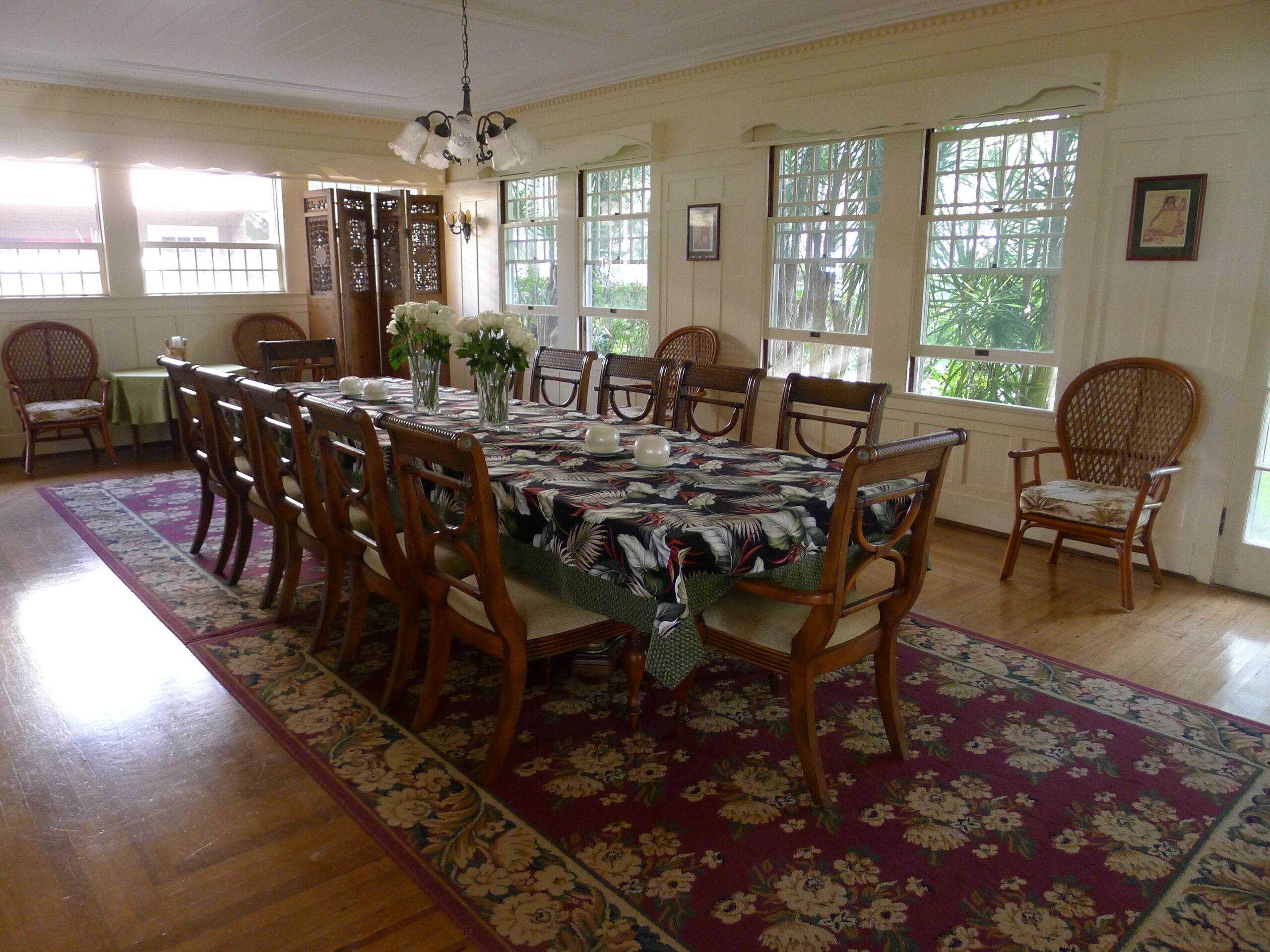
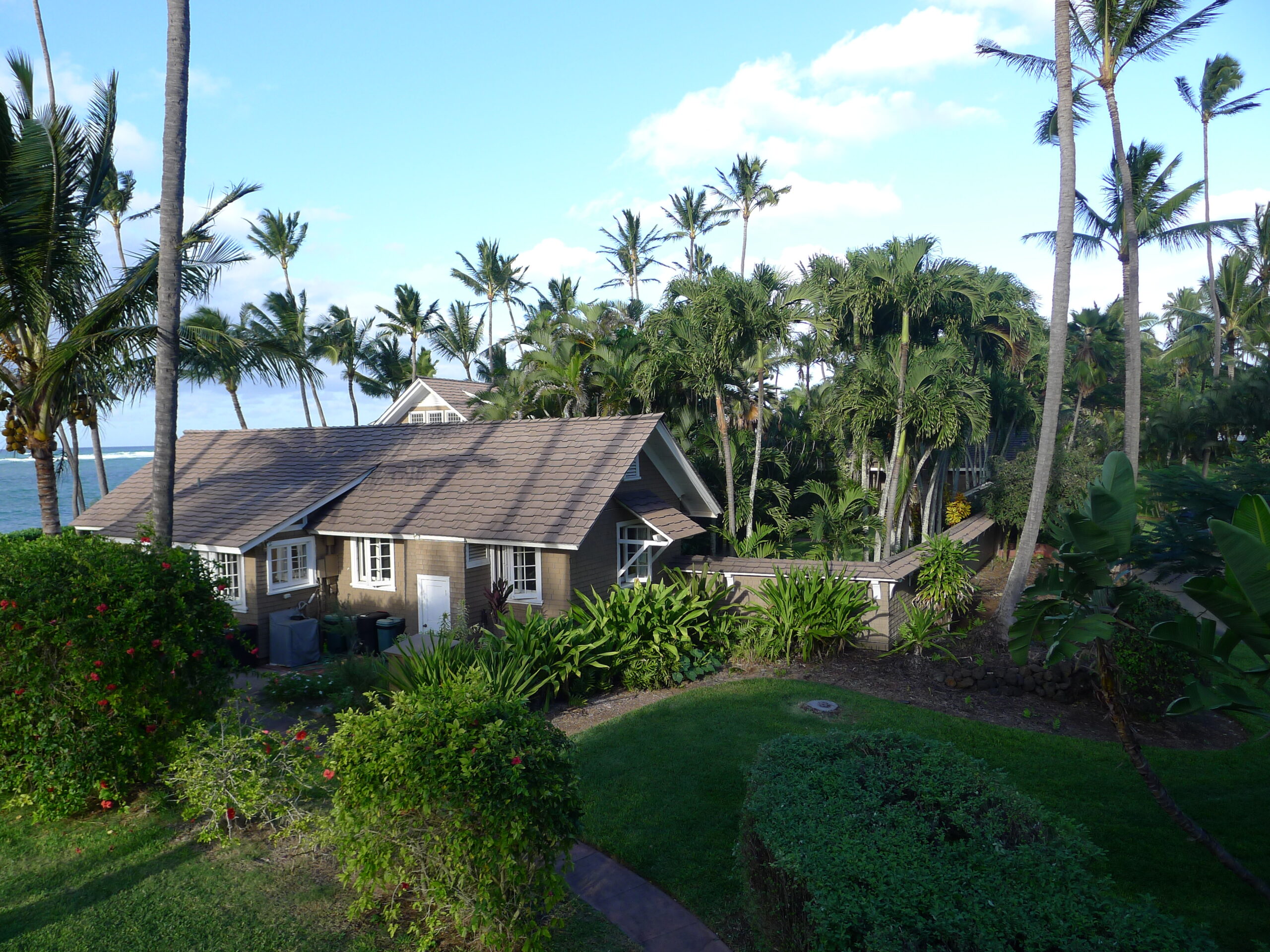
Above Pāʻia and toward Haʻikū are the old residences of plantation managers and owners, surrounded by the kind of vegetation that makes everything look as though it has been there forever. Haʻikū House, associated with Henry Baldwin, dates to the 1880s. An older cottage on the property dates to about 1857 and was built for a manager of the early Haʻikū sugar operation. These aren’t grand Southern plantation mansions. They are something distinctly Hawaiian: broad verandas, high ceilings, generous windows, deep shade and a close relationship with the land. They were houses designed for a tropical climate and for a life lived partly outdoors. Then there is Haʻikū Mill. The mill began operating in 1861 and closed in 1879, but its stone walls remain. Today they are softened by vines and tropical growth. It is easy to mistake the ruins for something ancient and romantic, but they represent something relatively modern: the beginning of Maui’s transformation into a major agricultural economy.
That is the appeal of old Maui. The history isn’t confined to a museum. It is in the roads. It is in the old houses tucked behind gardens. It is in the churches and plantation buildings of Pāʻia. It is in the irrigation ditches that still cross the countryside. It is in the trees planted generations ago and in the fields that occupy land once worked by thousands of plantation laborers.
Drive from Pāʻia toward Haʻikū and Makawao slowly. Don’t make it an itinerary. Make it a wandering.
Stop when something catches your eye. That is how you begin to understand this part of Maui. Not as the postcard version of the island, but as a place shaped by water, agriculture, immigration, ambition and generations of people who worked the land. The beaches may be what brought us to Maui. But the old roads above Pāʻia tell you why the island became what it is.
And there is something satisfying about following those roads without quite knowing where they lead.
That, after all, is usually where the better stories begin.