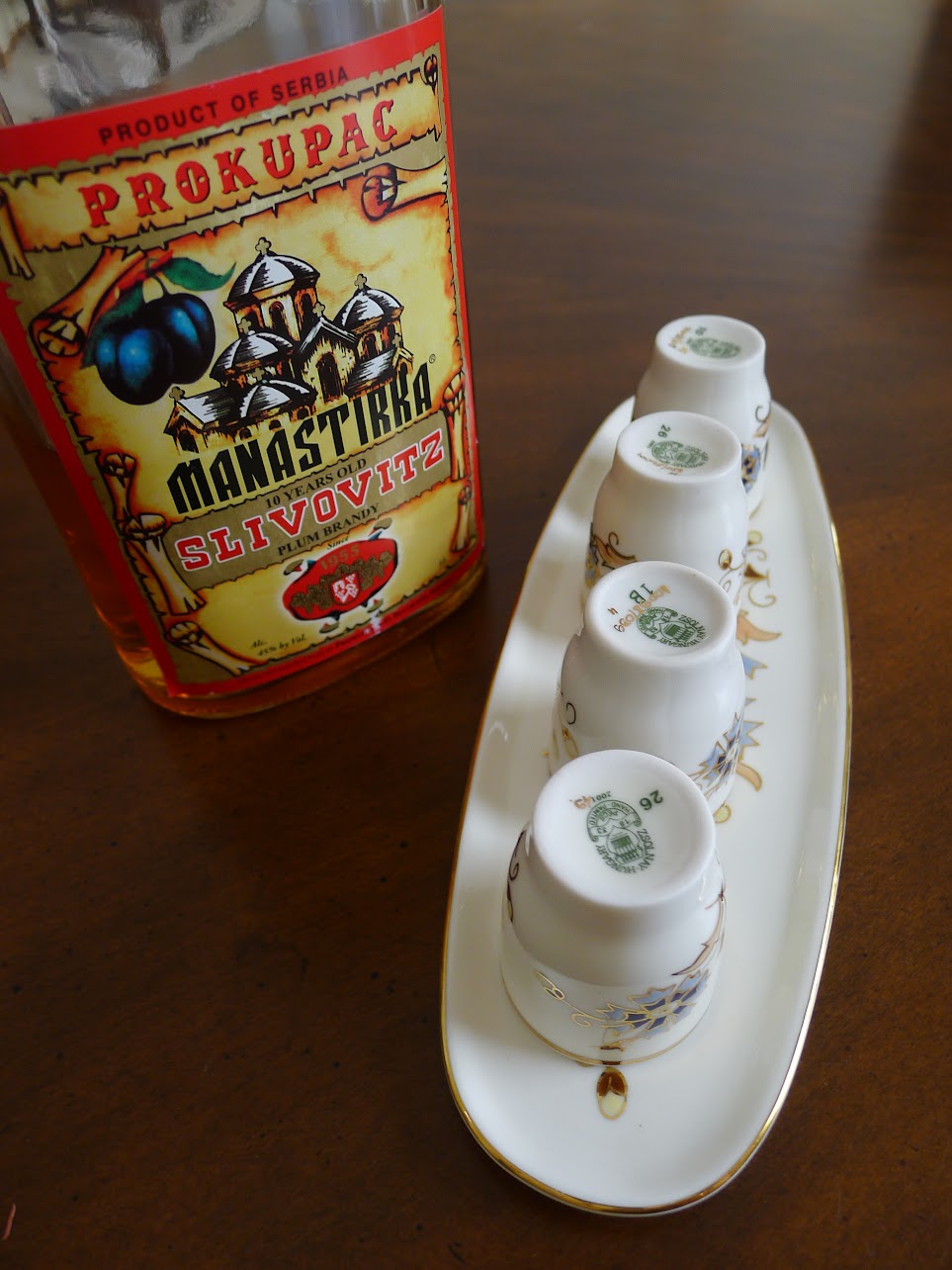
Pálinka is a traditional Hungarian fruit brandy, and unlike a lot of spirits with romantic backstories, this one actually earns its reputation. It is a fruit eau-de-vie, traditionally made by fermenting and distilling fruit. The most classic versions use plums, apricots, pears, cherries, or apples. It is generally clear, intensely aromatic, and often around 40–50% ABV, though stronger bottlings exist.


What makes pálinka different
The important distinction is that genuine pálinka must be made from fruit and produced in Hungary or certain designated Hungarian regions of neighboring countries under protected rules. It isn’t simply “Hungarian-style fruit brandy.” The fruit is fermented, then distilled, traditionally in copper stills. Good pálinka retains the character of the fruit rather than tasting primarily like generic alcohol. Barackpálinka, made from apricots, is probably the best-known style internationally. Szilvapálinka, made from plums, is another classic. And then there is the Hungarian tradition of drinking it before a meal, after a meal, at celebrations, when visiting someone, when leaving someone, and apparently whenever two Hungarians happen to be standing within several feet of each other.
How to drink it
Traditionally, pálinka is served neat, usually in a small tulip-shaped glass that concentrates the aromas. It’s generally best not ice-cold. Around room temperature, the fruit character becomes much more apparent. Take a small sip rather than treating it like a shot. A good pálinka should taste unmistakably of the fruit from which it was made. And that is really the charm of it: fruit transformed, not disguised.