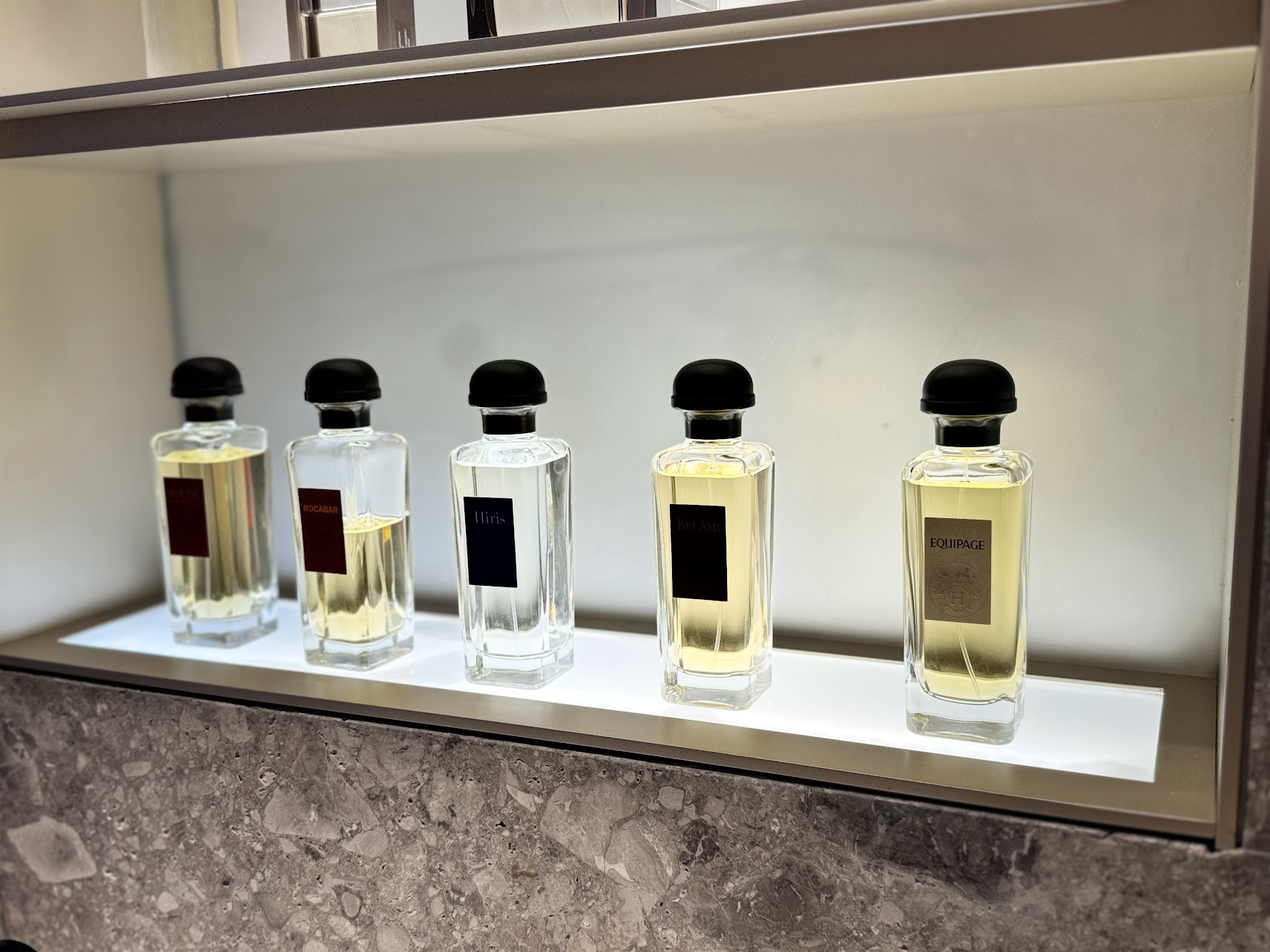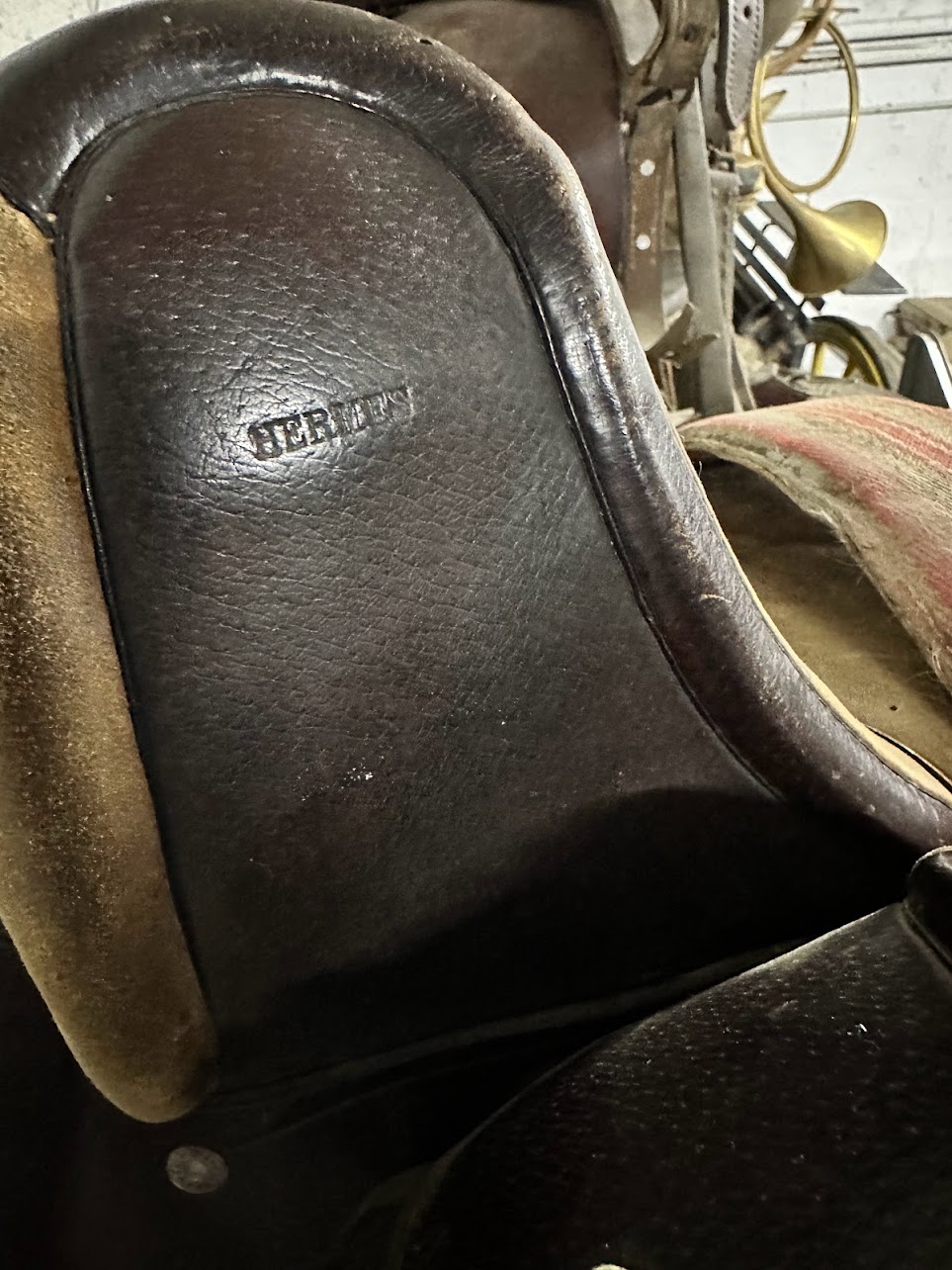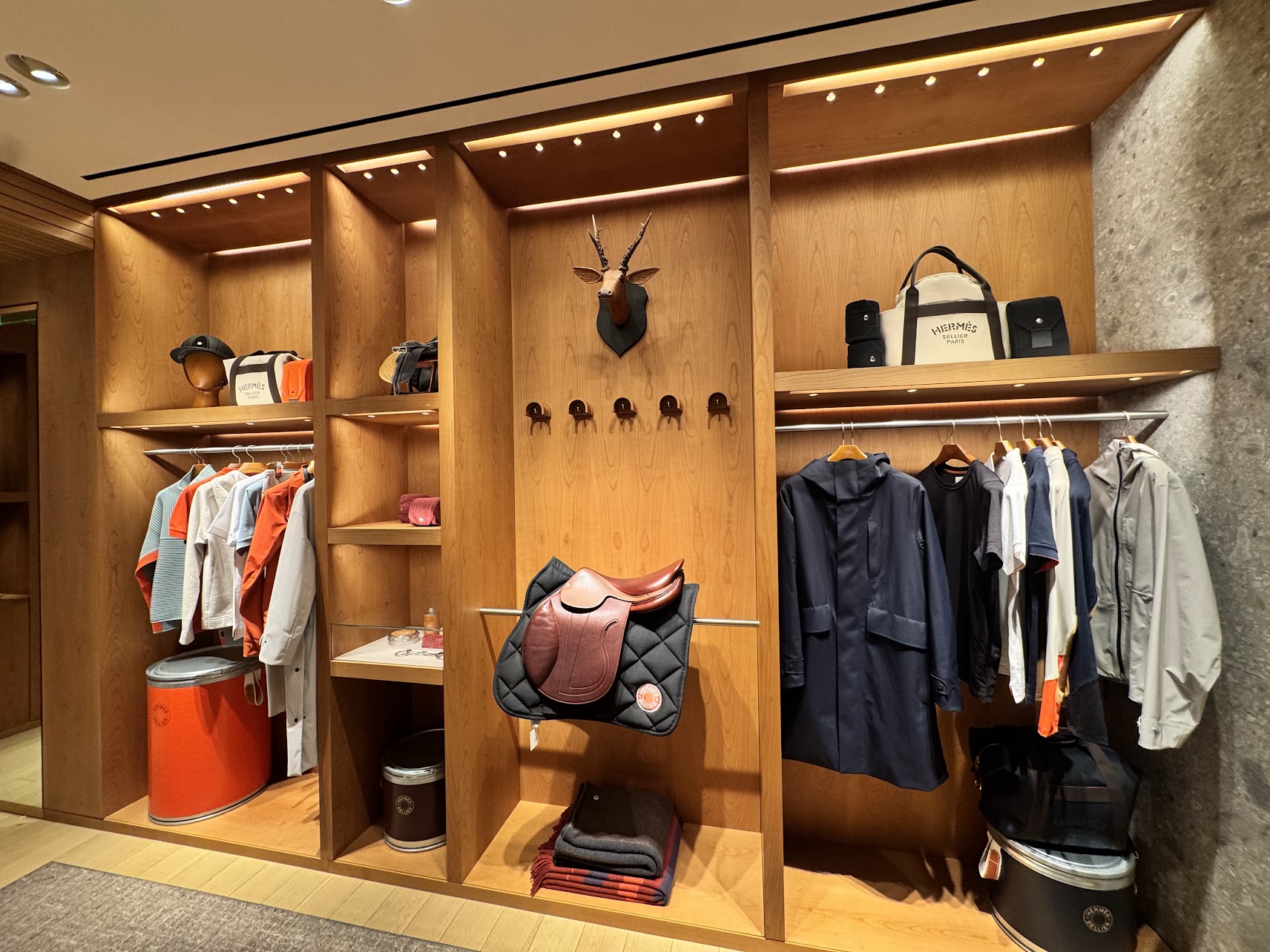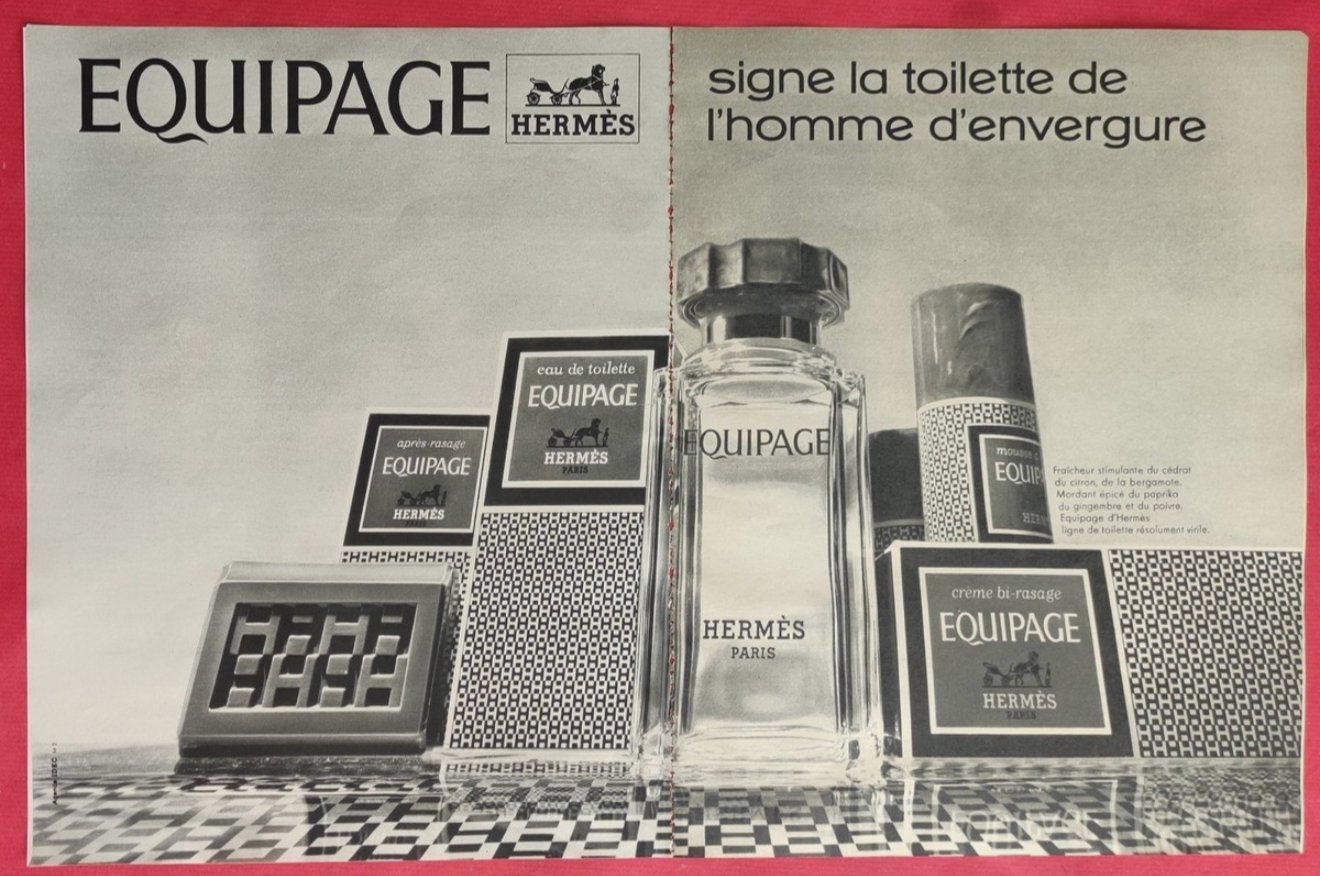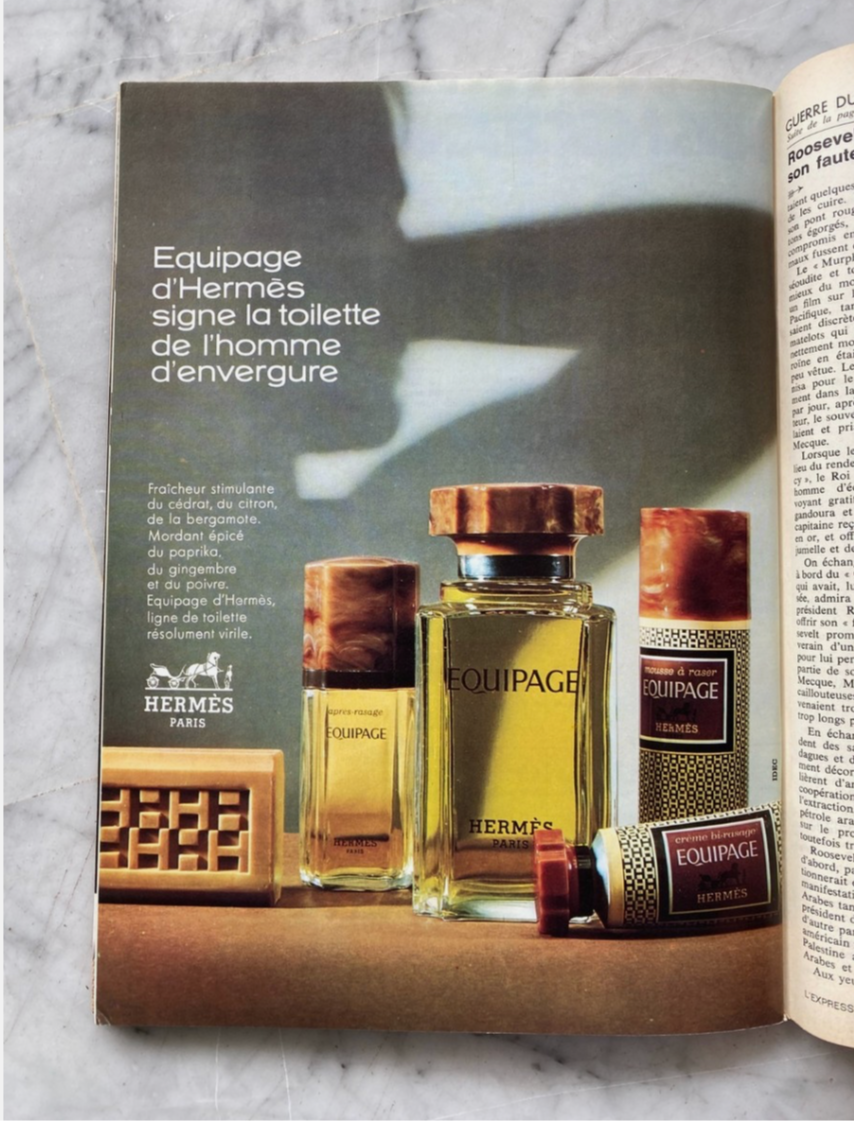
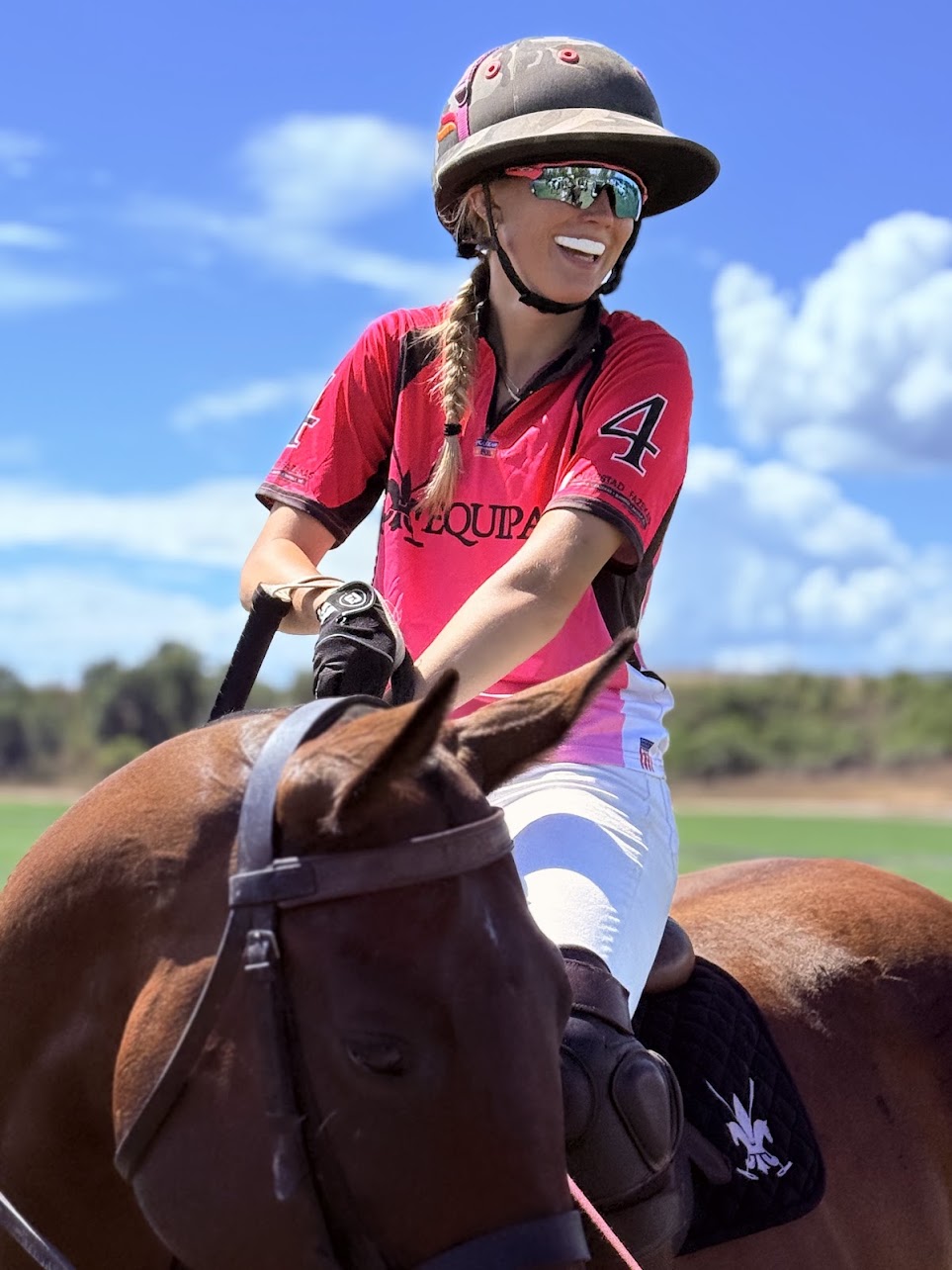
When we are in Paris, we often make a trip over to Hermès, which was founded in 1837 as a Paris harness workshop, and it quickly became synonymous with the equestrian world, producing saddles, harnesses, and other riding equipment. Horses have stayed central to the house ever since — for six generations, the horse has guided the company, and the saddle-making workshop at 24 Faubourg Saint-Honoré remains its reference profession. I picked up a bottle of it’s first scent for men, Equipage, and we promptly named our polo team after the inspiration we felt by this word, meaning “team,” back in 2004. And, in 2026, we don’t have to make the trek to Paris anymore, as Hermès has a store in Denver now, with one saddle in the shop. Ok, well, it’s not going to replace the flagship store in Paris anytime soon. But it is a local source now for my favorite scent, Equipage by Hermes. Too bad they don’t have the saddle shop like they do in Paris. Oh well, at least they have Equipage, which is my favorite scent, so much so that we named our polo team after it.
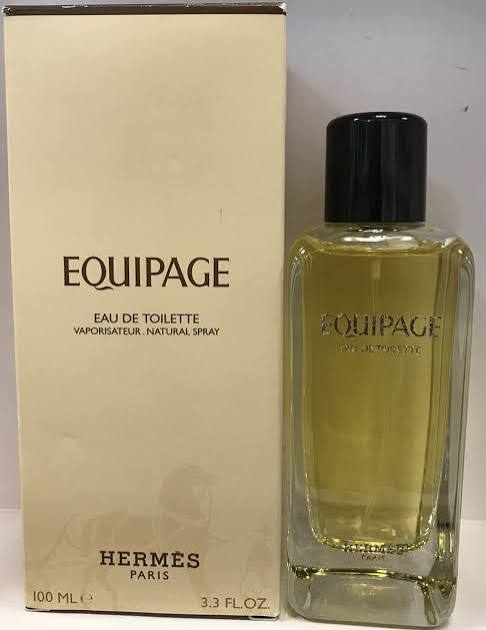
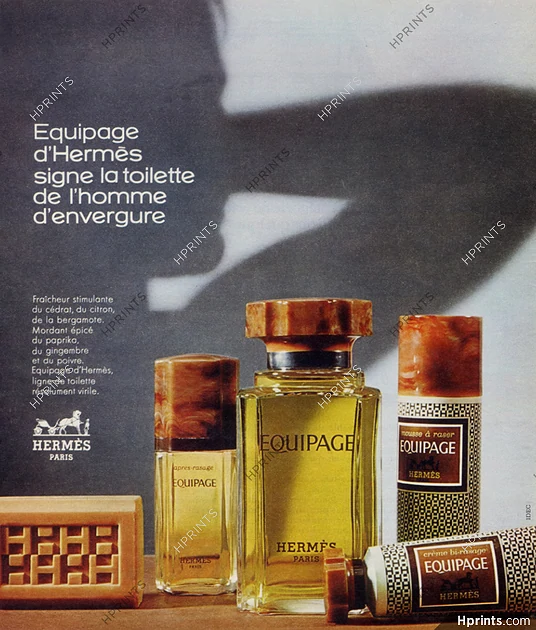
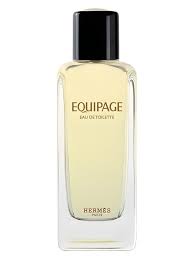
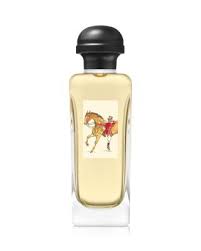
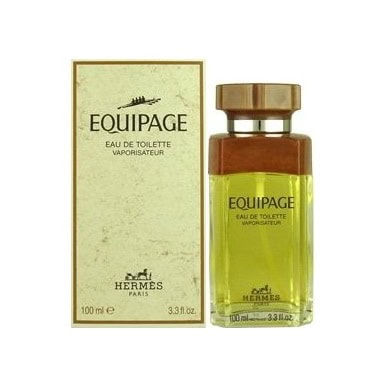
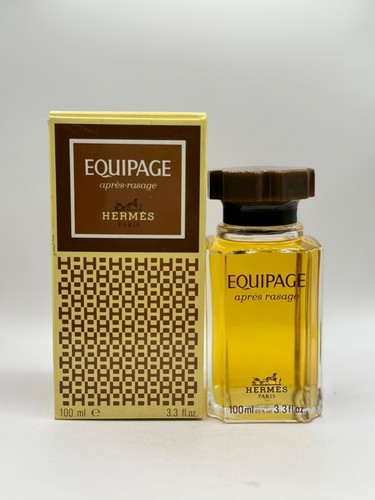
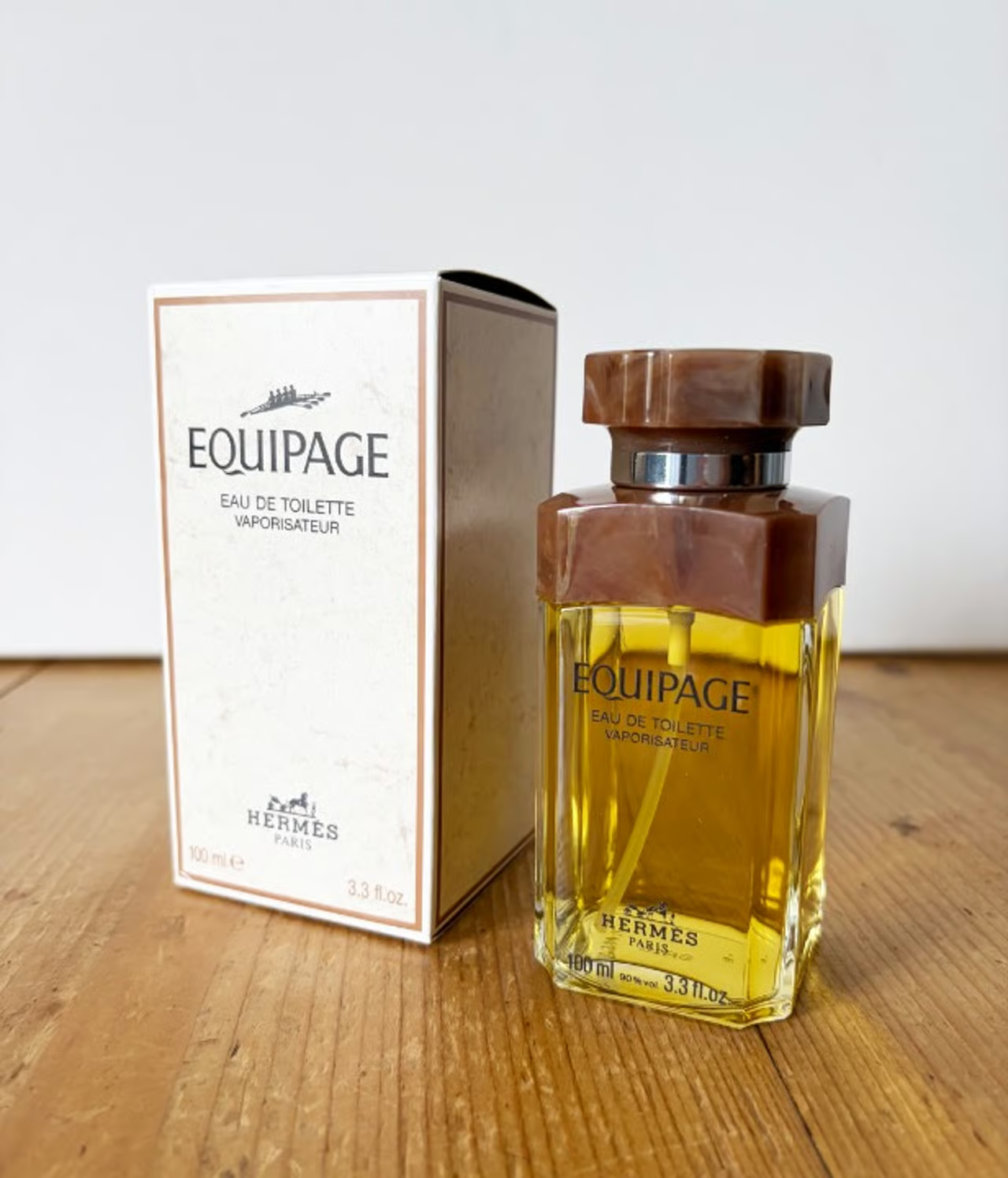
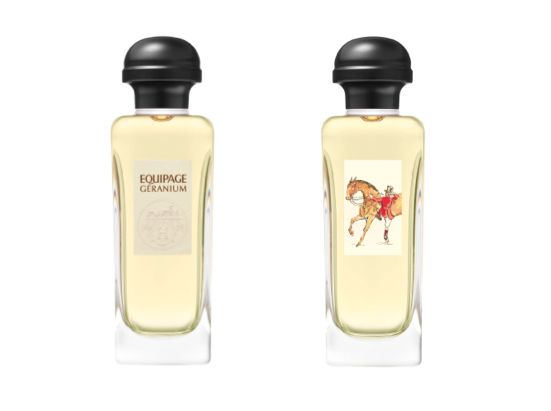
There are a few variations of the Equipage line, as the scent has been around since 1970, such as the square bottle with the black cap and white dot is the older version made between 2003 – 2013. The one on the right with the lantern cap is the newer version from 2013 onwards. There is an older bottle from 1970-2022 and it is said that this version of Hermes Equipage is the best. I have vintage bottles of Equipage, as well as a bottle with the white dot. Although the vintage may have more oakmoss, I don’t notice an appreciable difference between the two, and think that, in any version, this is one of the greatest men’s fragrances ever. As I’ve mentioned previously, Equipage is my sartorial armor, along with Chanel Bleu de Chanel, for life’s most significant moments. Truly great. Regal even. I have both of these, and the square shouldered bottle with white dot has more carnation, and is slightly deeper and richer than current. Likely not as much of a difference as there might be between current and deep vintage.
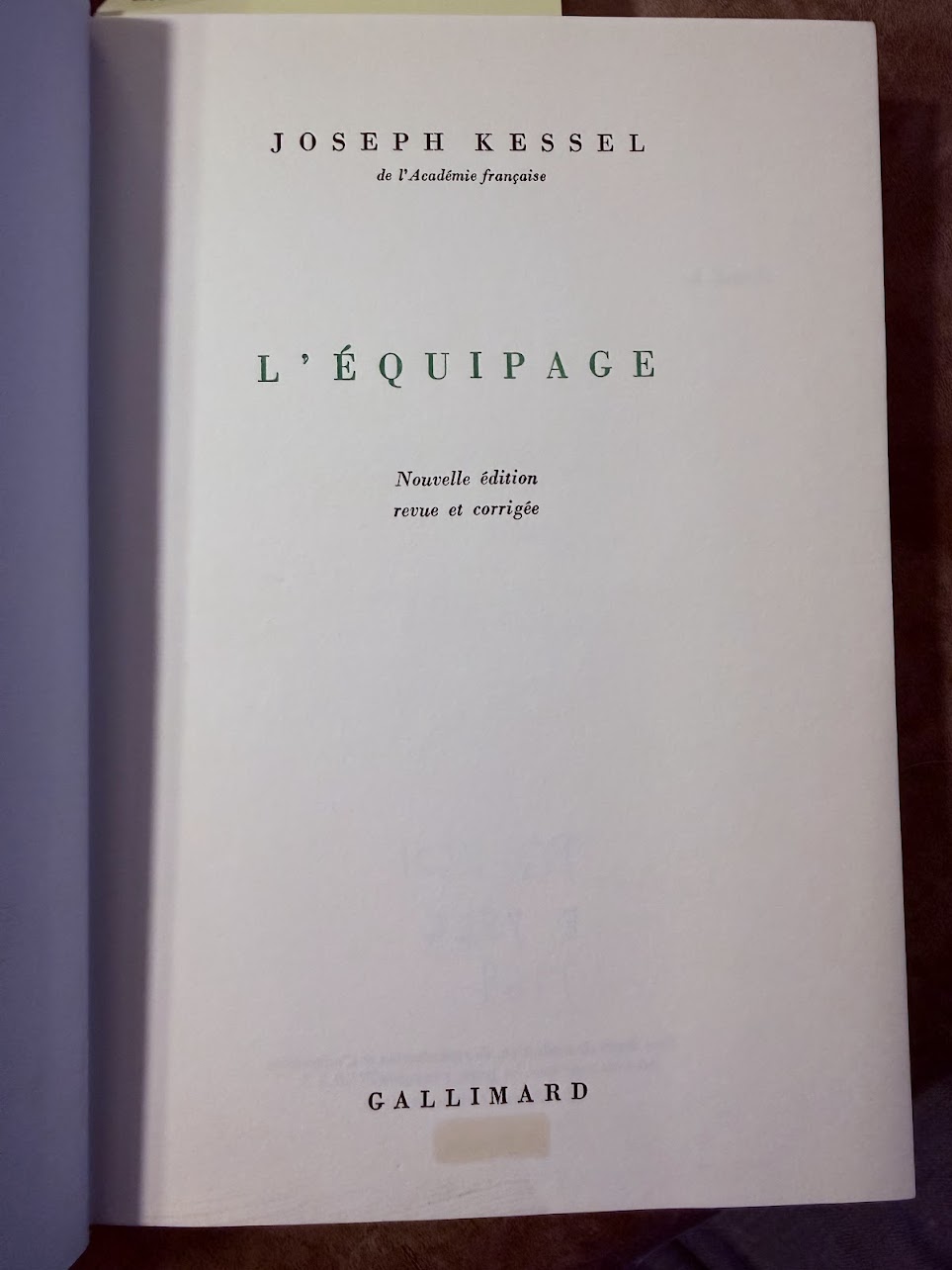
- Name: “Équipage” evokes the equipment needed for traveling in comfort and style, and today symbolizes sharing and team spirit in French.
- Bottle design: The bottle is inspired by the lanterns of horse-drawn carriages, with a black cap reminiscent of a riding hat.
- Scent profile: It’s aromatic and woody, blending lively marjoram with herbal tarragon and milky sandalwood. Other listings round out the fuller note pyramid with top notes of Brazilian rosewood, nutmeg flower, clary sage, bergamot, and orange, a heart of carnation, pine needles, cinnamon, lily-of-the-valley, and jasmine, and a base of oakmoss, vetiver, patchouli, tonka bean, musk, and amber.
- Mood: Described as restrained yet virile, artfully poised between strength and subtlety.
- Collection: It belongs to Hermès’ Parfums-Fondateurs collection, which draws on the house’s heritage — each fragrance paired with a name, scent, and color.
It’s still in production today, sold in a 3.38 oz / 100 mL bottle for around $143–$165 depending on retailer (Hermès direct vs. specialty fragrance sites). Given the equestrian branding — carriage lanterns, riding-hat caps, “equipage” itself referring to a traveling retinue or turnout — it fits right into that same world of horse culture and heritage fashion houses we’ve been talking about, alongside Ralph Lauren’s Polo line and Chanel’s own riding-inspired roots.
One reviewer writes: My SOTD and Evening – I have both Original Vintage Equipage and the later Vintage (prior to the current). You can tell as Eau de Toilette moved under the EQUIPAGE name in the later Vintage bottling. Subtle differences between the two – more spices in the heart of the later Vintage, giving it a more plush, velvety feel after the initial blast of ‘ice-pick’ bergamot. Original Vintage is slightly more austere with increased amount of aldehydes, more vetiver and florals in the heart. The oakmoss in both is very good – more noticeable in Original Vintage. Final note – they both have outstanding rosewood … possibly one of the best uses ever of the ingredient in fragrance. I don’t prefer one to the other. Layering the two is fine – most likely, only a trained nose can tell the subtle differences.
Many reviewers don’t believe the current formulation can stand up to the vintage. One educated reviewer writes: Why? Simple – the Oakmoss. IFRA’s regulation prohibits this scent (and so many others) from the dry down and base that they original had. Guy Robert’s masterpiece from 1970 … the first male fragrance from the Hermes house is structured around great wood (rosewood, vetiver, pine, patchouli) and Oakmoss with clary sage, florals and spices. Take out the Oakmoss and there is something missing. It may not show in the top notes or even the rich, spiced florals in the heart … but the base is lacking what keeps Equipage a brilliant skin scent for a long time (“lichen”, Evernia Prunastri = Oakmoss). As it was absolutely brilliantly said in a review once, “Equipage is one of those fragrances you don’t really smell but rather sense the essence of nearby. The most amazing thing about Equipage is that although its subtle and discreet, it’s long lasting – it magically maintains a low-key but detectable presence for a good six to eight hours, without fading.” I love to spray my under shirt with it, so it touches my skin and radiates – also, it smells amazing on fabric. Cheers, ericrico.