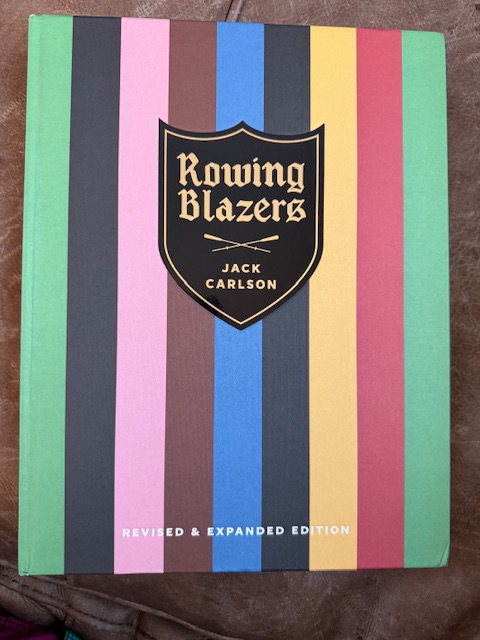
Today, a blazer is one of the most versatile pieces in a wardrobe. It can be dressed up with tailored trousers or paired with jeans for a casual look. Available in everything from classic navy and charcoal to bold plaids and vibrant colors, the modern blazer has become a fashion staple. But its origins have little to do with business attire—and everything to do with competitive rowing.
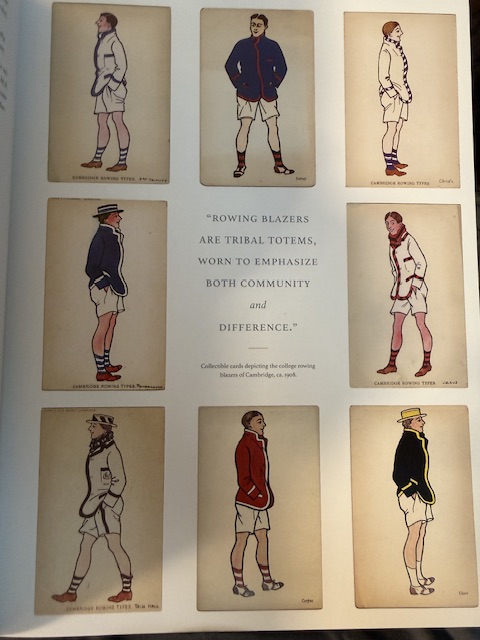
The blazer was born on the rivers of 19th-century England, where rowers at Oxford and Cambridge wore loose-fitting jackets to stay warm during chilly morning practices and races. Unlike today’s structured versions, these early jackets resembled lightweight windbreakers designed for comfort and function.
The name itself is believed to have originated with the Lady Margaret Boat Club at St. John’s College, Cambridge. Club members wore striking scarlet jackets that stood out on the water, inspiring the term “blazer,” a reference to their blazing red color. Bright jackets and bold stripes soon became common among rowing clubs, making it easy for spectators to identify competing teams.
As the jackets became symbols of pride and membership, athletes began wearing them away from the river—much like modern varsity or letterman jackets. Before long, rugby, cricket, croquet, and football clubs adopted similar styles, and by the late 1800s the word blazer had come to describe almost any colorful sporting jacket.
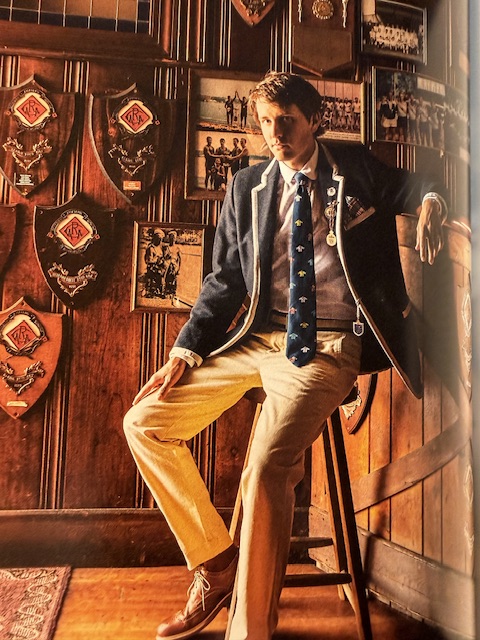
The style crossed the Atlantic around the turn of the 20th century, where it quickly became popular on Ivy League campuses. Students at Yale, Harvard, Princeton, and Cornell embraced loose flannel blazers as part of collegiate fashion, helping transform the garment from athletic apparel into a symbol of classic American style.
More than a century later, the cut, fabrics, and colors have evolved with changing fashion trends, but the name has endured. What began as a practical rowing jacket has become one of the most timeless and versatile pieces in modern menswear.
My style is simple yet considered, focusing on timeless basics and impeccable fit.
______________________________
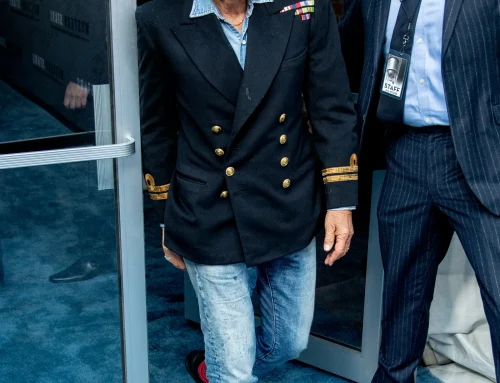
Ralph Lauren once again proved why he remains one of America’s greatest style icons. At a screening of “Western Stars”—the documentary chronicling the making of Bruce Springsteen’s album of the same name—Lauren effortlessly blended heritage tailoring with contemporary flair.
His signature look began with well-worn distressed jeans and a sharply tailored double-breasted navy blazer. The jacket featured gleaming gold buttons, embroidered service stripes on the cuffs, and military-inspired ribbon detailing that nodded to classic naval uniforms. Rather than pairing it with traditional dress shoes, Lauren opted for vintage Nike Air Bakin sneakers from the late 1990s, their bold red and yellow accents echoed by the colors of the blazer’s ribbons.
A denim button-down shirt tied the ensemble together, reinforcing Lauren’s gift for mixing rugged Americana with timeless tailoring. It’s a combination few could pull off, but for Lauren, blending Ivy League classics, military influences, workwear, and vintage sportswear has long been part of his signature style. More than five decades into his career, he continues to demonstrate that the rules of classic menswear are best understood before they’re artfully broken.


Few designers have done more to cement the blazer as an icon of American style than Ralph Lauren. While he didn’t invent the blazer, he transformed it from a garment associated with prep schools and country clubs into a symbol of aspirational American fashion.
Here’s how Ralph Lauren changed the blazer’s place in menswear:
He reinvented Ivy League style
When Ralph Lauren launched his Polo label in 1967, Ivy League fashion had begun to lose its cultural dominance. He revived the classic look—navy blazers, Oxford shirts, striped ties, chinos, and loafers—but presented it as a timeless lifestyle rather than a college uniform.
The blazer became the cornerstone of that vision.
He made the blazer aspirational
Before Ralph Lauren, blazers were largely associated with private schools, universities, yacht clubs, and business dress. Lauren recast them as clothing for an imagined American life filled with country estates, polo matches, sailboats, vintage sports cars, and weekends in New England.
You didn’t need to belong to those worlds—you only needed to wear the clothes.
He embraced tradition while modernizing it
Lauren celebrated many classic blazer details, including:
- Navy wool fabrics
- Brass or gold-tone buttons
- Soft, natural shoulders
- Patch pockets
- Crest embroidery
- English and Ivy League tailoring influences
Rather than radically redesigning the blazer, he refined and elevated it.
He blurred formal and casual dressing
One of Ralph Lauren’s lasting contributions was showing that a blazer wasn’t reserved for business or special occasions. His catalogs paired blazers with:
- Faded blue jeans
- Khakis
- Turtlenecks
- Rugby shirts
- Denim shirts
- Cowboy boots
- Sneakers
This relaxed styling helped make the blazer an everyday wardrobe essential.
He influenced generations of designers
Lauren’s interpretation of the blazer inspired countless American brands, including J.Crew, Brooks Brothers (which modernized its offerings in response to changing tastes), Tommy Hilfiger, and many contemporary menswear labels that continue to draw on Ivy, collegiate, and heritage aesthetics.
The enduring legacy
Today, when many people picture the “perfect blazer,” they’re often imagining Ralph Lauren’s version: a softly tailored navy jacket with brass buttons, worn effortlessly over an Oxford shirt and chinos—or dressed down with a T-shirt and jeans.
His greatest contribution wasn’t changing the garment itself. It was changing what it represented. Ralph Lauren turned the blazer into a symbol of timeless American style, making it as appropriate for a casual weekend as it was for the office or a formal dinner. His vision ensured that a jacket once rooted in 19th-century rowing clubs became one of the defining pieces of modern menswear.