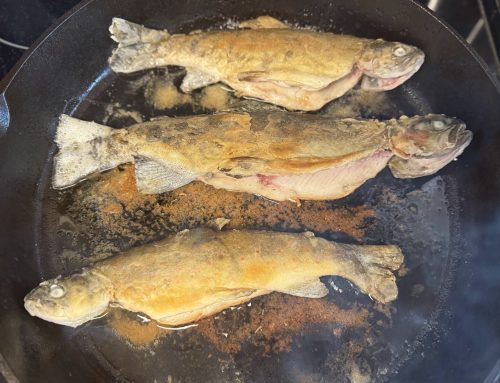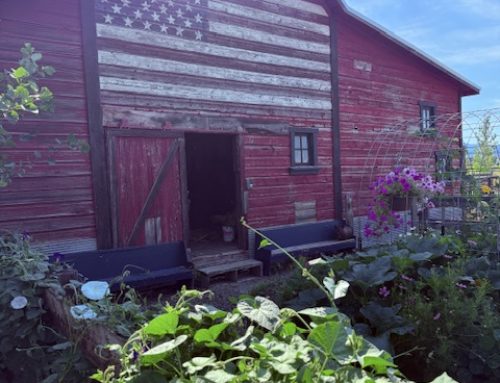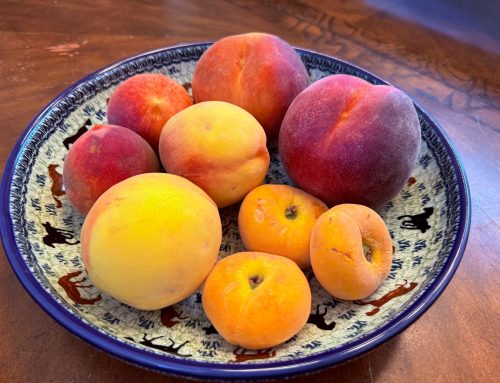
Not in a hospital,
not in a jail,
not in a grave.
Thank you, God, for another day alive.
The “cowboy way of life” or the “Western way of life” has become a modern cliche. What it means in real life is a blend of Enlightenment rationalism, the scientific method, capitalism, and the emphasis on rugged individualism. Another cliche is appreciating the finer things in life: art, literature, travel, wine, food, good company, etc.
We have manifested a rich lifestyle filled with country sports and Western lifestyle. While we appreciate the finer things in life, grit and resilience have been a big part of our lives for over 40 years, making our life mostly from our home base in Colorado, but my daughter going off to college in Montana has brought it into focus even more. From sharing a feast with native elders after they dance their annual corn dance to sitting next to cowgirls on the fence at a branding, from tasting the terroir of the oldest wine region in America to hiking the sacred peaks that define a nation — these are the stories that don’t make the front page news, but probably should, and they are definitely experiences that have filled our lives. This is a journal of place, people, and culture. Not the curated version. The real one — told from the road, the ranch, the canyon, and the kitchen table. The American West and beyond, reported from the inside out, as we travel along the Sporting Road.
- Individualism: A focus on personal liberty, unique identity, and the freedom to pursue individual goals.
- Democratic Governance: Representative democracy, rule of law, and equality before the law regardless of social background.
- Human Rights: A commitment to universal rights, including freedom of expression, freedom of religion, and the separation of church and state.
- Rationalism & Progress: A belief that the universe operates by logical rules (logos) that can be understood through reason, science, and technological innovation.
In a specifically North American context, the “Western way of life” also refers to the distinct ethos of the American frontier. This lifestyle is typified by cowboy culture and the “Code of the West,” which emphasizes:
- Self-reliance, courage, and a strong work ethic.
- Deep respect for the land, nature, and animals.
- A close-knit, mutual-aid community that values honesty, integrity, and trust.
- True Solitude: Montana has roughly one-fifth the population of Colorado spread over a larger landmass. The lifestyle prioritizes self-reliance, quiet rivers, and living far from your nearest neighbor.
- Overcoming adversity and figuring it out on your own mindset
- The Working Cowboy Reality: While Colorado has plenty of working ranches, Montana’s economy remains deeply dependent on massive livestock operations. Cowboy boots and denim are standard functional workwear here, rather than a fashion statement.
- Outdoors as a Way of Survival: In Montana, outdoor recreation like fly fishing, big-game hunting, and packing horses into the backcountry is less about a weekend hobby and more about a seasonal rhythm passed down through generations.
- Preserved Frontier Isolation: Towns like Choteau, Ennis, and Red Lodge operate largely out of the spotlight of major commercial tourism, keeping their 19th-century architecture and community dynamics intact without the luxury high-rises.
Someone once said that we live a “Ralph Lauren lifestyle,” which has become the embodiment of timeless, aspirational American heritage, and enduring style. Rather than merely selling fashion, our “brand” is built on actually living the life rather than storytelling and offers a complete aesthetic—from hobbies to clothing to home decor—inspired by cinematic fantasies like Old World estates, Colorado ranches, unspoiled Montana trout streams, warm noses by the fireplace, and safari adventures. It represents a world of quiet luxury and centers around several key pillars:
- Timelessness over Trends. The lifestyle shuns fleeting, fast-fashion trends in favor of classic, enduring pieces. The philosophy centers on well-worn, high-quality garments that look just as good a decade after purchase, conveying authenticity and consistency.
- The Art of the Story. Every collection begins with a vivid narrative. Ralph Lauren is famous for transporting the customer into distinct, romantic scenarios:
- Classic Americana: Varsity jackets, rugby shirts, and clean prep.
- The American West: Leather, distressed denim, and cowboy spirit.
- English Elegance: Tailored blazers, equestrian gear, and tweed.
- Home and Hospitality. In 1983, Ralph Lauren became the first major fashion designer to launch a comprehensive home line, allowing customers to curate their physical spaces. The aesthetic translates fashion into a living environment, featuring rich woods, neutral earth tones, crisp white linens, and classic dinnerware that tell a story of heritage and good taste.
- Authenticity and Craftsmanship. The foundation of the look rests on high-quality fabrics and fine craftsmanship. It values functionality—admiring the rugged utility of military uniforms or workwear and elevating them into refined, everyday wardrobe staples.
Highlights of things that we love to explore:
- Education, Curiosity and Resilience
- International and Adventure Travel
- Indian culture, powwows, rodeos and the rez
- Jewelry and the Turquoise Trail
- Turquoise Jewelry
- The Difference between Pure Silver, Sterling Silver, Coin Silver, Junk Silver, and Silver Plating
- Turquoise Hunting
- The Turquoise Trail is a 52-mile National Scenic Byway (New Mexico State Highway 14) that connects Albuquerque and Santa Fe. It takes its name from the rich turquoise deposits historically mined in the region and offers a scenic, historic alternative to the Interstate 25 highway. The route weaves through the scenic eastern foothills of the Sandia Mountains and is dotted with distinctive high-desert towns, outdoor recreation spots, and artisan communities.
- Key Highlights & Towns Madrid: Once a prominent coal and metal mining ghost town, it has transformed into a vibrant, quirky arts community featuring galleries, unique shops, and the Madrid Old Coal Town Museum. Cerrillos: A step back in time with dirt roads, 19th-century storefronts, and the Cerrillos Hills State Park. It was once a major mining district dating back to 900 A.D.. Sandia Crest: Located near the southern end of the trail, the scenic drive to the top offers panoramic views spanning thousands of square miles of the New Mexico landscape. Cowboy Cuisine and Western Flavors
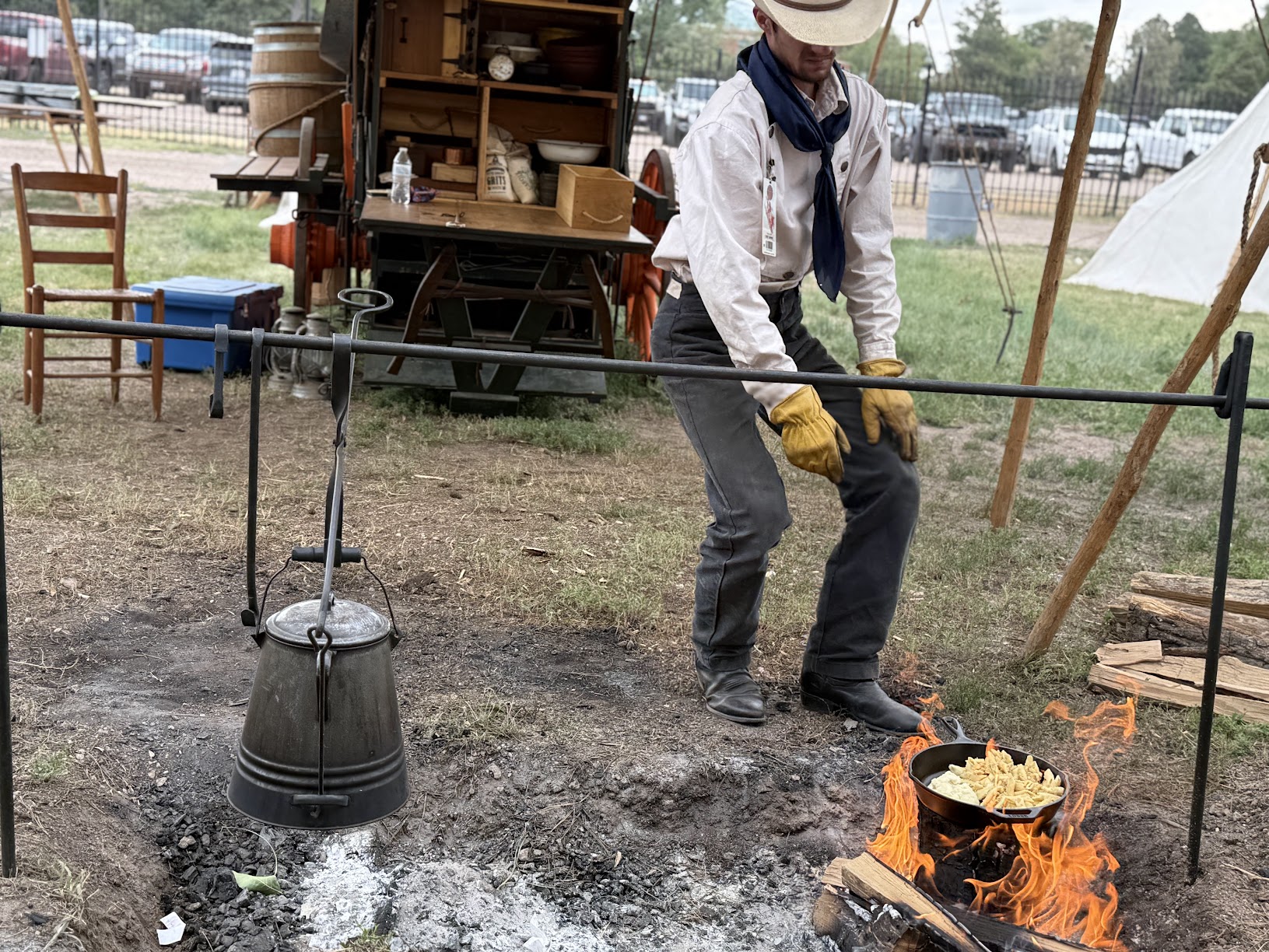
- Western Cuisine- Campfire Cuisine BBQ Pit Smoker and Friends and Family
- The market, the pantry and what you have on hand from gardening and harvesting decides the menu.
- Make unfussy food people will want to eat. Follow recipes loosely and adapt them a
lot. - Share food generously.
- Credit recipes borrowed from friends.
- Try local ingredients, such as sparkling wine from New Mexico.
- Wild Rags, Rodeos and Horses
- A Longstanding Social History of Horse Sports from Racing, Foxhunting and Polo to Dude Ranches and Real Cowboys
- Mexican and Charro Influences on the West
- Hunting, Fishing and Ranching
- Big game hunting
- Upland and waterfowl hunting
- Fly fishing
- Coyotes
- Ranching
- Cattlemen, Sheepherders and Those Keeping the Way of Life Alive
- Horse Sports and Field Sports (no you don’t have to take up rowing, yachting, tennis, sailing nor cricket–we are talking about pursuits of the countryside)
- Polo
- Foxhunting
- Fly Fishing
- Shooting
- Picnicking
- Horse Racing
- Falconry
- Homesteading and Ranching
- Style:
- Classic Americana: Varsity jackets, rugby shirts, and clean prep.
- The American West: Leather, distressed denim, and cowboy spirit.
- English Elegance: Tailored blazers, equestrian gear, and tweed.