Somewhere along the way, camouflage became the uniform of hunting. But the woods, the mountains and the animals have been there long before the patterns, brands and catalogs. And so have hunters.
I have never felt particularly compelled to wear camouflage hunting. Perhaps that makes me a little unusual these days, when an entire industry has built itself around the idea that a hunter needs a different pattern for every season, elevation, habitat and conceivable weather condition. There is woodland camo, mountain camo, prairie camo, snow camo, digital camo and enough variations of brown, green and gray to outfit an army. Walk into almost any hunting store and it is difficult not to conclude that camouflage is as important to the pursuit as a rifle, a pair of boots or the ability to read the wind.
I understand the purpose. There are circumstances when concealment matters enormously. Turkey hunting, bowhunting and getting close to wary animals can demand an ability to disappear into the landscape. I have no argument with camouflage when it serves a practical purpose. But I have never believed that hunting requires dressing head to toe in a printed pattern, and I sometimes wonder whether we have confused the clothing of hunting with hunting itself.
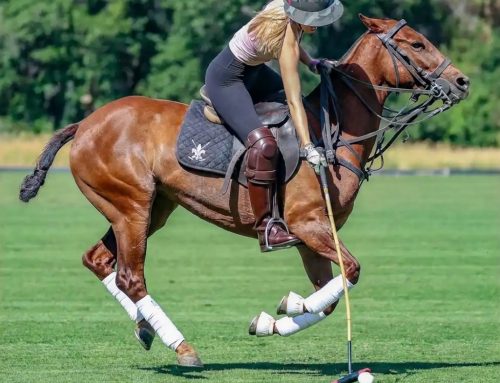
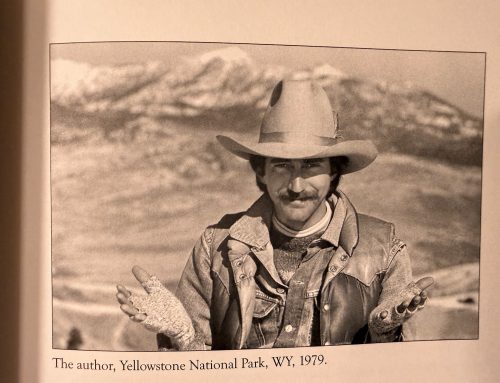
There is something appealing about the older traditions of the sport. Before hunting clothing became an industry of its own, hunters dressed in the clothes they already owned or in garments designed to withstand years of use. Wool, canvas, leather, cotton, corduroy and waxed fabrics were common. A heavy wool shirt, a pair of canvas trousers, a weathered jacket and sturdy boots were not fashion statements. They were practical, durable and comfortable. They worked in the field, around the farm, in the woods and at the kitchen table. They were clothes that acquired character rather than clothes that arrived with it.
I think we have lost a little of that simplicity.
There is a particular beauty to a hunter dressed in muted colors, not because it is fashionable or nostalgic, but because it feels connected to something older. Olive, brown, khaki, gray and the colors of worn leather seem to belong naturally in the outdoors. A waxed cotton jacket develops a patina from rain, brush and years of use. Wool carries the smell of smoke, wet grass and cold mornings. Leather softens and changes with time. These things tell a story that a newly purchased matching camouflage ensemble cannot yet tell.
Hunting, at least for me, has never been entirely about what I wear or what I bring home. It is about being outside when most people are somewhere else. It is the quiet of an early morning, the cold against your face, the movement of birds through the grass, the distant sound of a creek and the slow recognition that you are part of a landscape rather than simply passing through it. The clothing should serve that experience, not become the experience.
Perhaps that is why I have never felt the need to look like I stepped out of a Sitka hunting catalog. I would rather wear something comfortable, something familiar and something that will still be hanging in the closet ten years from now. Something I could wear to dinner without feeling the need to change. I don’t need a wardrobe designed around a particular species or a particular week of the season. I need clothes that work, that are comfortable and that make sense in the country I am hunting.
The modern sporting industry is very good at convincing us that every pursuit requires another piece of equipment. Hunting is no exception. There is always a newer fabric, a better pattern, a lighter jacket or a more specialized garment that promises to make the experience easier. Some of these things are genuinely useful. Others are simply the natural result of an industry that must continually sell something new. But the sport existed long before all of it.
The hunter doesn’t have to wear camo. He doesn’t need to match his clothing to the terrain down to the last printed leaf. He doesn’t need to look a certain way to belong in the field. Hunting is not a uniform, and tradition isn’t necessarily measured by how closely we imitate the latest version of the outdoorsman’s wardrobe.
A well-worn jacket, a pair of wool trousers, leather boots and a quiet morning in the woods are enough. They have been enough for generations.
And I suspect they will be enough for generations to come.
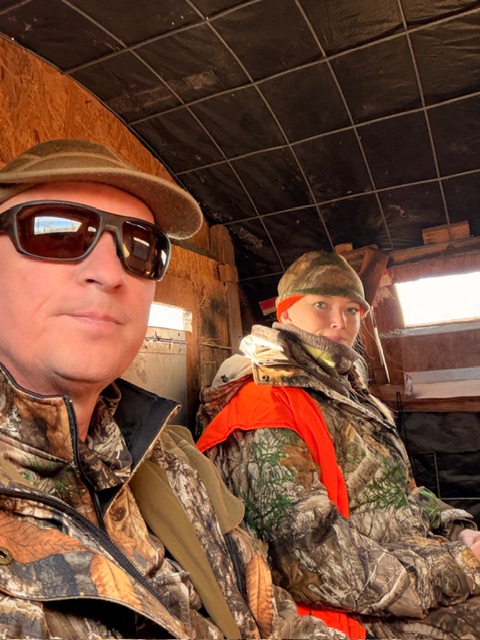
Having said all of that, we dress in camo for cold weather deer hunting, with bib overalls and thick camo jackets. And we recently got complimented several times in Nebraska for our camo, which is surprisingly affordable and amongst the best in warmth. We got it from Midway USA and it is sharp looking and very well made at an affordable price.