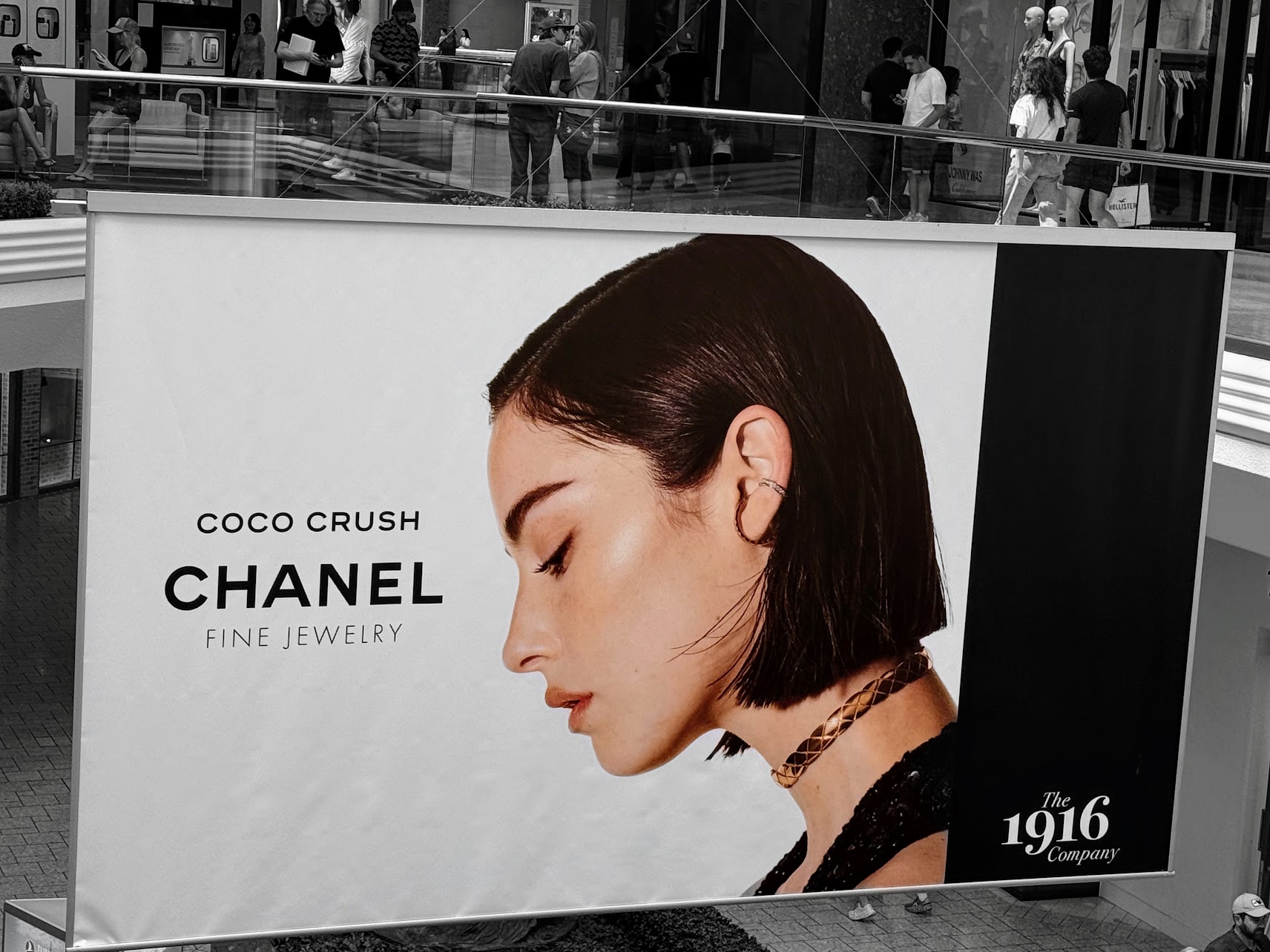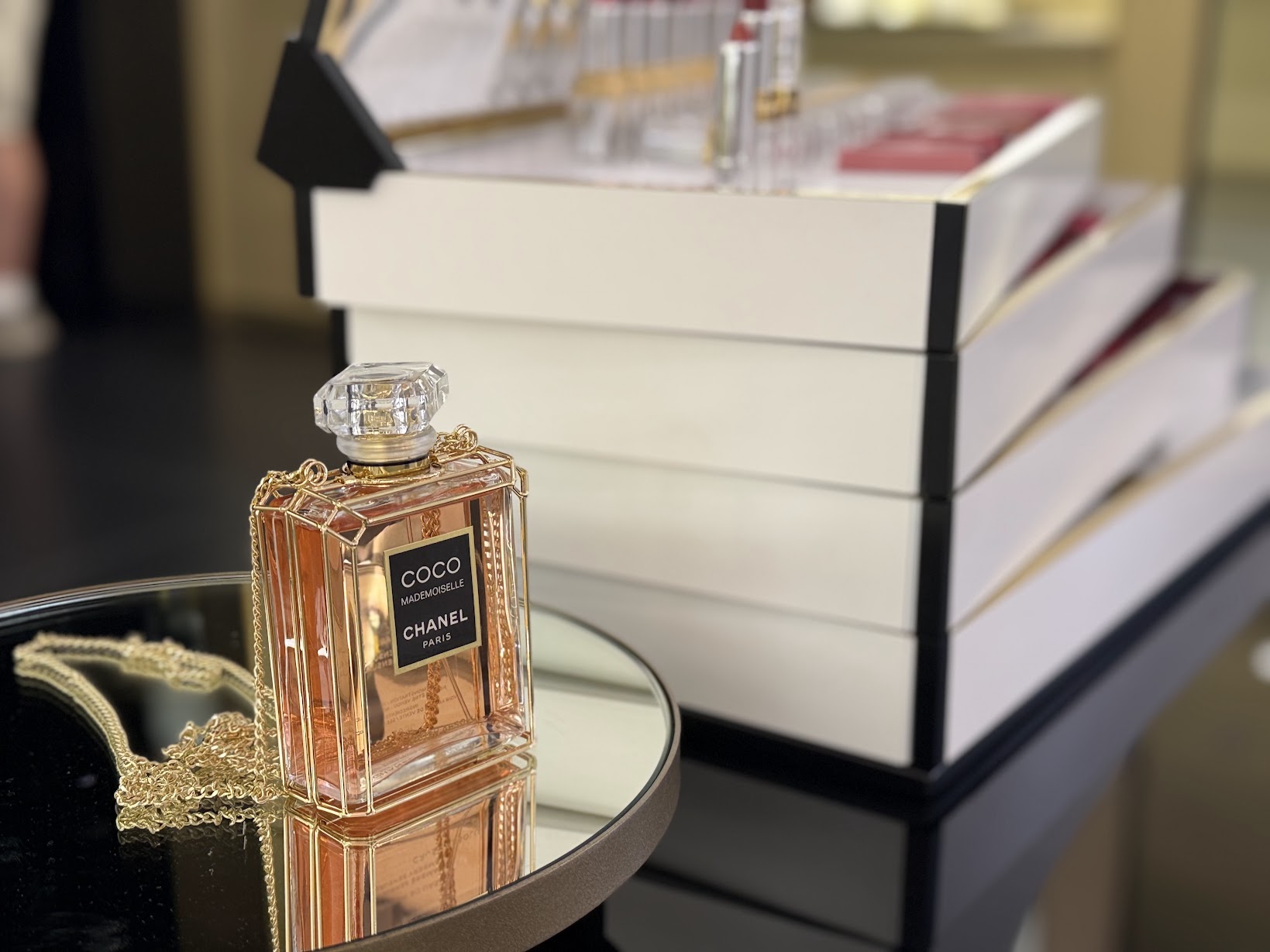
My girls are all twitterpated by the upcoming release of Coco Mademoiselle Crush Absolu. Created by in-house perfumer Olivier Polge (son of Jacques Polge, who created the original 2001 Coco Mademoiselle), Crush Absolu keeps the DNA of the original – rose, jasmine, patchouli, vetiver – but pushes it in a juicier, more intense direction. The opening is what makes it interesting: a grapefruit-lychee accord gives it a bright, almost jammy sweetness before settling into a warm amber-vanilla base. CHANEL is describing it as an "affirmation of self" – bolder and more unapologetic than the original, while still unmistakably Coco Mademoiselle underneath. They are among the first to give in to the new Coco Mademoiselle Crush Absolu fragrance. A composition that is magnetic, just like Gabrielle Chanel herself.
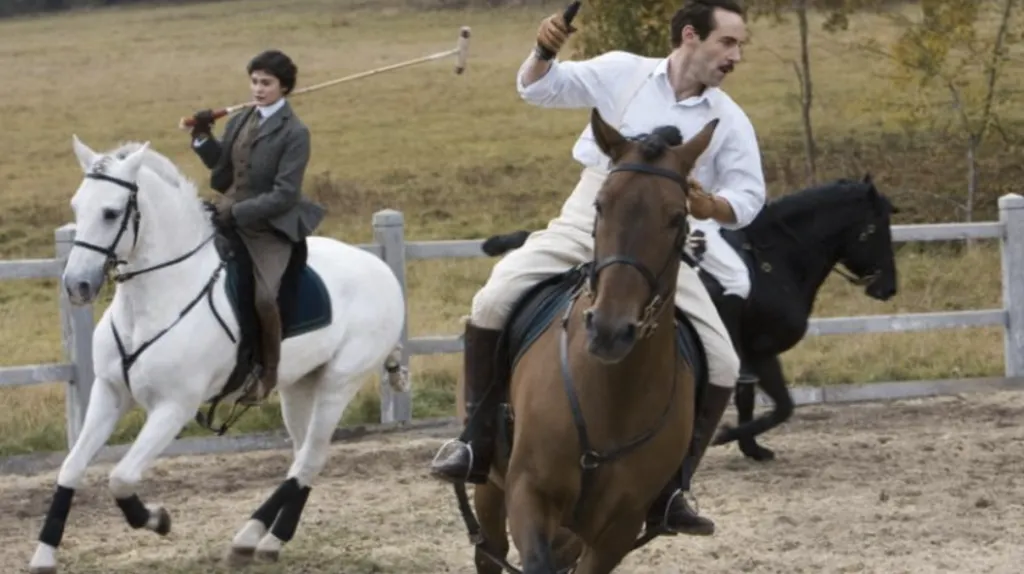
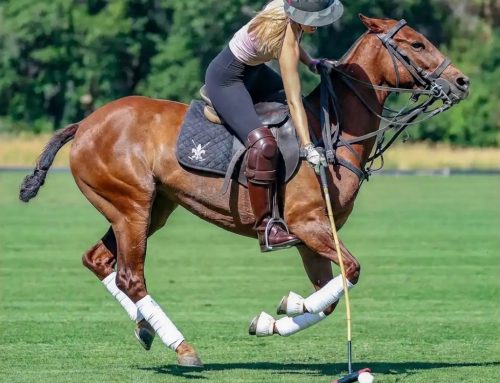
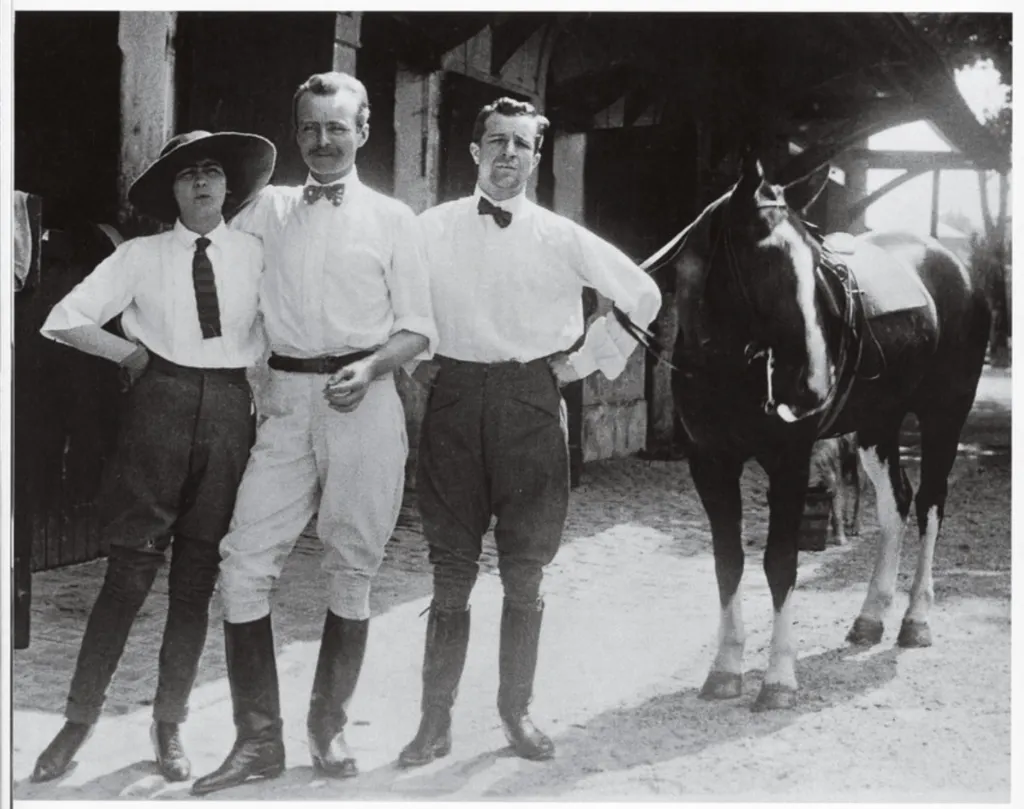
Long before Chanel No. 5 or the little black dress, there was a stable, a countryside château, and a young seamstress named Gabrielle Chanel who found her creative voice not in a Paris atelier, but on the sidelines of a polo match. In the early 1900s, polo was a man's world [and by the way, it still is in 2026, but for the first time more women are taking up polo this year than men] — tailored breeches, precise tack, and horses thundering across manicured fields. Women, when they appeared at all, stood at the edges in restrictive skirts. Chanel broke that mold almost by accident. As a young woman, she was photographed wearing polo pants as early as 1909, a small act of rebellion that quietly foreshadowed the revolution she'd later bring to women's fashion.
That rebellion had a source: Étienne Balsan, a wealthy horseman and Chanel's companion at the time, who took her in at his estate, Château de Royallieu. Balsan kept a private stable and played polo regularly, and Chanel — drawn more to comfort than convention — began riding alongside him in menswear rather than the corseted dresses expected of women in her era. It was at Balsan's estate that Chanel's design instincts first found an outlet, with her early millinery work echoing the silhouettes of riding helmets and the polo uniforms she saw daily. Balsan later backed her first hat shop, setting her career in motion.
Her path deepened when she met Arthur "Boy" Capel, an English polo player who became both a romantic partner and her first business investor, eventually helping finance the boutique that would grow into her flagship store. Capel's imprint on Chanel's work outlasted their relationship — echoes of the equestrian world show up throughout her designs, from the diamond stitching on her handbags that mirrors saddle leather, to men's button-down shirts reimagined for women, to riding boots reworked as everyday fashion staples.
What Chanel pulled from the polo field wasn't just aesthetic — it was philosophical. She wanted women to move freely, without the constraints of corsets, padding, and layers of fabric. Her early riding-inspired pieces stripped away ornamentation in favor of function, effectively making her one of fashion's first champions of what we'd now call athleisure. The shift accelerated during World War II, when practicality pushed even more women toward trousers, cementing a look Chanel had championed decades earlier.
Chanel's polo-born instincts didn't stay in the past. Designers have continued returning to that same well: other fashion houses have reinterpreted her signature riding-inspired silhouettes, while labels have drawn on gaucho-style pants and full equestrian collections for the runway. Some major fashion houses have gone as far as staging entire polo-themed runway shows, a direct nod to the sport that shaped one of the industry's most influential figures.
It's a fitting legacy for a designer who never set out to dress equestrians — she simply wanted to ride comfortably, and in doing so, she rewrote the rules for what women could wear everywhere else. So rewrite your own rules, throw away mother's bottle of No. 5, and even the newer Mademoiselle, and get your man, who likes the Chanel men's fragrance, Bleu de Chanel, to buy you a bottle of Crush before everyone else gets in on the action.
___________________________________________________________________________________________________________________________
*Adapted history and images from reporting by PoloWeekly, "How Polo Helped Launch Coco Chanel's Career" (Medium, May 2019).*