
Adapted from a recipe by Namiko Hirasawa Chen
Making authentic Japanese miso soup at home is surprisingly simple. This recipe walks you through preparing a quick, from-scratch dashi, then turning it into a classic bowl of miso soup with silken tofu and wakame seaweed. Light, deeply savory, and nourishing, this everyday soup is as comforting as it is healthful.
Prep Time: 5 minutes
Cook Time: 15 minutes
Total Time: 20 minutes
Servings: 4
Ingredients
For the Dashi (about 4 cups)
- 4 cups water
- 1 piece kombu (dried kelp), about 4 × 4 inches (⅓ oz / 10 g)
- 1 cup katsuobushi (dried bonito flakes), packed
For the Miso Soup
- 7 oz soft or silken tofu (kinugoshi dofu)
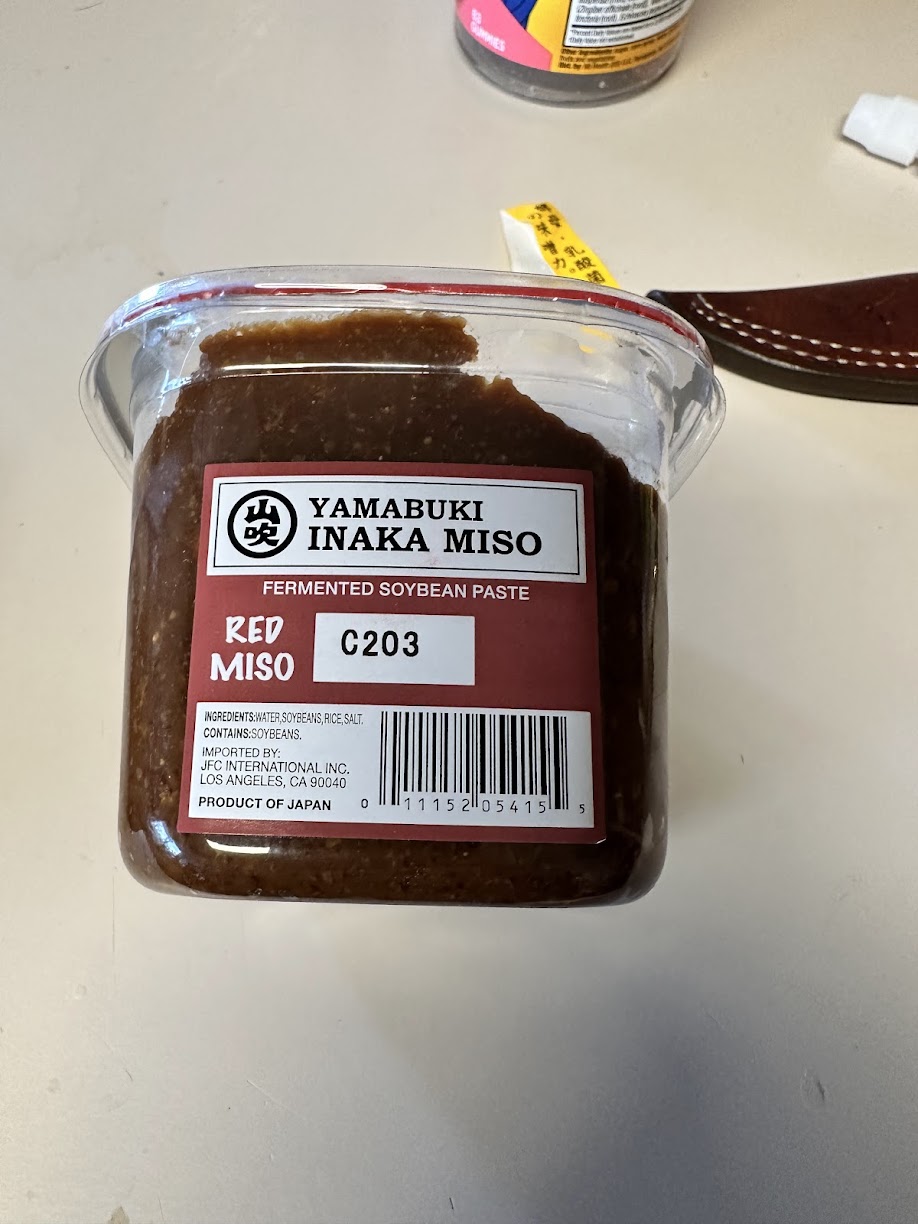
- 4 Tbsp miso (about 1 Tbsp per cup of dashi – we like Yamabuki Inaka Miso refers to a type of traditional Japanese fermented soybean paste, combining the brand name “Yamabuki” with “Inaka” (countryside), indicating a robust, homemade-style red or brown miso, often with a strong umami, rich flavor from long fermentation, used for soups, dressings, and pickles, distinct from paler, sweeter misos)
- 1 Tbsp dried wakame seaweed
- 1 green onion or scallion, thinly sliced
Instructions
Make the Dashi
- Add the water and kombu to a medium saucepan. If time allows, soak the kombu for 30 minutes. Do not wash it or remove the white film—this is natural umami.
- Slowly heat over medium-low until just before boiling, about 10 minutes. Remove the kombu and set aside for another use. At this stage, you have kombu dashi, suitable for vegetarian or vegan miso soup.
- If using bonito flakes, add them to the pot and bring the liquid back to a boil. Lower the heat and simmer for 30 seconds.
- Turn off the heat and let the flakes sink, about 10 minutes. Strain through a fine-mesh sieve. You should have about 4 cups of awase dashi.
Dashi can be refrigerated for 3–5 days or frozen for up to 2 weeks.
Make the Miso Soup
- Return the dashi to the saucepan and gently heat until just hot. Do not boil.
- Add the miso by placing it in a ladle, then dissolving it with some hot dashi before stirring it into the pot. A miso strainer or muddler makes this easier.
- Cut the tofu into ½-inch cubes and add it to the soup after the miso has fully dissolved.
- Just before serving, add the wakame and sliced green onions to preserve their color and aroma.
Important: Never boil miso soup, as high heat destroys its flavor and nutrients.
To Serve
Serve immediately. In traditional Japanese table settings, miso soup is placed on the right side.
Storage & Reheating
- Miso soup is best enjoyed fresh but can be refrigerated for up to 2 days.
- If storing longer, refrigerate the soup without miso and add it only when reheating individual portions.
- Freeze for up to 2 weeks, removing tofu before freezing.
- Reheat gently over medium heat—do not boil.
Using the Spent Kombu and Katsuobushi
Save the leftover kombu and bonito flakes in an airtight container (up to 1 week refrigerated or 1 month frozen). They can be reused to make:
- Simmered Kombu (Kombu no Tsukudani)
- Homemade Furikake (Rice Seasoning)
________________________________________________________________________________________________________________
More Tips for Using Miso, Including Green Bean Casserole with Miso
You can stick with your go-to green bean casserole or try something new — just keep the flavor profile fairly neutral. If the recipe already includes bold ingredients like sun-dried tomatoes or olives, miso may compete rather than complement. Otherwise, you’re free to “miso-fy” it.
Start by stirring 1 tablespoon of white miso into the sauce. Since it’s a thick paste, press and whisk it in thoroughly so it dissolves completely. Taste the sauce, then add more miso a teaspoon at a time until you reach the level of savory depth you like. Once it tastes balanced and rich, continue with the recipe as directed.
Extra Tips for Cooking with Miso
You’ll likely have leftovers — and that’s a good thing. Store miso in its original container, tightly sealed, in the refrigerator. While it keeps for a long time when stored properly, I try to use it within a year for best flavor.
And don’t stop at casserole. Miso adds instant umami to all kinds of dishes:
- Whisk into salad dressings or marinades for added depth
- Stir into mushroom, French onion, or lentil soups
- Toss into your favorite stir-fries
- Thin with rice wine vinegar and sesame oil, then brush over fish, chicken, or pork before roasting