
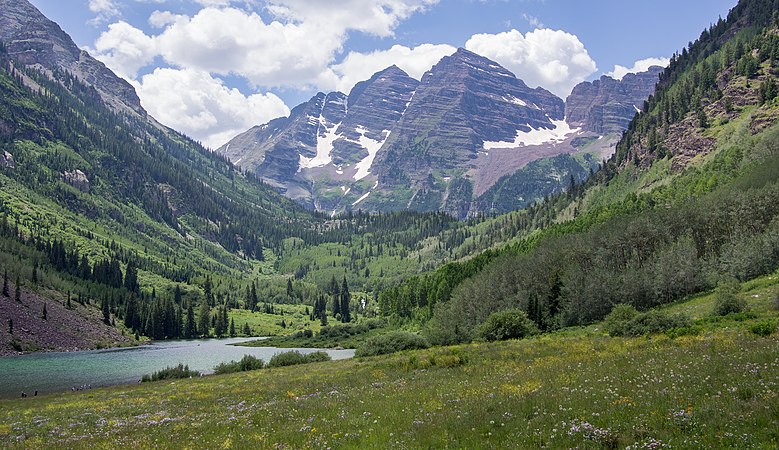
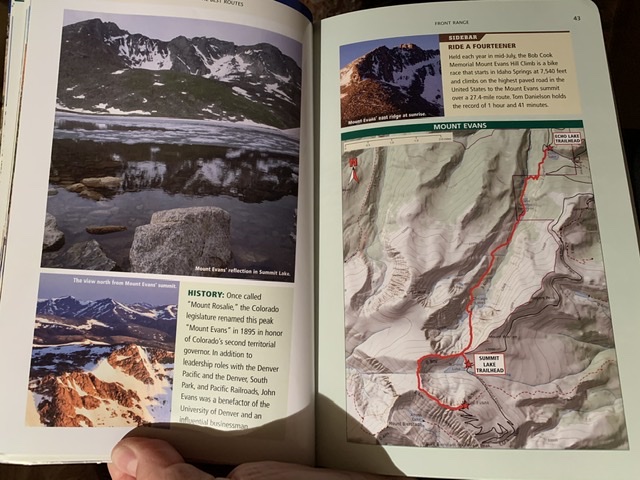
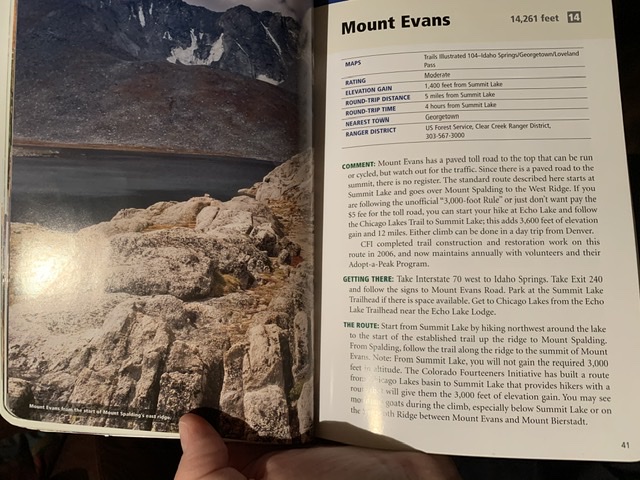
14ers are fun and great exercise.
13ers are less crowded and just as fun. https://www.5280.com/package/the-beginners-guide-to-climbing-colorados-thirteeners/?utm_campaign=The%20Local&utm_medium=email&_hsmi=222666506&_hsenc=p2ANqtz-_zv91vO7yBVMcNKsPlYJ7Esq2IkbzUvo7-FQhOrdWgMb5LirBPJIn_HcVAr4qjRealXAruCWN93N_xobGMwYrCZ3Ct_A&utm_content=222666506&utm_source=hs_email
Climbing Colorado’s 14ers: Where to Start and What to Expect
Colorado is home to 58 peaks over 14,000 feet—known as “14ers”—each offering its own challenges and rewards. For many hikers, these summits become bucket-list goals, but not all 14ers are created equal. Some are relatively straightforward hikes, while others require stamina, route-finding skills, and comfort with exposure at high altitudes.
If you’re just getting started, it’s wise to begin with one of the easier 14ers. Though “easier” is a relative term—every 14er requires solid physical fitness—the less demanding routes are generally shorter and have a well-defined trail leading all the way to the summit. Tackling a more difficult peak, like Longs Peak or Mount of the Holy Cross, right out of the gate isn’t recommended. Instead, build your endurance, gain altitude experience, and learn how your body handles long days above treeline.
Easiest 14er Routes in Colorado
These beginner-friendly 14ers feature Class 1 routes, meaning there’s a clear trail the entire way. They’re ideal for building confidence without technical climbing skills:
- Grays Peak (North Slopes) – Class 1, 3,000 ft elevation gain, 7.5 miles round trip
- Torreys Peak (South Slopes) – Class 1, 3,000 ft elevation gain, 7.75 miles round trip
- Quandary Peak (East Ridge) – Class 1, 3,450 ft elevation gain, 6.75 miles round trip
Each of these routes offers a well-maintained trail, beautiful scenery, and a great introduction to hiking at elevation.
A Step Up: Mount of the Holy Cross
Once you’ve gained experience with easier climbs, more demanding peaks like Mount of the Holy Cross await. This striking 14er is famous for the natural cross-shaped couloir on its face—a formation that has inspired countless painters, photographers, and even poet Henry Wadsworth Longfellow, who described its “cross of snow” and “sun-defying” cliffs in verse.
While not a technical climb, Holy Cross is no beginner hike. The standard North Ridge route gains 5,600 feet over 11 miles round trip, with the final stretch crossing a steep, exposed scree field before topping out at 14,007 feet. It’s a rewarding climb, but one best saved for when your legs—and lungs—are ready.

Ten Essentials
Heading out to a national park? Make sure you pack the 10 Essentials!
The 10 Essentials are a collection of first aid and emergency items that can help you in the event of minor injuries, sudden weather changes, or unexpected delays. The 10 Essentials are only the basic items you should have with you. You may need additional items depending on the activity in which you participate (e.g. life jacket, bug spray, personal locator beacon). Visit the park’s website to learn more about the park and your activity before you head out.
The 10 Essentials are organized into ten categories, or systems1 :
Sun protection is necessary to protect your skin and eyes against harsh UV rays that are responsible for sunburns and skin cancer. Consider using sunglasses, sunscreen, and hats. Sun-protection clothing such as pants and long sleeve shirts can also help minimize your exposure to the sun.
Nature is unpredictable. Be prepared for sudden changes in weather conditions. Pack an extra layer of clothing that reflects the most extreme conditions you could encounter.
You should always be prepared for the possibility of changes to your trip plans. Pack an extra day’s supply of food, preferably no-cook items that have good nutritional value in order to keep your energy high. Salty and easy to digest snacks (e.g. trail mix, nuts, and granola bars) work well for outdoor activities.
Staying hydrated on your trip is of utmost importance! Physical activity increases your risk of dehydration (loss of water and salts from the body), which can lead to negative health consequences. If you’re active outdoors (hiking, biking, running, swimming, etc.), especially in hot weather, you should drink water often and before you feel thirsty. Prepare your water before you need it and do not allow yourself to become dehydrated. Before heading out on your trip, be sure to identify if there are any bodies of water at your destination that you could collect water from and treat using your water treatment supplies. Learn more about purifying water.
Plan and prepare for your trip with help from the NPS Trip Planning Guide and learn more about your Health & Safety in national parks.
This system was developed by The Mountaineers, and additional details can be found in the book Mountaineering: The Freedom of the HiIls, 8th Edition, 2010.
- trip planning
- 10 essentials
- ten essentials
- know before you go
- water
- campfire
- health
- health and safety
Last updated: July 19, 2023
