The only time to eat diet food is while you’re waiting for the steak to cook. Julia Child.
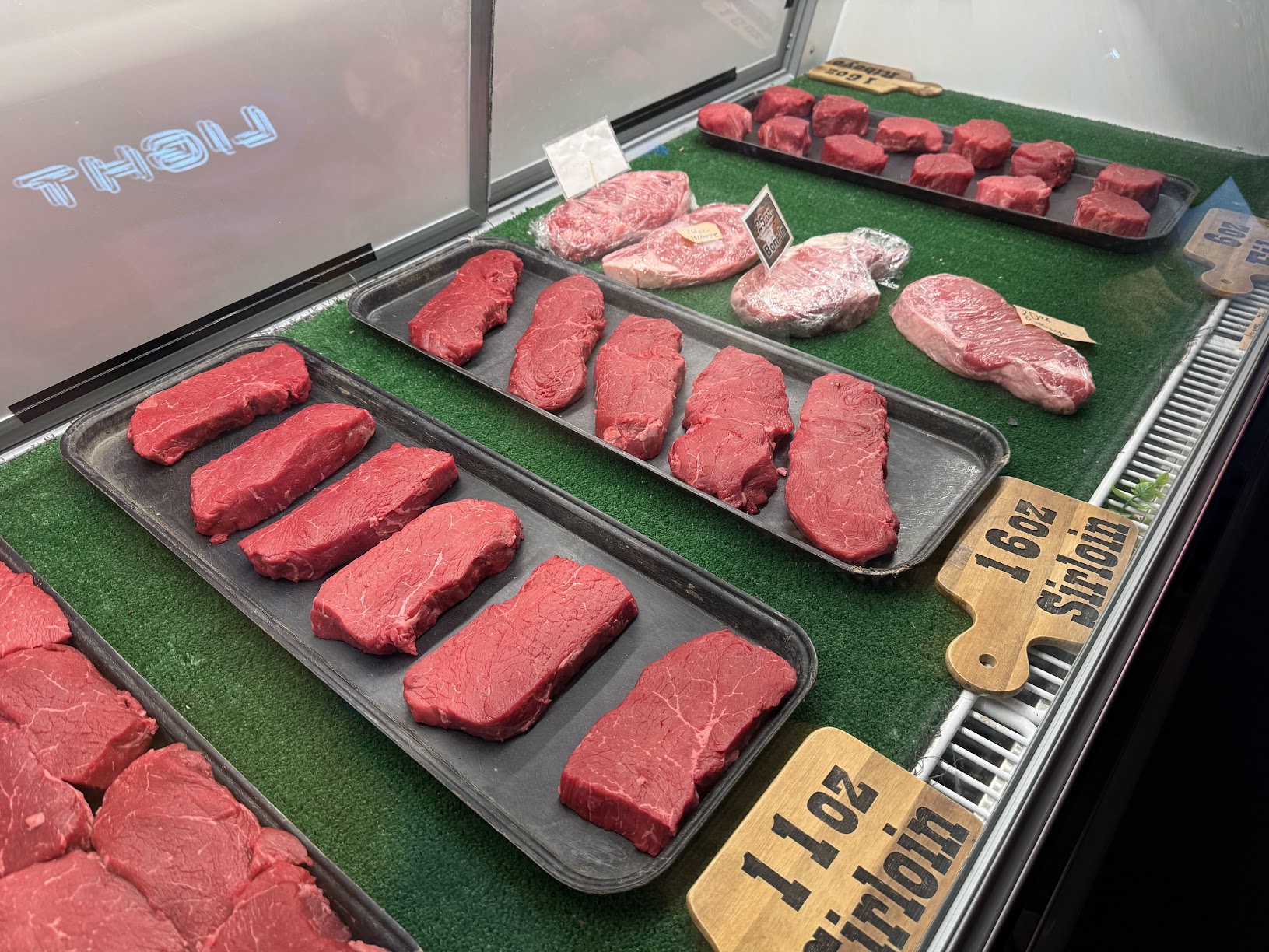
The unsung hero of the meat case is sirloin. Despite being a flavorful and versatile cut, it’s often overlooked in favor of more celebrated steaks like ribeye, tenderloin, and New York strip. Many shoppers walk right past it, unaware of its potential—and, just as importantly, its affordability.
Cut from the rear portion of the cow, sirloin packs a meaty punch with a robust flavor profile. When cooked properly, it can be remarkably tender and juicy, especially when seared over high heat in a cast-iron skillet or on the grill.
While flashier cuts may be worth an occasional splurge, sirloin offers exceptional value. It typically costs $5 to $10 less per pound than other premium steaks from the same animal, making it a smart choice for everyday cooking. For most shopping trips, your money is better spent on sirloin.
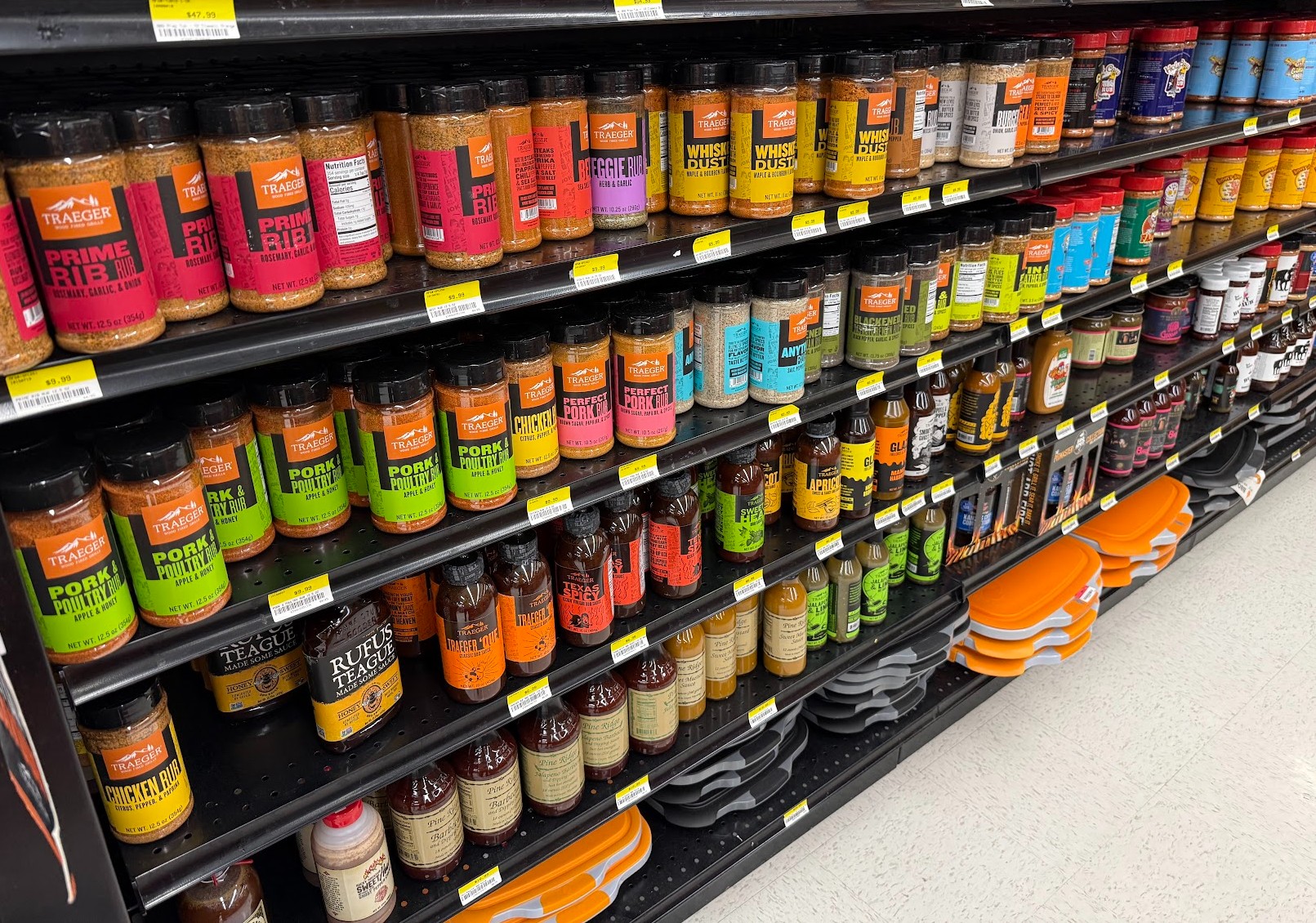
Lauren likes to bring the steaks to room temperature for 10 minutes or so, season the steaks which she often gets Choice cuts from Costco or Select cuts from her local grocer, with a variety of Traeger seasoning mixes after tenderizing with meat blades. Then she cooks to medium rare over a grill or in a cast iron skillet with olive oil and butter.
There’s a particular kind of American imprint you begin to notice in the West—a quiet, unmistakable sensibility: orderly, confident, and rooted in tradition. Out here, identity feels less fixed. It’s layered—like the terrain itself—formed by centuries of exchange, adaptation, and reinvention. Nowhere is that more evident than in something as elemental as beef. The American beefsteak, often taken for granted, is in fact a product of convergence. Over generations, Spanish cattle and British breeding traditions met on this continent, shaped by vast rangelands and an evolving agricultural ethos. What emerged wasn’t simply a dish, but a reflection of a nation built on overlap—less singular origin, more shared inheritance.
It stands apart from the culinary symbols we tend to romanticize. Apple pie carries the stamp of England; popcorn traces back to Native ingenuity; even the hamburger owes a nod to German roots. But the steak—raised on open ground, finished over flame, and tied to the rituals of land and season—feels distinctly American in a way that’s harder to export or replicate. Elsewhere, beef carries its own narratives. In England, roast beef is inseparable from tradition and national identity, a dish steeped in notions of hearth and continuity. In France, entrecôte is approached with a certain reverence—precise, deliberate, and deeply embedded in the culture of the table.
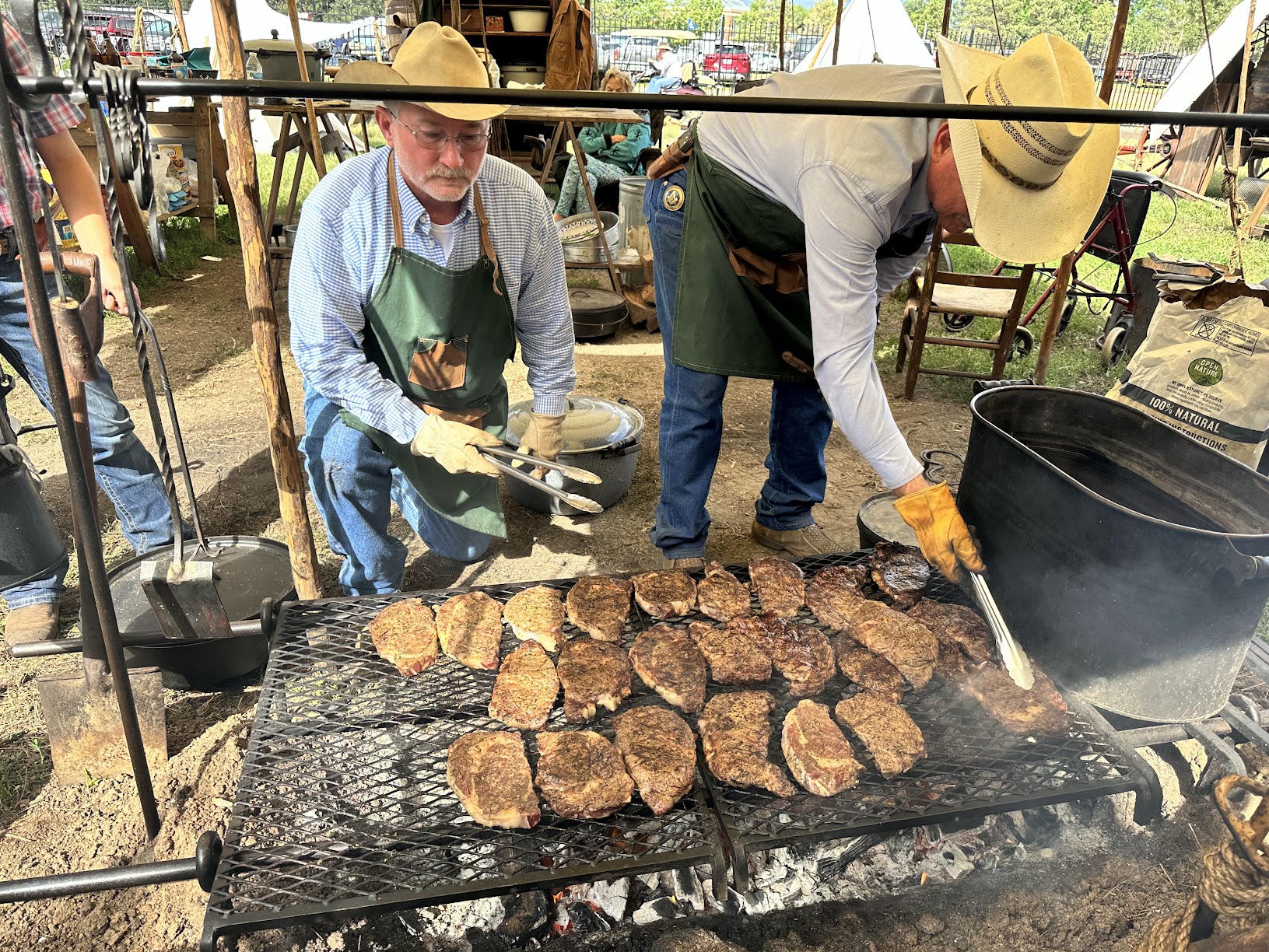
But in the American outdoors—and especially along the borderlands where influences blur—the experience shifts. Here, beef is less about ceremony and more about setting. It belongs to long horizons, to the smell of woodsmoke on the wind, to the kind of meals that follow a day spent outside. It is simple, but never ordinary—an expression of place as much as palate.
Traeger’s Top Picks for Steak Seasonings:
- Beef Rub: A hearty blend with paprika, chili, and sweet molasses to complement beef.
- Prime Rib Rub: Features rosemary and garlic, great for thicker cuts.
- Coffee Rub: Uses coffee and cocoa with garlic and pepper for deep, rich flavor.
- Blackened Saskatchewan: A zesty mix of citrus, garlic, onion, and paprika.
- Traeger Rub (Original): A balanced mix of garlic, paprika, chili, basil, and oregano.
________________________________________________________________________________________________________________
Here’s how to recreate Ramsay’s perfect steak at home in a pan versus on the grill, ala Matthew McConaughey style:
- Start with a quality 12-ounce ribeye at room temperature.
- Oil your steak and season it generously with steak seasoning.
- Put more oil than your cardiologist might recommend in a hot pan and trust the process.
- Sear for 3 to 4 minutes per side.
- Before removing from the pan, add 3 tablespoons of butter and baste continuously.
- Let it rest on a rack, pouring any excess butter over the top.
Our best guess at McConaughey’s dry herb steak rub: 1/4 cup coarse ground black pepper, 3 tbsp coarse sea salt, 3 tbsp granulated garlic, 1/4 cup dried minced onion, 6 tbsp dried oregano, 6 tbsp dried rosemary, 1/4 cup dried thyme, 4 tbsp sumac (or turmeric), and 4 tsp sweet paprika. Brown sugar is also a good addition.