
Littleton Equine Medical Center
8025 S Santa Fe Dr. Littleton, CO. 80120
303-794-6359
Emergency First Aid:
What to Do Until Your Veterinarian Arrives
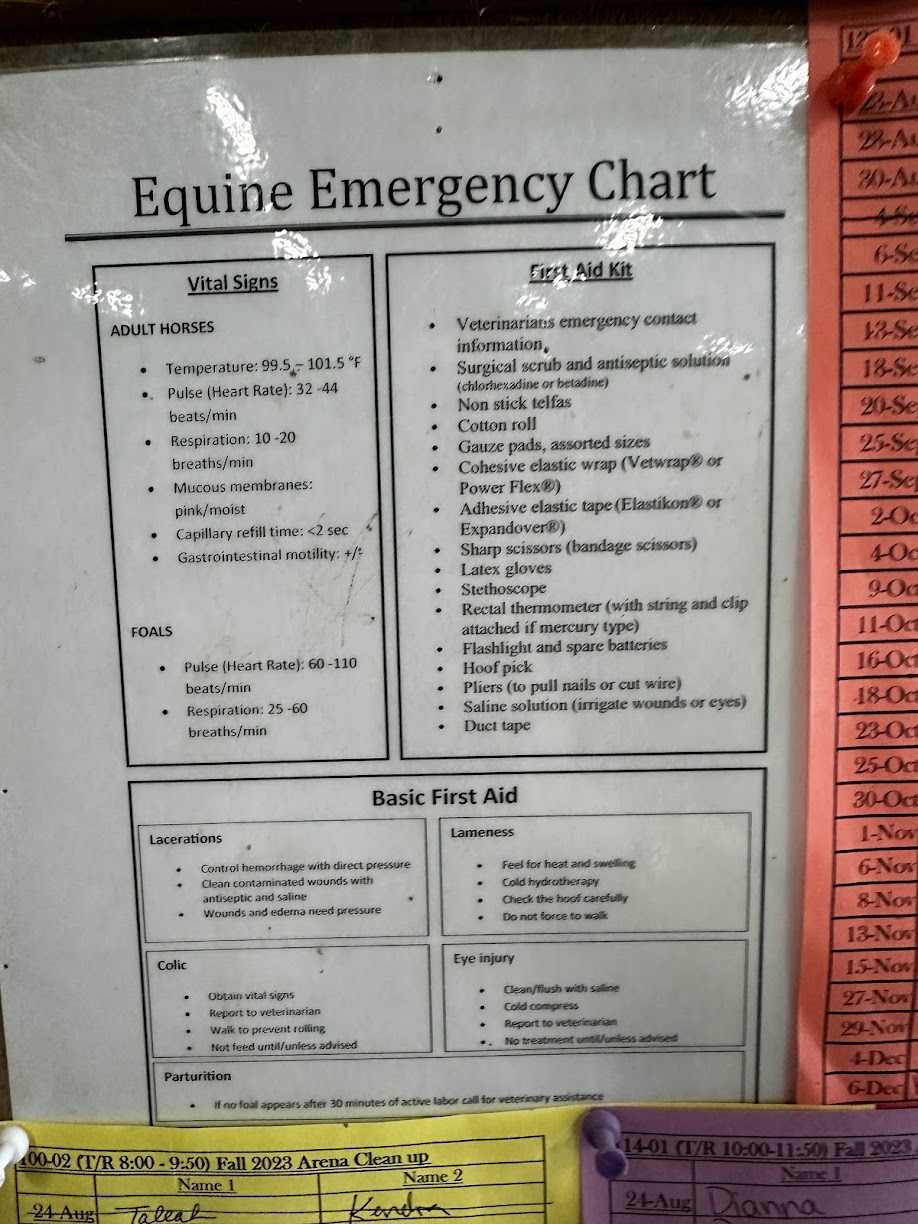
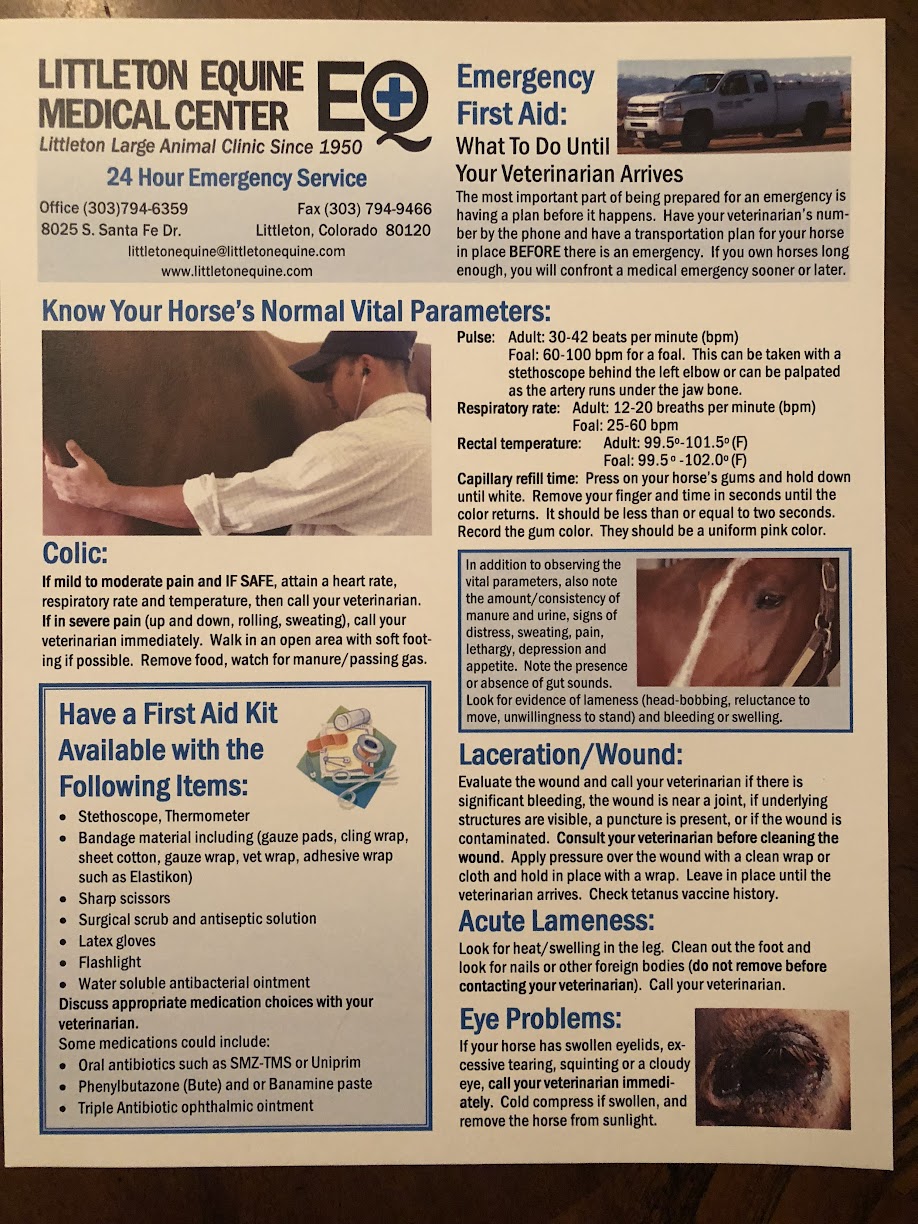
The most important part of being prepared for an emergency is having a plan before it happens. Have your veterinarian’s number by your phone and have a transportation plan for your horse in place BEFORE there is an emergency. If you own horses long enough, you will confront a medical emergency sooner or later.
Know Your Horse’s Normal Vital Parameters:
Pulse: 30-42 beats per minute (bpm) for an adult and 60-100 bpm for a foal. This can be taken with a stethoscope behind the left elbow or can be palpated as the artery runs under the jawbone. Respiratory rate: 12-20 breaths per minute for an adult and 25-60 bpm for a foal. Rectal temperature: 99.5°- lOl.5(F) for an adult and 99.5 o -102.0° (F) for a foal. Capillary refill time: Press on your horses gums and hold down until white. Remove your finger and time in seconds until the color returns. It should be less than or equal to three seconds. Record the gum color. They should be a uniform pink color.
In addition to observing the vital parameters, also note the amount/consistency of manure and urine, signs of distress, sweating, pain, lethargy, depression and appetite. Note the presence or absence of gut sounds. Look for evidence of lameness (head-bobbing, reluctance to move, unwillingness to stand) and bleeding or swelling.
Colic:
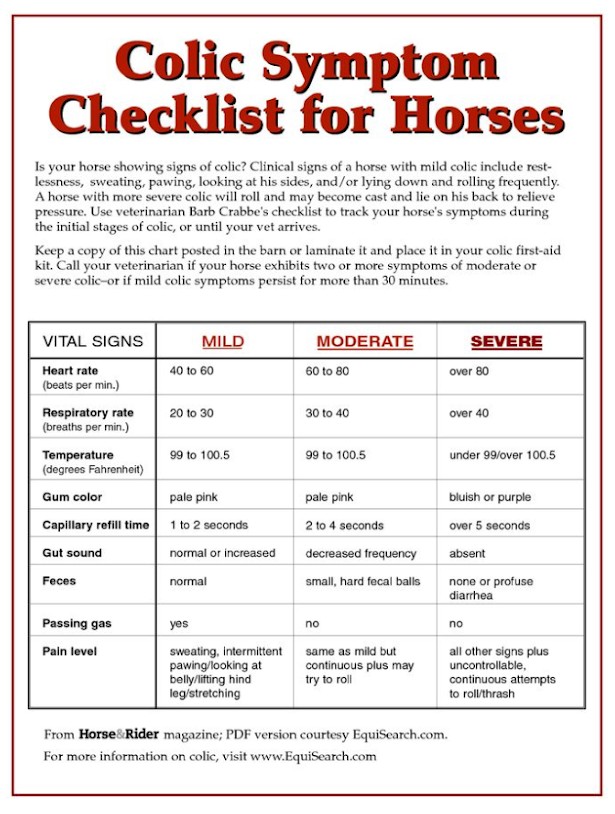
If mild to moderate pain and IF SAFE, attain a heart rate, respiratory rate and temperature, then call your veterinarian. If in severe pain (up and down, rolling, sweating), call your veterinarian immediately. Walk in an open area with soft footing if possible. Remove food, watch for manure/passing gas.
Acute lameness:
Do not move the horse. Look for heat/ swelling in the leg. Clean out the foot and look for nails or other foreign bodies (do not remove before contacting your veterinarian). Call your veterinarian
Laceration/Emergency wound first aid:
Evaluate the wound and call your veterinarian if there is significant bleeding, the wound is near a joint, if underlying structures are visible, a puncture is present, or if the wound is contaminated. Consult your veterinarian before cleaning the wound. Apply pressure over the wound with a clean wrap or cloth and hold in place with a wrap. Leave in place until the veterinarian arrives. Check tetanus vaccine history.
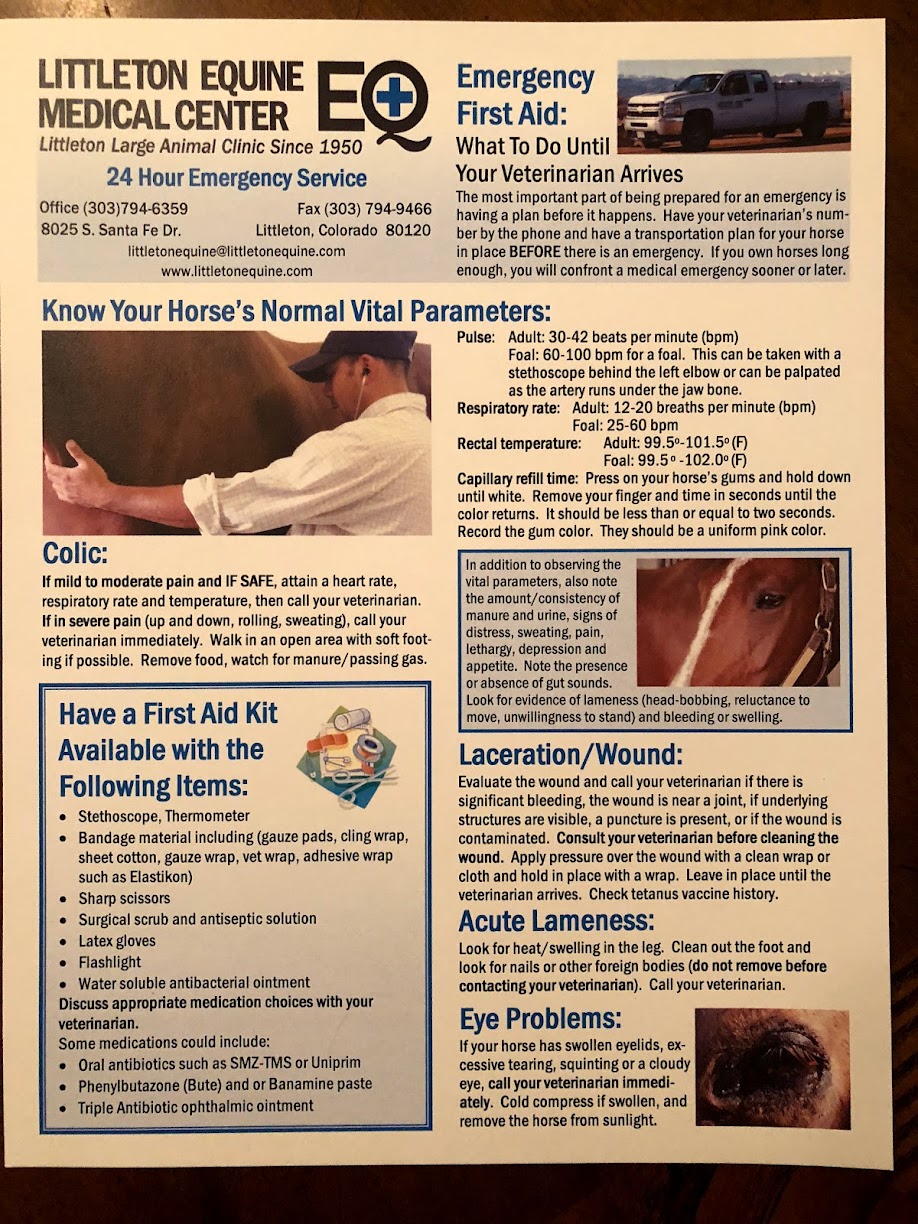
Also here are the codes for track thoroughbreds to determine age based on lip tattoo.
Eye problems:
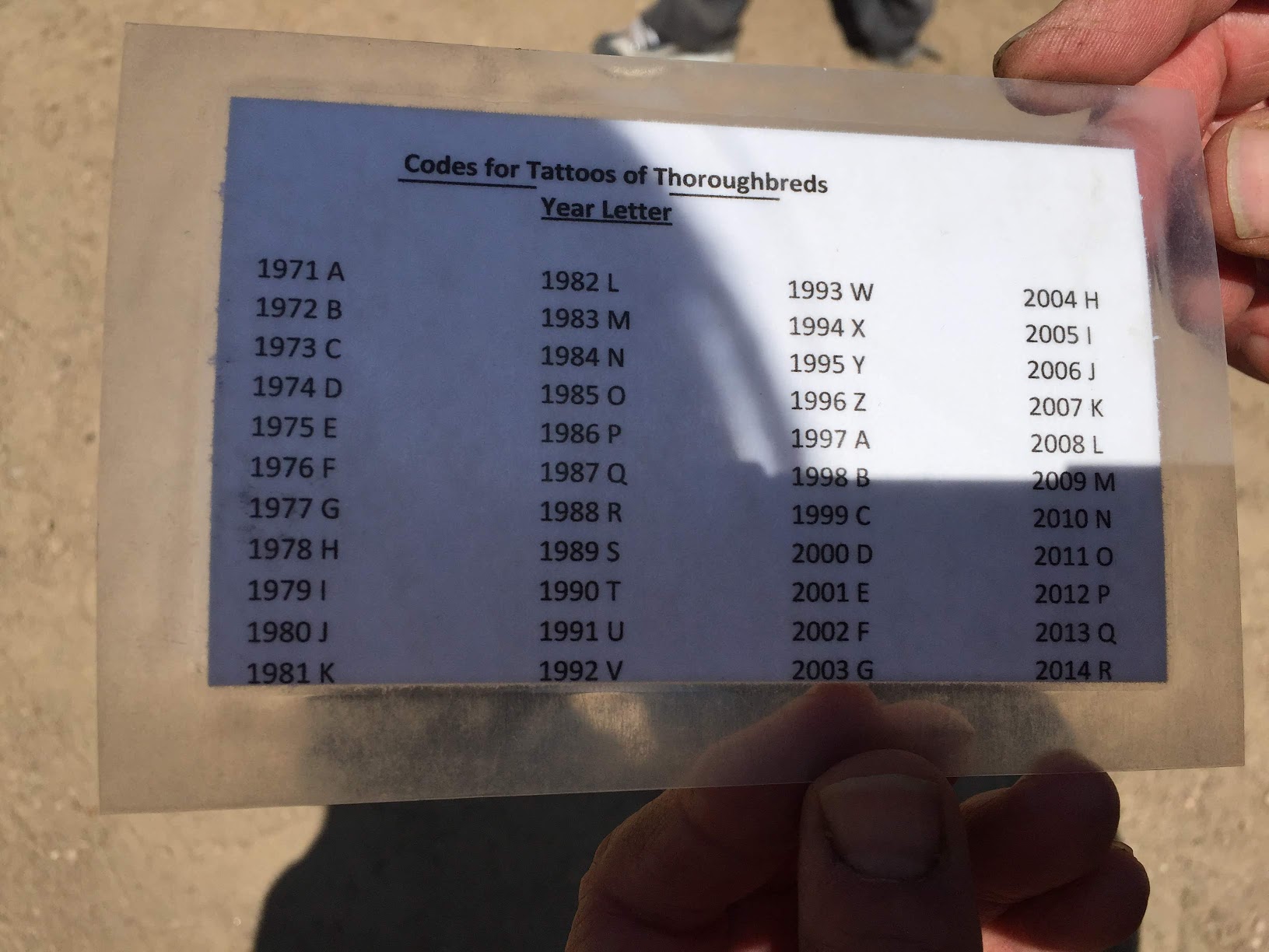
If your horse has swollen eyelids, excessive tearing, squinting or a cloudy eye, call your veterinarian immediately. Cold compress if swollen, and remove the horse from sunlight.
Have a First Aid Kit:
- Bandage material including (gauze pads, cling wrap, sheet cotton, gauze wrap, vet wrap, adhesive wrap such as Elastikon)
- Sharp scissors
- Surgical scrub and antiseptic solution
- Latex gloves
- Flashlight
- Water soluble antibacterial ointment
- Discuss appropriate medication choices with your veterinarian.
- Oral antibiotics such as SMZ-TMS or Uniprim
- Phenylbutazone (Bute) and or Banamine paste
- Antibacterial ophthalmic ointment
- 3-inch 3M vet wrap
- nonstick absorbent pads (telfa)
- 4-inch elastic gauze
- gauze rolls, sponges and assorted dressings
- bandaging cotton rolls
- elastic adhesive tape
- 2- to 3-inch porous tape
- bandage scissors for cutting gauze
- pliers
- wire cutters
- providine solution
- providine scrub (soap)
- pint of hydrogen peroxide and pint of rubbing alcohol
- KY Jelly for sheath cleaning
- Cotton tipped swabs and wood applicators
- Ear plugs/balls
- baby Vick’s vapor rub for soothing scent
- antibiotics from your veterinarian
- scarlet oil for wounds
- hydrocortizone
- triple antibiotic ointment
- stethoscope
- a plastic easy boot to protect an injured foot or diapers and duct tap
- eye wash
- eye ointments
- phenylbutazone
- flunixin meglumine (Banamine) The typical dose is \(0.5\) mg per pound of body weight (\(1\) mL per \(100\) lbs).Route: Intravenous (IV) administration is highly recommended for colic as it provides prompt pain relief (often in less than 15 minutes).Crucial Safety Precautions-Do Not Give Intramuscularly (IM) for Colic: Injecting flunixin liquid into the muscle of a horse carries a high risk of causing tissue damage and a fatal bacterial infection called clostridial myositis. Banamine is usually a 10-12 cc injection for normal horse. Needs to be refrigerated.
- Ace. Consult a veterinarian about other specific medications you should keep in your first aid kit, including anti-inflammatory drugs. Assorted syringes for IM and IV shots of the above medications, consult your veterinarian. If you give Acepromazine it’s like 1 cc for mild sedation IM.
- lead line
- twitch
- thermometer and thermometer sheaths
- 14. tampons or maxi pads. They are very absorbent, they are sterile, very inexpensive and, best of all, they work!
- Hemostats
- scapel
- needle nose pliers or curved hemostats for removing cactus
- wire cutters
- best emergency vet horse book?
- Digital thermometer
- Clean Stable wraps
- Cling wrap
- Flashlight and spare batteries
- Furoazone
- Furoazone and DMSCo
- 6” diameter PVC tubing cut in (gutter like) 1.5-2 feet in length for splinting
- Hoof pick
- Latex gloves
- staple gun (they are around $16) and are very convenient for holding skin in place until vet is there in large lacerations or for minor lacerations.
- Large instant cold packs
- Emergency blankets
- Large first aid kit box for humans tucked neatly inside vet duffle bag
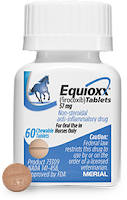
After Care-Bute for Pain Management vs Equioxx (Both NSAIDs)
Bute Pros:
- Much more effective pain control (side note: I’ve heard the same from others)
- Significantly more rapid action – both to start & finish. The latter can be especially important if you need to take a lame horse to the vet the next morning & you need the pain unmasked for an exam.
- Relatively cheap
- Easy to give — even picky Solo will usually eat it on his food. If they start refusing it after multiple days, I just dump it in a syringe with a little water & shoot it in their mouth.
Bute Cons:
- Blocking both COX-1 & 2 is what brings about the higher incidence of GI issues with bute. So for long term and milder things like arthritis or ligament woes on an older horse, Equioxx might work with less issues and it’s easier to fee as it’s a small pill.
_______________________________________________________________________________________________
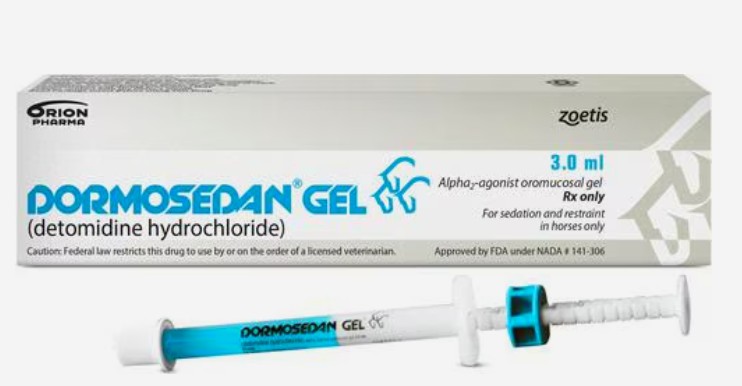
It’s also helpful to have xylazine or torb/dormosedan (“dorm”) for farrier problems to sedate for shoeing.
____________________________________________________________________________
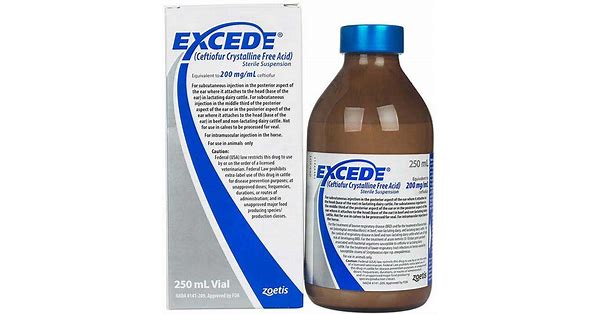
Excede® (ceftiofur crystalline free acid) is a powerful, sustained-release antibiotic for horses used primarily to treat lower respiratory tract infections (like Streptococcus equi ssp. zooepidemicus). It is highly valued for its convenience, as a full course of therapy requires only two intramuscular (IM ~15ml for Tonka) injections spaced 4 days apart. Key Guidelines for Use Veterinary Prescription Only: Excede is a prescription medication that must be obtained through your veterinarian. Dosage: The standard dose is 1.5 mL per 100 lbs. of body weight. Administration: It is administered via an IM injection. If the required dose is more than 10 mL, your veterinarian will split the injection into two separate sites to reduce tissue irritation. Duration: Two doses provide a sustained level of therapeutic antibiotic coverage for about 10 days from the start of treatment.
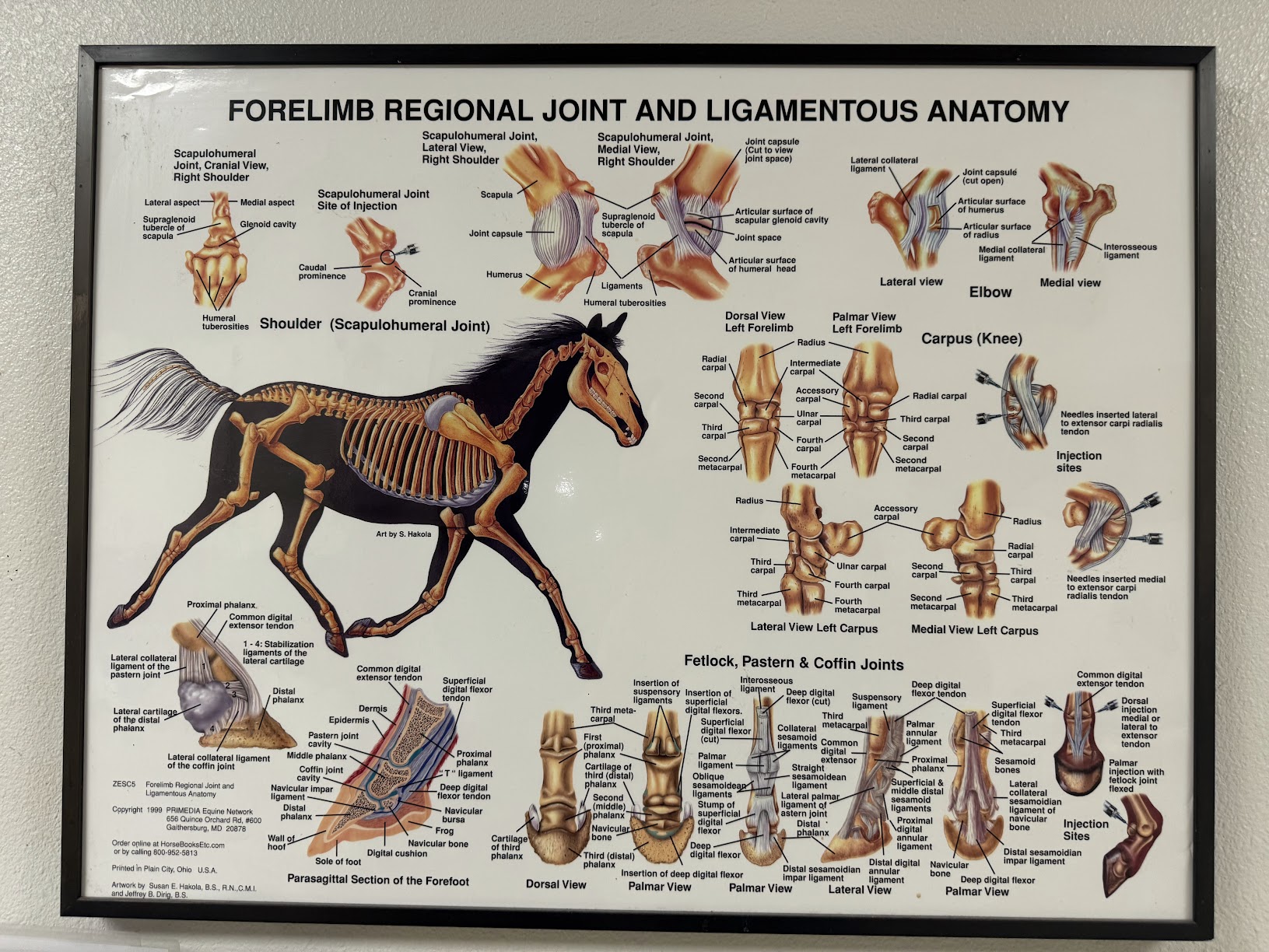
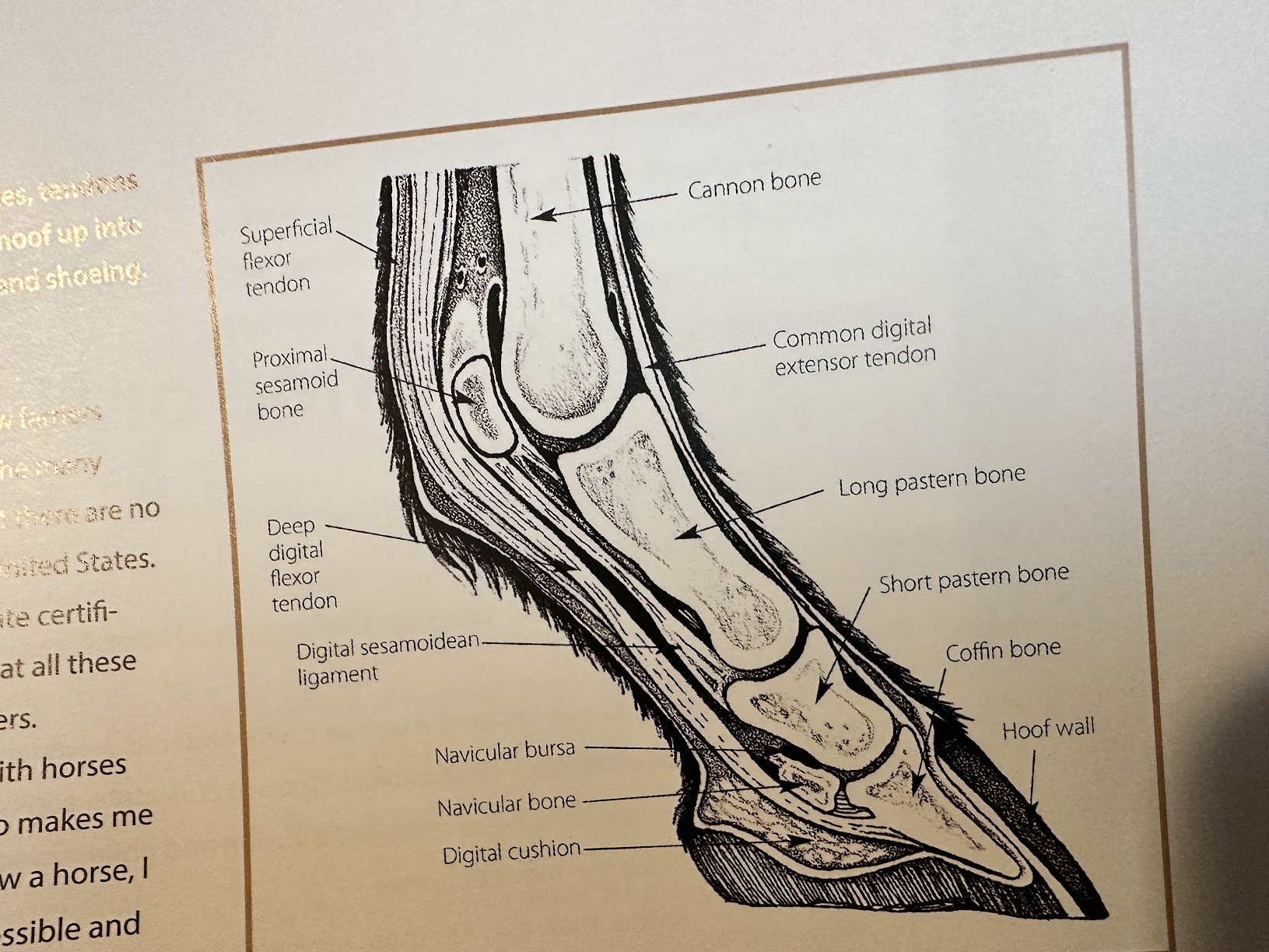
Here are some of my favorite charts hanging at our veterinarian’s office, which they use to explain diagnositics and imaging.
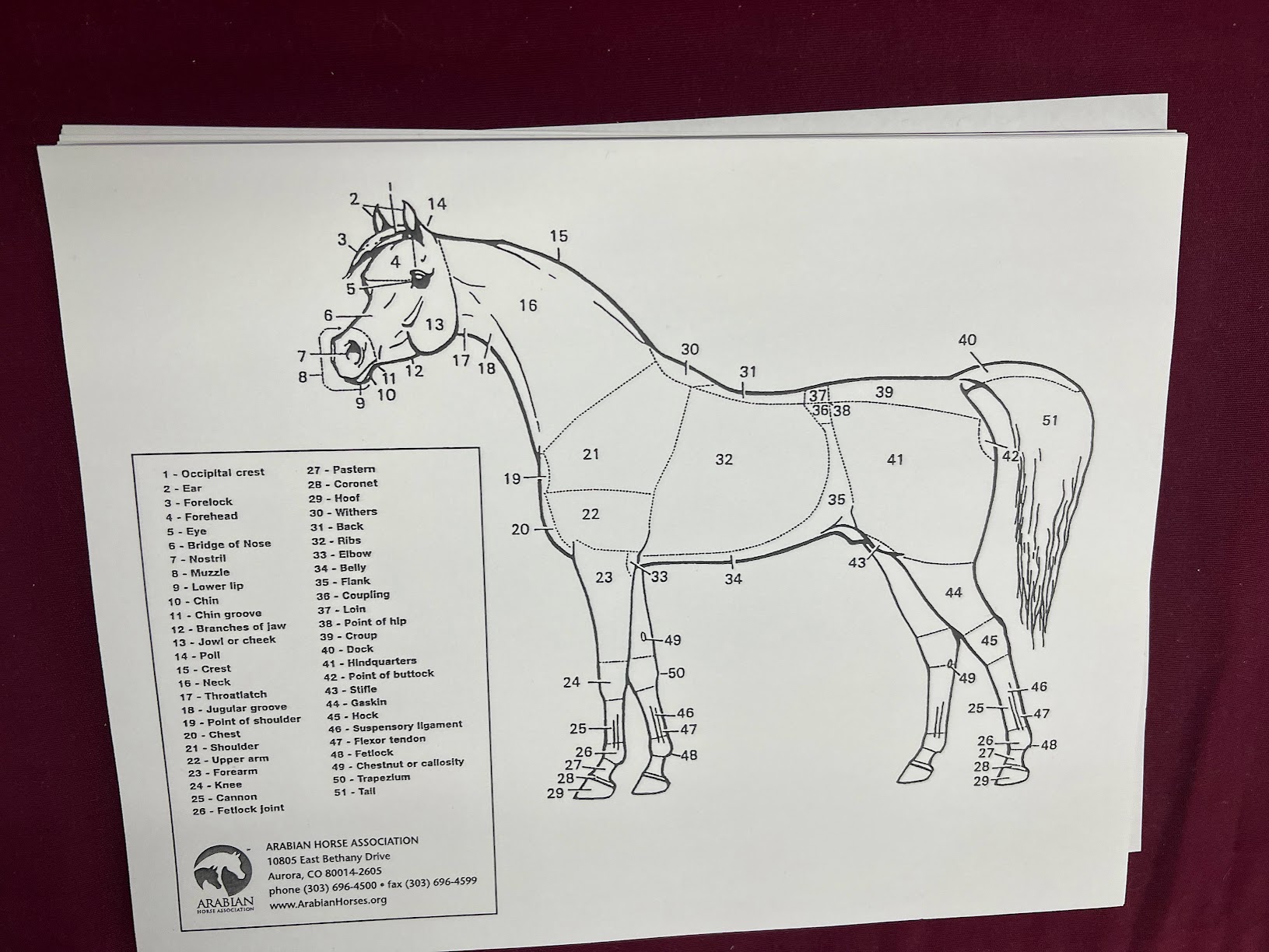
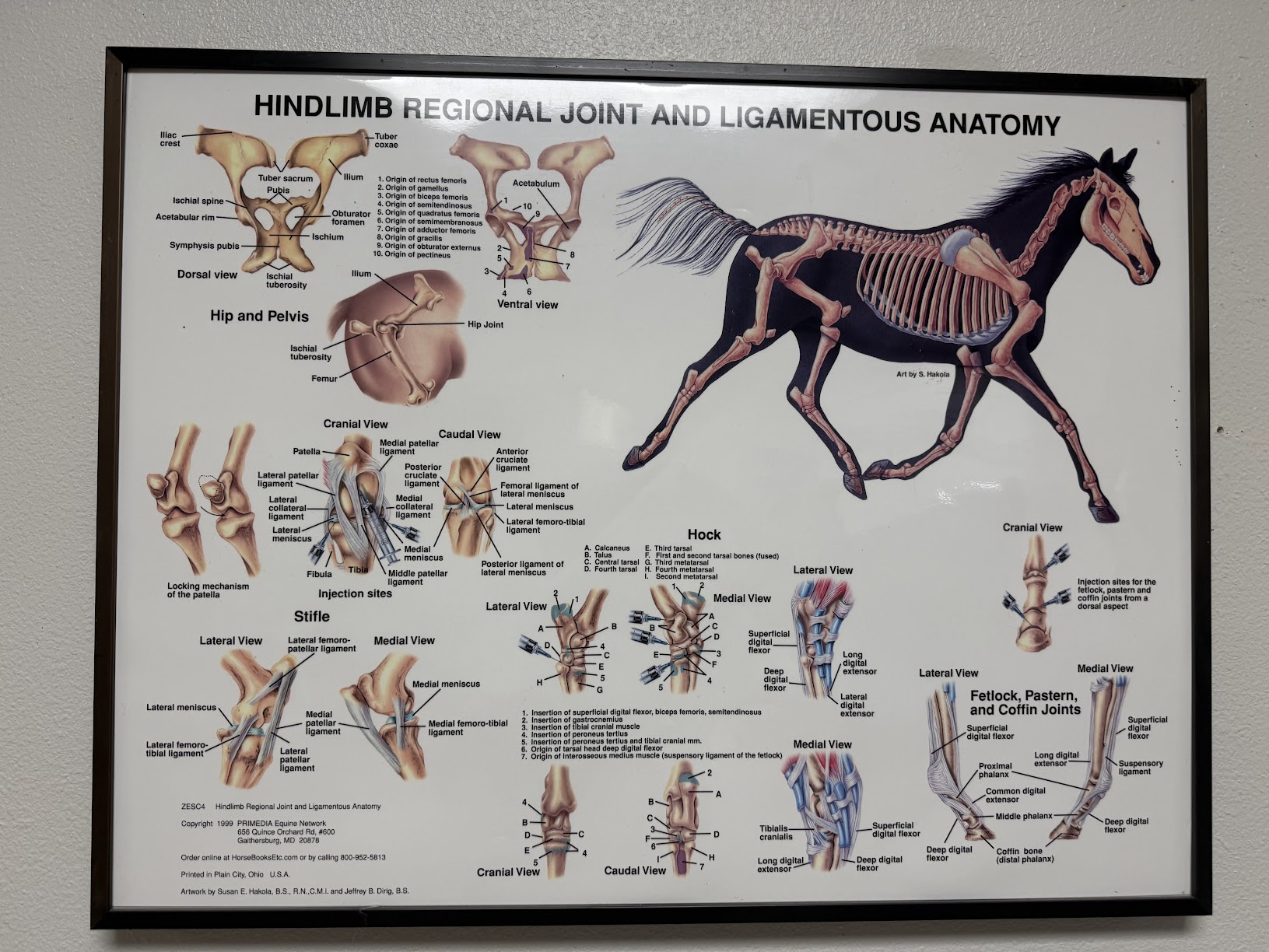
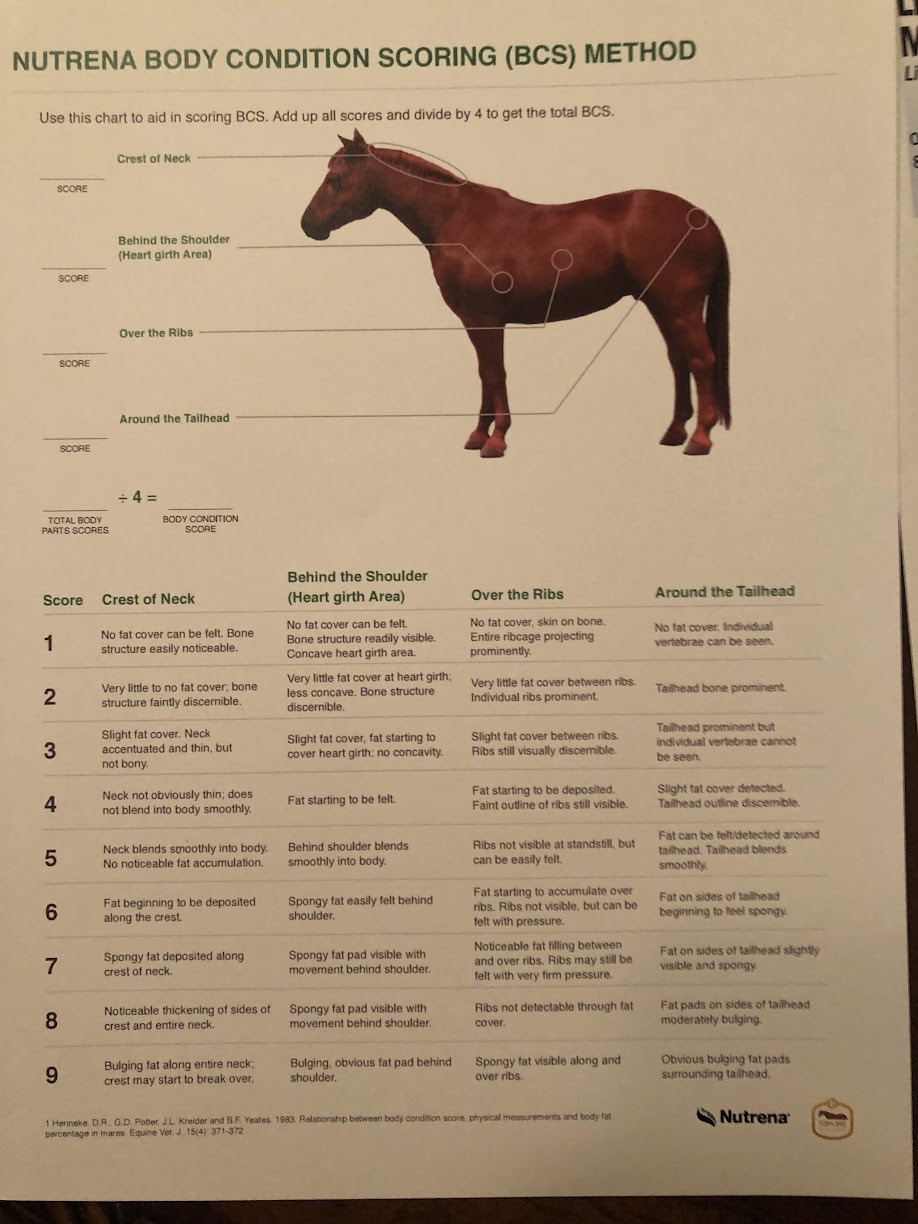
body scoring
Body Scoring of Horses